You And I With Chords In Montgomery
Description
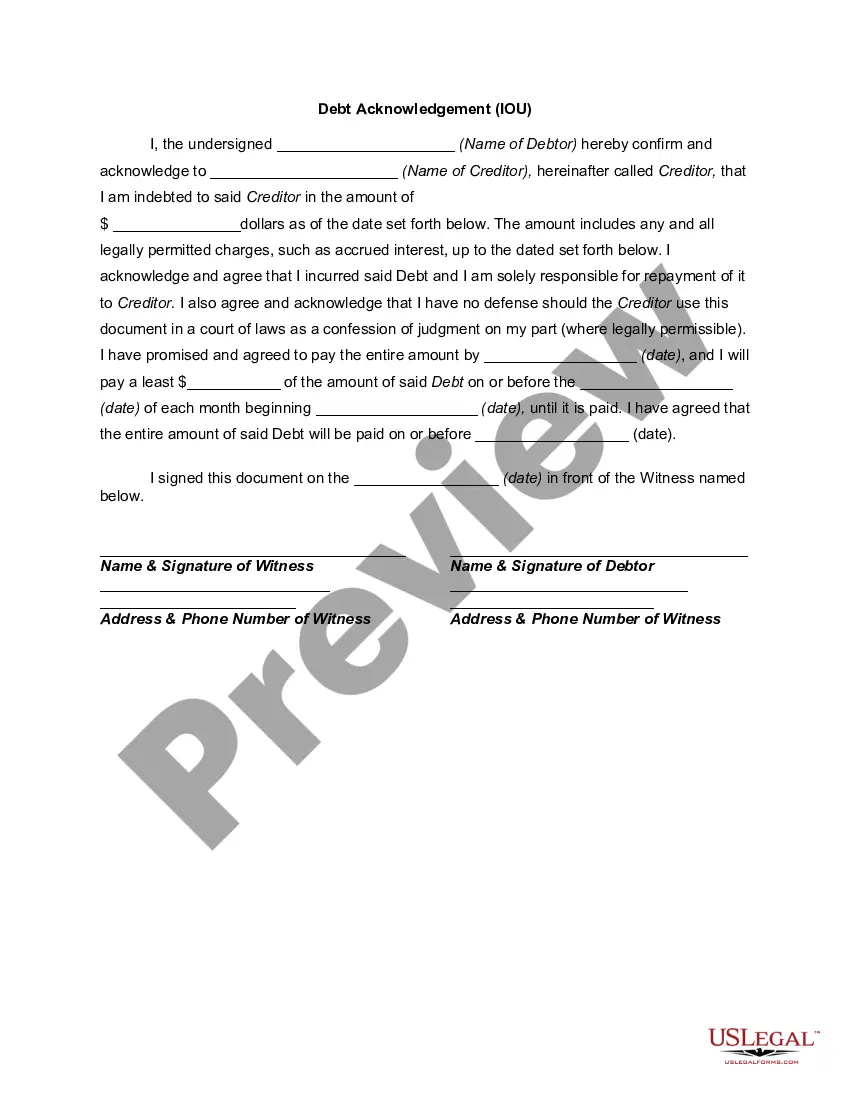
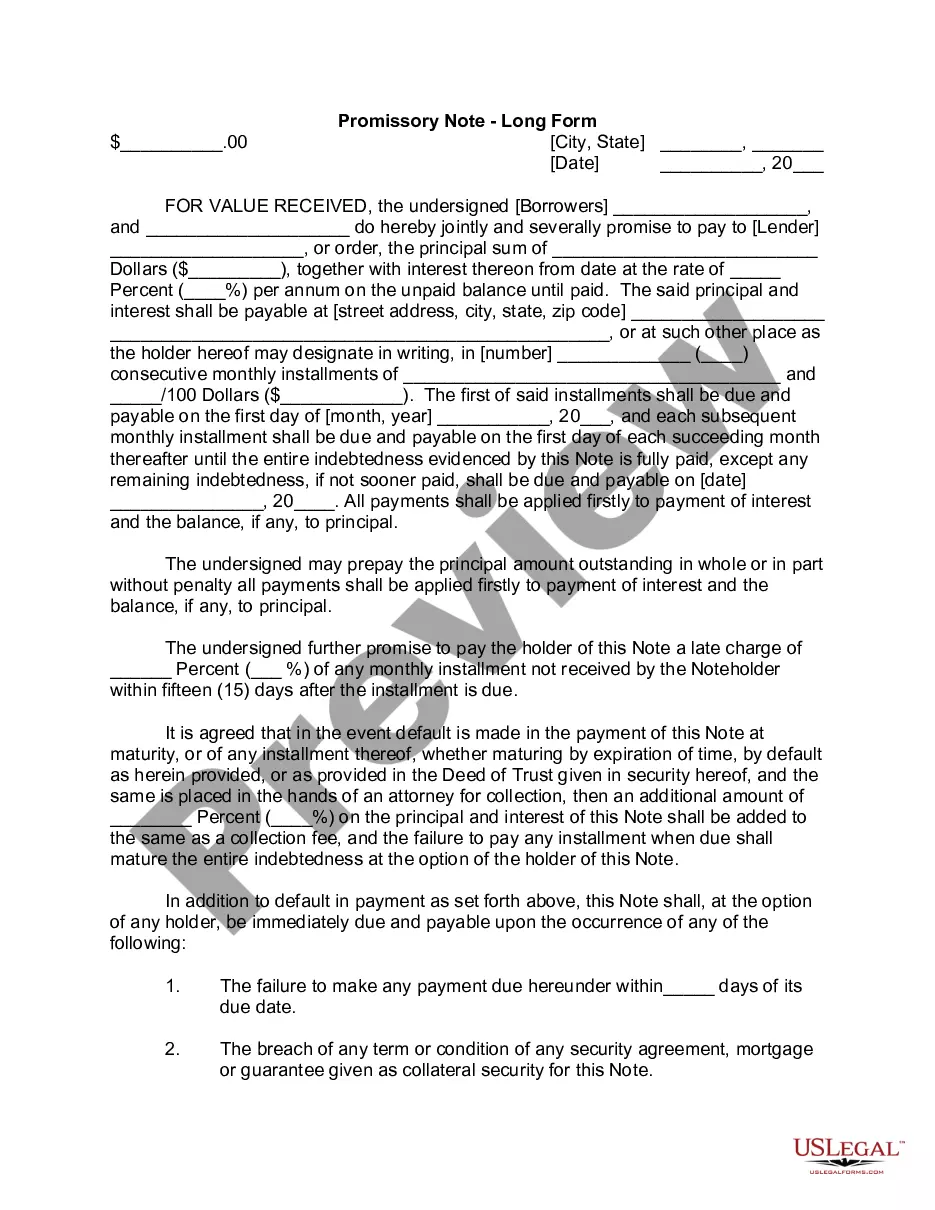
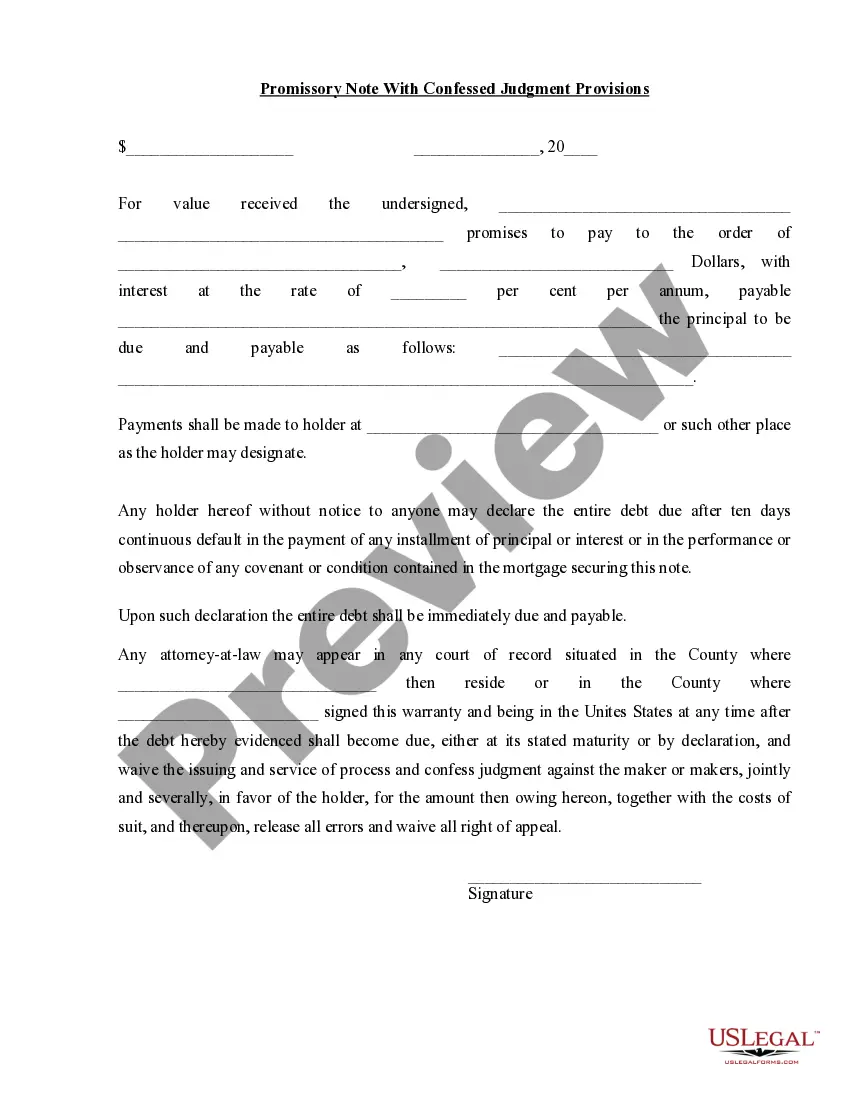
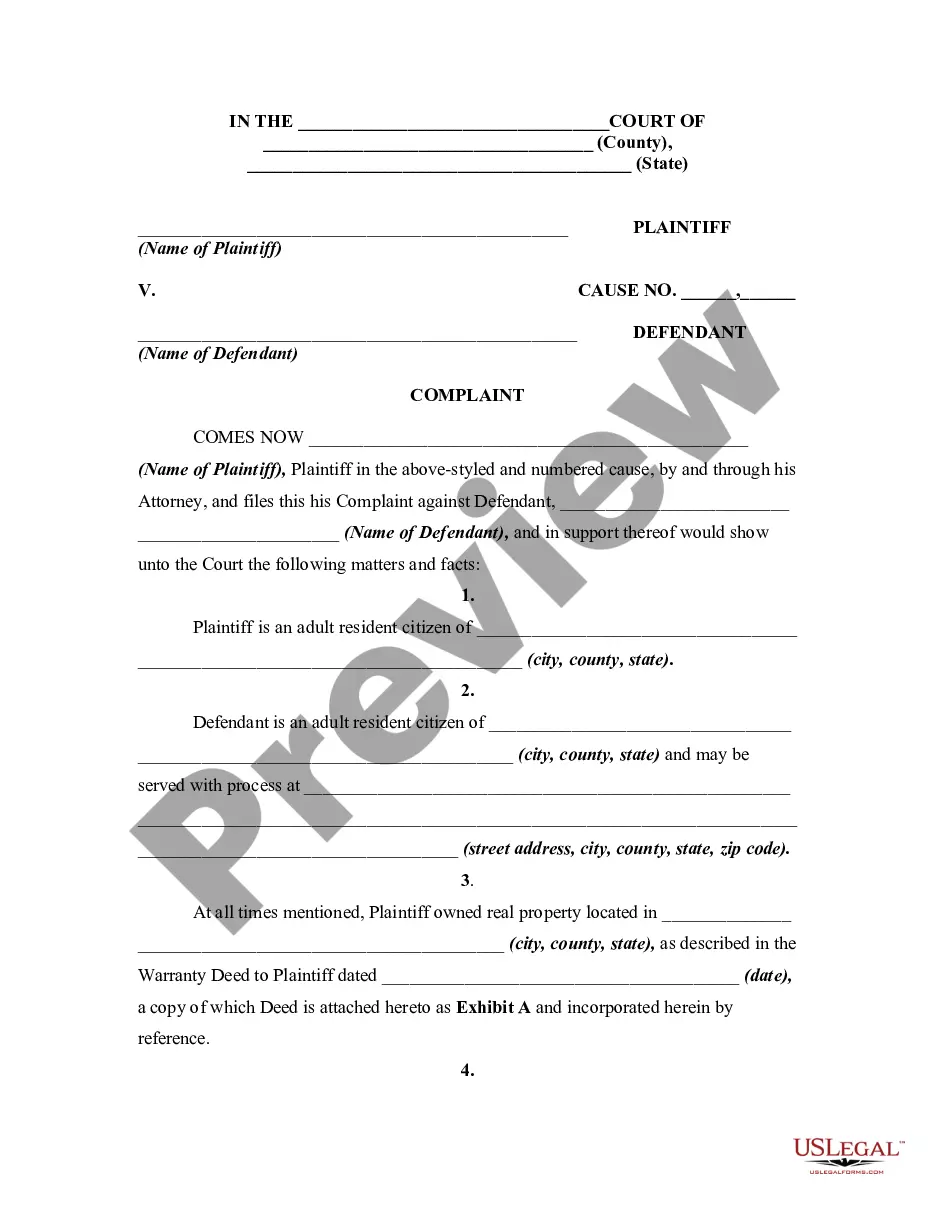
Get your form ready online
Our built-in tools help you complete, sign, share, and store your documents in one place.
Make edits, fill in missing information, and update formatting in US Legal Forms—just like you would in MS Word.
Download a copy, print it, send it by email, or mail it via USPS—whatever works best for your next step.
Sign and collect signatures with our SignNow integration. Send to multiple recipients, set reminders, and more. Go Premium to unlock E-Sign.
If this form requires notarization, complete it online through a secure video call—no need to meet a notary in person or wait for an appointment.
We protect your documents and personal data by following strict security and privacy standards.

Make edits, fill in missing information, and update formatting in US Legal Forms—just like you would in MS Word.

Download a copy, print it, send it by email, or mail it via USPS—whatever works best for your next step.

Sign and collect signatures with our SignNow integration. Send to multiple recipients, set reminders, and more. Go Premium to unlock E-Sign.

If this form requires notarization, complete it online through a secure video call—no need to meet a notary in person or wait for an appointment.

We protect your documents and personal data by following strict security and privacy standards.
Looking for another form?









Form popularity
FAQ
The most common cowboy chords include: E major (E) A major (A) D major (D) G major (G) C major (C) E minor (Em) A minor (Am) D minor (Dm)
Here's a simple guideline: if you want to project sadness, opt for a minor chord; for a sense of happiness, choose a major chord as the starting point. Remember, the first chord sets the tone and sets the stage for the audience's emotional experience.
The classic three chords used in many country songs are G, C, and D. This combination allows for a huge variety of songs and is fundamental in country music.
Learn to play 'The Streets of Laredo' (aka “Cowboy's Lament”), in the key of C major, using four cowboy chords: C (I), G (V), F (IV), and D (II).
We have the chord of C. Major. Notice it is customary to repeat the keynote C in this case in theMoreWe have the chord of C. Major. Notice it is customary to repeat the keynote C in this case in the upper octave as. Well. Finally you can see how by playing the notes from this from the chord formula.
Cowboy chords refer to the basic open chords like G, C, D, and A.
The most common cowboy chords include: E major (E) A major (A) D major (D) G major (G) C major (C) E minor (Em) A minor (Am) D minor (Dm)
The I chord is built on the first note of the key. The IV chord is built on the fourth note of the key. And, the V chord is built on the fifth note of the key. When we use simple triads (see chords) in a major key, all three of these chords are major triads.
The I, IV, and V chords in the key of C are a C major triad, an F major triad, and a G major triad. We'd simply say, “The chords are C, F, and G.” You should notice the notes of each triad fit within the key. Remember, that's what diatonic means – within the key.
The '135 rule' is that basic minor, major, diminished, and augmented chords must be created using a root, 3rd, and 5th.

