I Debt With You In Illinois
Description
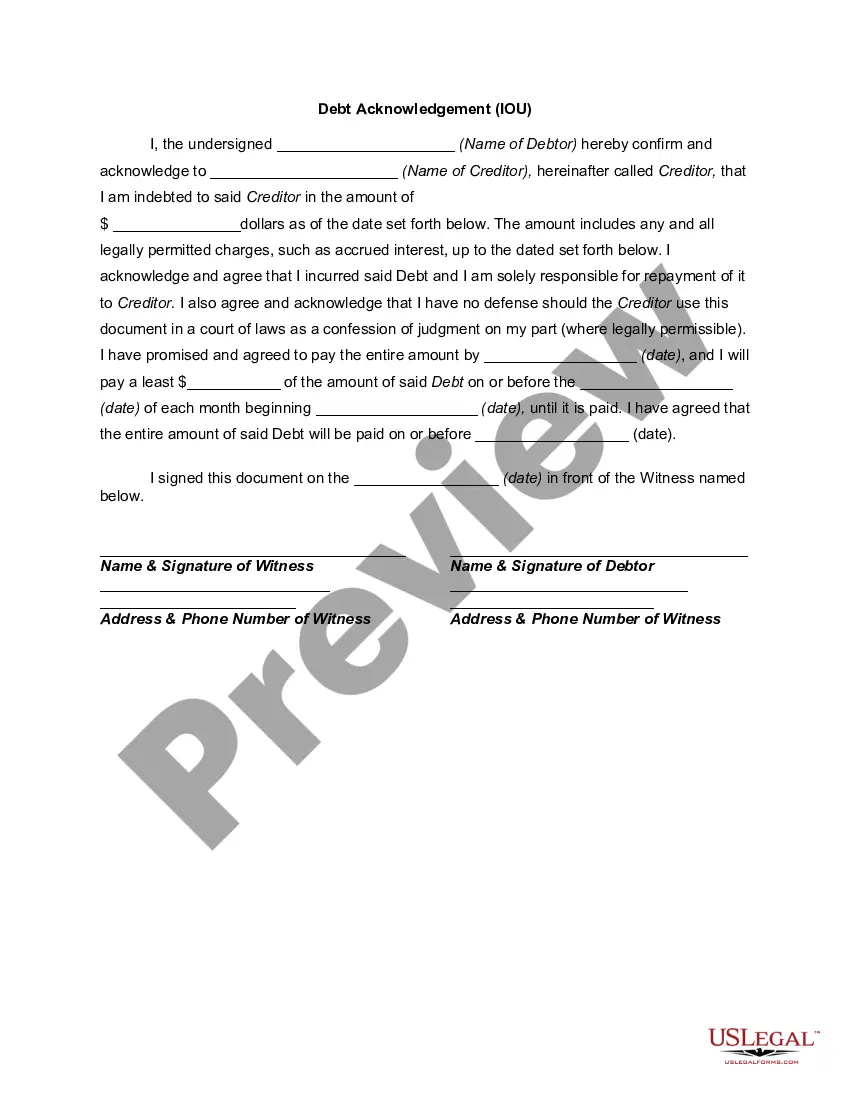
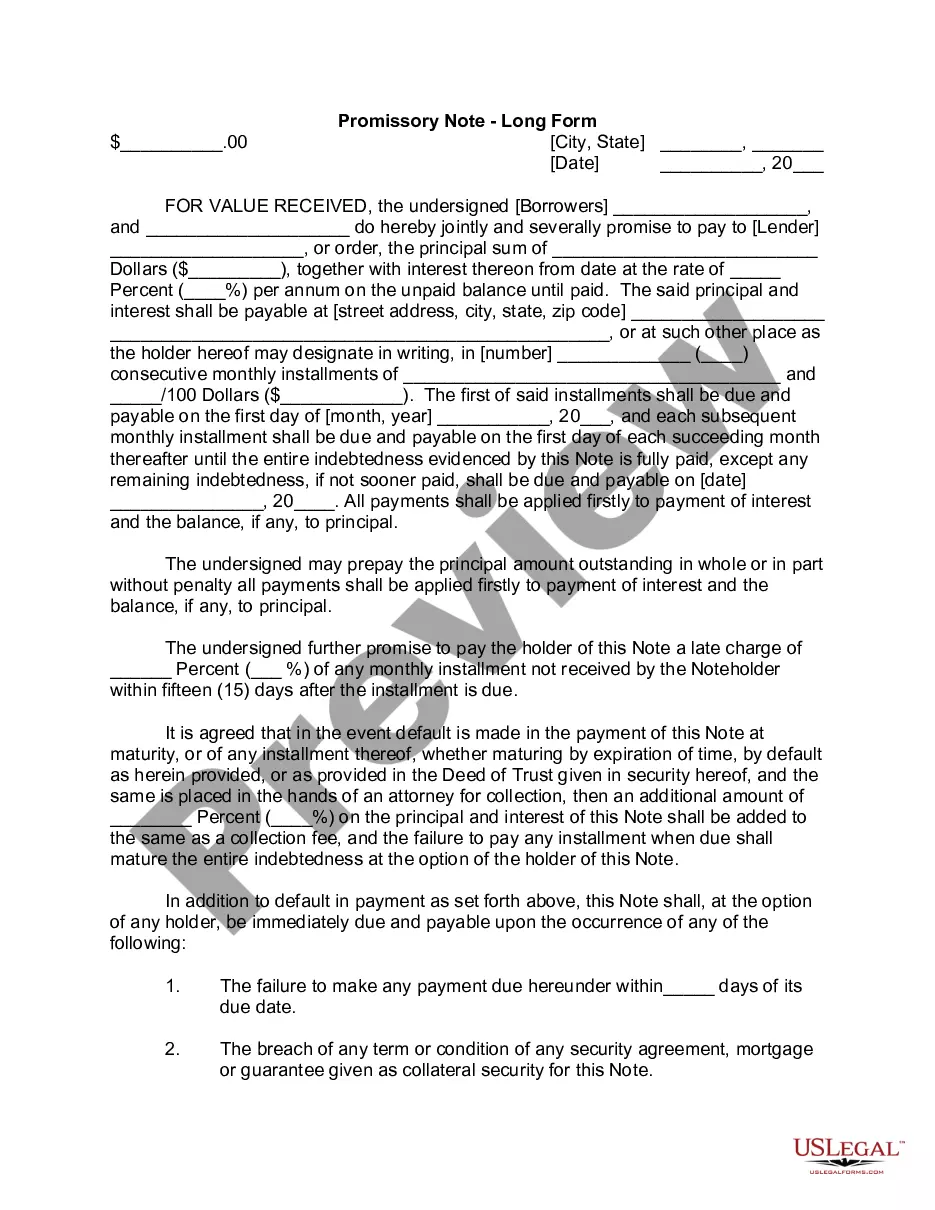
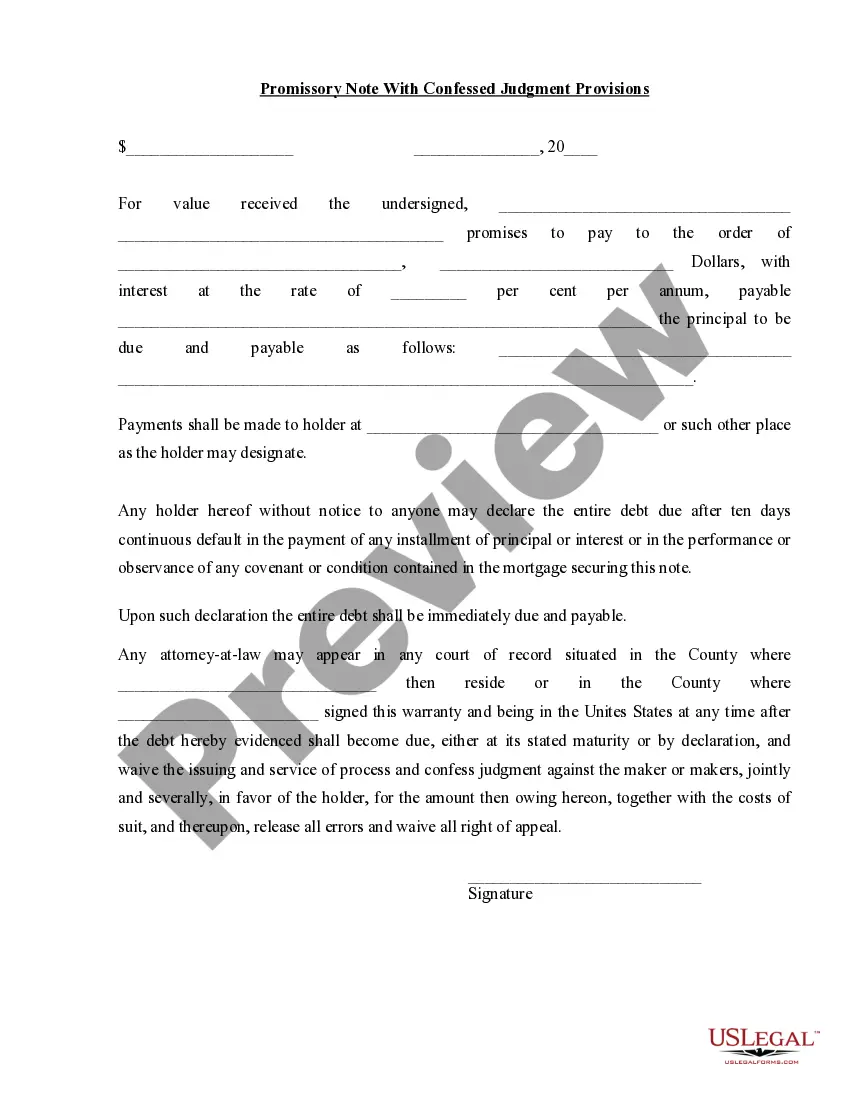
Get your form ready online
Our built-in tools help you complete, sign, share, and store your documents in one place.
Make edits, fill in missing information, and update formatting in US Legal Forms—just like you would in MS Word.
Download a copy, print it, send it by email, or mail it via USPS—whatever works best for your next step.
Sign and collect signatures with our SignNow integration. Send to multiple recipients, set reminders, and more. Go Premium to unlock E-Sign.
If this form requires notarization, complete it online through a secure video call—no need to meet a notary in person or wait for an appointment.
We protect your documents and personal data by following strict security and privacy standards.

Make edits, fill in missing information, and update formatting in US Legal Forms—just like you would in MS Word.

Download a copy, print it, send it by email, or mail it via USPS—whatever works best for your next step.

Sign and collect signatures with our SignNow integration. Send to multiple recipients, set reminders, and more. Go Premium to unlock E-Sign.

If this form requires notarization, complete it online through a secure video call—no need to meet a notary in person or wait for an appointment.

We protect your documents and personal data by following strict security and privacy standards.
Looking for another form?









Form popularity
FAQ
Are you responsible for your spouse's debt in Illinois? You may be responsible for your spouse's debts. In a long-term marriage, the debt is more likely to be split equally between spouses. However, if the debt is from before the marriage and isn't tied to marital property, it will probably stay with that person.
Most states or jurisdictions have statutes of limitations between three and six years for debts, but some may be longer. This may also vary depending, for instance, on the: Type of debt.
The phrase in question is: “Please cease and desist all calls and contact with me, immediately.” These 11 words, when used correctly, can provide significant protection against aggressive debt collection practices.
A collector can contact you in person, by mail, telephone, telegram or email. However, a collector may not contact you at unreasonable times or places, such as before 8 a.m. or after 9 p.m., unless you agree. A debt collector also may not contact you at work if the collector knows that your employer disapproves.
That means a lender cannot pursue you through legal action to recoup a debt after a maximum amount of time has passed. In Illinois, that limit is ten years for a loan with a written contract or agreement and five years for any borrowing without a formal document, including credit card balances.
Most states use common law (also known as equitable distribution), which dictates that married couples don't automatically share personal property legally. In other words, you aren't responsible for your spouse's debt unless you took it out together as a joint account, or you cosigned on it.
The only liability spouses have to support each other applies to marital expenses and debts, incurred after getting married. You don't become liable for your spouse's pre-marital debts. And, they don't become liable for yours. It's just like with kids.
No, you aren't legally responsible for your partner's debt unless you guarantee it or if it is a joint credit card account. Debt entirely in the name of your spouse, you are not responsible for.
Individuals are eligible for debt relief if they meet the following criteria: Illinois residents. Household income at or below 400% of federal poverty level. (For 2024, this amounts to an annual income of up to $60,240 for a one-person household and up to $124,800 for a family of four)

