I Debt With You In Hennepin
Description
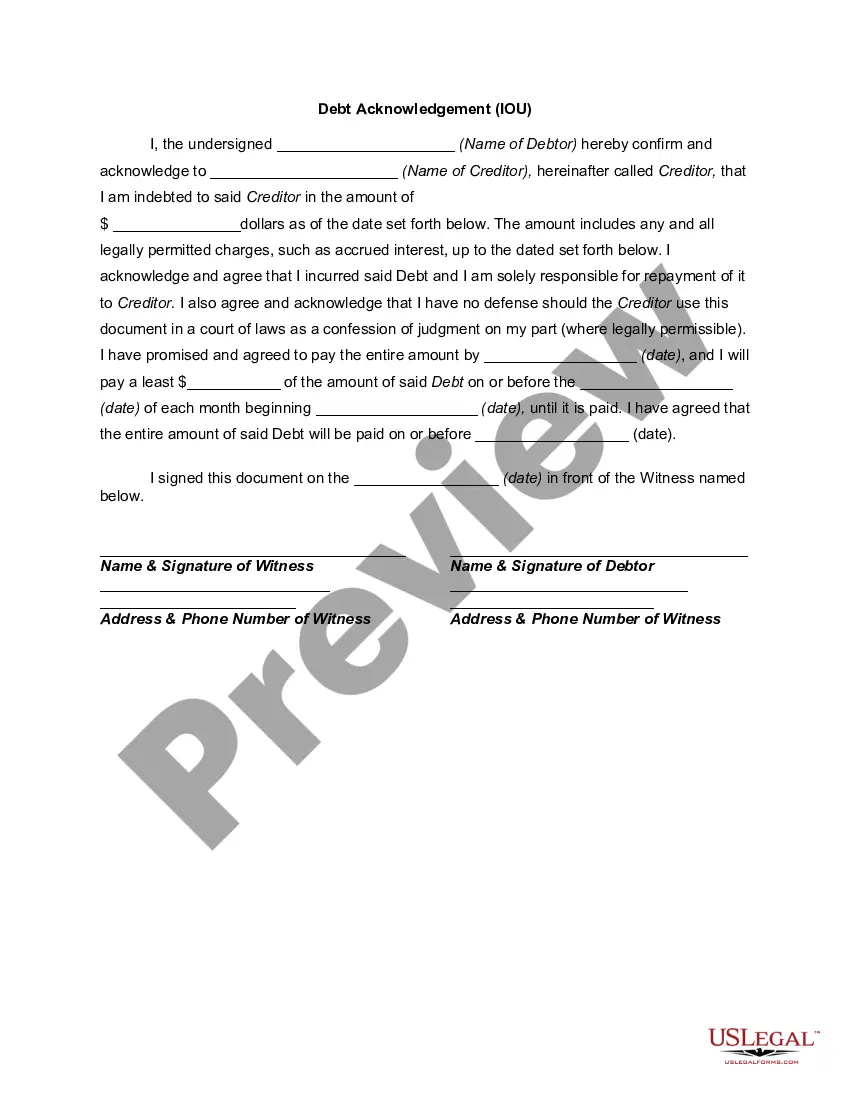
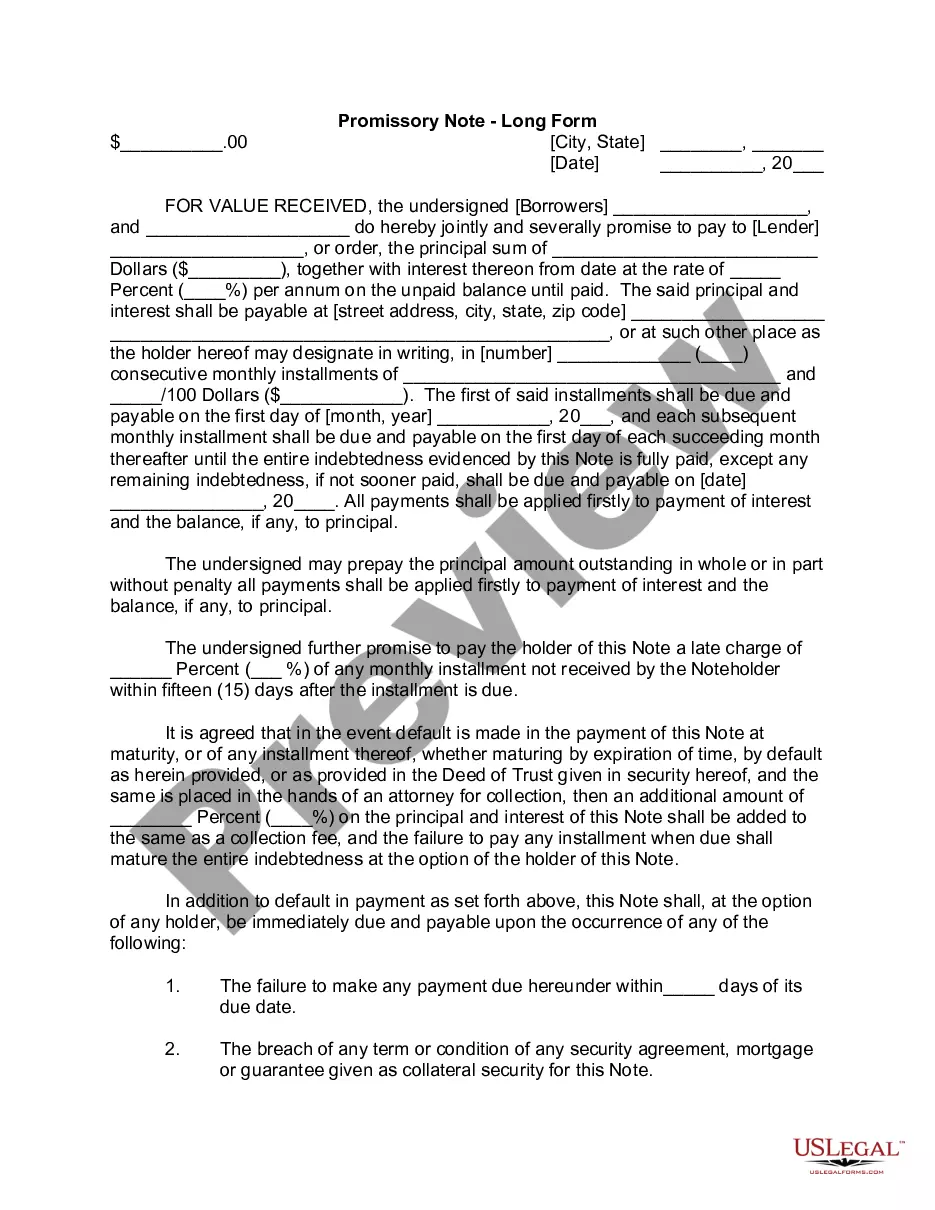
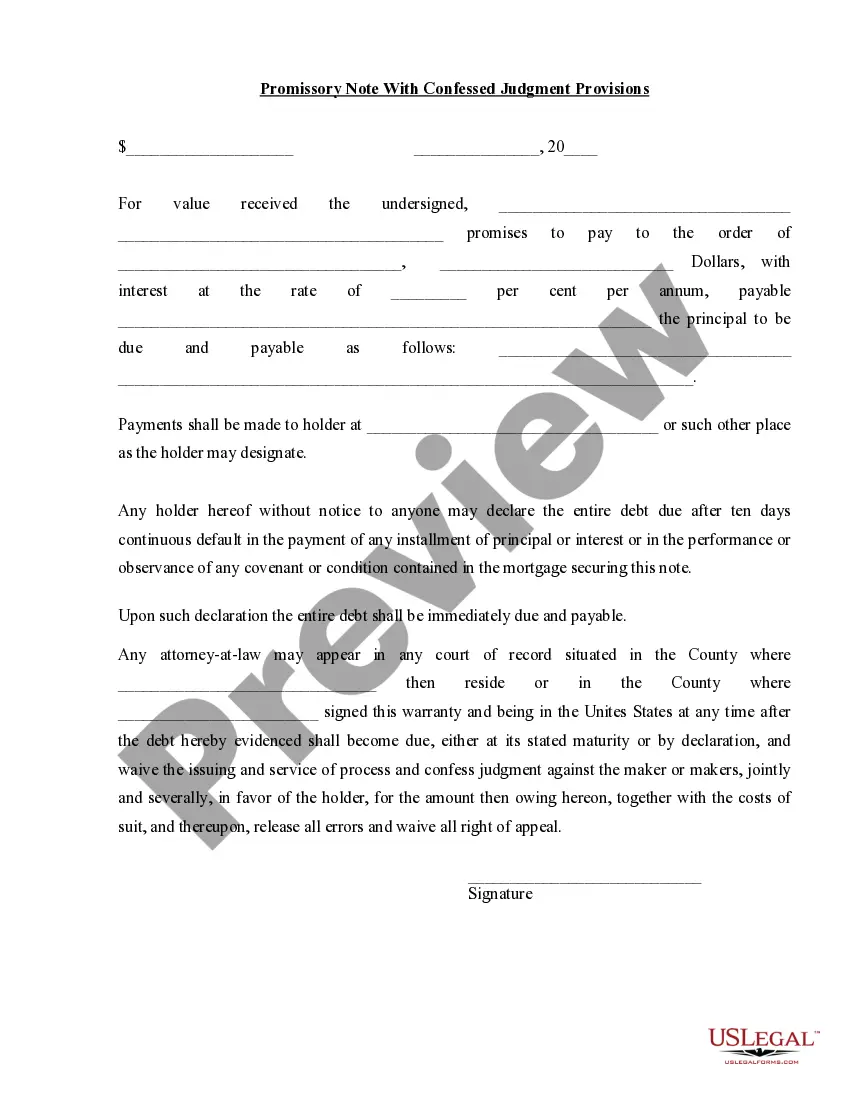
Get your form ready online
Our built-in tools help you complete, sign, share, and store your documents in one place.
Make edits, fill in missing information, and update formatting in US Legal Forms—just like you would in MS Word.
Download a copy, print it, send it by email, or mail it via USPS—whatever works best for your next step.
Sign and collect signatures with our SignNow integration. Send to multiple recipients, set reminders, and more. Go Premium to unlock E-Sign.
If this form requires notarization, complete it online through a secure video call—no need to meet a notary in person or wait for an appointment.
We protect your documents and personal data by following strict security and privacy standards.

Make edits, fill in missing information, and update formatting in US Legal Forms—just like you would in MS Word.

Download a copy, print it, send it by email, or mail it via USPS—whatever works best for your next step.

Sign and collect signatures with our SignNow integration. Send to multiple recipients, set reminders, and more. Go Premium to unlock E-Sign.

If this form requires notarization, complete it online through a secure video call—no need to meet a notary in person or wait for an appointment.

We protect your documents and personal data by following strict security and privacy standards.
Looking for another form?








Form popularity
FAQ
Unpaid credit cards fall into the “civil debt” category and are not punishable by jail time. However, criminal offenses related to financial affairs, like tax evasion, could land you in jail. It's important to know that ignoring judgments against you could result in serious legal consequences, including jail time.
541.053 LIMITATION OF ACTIONS BASED ON CONSUMER DEBT. Notwithstanding section 541.31, subdivision 1, actions upon an obligation arising out of a consumer debt primarily for personal, family, or household purposes shall be commenced within six years.
The most common ways you may find out that there are outstanding judgements against you in one of the following ways: letter in the mail or phone call from the collection attorneys; garnishee notice from your payroll department; freeze on your bank account; or.
Call us. Call 612-348-3000, Monday through Friday, 8 a.m. to p.m.
After you win a judgment, you must then have the judgment docketed. This process is sometimes called “transcribing the judgment.” You can docket a judgment by filing an Affidavit of Identification of Judgment Debtor form with court administration in the county where you were awarded the judgment.
A Notice of Entry and Docketing of Judgment means that the creditor has already sued you in court and won a judgment. This sets them up to be able to legally garnish your wages or bank account. Most district courts require the judgment to be docketed for a 30 day period before they can start any collection actions.
All judgments and court records are filed in the County Clerk Office in the County where the lawsuit was filed. You can go in person to the County Clerk Office in the County where you live to ask if a judgment has been entered against you. Most counties also allow you to search online.
After you win a judgment, you must then have the judgment docketed. This process is sometimes called “transcribing the judgment.” You can docket a judgment by filing an Affidavit of Identification of Judgment Debtor form with court administration in the county where you were awarded the judgment.
If you believe that the debts are not yours, tell the collectors this, and instruct them to stop calling. You could say to just communicate with you in writing. If they keep calling, they're in violation of the Fair Debt Collection Practices Act, and you can sue.

