Bond Forgery Crime In Kings
Description




Get your form ready online
Our built-in tools help you complete, sign, share, and store your documents in one place.
Make edits, fill in missing information, and update formatting in US Legal Forms—just like you would in MS Word.
Download a copy, print it, send it by email, or mail it via USPS—whatever works best for your next step.
Sign and collect signatures with our SignNow integration. Send to multiple recipients, set reminders, and more. Go Premium to unlock E-Sign.
If this form requires notarization, complete it online through a secure video call—no need to meet a notary in person or wait for an appointment.
We protect your documents and personal data by following strict security and privacy standards.

Make edits, fill in missing information, and update formatting in US Legal Forms—just like you would in MS Word.

Download a copy, print it, send it by email, or mail it via USPS—whatever works best for your next step.

Sign and collect signatures with our SignNow integration. Send to multiple recipients, set reminders, and more. Go Premium to unlock E-Sign.

If this form requires notarization, complete it online through a secure video call—no need to meet a notary in person or wait for an appointment.

We protect your documents and personal data by following strict security and privacy standards.
Looking for another form?







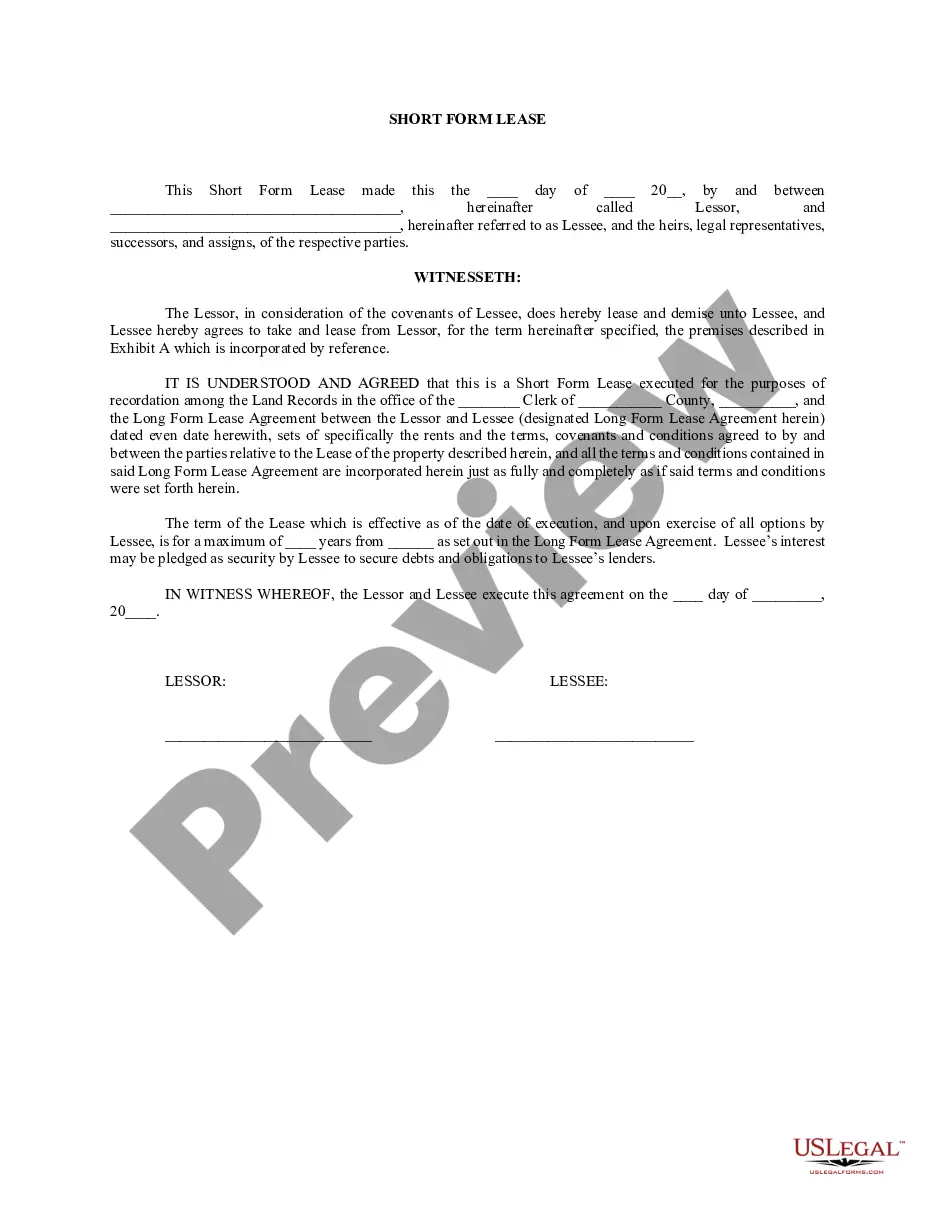

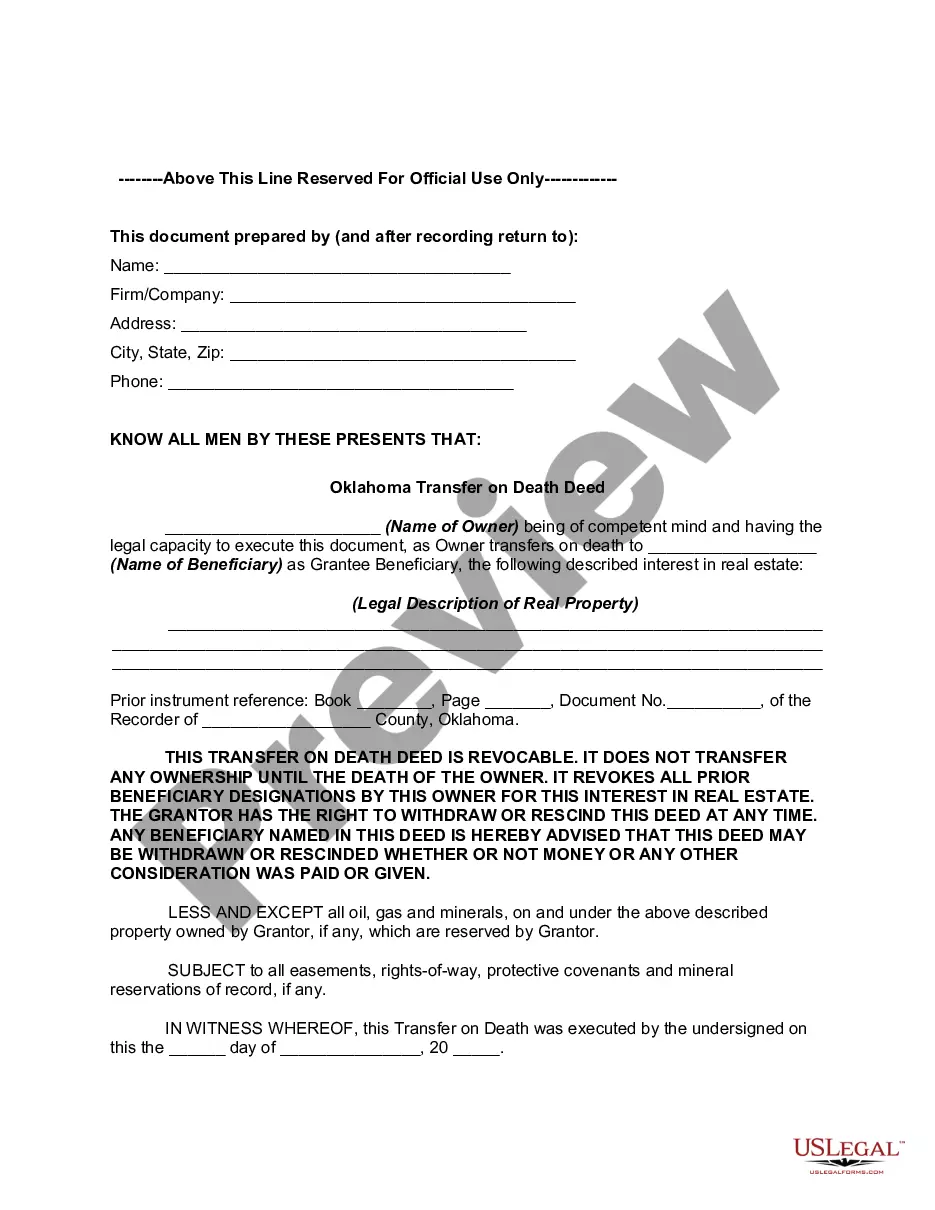
Form popularity
FAQ
What are the three types of forgery? Three common types of forgery are signature forgery, art forgery, and document forgery. Each of these types of forgery involves different methods of creating or altering documents, signifiers, and objects with the intent to deceive.
The first two degrees are felonies and the third degree amounts to a misdemeanor. The first degree forgery involves the actual presentation or use of any falsely made, altered or possessed document with the intent to deceive or defraud. The second degree forgery does not require use or presentation of the documents.
Under our law, a person is guilty of Forgery in the First Degree when, with intent to defraud, deceive or injure another, he or she falsely makes, completes or alters a written instrument which is or purports to be or which is calculated to become or to represent if completed (specify appropriate instrument as set ...
What to do After Being Charged with Forgery Contact a California Defense Attorney. Your defense lawyer can also explain the charges and potential penalties so you can fully understand what to expect. Stay Calm and Cooperative. Document Whenever Possible. Crimes Associated with Forgery.
Second-degree possession generally refers to forged instruments with moderate value but are not as serious as first-degree offenses. Examples might include: Forged checks or credit card receipts. driver's licenses or state IDs.
Forgery isn't just a civil issue—it's also a criminal offense in California. Anyone caught forging a will can face serious legal consequences, including criminal charges, fines, and even imprisonment.
A person commits the crime of criminal possession of a forged instrument in the third degree if he/she possesses or utters any forged instrument which is or purports to be, or which is calculated to become or to represent if completed, an assignment or a check, draft, note, or other commercial instrument which does or ...
New York Consolidated Laws, Penal Law - PEN § 170.15 Forgery in the first degree. 2. Part of an issue of stock, bonds or other instruments representing interests in or claims against a corporate or other organization or its property. Forgery in the first degree is a class C felony.
