Bail Definition For Law In Kings
Description




Get your form ready online
Our built-in tools help you complete, sign, share, and store your documents in one place.
Make edits, fill in missing information, and update formatting in US Legal Forms—just like you would in MS Word.
Download a copy, print it, send it by email, or mail it via USPS—whatever works best for your next step.
Sign and collect signatures with our SignNow integration. Send to multiple recipients, set reminders, and more. Go Premium to unlock E-Sign.
If this form requires notarization, complete it online through a secure video call—no need to meet a notary in person or wait for an appointment.
We protect your documents and personal data by following strict security and privacy standards.

Make edits, fill in missing information, and update formatting in US Legal Forms—just like you would in MS Word.

Download a copy, print it, send it by email, or mail it via USPS—whatever works best for your next step.

Sign and collect signatures with our SignNow integration. Send to multiple recipients, set reminders, and more. Go Premium to unlock E-Sign.

If this form requires notarization, complete it online through a secure video call—no need to meet a notary in person or wait for an appointment.

We protect your documents and personal data by following strict security and privacy standards.
Looking for another form?






Form popularity
FAQ
Bail is the process by which any person arrested and detained for an offence is released from custody either on the undertaking of a surety or on his own recognizance to appear on a future date.
To set at liberty a person arrested or imprisoned, on security being taken for his appearance on a day and a place certain, which security is called “bail,” because the party arrested or imprisoned is delivered into the hands of those who bind themselves for his forthcoming, (that is, become bail for his due appearance ...
The historical inquiry illuminates three key facts. First, the black-letter law of bail in the Founding era was highly protective of pretrial liberty. A uniquely American framework for bail guaranteed release, in theory, for nearly all accused persons.
Factors That Influence Bail Cost Bail of $500,000 or more is not uncommon for serious crimes such as murder, rape, or aggravated assault. It is often based on the type and severity of the charges in criminal defense, as well as the defendant's criminal history and flight risk.
The amount of bail required depends on the severity of the crime, as well as enhancements such as using a firearm during the alleged crime, having a prison prior within the last ten years and prior sex offenses when the crime at issue is another sex offense. Bail also varies by county.
Judges determine bail and exercise discretion in determining the appropriate bail. They consider the accused's rights and the community's safety. This decision directly impacts the accused's ability to prepare for his/her defense and navigate the legal system from a position of freedom.
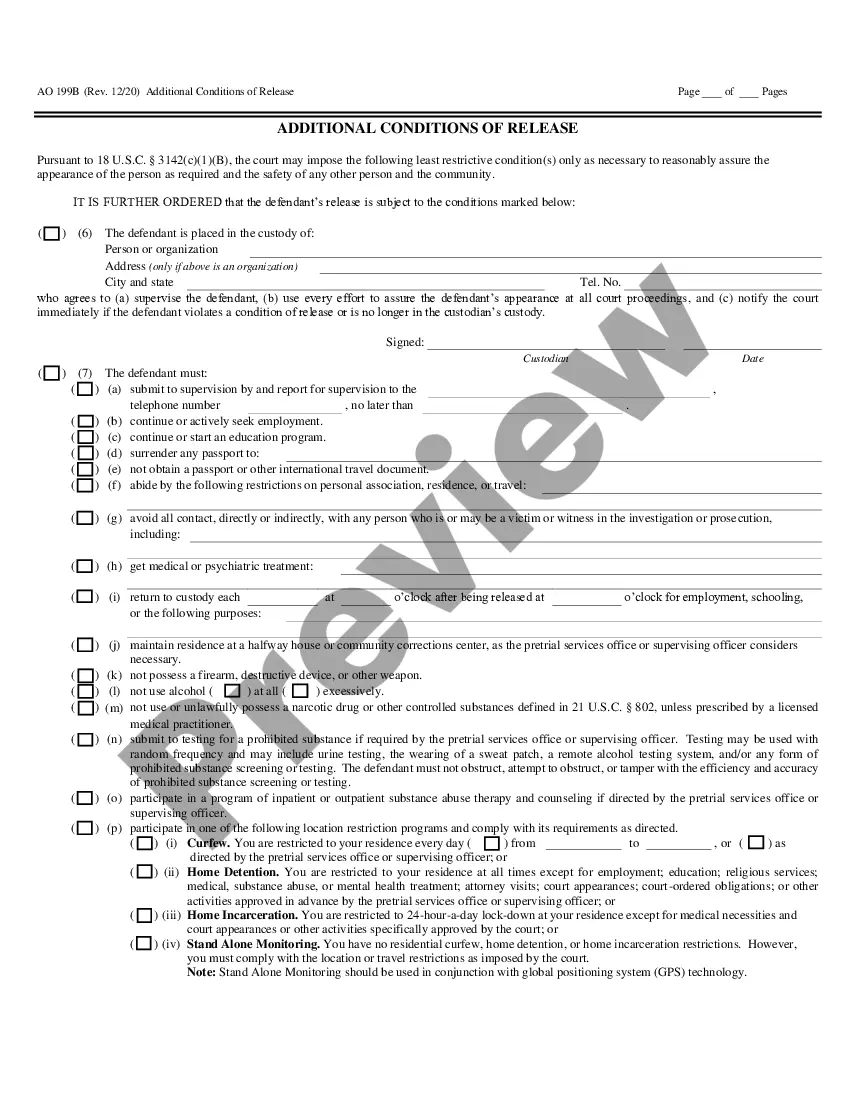
Bail. In criminal law, bail is the process of releasing a defendant from jail or other governmental custody with conditions set to reasonably assure public safety and court appearance.
The amount of bail required depends on the severity of the crime, as well as enhancements such as using a firearm during the alleged crime, having a prison prior within the last ten years and prior sex offenses when the crime at issue is another sex offense. Bail also varies by county.
Most bond agreements include travel restrictions, confining you to a specific geographic area such as your county or state. These limitations are designed to ensure your availability for court dates. If travel is necessary, you must seek prior approval from the court or your bail bondsman.
Factors considered include the seriousness of the charges, the defendant's criminal history, ties to the community, and their financial situation. Pretrial Services Report – The judge may also review a report that the pretrial services agency prepares.
