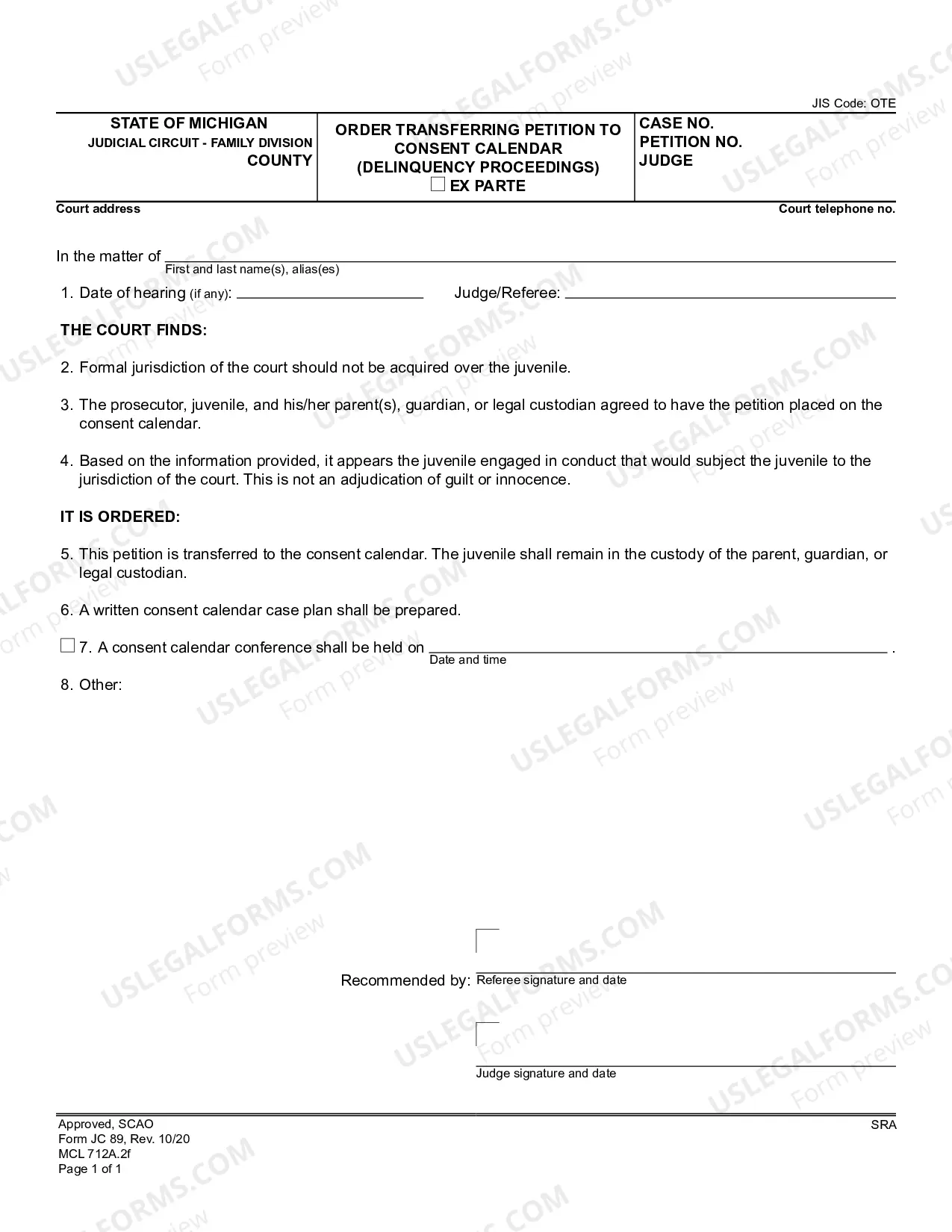
Bail Definition For Law In California
Description




Get your form ready online
Our built-in tools help you complete, sign, share, and store your documents in one place.
Make edits, fill in missing information, and update formatting in US Legal Forms—just like you would in MS Word.
Download a copy, print it, send it by email, or mail it via USPS—whatever works best for your next step.
Sign and collect signatures with our SignNow integration. Send to multiple recipients, set reminders, and more. Go Premium to unlock E-Sign.
If this form requires notarization, complete it online through a secure video call—no need to meet a notary in person or wait for an appointment.
We protect your documents and personal data by following strict security and privacy standards.

Make edits, fill in missing information, and update formatting in US Legal Forms—just like you would in MS Word.

Download a copy, print it, send it by email, or mail it via USPS—whatever works best for your next step.

Sign and collect signatures with our SignNow integration. Send to multiple recipients, set reminders, and more. Go Premium to unlock E-Sign.

If this form requires notarization, complete it online through a secure video call—no need to meet a notary in person or wait for an appointment.

We protect your documents and personal data by following strict security and privacy standards.
Looking for another form?



Form popularity
FAQ
Setting bail in California requires judges to release defendants before trial on affordable bail or with nonfinancial conditions of release unless the judge concludes, based on clear and convincing evidence, that these alternatives will not reasonably protect the public and the victim, or reasonably assure the ...
Why is the total bail list "Ineligible for Bail"? If an inmate has any "No Bail" charges or warrants, or any types of Holds, the inmate will not be able to be bailed out of jail until the holds have been cleared or bail has been set by the court.
Calculating a bail bond in California is done by setting the severity of the crimes, and it can be increased or decreased by a judge upon a more individualized evaluation of the person's likelihood of returning to court and being a public safety danger. But it also varies by county and city.
The bail amount is usually determined at the person's first court appearance, commonly referred as the arraignment stage. A judge has the option to either release a person on their own recognizance (OR) with a promise to appear at their next court appearance, or deny a person's OR and set bail.
Some examples of typical bail amounts for common crimes are: Petty theft: $50 to $1,000. DUI: $500 to $10,000. Assault: $1,000 to $50,000. Murder: $1 million or more.
When the bail amount is set at $100,000, it often means the alleged offense is considered serious. 2. Securing a Bail Bond: For a $100,000 bail, the defendant or their family might not have the full amount readily available. This is where a bail bond service like A Way Out Bail Bonds comes into play.
