Bail With Conditions In Bronx
Description

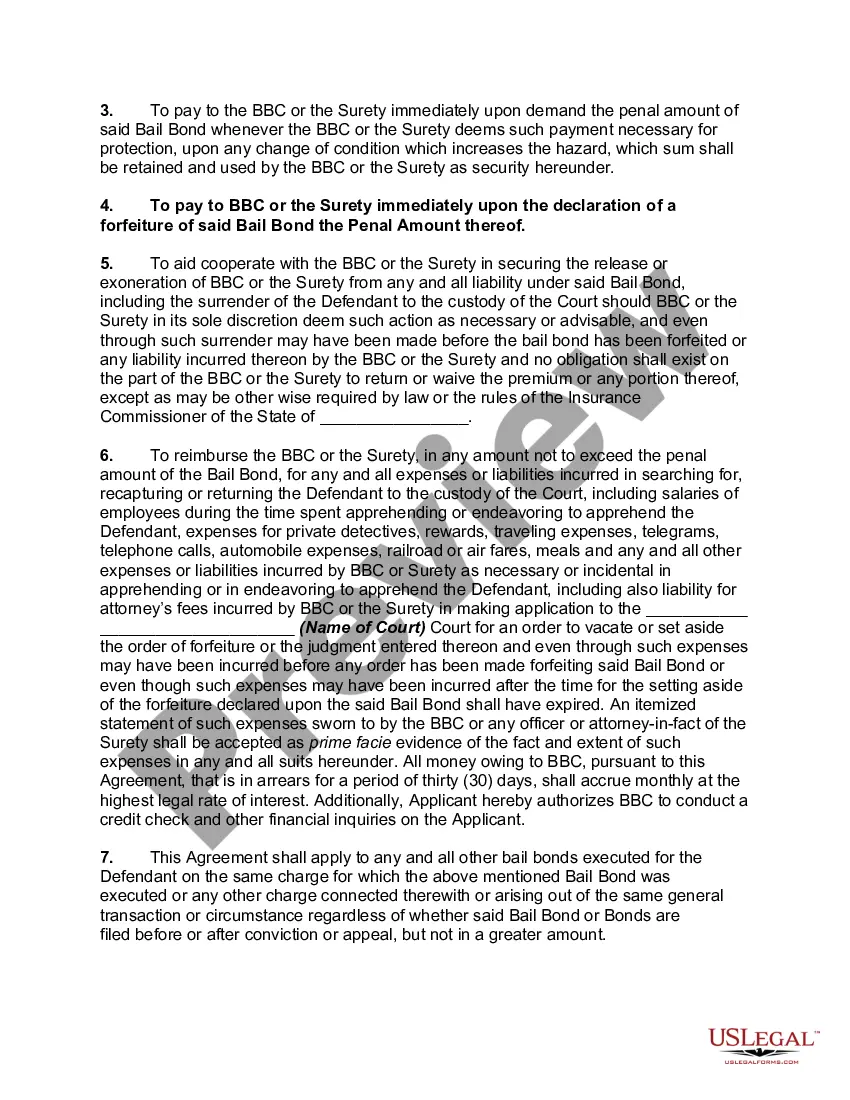

Get your form ready online
Our built-in tools help you complete, sign, share, and store your documents in one place.
Make edits, fill in missing information, and update formatting in US Legal Forms—just like you would in MS Word.
Download a copy, print it, send it by email, or mail it via USPS—whatever works best for your next step.
Sign and collect signatures with our SignNow integration. Send to multiple recipients, set reminders, and more. Go Premium to unlock E-Sign.
If this form requires notarization, complete it online through a secure video call—no need to meet a notary in person or wait for an appointment.
We protect your documents and personal data by following strict security and privacy standards.

Make edits, fill in missing information, and update formatting in US Legal Forms—just like you would in MS Word.

Download a copy, print it, send it by email, or mail it via USPS—whatever works best for your next step.

Sign and collect signatures with our SignNow integration. Send to multiple recipients, set reminders, and more. Go Premium to unlock E-Sign.

If this form requires notarization, complete it online through a secure video call—no need to meet a notary in person or wait for an appointment.

We protect your documents and personal data by following strict security and privacy standards.
Looking for another form?








Form popularity
FAQ
No - if you signed the bond it doesn't matter whether you have a job or not - or whether the bondsman asked you if you did. You are liable as surety on the bond - having a job or not has nothing to do with your liability. Sorry.
Most bond agreements include travel restrictions, confining you to a specific geographic area such as your county or state. These limitations are designed to ensure your availability for court dates. If travel is necessary, you must seek prior approval from the court or your bail bondsman.
You need to file a motion to amend bond conditions with the court. You should at least consult with a local criminal defense attorney (if you are not already represented by someone) to discuss the issues the court will consider, and the best way to address those issues.
Bailing someone out of jail who has a history of untrustworthy behavior can create headaches. You're essentially agreeing to put up 10 percent of a bail bond that could be tens of thousands — or even hundreds of thousands — of dollars. If they fail to show, then you went to all that extra trouble for nothing.
To request a Certificate of Disposition, mail the following items: Completed Request form. Payment of $5.00 payable to CITY OF BUFFALO. A self-addressed and stamped envelope.
To request a Certificate of Disposition bring the following items to the Central Clerk's Office in the court in which your case was processed: Defendant's full name and date of birth • Docket Number (if you know it) • Picture I.D. $10.00 (exact change only). If you are receiving public benefits, present your valid N.Y.
A certified disposition can only be issued by the court where the case took place. Courts have different procedures and requirements for how to get a certified disposition. Some courts may require that you make your request in person, while others may honor requests made by mail, phone, or online.
The Bail Eligible Offenses, 2020 Reform Edition Generally, most misdemeanors (but not sex offenses and domestic violence charges); felony drug charges (aside from Operating as a Major Trafficker, PL 220.77; and non-violent felony charges (with exceptions noted above).
The limit varies from state to state, and some states may not have any statutory limits. For example, in California, there is no statutory limit for most crimes. However, in some states, such as Alabama, there are caps on bail amounts for certain types of offenses.
