Alimony For Spouse In Miami-Dade
Description

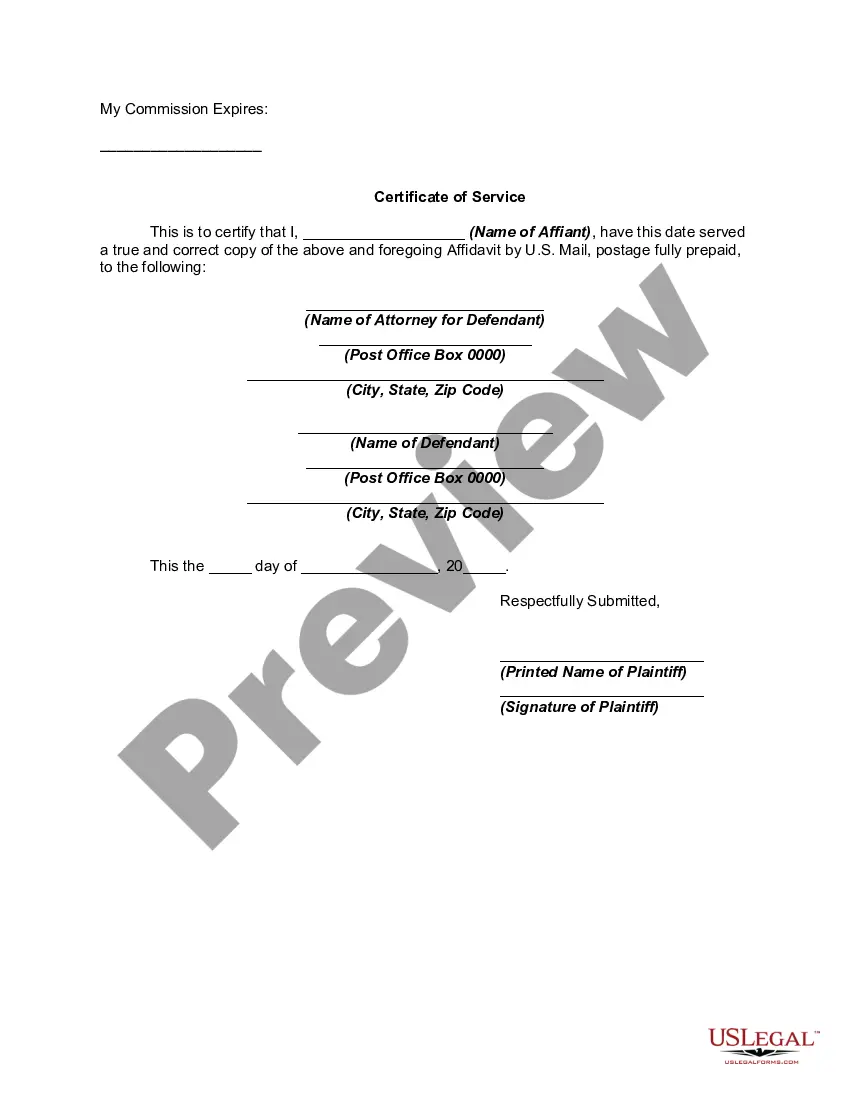




Get your form ready online
Our built-in tools help you complete, sign, share, and store your documents in one place.
Make edits, fill in missing information, and update formatting in US Legal Forms—just like you would in MS Word.
Download a copy, print it, send it by email, or mail it via USPS—whatever works best for your next step.
Sign and collect signatures with our SignNow integration. Send to multiple recipients, set reminders, and more. Go Premium to unlock E-Sign.
If this form requires notarization, complete it online through a secure video call—no need to meet a notary in person or wait for an appointment.
We protect your documents and personal data by following strict security and privacy standards.

Make edits, fill in missing information, and update formatting in US Legal Forms—just like you would in MS Word.

Download a copy, print it, send it by email, or mail it via USPS—whatever works best for your next step.

Sign and collect signatures with our SignNow integration. Send to multiple recipients, set reminders, and more. Go Premium to unlock E-Sign.

If this form requires notarization, complete it online through a secure video call—no need to meet a notary in person or wait for an appointment.

We protect your documents and personal data by following strict security and privacy standards.
Looking for another form?








Form popularity
FAQ
What qualifies a recipient spouse for alimony in Florida are several factors, among them: The standard of living established during the marriage. The length of the marriage. Both spouse's financial resources, including the non-marital, marital property, assets, and liabilities.
The Florida Alimony Reform 2023 brought significant changes to how alimony is handled in the state. The most notable change is the elimination of permanent alimony. This means that courts can no longer award alimony that lasts indefinitely. Instead, the focus is on limited-term support.
What do I do if I want alimony? You can ask for alimony as part of a divorce proceeding. If you and your spouse reach an agreement about alimony, you can ask the judge to make the agreement a part of the court order. If you cannot reach an agreement, the judge will decide whether you are entitled to alimony.
What qualifies a recipient spouse for alimony in Florida are several factors, among them: The standard of living established during the marriage. The length of the marriage. Both spouse's financial resources, including the non-marital, marital property, assets, and liabilities.
In July of 2023, Florida Governor Ron DeSantis signed measure SB 1416, significantly revising alimony law in Florida. The new law effectively prohibits permanent alimony rulings following a divorce.
Reasons Alimony May Be Terminated There are many types of alimony, each awarding different amounts for different durations. However, even in cases of permanent alimony, these payments aren't necessarily meant to last forever. Upon significant changes in circumstances, alimony payments can be terminated.
Permanent alimony is a system of alimony payments that lasts until the recipient dies or gets remarried. In Florida, permanent alimony was eliminated in July 2023. Now, instead of lifetime payments, all general alimony is durational. But state courts can still order bridge-the-gap and rehabilitative alimony.
Permanent alimony is a system of alimony payments that lasts until the recipient dies or gets remarried. In Florida, permanent alimony was eliminated in July 2023. Now, instead of lifetime payments, all general alimony is durational. But state courts can still order bridge-the-gap and rehabilitative alimony.
