Alimony Foreign Spouse In Fairfax
Description

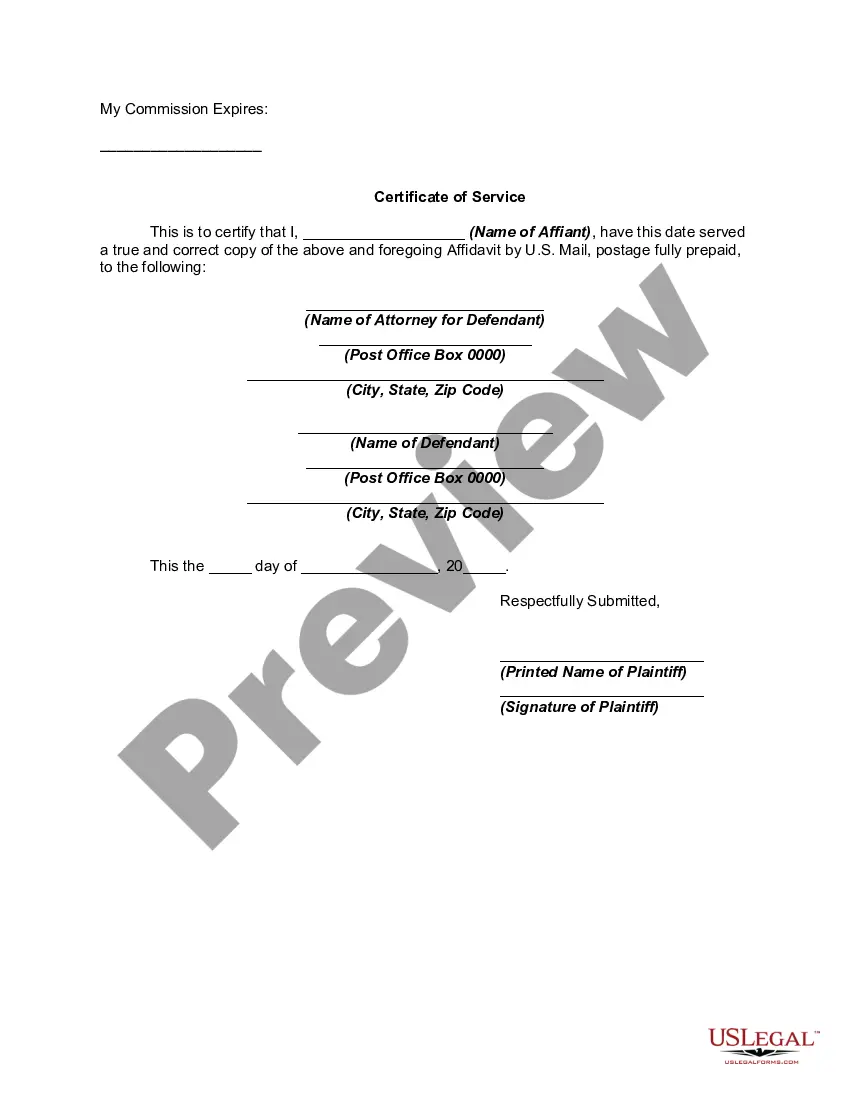




Get your form ready online
Our built-in tools help you complete, sign, share, and store your documents in one place.
Make edits, fill in missing information, and update formatting in US Legal Forms—just like you would in MS Word.
Download a copy, print it, send it by email, or mail it via USPS—whatever works best for your next step.
Sign and collect signatures with our SignNow integration. Send to multiple recipients, set reminders, and more. Go Premium to unlock E-Sign.
If this form requires notarization, complete it online through a secure video call—no need to meet a notary in person or wait for an appointment.
We protect your documents and personal data by following strict security and privacy standards.

Make edits, fill in missing information, and update formatting in US Legal Forms—just like you would in MS Word.

Download a copy, print it, send it by email, or mail it via USPS—whatever works best for your next step.

Sign and collect signatures with our SignNow integration. Send to multiple recipients, set reminders, and more. Go Premium to unlock E-Sign.

If this form requires notarization, complete it online through a secure video call—no need to meet a notary in person or wait for an appointment.

We protect your documents and personal data by following strict security and privacy standards.
Looking for another form?








Form popularity
FAQ
One of the most significant disqualifying factors for alimony in Virginia is adultery. If you've been unfaithful during your marriage, you may lose your right to receive spousal support. Other fault-based grounds for divorce, such as cruelty or desertion, can also impact alimony decisions.
You can start a spousal support case in Virginia Juvenile & Domestic Relations district courts by filing a petition. Find your local J&DR district court at this page, with links to each local court. The local J&DR district court can provide you more information about how to file a spousal support petition.
A spouse is more likely to receive an award of spousal support with no defined duration, where spousal support will continue until death of either party or remarriage, if there was a long-term marriage and the spouse seeking support is nearing or at retirement age, or unable to become sufficiently employed to provide ...
However, adultery is not necessarily a complete bar to the adulterous spouse receiving spousal support in Virginia. Rather, the court may still award the adulterous spouse support in some cases, based on (1) the relative finances of the parties and (2) the relative degrees of “fault” of the parties.
Spousal support is not automatically granted during a divorce. The party who believes they are entitled to payments from their ex must request it during the divorce process.
There is no fixed rule or set duration that automatically makes one spouse eligible or ineligible for alimony payments. However, marriage length is a crucial factor judges consider when determining whether to award alimony and, if so, how much and for how long.
How do you file for divorce if you're in the U.S. and your spouse is overseas? Serve the petition. Prepare your divorce papers, making sure all information is accurate and complete. Submit your divorce papers to the central authority in your spouse's country. File papers with the court.
Countries including Australia, Canada, Germany, Mexico, and the U.K. regularly work with U.S. courts to enforce alimony orders across international borders. However, enforcing an international alimony order may take more time than enforcing a domestic one.
In Scotland, Sweden, Finland and New Zealand, financial independence for both spouses is at the heart of the court's approach and the obligation to maintain a spouse is not imposed, save for a short period or in exceptional circumstances.
