Alimony Calculator For Florida In Texas
Description

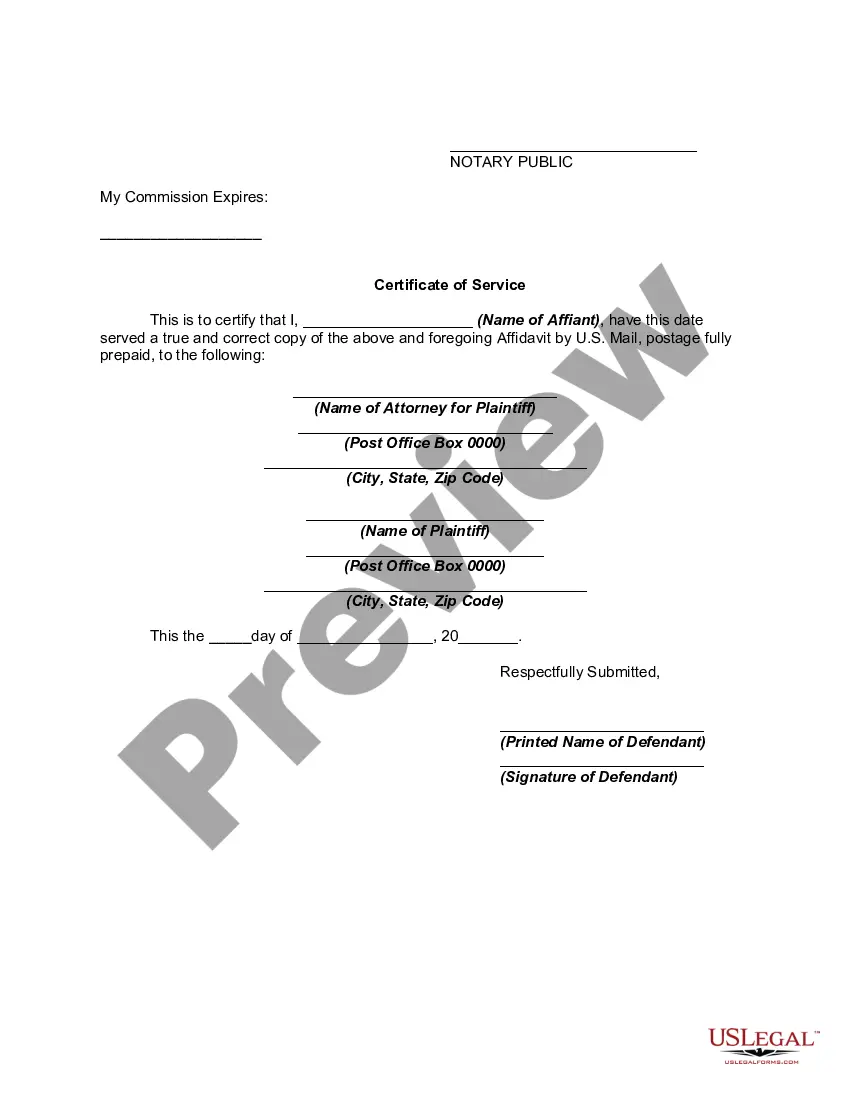




Get your form ready online
Our built-in tools help you complete, sign, share, and store your documents in one place.
Make edits, fill in missing information, and update formatting in US Legal Forms—just like you would in MS Word.
Download a copy, print it, send it by email, or mail it via USPS—whatever works best for your next step.
Sign and collect signatures with our SignNow integration. Send to multiple recipients, set reminders, and more. Go Premium to unlock E-Sign.
If this form requires notarization, complete it online through a secure video call—no need to meet a notary in person or wait for an appointment.
We protect your documents and personal data by following strict security and privacy standards.

Make edits, fill in missing information, and update formatting in US Legal Forms—just like you would in MS Word.

Download a copy, print it, send it by email, or mail it via USPS—whatever works best for your next step.

Sign and collect signatures with our SignNow integration. Send to multiple recipients, set reminders, and more. Go Premium to unlock E-Sign.

If this form requires notarization, complete it online through a secure video call—no need to meet a notary in person or wait for an appointment.

We protect your documents and personal data by following strict security and privacy standards.
Looking for another form?



Form popularity
FAQ
In Texas, some things can disqualify you from spousal support. These include: Cohabitation: If you live with someone else in a marriage-like relationship, you may be disqualified for spousal support. Remarriage: If you remarry before your spousal support obligation ends, you may be disqualified for further payments.
In order to be eligible, the spouse seeking maintenance must lack sufficient property once the divorce is final (including separate property) to provide for her minimum reasonable needs.
Under Florida law, courts may enforce alimony provisions from out-of-state divorce agreements but are limited in their authority to modify these obligations.
Texas courts only order permanent spousal support in cases where a spouse or child is disabled. A couple can agree to spousal support lasting longer than 10 years as part of a settlement. In most cases, courts limit the timeframe based on how long the marriage lasted: 10-20 years – no more than 5 years.
Caps on Terms of Alimony Florida's new law institutes caps on alimony terms for rehabilitative alimony and durational alimony: Rehabilitative alimony is now capped at 5 years. For marriages lasting 3 to 10 years, durational alimony can't exceed 50% of the marriage's length.
40% of the high earner's net monthly income minus 50% of the low earner's net monthly income. For instance, if Spouse A earns $5,000 per month and Spouse B earns $2,500 per month, temporary spousal support might be calculated as follows: 40% of $5,000 = $2,000. 50% of $2,500 = $1,250.
What qualifies a recipient spouse for alimony in Florida are several factors, among them: The standard of living established during the marriage. The length of the marriage. Both spouse's financial resources, including the non-marital, marital property, assets, and liabilities.
