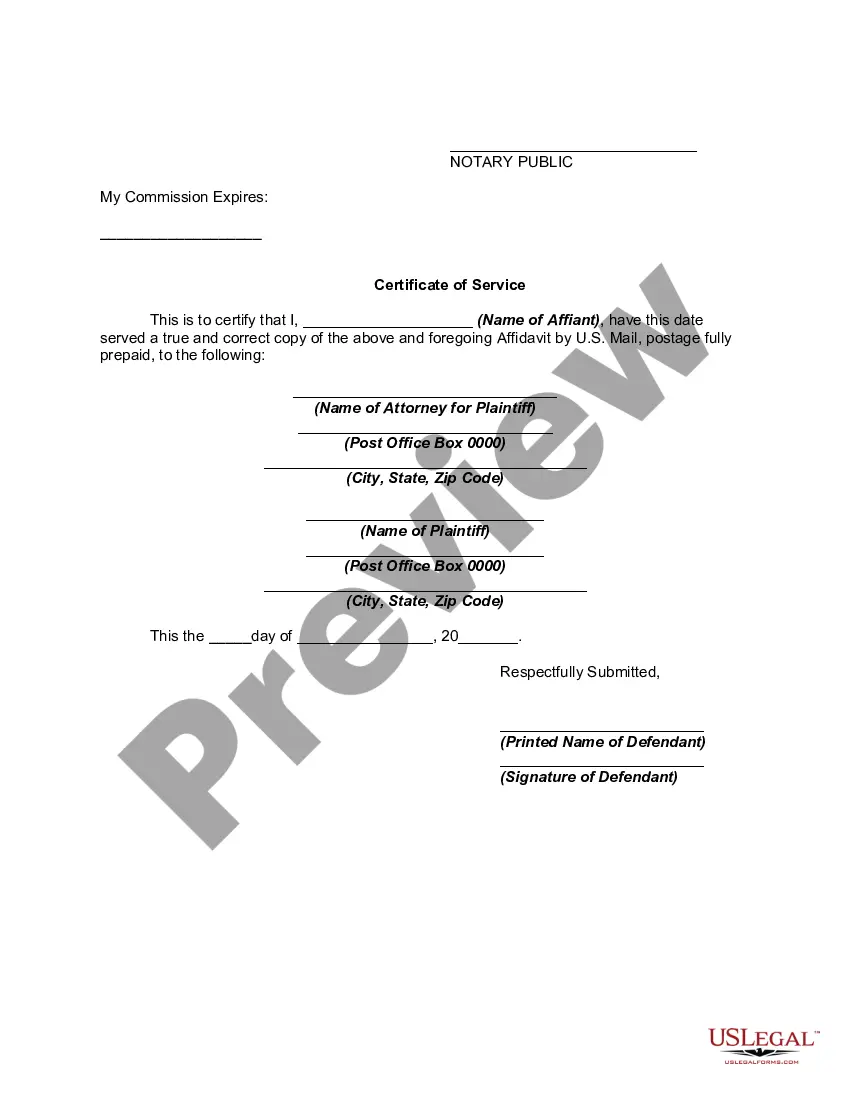
This is a generic Affidavit to accompany a Motion to amend or strike alimony provisions of a divorce decree because of the obligor spouse's changed financial condition. This form is a generic example that may be referred to when preparing such a form for your particular state. It is for illustrative purposes only. Local laws should be consulted to determine any specific requirements for such a form in a particular jurisdiction.
Motion To Strike In Divorce Case In Pennsylvania
Category:
State:
Multi-State
Control #:
US-00004BG-I
Format:
Word;
PDF;
Rich Text
Instant download
Description
Free preview






Form popularity
FAQ
Primary tabs. A motion to strike is a request to a judge that part of a party's pleading or a piece of evidence be removed from the record.
File a response to the motion to strike. In your response, you should argue that your answer to the defendant's motion for summary judgment was not too long and that it added new information to the case. You should also argue that the defendant's motion to strike should be denied.
A motion to strike is a request by one party in a United States trial requesting that the presiding judge order the removal of all or part of the opposing party's pleading to the court.
If the two sides cannot reach an agreement, the defendant has to file and serve the demurrer or motion to strike within the deadline (usually 30 days) for responding to the Complaint. The other side then gets a chance to file a response before a court date where the judge will make a decision.
A motion to strike is a request to a judge that part of a party's pleading or a piece of evidence be removed from the record. During the pleading stage, this can be accomplished by a tool such as Rule 12(f) of the Federal Rules of Civil Procedure or a state equivalent.
The consequences of the motion: A motion to enforce, if approved, inflicts no punishment on the non-compliant party and instead serves as a reminder to fulfill their legal duties. Alternatively, a motion for contempt can result in jail time or fines for not following a verdict.
Enforcing a divorce decree in 5 steps Determine which provisions of the decree your ex-spouse has violated. Talk to your ex-spouse about their obligations. Gather documentation to support your claim of noncompliance. Contact your Clerk of Courts or state's judicial self-help resource to obtain forms.
The Federal Rules of Civil Procedure states that "The court may strike from a pleading an insufficient defense or any redundant, immaterial, impertinent, or scandalous matter." Similarly, for example, the California Code of Civil Procedure provides that a motion to strike may be made to strike out any "irrelevant, ...
Motion to strike, dismiss or amplify. (a) A party deeming a pleading insufficient in form may file with the Commission a motion to strike. A party deeming a pleading insufficient in substance, or desiring to question the jurisdiction of the Commission, may file with the Commission a motion to dismiss.
What is a Default Divorce in California? If due diligence fails and the spouse successfully avoids the attempts to serve the papers, the process moves into a default divorce process.