Surviving Spouse Requirements In Ohio
Description

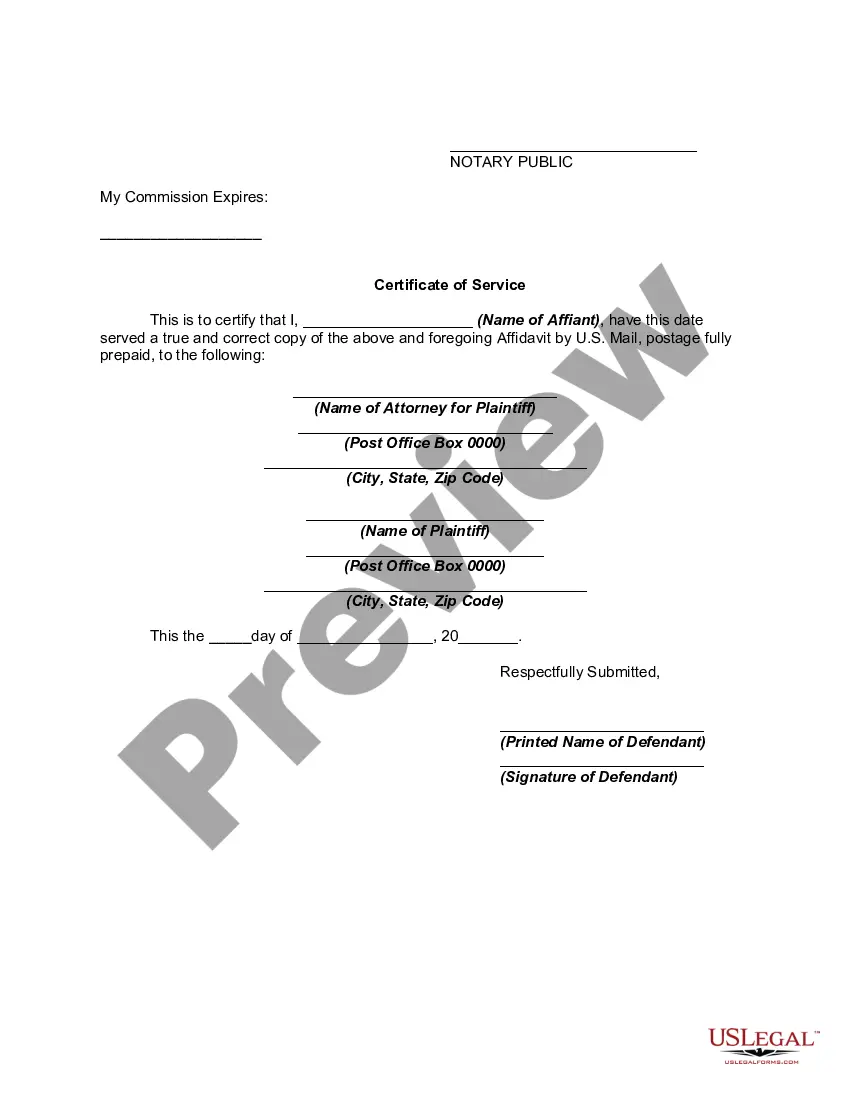




Get your form ready online
Our built-in tools help you complete, sign, share, and store your documents in one place.
Make edits, fill in missing information, and update formatting in US Legal Forms—just like you would in MS Word.
Download a copy, print it, send it by email, or mail it via USPS—whatever works best for your next step.
Sign and collect signatures with our SignNow integration. Send to multiple recipients, set reminders, and more. Go Premium to unlock E-Sign.
If this form requires notarization, complete it online through a secure video call—no need to meet a notary in person or wait for an appointment.
We protect your documents and personal data by following strict security and privacy standards.

Make edits, fill in missing information, and update formatting in US Legal Forms—just like you would in MS Word.

Download a copy, print it, send it by email, or mail it via USPS—whatever works best for your next step.

Sign and collect signatures with our SignNow integration. Send to multiple recipients, set reminders, and more. Go Premium to unlock E-Sign.

If this form requires notarization, complete it online through a secure video call—no need to meet a notary in person or wait for an appointment.

We protect your documents and personal data by following strict security and privacy standards.
Looking for another form?









Form popularity
FAQ
In non-community-property states, a formal right of survivorship agreement or deed is required to give a spouse survivorship rights. You'll need to request the form from your county clerk or draft a document detailing the following about the property: Whether right of survivorship exists.
3) The “statutory share”. This generally allows the surviving spouse to keep one-half (1/2) of the net estate. However, if two (2) two or more of the deceased spouse's children (or their lineal descendants) survive the deceased spouse, then the surviving spouse would receive one-third (1/3) of the net estate.
Fill out the affidavit completely. Sign the document in front of a notary. Attach a "certified" copy of the death certificate. Also attach a "legal description" of the property to be transferred (a copy of the survivorship deed or transfer on death designation or deed will suffice).
The affidavit shall certify that the owner of a survivorship tenancy interest in the title to a parcel or parcels of registered land has died and recite the names of the surviving tenants, the current residence address of each surviving tenant, the date of death of the decedent, a description of the land, and the ...
Bring the original Certificate of Title with the WROS (With Rights of Survivorship) or TOD (Transfer On Death) designee and apply for a Certificate of Title as Surviving Spouse at the County Clerks of Court Title Office. A certified copy of the Death Certificate is also required.
Instructions for filling out deeds Read the entire form carefully. Enter all the names of the current owners of the property as the grantors on the deed. Enter all the names of the persons you want to be owners of the property as the grantees. Attach the legal description of the property from the prior deed.
When a spouse dies, the surviving individual is not automatically liable for his or her remaining debts. Generally, an Ohio resident is only liable for a spouse's debt if it was jointly held or if there was some sort of guarantee made on the balance.
Generally, a spouse can receive up to half of the estate. If there are more than two children to inherit from the estate, the elective share of the surviving spouse decreases to a third of the overall estate.
Spouses and ex-spouses You may be eligible if you: Are age 60 or older, or age 50–59 if you have a disability, and. Were married for at least 9 months before your spouse's death, and. Didn't remarry before age 60 (age 50 if you have a disability).
