Surviving Spouse Requirements In Alameda
Description

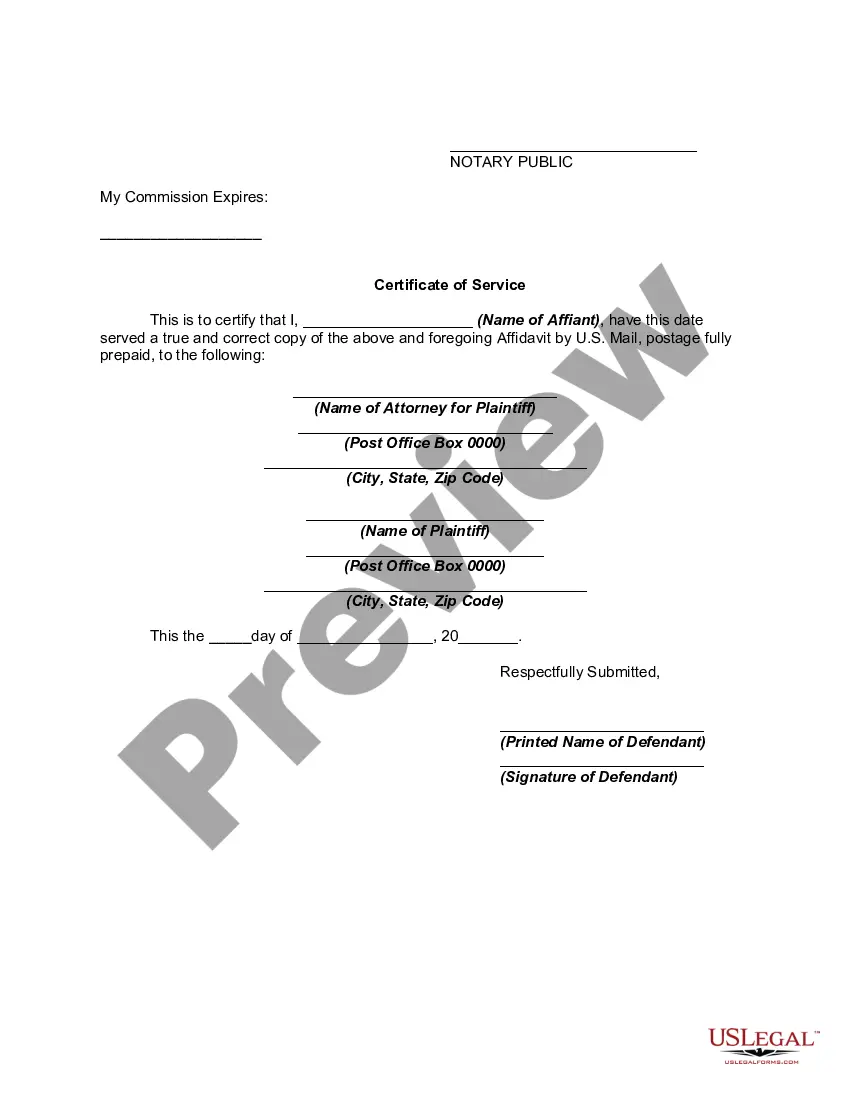




Get your form ready online
Our built-in tools help you complete, sign, share, and store your documents in one place.
Make edits, fill in missing information, and update formatting in US Legal Forms—just like you would in MS Word.
Download a copy, print it, send it by email, or mail it via USPS—whatever works best for your next step.
Sign and collect signatures with our SignNow integration. Send to multiple recipients, set reminders, and more. Go Premium to unlock E-Sign.
If this form requires notarization, complete it online through a secure video call—no need to meet a notary in person or wait for an appointment.
We protect your documents and personal data by following strict security and privacy standards.

Make edits, fill in missing information, and update formatting in US Legal Forms—just like you would in MS Word.

Download a copy, print it, send it by email, or mail it via USPS—whatever works best for your next step.

Sign and collect signatures with our SignNow integration. Send to multiple recipients, set reminders, and more. Go Premium to unlock E-Sign.

If this form requires notarization, complete it online through a secure video call—no need to meet a notary in person or wait for an appointment.

We protect your documents and personal data by following strict security and privacy standards.
Looking for another form?
Form popularity
FAQ
Except as provided in Sections 10582 and 10583, notice of proposed action shall be given to all of the following: (a) Each known devisee whose interest in the estate would be affected by the proposed action. (b) Each known heir whose interest in the estate would be affected by the proposed action.
All persons or entities (such as churches or other charities) named in the Will, including each person or corporation nominated as executor, and all persons who would be entitled to inherit as heirs by intestate succession (even if the decedent left a Will) are entitled to receive notice of the Petition for Probate.
All persons or entities (such as churches or other charities) named in the Will, including each person or corporation nominated as executor, and all persons who would be entitled to inherit as heirs by intestate succession (even if the decedent left a Will) are entitled to receive notice of the Petition for Probate.
A deceased person's estate will not be handled in probate court if there is a surviving spouse and the estate consists entirely of community property, or the deceased person's property is held in joint tenancy with another person.
Again, this should be done by the Executor if they were named in the Will. If there is no Will, or there is no named Executor, then the appropriate petition should be filed by an appropriate party, typically the surviving spouse, parent, adult child, or sibling.
A typical probate process in California takes a year to 18 months to settle. In some cases, it can be completed in as little as nine months, but this isn't a common occurrence. If there are any problems, the process can be prolonged for up to two years. How can you avoid a probate process that seems to go on and on?
California Probate Code Section 16061.7 sets forth the duty of a trustee or executor to provide notice to beneficiaries and heirs when there is a change in trusteeship or upon the creation of an irrevocable trust.
After 15 years, the surviving spouse is entitled to 50 percent.
Overview of Spousal Inheritance Rights in California In California, these rights are governed by specific laws and regulations that determine how the inheritance process works. In general, a spouse does not automatically inherit everything in California.