Motion To Strike Form For Summary Judgment In Alameda
Description

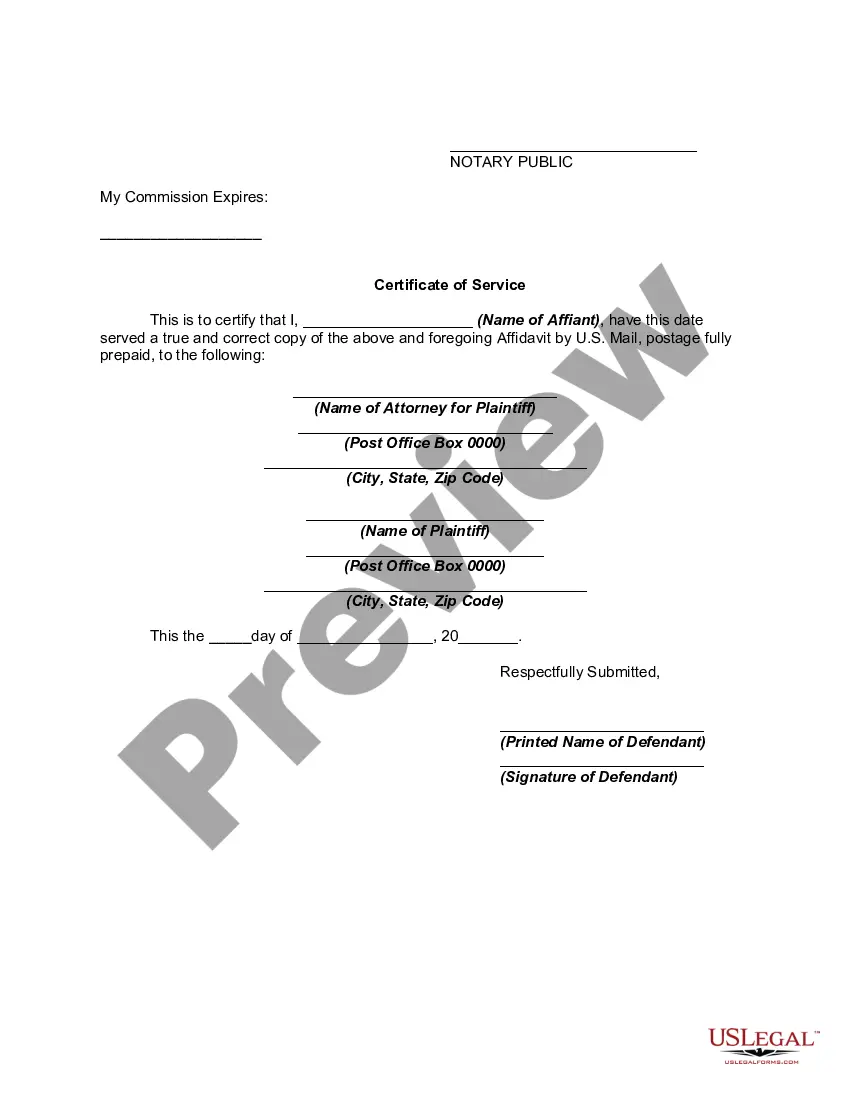




Get your form ready online
Our built-in tools help you complete, sign, share, and store your documents in one place.
Make edits, fill in missing information, and update formatting in US Legal Forms—just like you would in MS Word.
Download a copy, print it, send it by email, or mail it via USPS—whatever works best for your next step.
Sign and collect signatures with our SignNow integration. Send to multiple recipients, set reminders, and more. Go Premium to unlock E-Sign.
If this form requires notarization, complete it online through a secure video call—no need to meet a notary in person or wait for an appointment.
We protect your documents and personal data by following strict security and privacy standards.

Make edits, fill in missing information, and update formatting in US Legal Forms—just like you would in MS Word.

Download a copy, print it, send it by email, or mail it via USPS—whatever works best for your next step.

Sign and collect signatures with our SignNow integration. Send to multiple recipients, set reminders, and more. Go Premium to unlock E-Sign.

If this form requires notarization, complete it online through a secure video call—no need to meet a notary in person or wait for an appointment.

We protect your documents and personal data by following strict security and privacy standards.
Looking for another form?







Form popularity
FAQ
The Declaration is a sworn statement to the Court stating all of the declarant's facts supporting your Motion. These facts must come from the declarant's own personal knowledge of the events. The declarant should also explain how he or she obtained knowledge of the facts included in the Declaration.
C.C.P. § 436 allows for a motion to strike “any irrelevant, false, or improper matter asserted in any pleading” or portion of a pleading “not drawn of filed in conformity with the laws of this state.” A motion to strike is proper “when a substantive defect is clear from the face of a complaint.” (PH II, Inc.
(a) Except as permitted by statute, an applicable code of judicial ethics or code of judicial conduct, or standards governing employees of a tribunal, a lawyer shall not directly or indirectly give or lend anything of value to a judge, official, or employee of a tribunal.
The motion may be made at any time after 60 days have elapsed since the general appearance in the action or proceeding of each party against whom the motion is directed or at any earlier time after the general appearance that the court, with or without notice and upon good cause shown, may direct.
For in limine motions or matters on which the hearing will be two court days or fewer from filing, the courtesy copies shall be delivered the same day as filing. This rule does not apply to administrative records in writ proceedings.
(b) Declaration regarding notice (3) That, for reasons specified, the applicant should not be required to inform the opposing party.
(a) Fields occupied No trial court, or any division or branch of a trial court, may enact or enforce any local rule concerning these fields. All local rules concerning these fields are null and void unless otherwise permitted or required by a statute or a rule in the California Rules of Court.
Rule 3.31. Unless otherwise authorized by the court, discovery meet and confer obligations require an in-person, telephonic, or video conference between parties.
Notice of Motion and Supporting Papers: The notice of motion and all supporting documents must be filed 81 days before the hearing (plus time for service). Previously, this deadline was set at 75 days. Opposition: Any opposition to the motion must now be filed 20 days before the hearing.
