Spouse Support Form For Ny State In San Antonio
Description

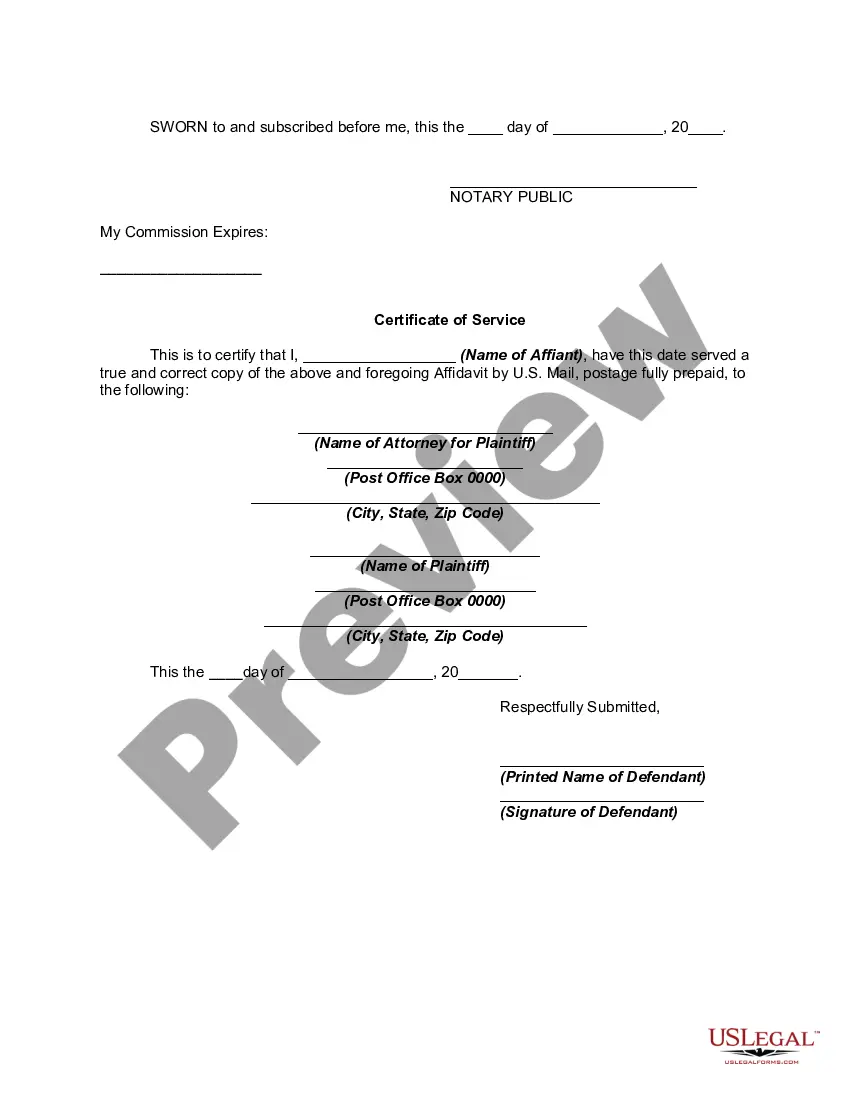



Get your form ready online
Our built-in tools help you complete, sign, share, and store your documents in one place.
Make edits, fill in missing information, and update formatting in US Legal Forms—just like you would in MS Word.
Download a copy, print it, send it by email, or mail it via USPS—whatever works best for your next step.
Sign and collect signatures with our SignNow integration. Send to multiple recipients, set reminders, and more. Go Premium to unlock E-Sign.
If this form requires notarization, complete it online through a secure video call—no need to meet a notary in person or wait for an appointment.
We protect your documents and personal data by following strict security and privacy standards.

Make edits, fill in missing information, and update formatting in US Legal Forms—just like you would in MS Word.

Download a copy, print it, send it by email, or mail it via USPS—whatever works best for your next step.

Sign and collect signatures with our SignNow integration. Send to multiple recipients, set reminders, and more. Go Premium to unlock E-Sign.

If this form requires notarization, complete it online through a secure video call—no need to meet a notary in person or wait for an appointment.

We protect your documents and personal data by following strict security and privacy standards.
Looking for another form?







Form popularity
FAQ
Eligibility For Spousal Maintenance In Texas To qualify for spousal maintenance, a spouse must convincingly demonstrate a need for financial assistance, grounded in specific circumstances that impede their ability to provide for their minimum reasonable needs.
You are not legally obligated to support her. If a divorce is filed the court could make alimony retroactive.
Spousal Support awards in Texas are not automatic. Texas is a community property state. The court will look to see is the financially vulnerable spouse will be able to meet their minimum reasonable needs after a just and right division of the community estate.
Typically, the judge will take 20% of the lower-earning spouse's income and subtract that number from 30% of the higher-earning spouse's income. For example, one spouse makes $100,000, and the other makes $20,000. Thirty percent of $100,000 is $30,000, and 20% of $20,000 is $4,000.
Nevertheless, as mentioned above, a spouse could be denied spousal support for various reasons. The courts have the authority to deny a spouse alimony if they don't need financial support or can work. A judge could also deny a spouse spousal support if the payor does not have enough funds to afford it.
Texas courts cap spousal maintenance payments at $5,000 or 20% of the payer's gross monthly income, whichever is smaller. But a judge can use their discretion to set the amount much lower, depending on factors such as marriage length, the quality of the relationship, and employment potential.
Texas does have alimony, but Texas law favors alimony payments that are decided in private contracts as a part of divorce settlements over court ordered alimony. Texas does, however, allow for alimony or spousal support payments to be ordered, but there are very strict requirements that determine who is eligible.
