Affidavit Motion Amend For Summary Judgment In Philadelphia
Description

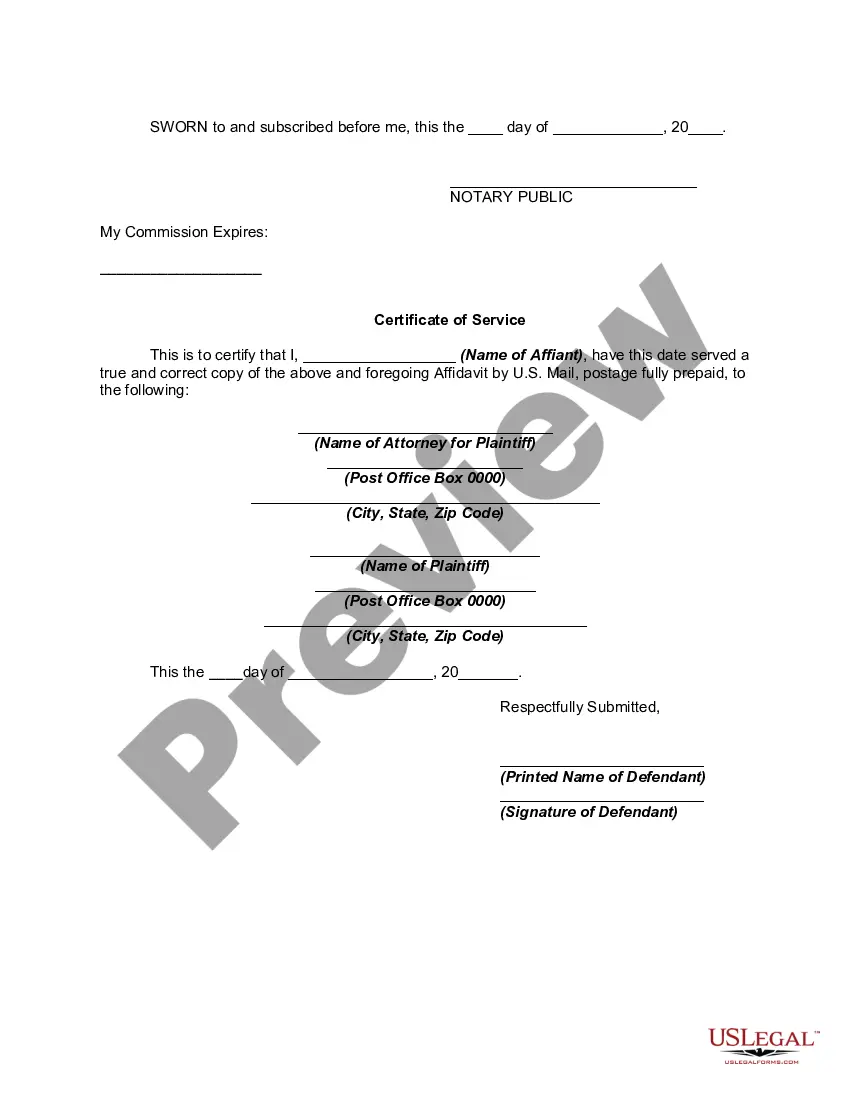



Get your form ready online
Our built-in tools help you complete, sign, share, and store your documents in one place.
Make edits, fill in missing information, and update formatting in US Legal Forms—just like you would in MS Word.
Download a copy, print it, send it by email, or mail it via USPS—whatever works best for your next step.
Sign and collect signatures with our SignNow integration. Send to multiple recipients, set reminders, and more. Go Premium to unlock E-Sign.
If this form requires notarization, complete it online through a secure video call—no need to meet a notary in person or wait for an appointment.
We protect your documents and personal data by following strict security and privacy standards.

Make edits, fill in missing information, and update formatting in US Legal Forms—just like you would in MS Word.

Download a copy, print it, send it by email, or mail it via USPS—whatever works best for your next step.

Sign and collect signatures with our SignNow integration. Send to multiple recipients, set reminders, and more. Go Premium to unlock E-Sign.

If this form requires notarization, complete it online through a secure video call—no need to meet a notary in person or wait for an appointment.

We protect your documents and personal data by following strict security and privacy standards.
Looking for another form?

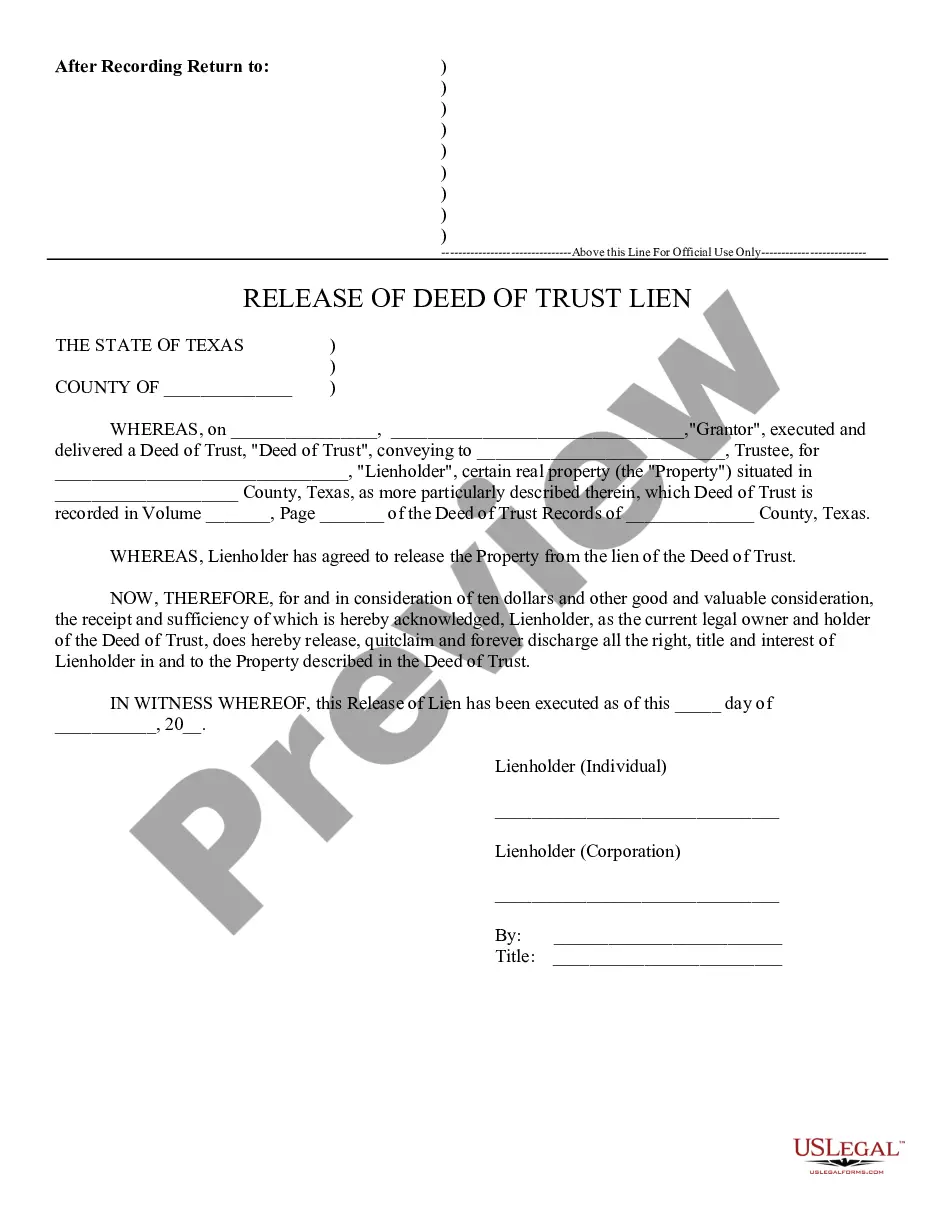

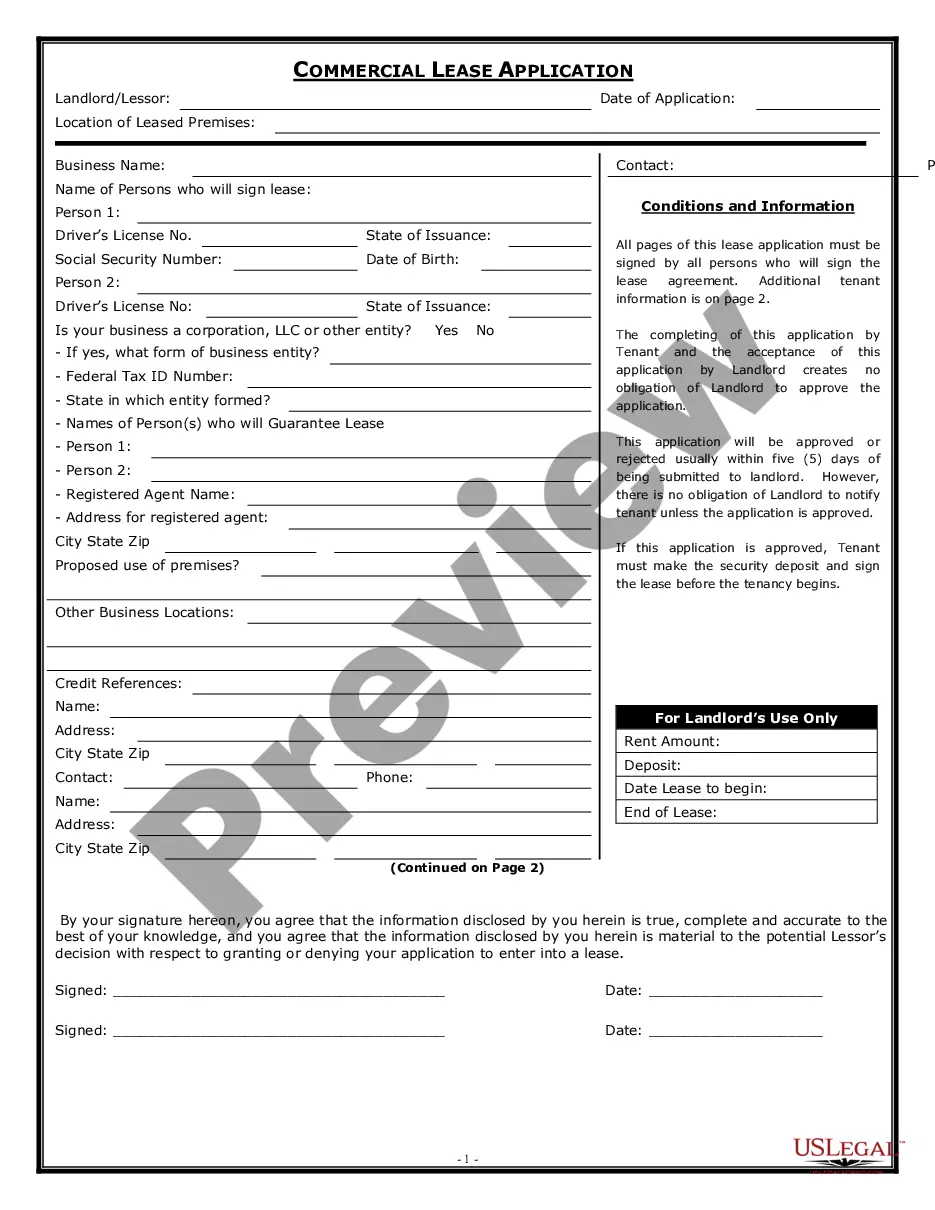
Form popularity
FAQ
Rule 15(a)(1) provides that a party may amend a complaint once as a matter of course within 21 days of service, or within 21 days of being served with an answer or a motion to dismiss, whichever is earlier. Fed. R. Civ.
A party may file an amended pleading after it files its summary judgment motion or response. A summary judgment proceeding is considered a “trial” with respect to filing amended pleadings ing to Texas Rule of Civil Procedure 63, the rule for calculating pertinent time periods.
Rule 2206 - Settlement, compromise, discontinuance and judgment (a) No action for wrongful death in which a minor or an incapacitated person has an interest shall be discontinued nor shall the interest of a minor or an incapacitated person in any such action or in a judgment for damages recovered therein be compromised ...
(1) A response to the motion for summary judgment which includes a concise statement, not to exceed two pages in length, as to why the motion should not be granted. (2) A response to the statement of undisputed material facts either admitting or denying or disputing each of the facts in the movant's statement.
To Amend a Motion (to add or strike or substitute words or phrases) — debatable, requires majority vote. (A motion can be made to amend a proposed amendment.) The mover of the motion (or the committee chair if the motion comes from a committee) speaks first on a motion.
Philadelphia Civil Rule 1303(c) sets forth the procedures to be followed for continuances of arbitration cases in both non-emergency and emergency situations.
A summary judgment means the court believes there's no dispute worth resolving. However, this isn't always true. To avoid a summary judgment, it's essential to file a counter-motion with a supporting memorandum. If that step isn't taken, the judge may grant the motion.
(d) When default judgment is entered in a matter involving a complaint for civil penalties, the Board may assess civil penalties in the amount of the plaintiff's claim or may assess the amount of the penalty following an evidentiary hearing, as directed by the Board, at which the issues shall be limited to the amount ...
Judgment Upon Default or Admission. Assessment of Damages. (a) If an action is not commenced by a complaint, the prothonotary, upon praecipe of the defendant, shall enter a rule upon the plaintiff to file a complaint.
