Affidavit Amend Form For Immigration In Palm Beach
Description

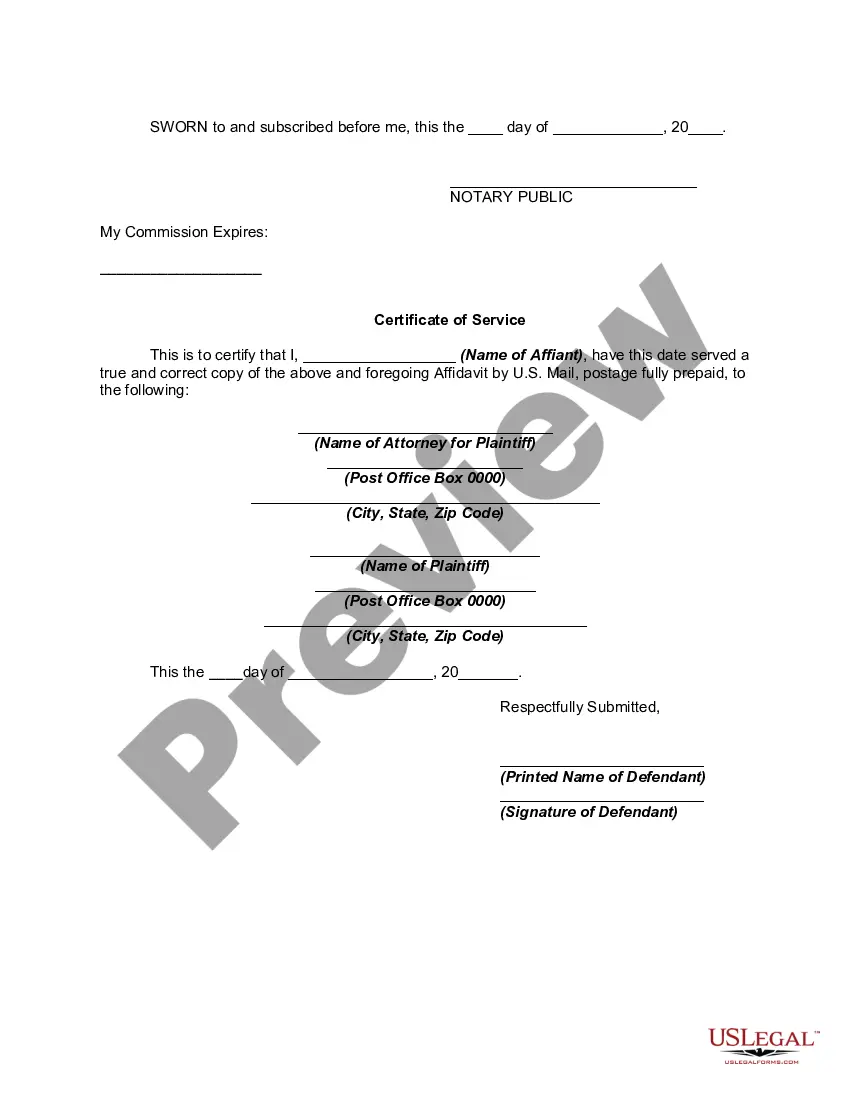



Get your form ready online
Our built-in tools help you complete, sign, share, and store your documents in one place.
Make edits, fill in missing information, and update formatting in US Legal Forms—just like you would in MS Word.
Download a copy, print it, send it by email, or mail it via USPS—whatever works best for your next step.
Sign and collect signatures with our SignNow integration. Send to multiple recipients, set reminders, and more. Go Premium to unlock E-Sign.
If this form requires notarization, complete it online through a secure video call—no need to meet a notary in person or wait for an appointment.
We protect your documents and personal data by following strict security and privacy standards.

Make edits, fill in missing information, and update formatting in US Legal Forms—just like you would in MS Word.

Download a copy, print it, send it by email, or mail it via USPS—whatever works best for your next step.

Sign and collect signatures with our SignNow integration. Send to multiple recipients, set reminders, and more. Go Premium to unlock E-Sign.

If this form requires notarization, complete it online through a secure video call—no need to meet a notary in person or wait for an appointment.

We protect your documents and personal data by following strict security and privacy standards.
Looking for another form?







Form popularity
FAQ
Only a few immigration forms must be notarized, such as the Affidavit of Support (1-134, I-864). U.S. immigration regulations state that no one may prepare or file another person's immigration papers unless he or she is an attorney or a U.S. Department of Justice-approved “accredited representative.”
Step-by-Step Guide Obtain the Correct Form. Ensure you have the right affidavit form, such as Form I-864, for family-based green cards. Complete Sponsor's Personal Information. Provide Financial Information. Declare Household Size. Outline Sponsor's Commitment. Include Supporting Documents. Submit the Form Properly.
The letter does not need to be notarized, but it is important to include a sworn statement that states, “I swear, under penalty of perjury, that the foregoing is true and correct to the best of my knowledge.” The petitioner should understand that an affidavit is only supporting evidence.
A legal affidavit must be signed by the person making the statement to be considered legally binding. In many cases, the affiant must also sign the document in front of a witness. That witness is often the notary public, but they could be anyone willing to swear the signature is authentic.
Errors in personal information, such as a wrong name or address, often require correction to prevent complications in transactions or official records. A notarized affidavit for correction officially documents these changes. This process ensures that entities such as banks and government agencies accept the updates.
The letter does not need to be notarized, but it is important to include a sworn statement that states, “I swear, under penalty of perjury, that the foregoing is true and correct to the best of my knowledge.” The petitioner should understand that an affidavit is only supporting evidence.
You can call USCIS, tell them about the error, and ask them to correct it. You may want to work with an immigration attorney before attempting to correct your application.
Form I-94, Arrival/Departure Record If you received an ADIT stamp (temporary Green Card) on a Form I-94 that contains an error, call the USCIS Contact Center at 800-375-5283 (TTY: 800-767-1833) to get a corrected Form I-94.
In the cover letter, just explain the situation regarding the error on your green card and provide any relevant details, such as the correct category and the steps you've taken to address the error with USCIS.
