Affidavit Motion Amend For Default Dissolution In Miami-Dade
Description

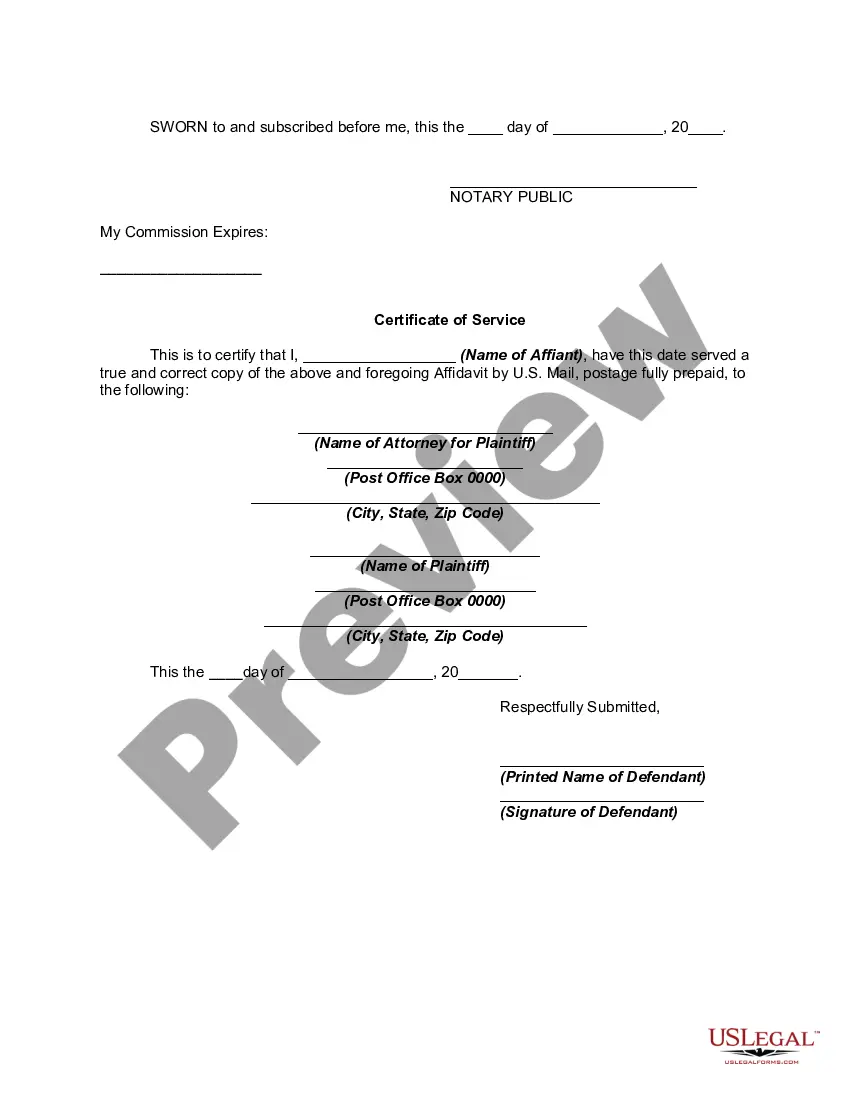



Get your form ready online
Our built-in tools help you complete, sign, share, and store your documents in one place.
Make edits, fill in missing information, and update formatting in US Legal Forms—just like you would in MS Word.
Download a copy, print it, send it by email, or mail it via USPS—whatever works best for your next step.
Sign and collect signatures with our SignNow integration. Send to multiple recipients, set reminders, and more. Go Premium to unlock E-Sign.
If this form requires notarization, complete it online through a secure video call—no need to meet a notary in person or wait for an appointment.
We protect your documents and personal data by following strict security and privacy standards.

Make edits, fill in missing information, and update formatting in US Legal Forms—just like you would in MS Word.

Download a copy, print it, send it by email, or mail it via USPS—whatever works best for your next step.

Sign and collect signatures with our SignNow integration. Send to multiple recipients, set reminders, and more. Go Premium to unlock E-Sign.

If this form requires notarization, complete it online through a secure video call—no need to meet a notary in person or wait for an appointment.

We protect your documents and personal data by following strict security and privacy standards.
Looking for another form?
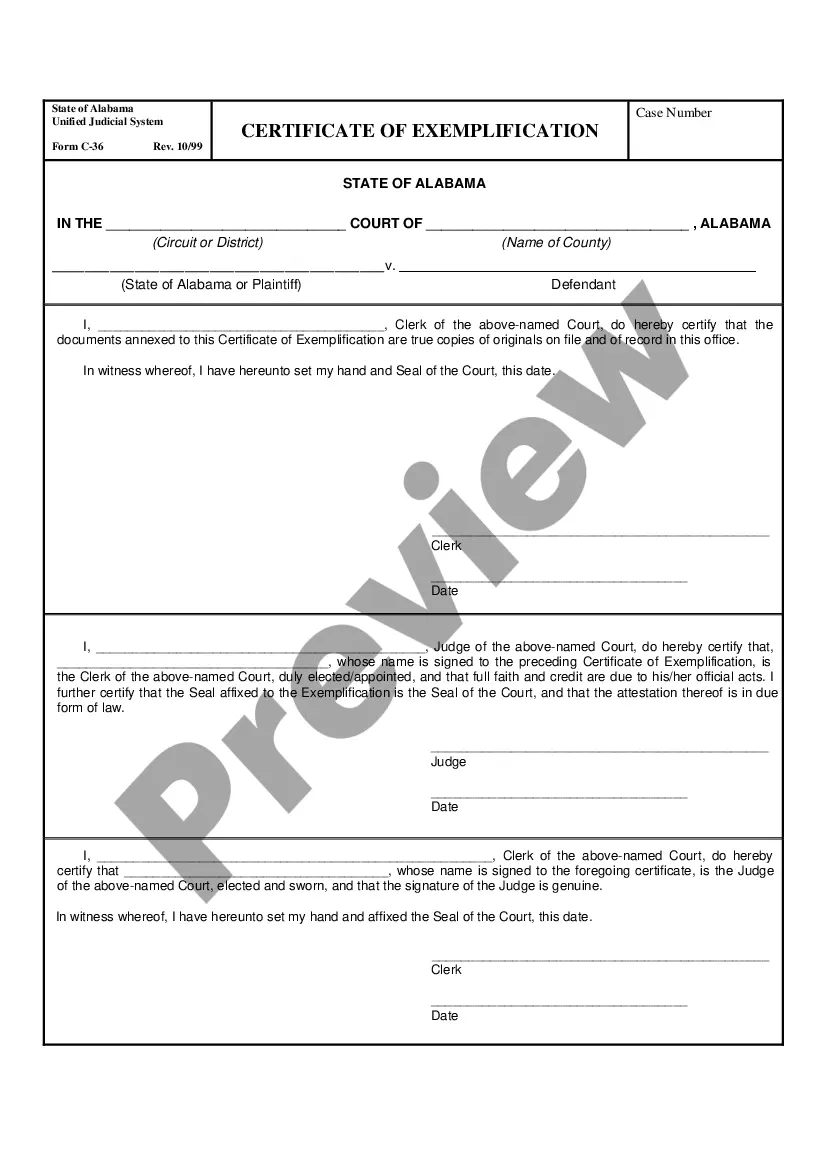









Form popularity
FAQ
County court cases are governed by the rules of civil procedure. These rules cover cases where the amount of damages exceeds $8,000 but is not more than $50,000 as well as tenant eviction cases.
While default divorces can be beneficial, they also have potential drawbacks: Lack of Input: The respondent has no opportunity to present their side or contest the terms. Unfair Terms: If the petitioner requests terms that heavily favor them, the respondent could be at a significant disadvantage.
This motion for default final judgment may be filed by a landlord/plaintiff in a Florida eviction action to request that final judgment be entered against the defendant/tenant following its failure to respond to the plaintiff's eviction complaint within the requisite time-frame.
Once your spouse files the request for a Motion for Default, the divorce can proceed without your input if you do not cooperate. Ultimately, you'll simply make the divorce process easier for the petitioning spouse.
Otherwise, you'll usually need to attend a default hearing, where a judge will review your proposed divorce judgment and may ask some questions or request that you submit more information before making an official ruling.
Simplified procedure Petition for Simplified Dissolution of Marriage (form 12.901(a)). Family law financial affidavit. Marital settlement agreement for simplified dissolution of marriage (Form 12.902(f)(3)). Notice of Social Security number. Final judgment of simplified dissolution of marriage (Form 12.990(a)).
If your husband fails to respond within the allotted time frame, you may be able to file a motion for default judgment. This means that the court can make a decision without your husband's participation, and may result in a favorable outcome for you, including the division of property and assets.
An uncontested divorce can take as few as four to six weeks. Florida requires you to wait at least 20 days from the date you file to get a divorce. It's common for it to take longer than 20 days, though, because you have to wait for the final court hearing, which depends on a busy court schedule.
In short, yes. Florida divorce records are public documents, meaning that almost anyone can access them by submitting a request to the court clerk where the divorce was finalized. Whether online or in person, these records reveal critical details, from child custody arrangements to financial settlements.
Contact Clerk of the Court and Comptroller For general information, call 305-275-1155 for the Interactive Voice Response System.
