Spousal Support Form For Medicaid In Fairfax
Description

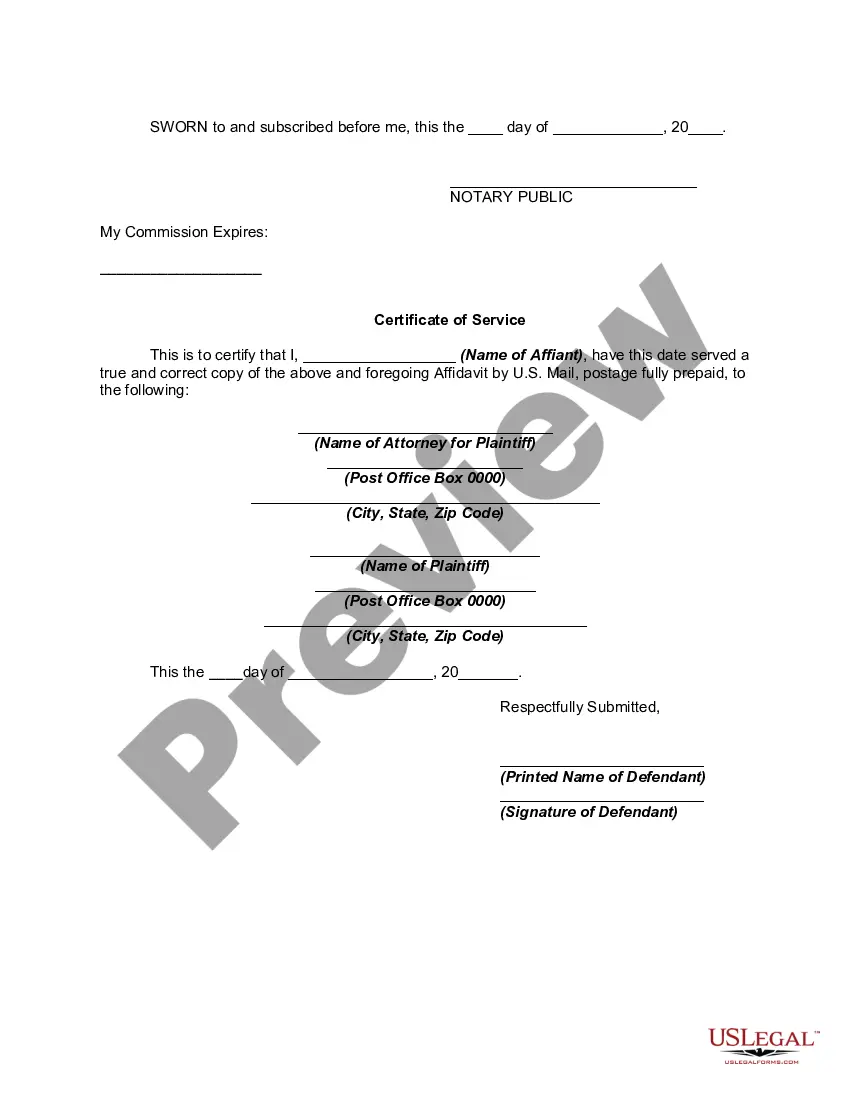



Get your form ready online
Our built-in tools help you complete, sign, share, and store your documents in one place.
Make edits, fill in missing information, and update formatting in US Legal Forms—just like you would in MS Word.
Download a copy, print it, send it by email, or mail it via USPS—whatever works best for your next step.
Sign and collect signatures with our SignNow integration. Send to multiple recipients, set reminders, and more. Go Premium to unlock E-Sign.
If this form requires notarization, complete it online through a secure video call—no need to meet a notary in person or wait for an appointment.
We protect your documents and personal data by following strict security and privacy standards.

Make edits, fill in missing information, and update formatting in US Legal Forms—just like you would in MS Word.

Download a copy, print it, send it by email, or mail it via USPS—whatever works best for your next step.

Sign and collect signatures with our SignNow integration. Send to multiple recipients, set reminders, and more. Go Premium to unlock E-Sign.

If this form requires notarization, complete it online through a secure video call—no need to meet a notary in person or wait for an appointment.

We protect your documents and personal data by following strict security and privacy standards.
Looking for another form?



Form popularity
FAQ
Not Financially Eligible An applicant must meet the Medicaid resource and income limits and guidelines set by their state. Resources and income above the state limits may disqualify the applicant.
Approximately 75% of all Medicaid application denials are due to missing documentation. If an application is not complete, it can be rejected. In some instances, you may be asked to produce additional documentation.
Medicaid beneficiaries generally must be residents of the state in which they are receiving Medicaid. They must be either citizens of the United States or certain qualified non-citizens, such as lawful permanent residents. In addition, some eligibility groups are limited by age, or by pregnancy or parenting status.
Response: Yes, if you get divorced, the Medicaid agency will treat your husband as a single person and evaluate his financial eligibility separately from your own. However, there may be other alternatives.
Asset Definition & Exceptions In Virginia, IRAs are counted. Medicaid also considers many assets to be exempt (non-countable). Exemptions include personal belongings, household furnishings, an automobile, irrevocable burial trusts, and generally one's primary home.
INCOME. For 2024, the income limits for both Community and Institutional Medicaid are: Married (both spouses applying): $2,351/month. Married (one spouse applying): $1,732/month for the applicant.
If you have been denied correctly, there are two options to become income-eligible. One is to allocate excess income into a Qualified Income Trust and the other is to qualify via the Medicaid Needy Pathway. Which approach is available to an applicant is state and program-specific.
Average Approval Times for Medicaid Applications. States are required by federal law to approve or deny Medicaid applications within 45 days, or 90 days for applications that require a disability determination.
It may take up to 45 days to get a decision on your application. To check your status, you can log in to your account at commonhelp.virginia by clicking the Check My Benefits button or call Cover Virginia at 1-855-242-8282 (TDD: 1-888-221-1590). Is there only one type of Medicaid coverage? No.
Average Approval Times for Medicaid Applications. States are required by federal law to approve or deny Medicaid applications within 45 days, or 90 days for applications that require a disability determination.
