Spouse Support Form For Dementia In Dallas
Description

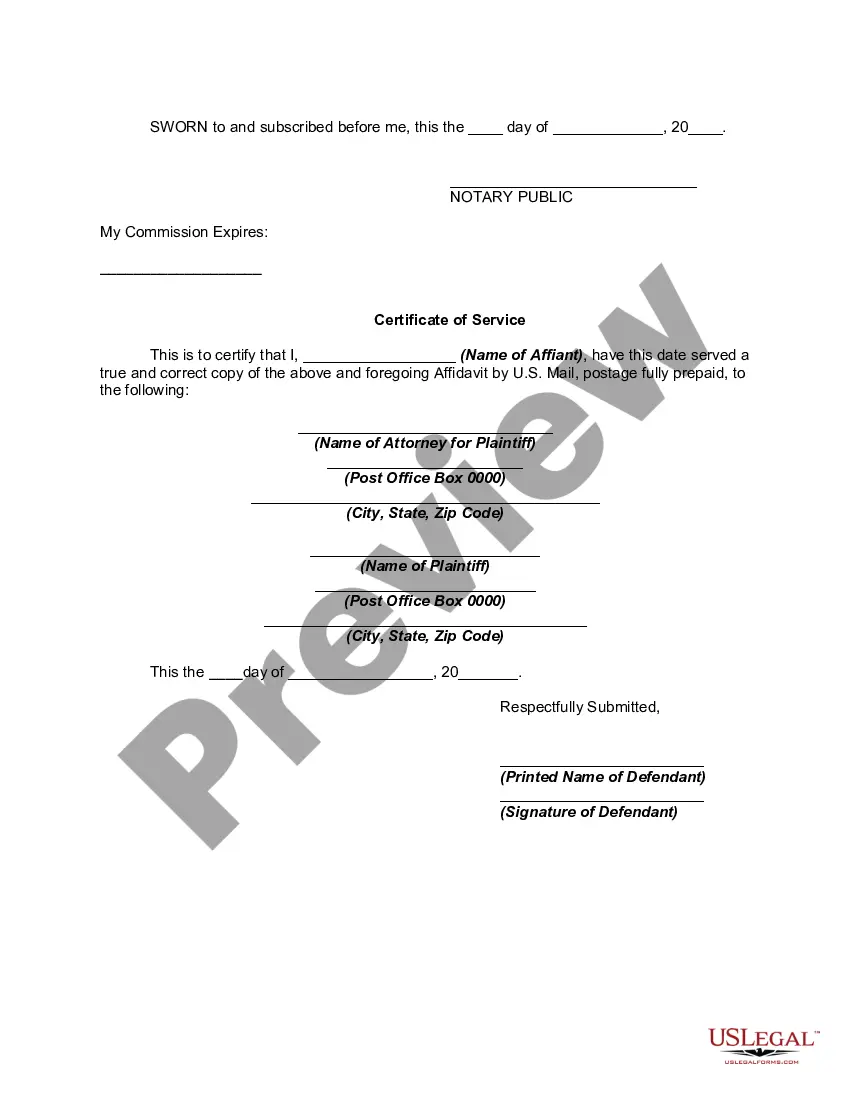



Get your form ready online
Our built-in tools help you complete, sign, share, and store your documents in one place.
Make edits, fill in missing information, and update formatting in US Legal Forms—just like you would in MS Word.
Download a copy, print it, send it by email, or mail it via USPS—whatever works best for your next step.
Sign and collect signatures with our SignNow integration. Send to multiple recipients, set reminders, and more. Go Premium to unlock E-Sign.
If this form requires notarization, complete it online through a secure video call—no need to meet a notary in person or wait for an appointment.
We protect your documents and personal data by following strict security and privacy standards.

Make edits, fill in missing information, and update formatting in US Legal Forms—just like you would in MS Word.

Download a copy, print it, send it by email, or mail it via USPS—whatever works best for your next step.

Sign and collect signatures with our SignNow integration. Send to multiple recipients, set reminders, and more. Go Premium to unlock E-Sign.

If this form requires notarization, complete it online through a secure video call—no need to meet a notary in person or wait for an appointment.

We protect your documents and personal data by following strict security and privacy standards.
Looking for another form?








Form popularity
FAQ
A durable power of attorney for finances names someone who will make financial decisions for you when you are not able. A living trust names and instructs someone, called the trustee, to hold and distribute property and funds on your behalf when you are no longer able to manage your affairs.
Three of the most common types of behavioral triggers in dementia patients are confusion, pain or discomfort, and a changing or overwhelming environment.
6 Things that Might Cause Dementia to Get Worse Unhealthy Eating Habits. Overeating is an issue for seniors with dementia, especially those who consume a lot of junk food to handle the mental impact of the condition. No Physical Activity. Isolation. Poor Medication Management. Lack of Sleep. Smoking.
Here are some Don'ts: Don't reason. Don't argue. Don't confront. Don't remind them they forget. Don't question recent memory. Don't take it personally.
Don't ask direct questions, listen and learn, and don't contradict. That's the TL;DR summary of the three golden rules of dementia. But applying them in the wrong context — and not knowing what to expect at each stage of dementia — can make using these rules much more challenging.
Here are some Don'ts: Don't reason. Don't argue. Don't confront. Don't remind them they forget. Don't question recent memory. Don't take it personally.
1. Colorful Fruits and Vegetables. Studies have found that foods with higher levels of carotenoids – the pigments that give fruits and veggies their orange and red color – are associated with better brain health and a lower risk of dementia.
Alzheimer's disease – around eight to 10 years. Life expectancy is less if the person is diagnosed in their 80s or 90s. A few people with Alzheimer's live for longer, sometimes for 15 or even 20 years.
The person with dementia is no longer managing at home as well as they used to. For example, they are no longer able to do daily tasks, like eating, without the support of another person. The person is no longer safe at home. For example, they keep having falls.
Antidepressants such as sertraline, citalopram, mirtazapine and trazodone are widely prescribed for people with dementia who develop changes in mood and behaviour. There is some evidence that they may help to reduce agitation – particularly citalopram.
