Motion Strike Sample Format In Virginia
Description

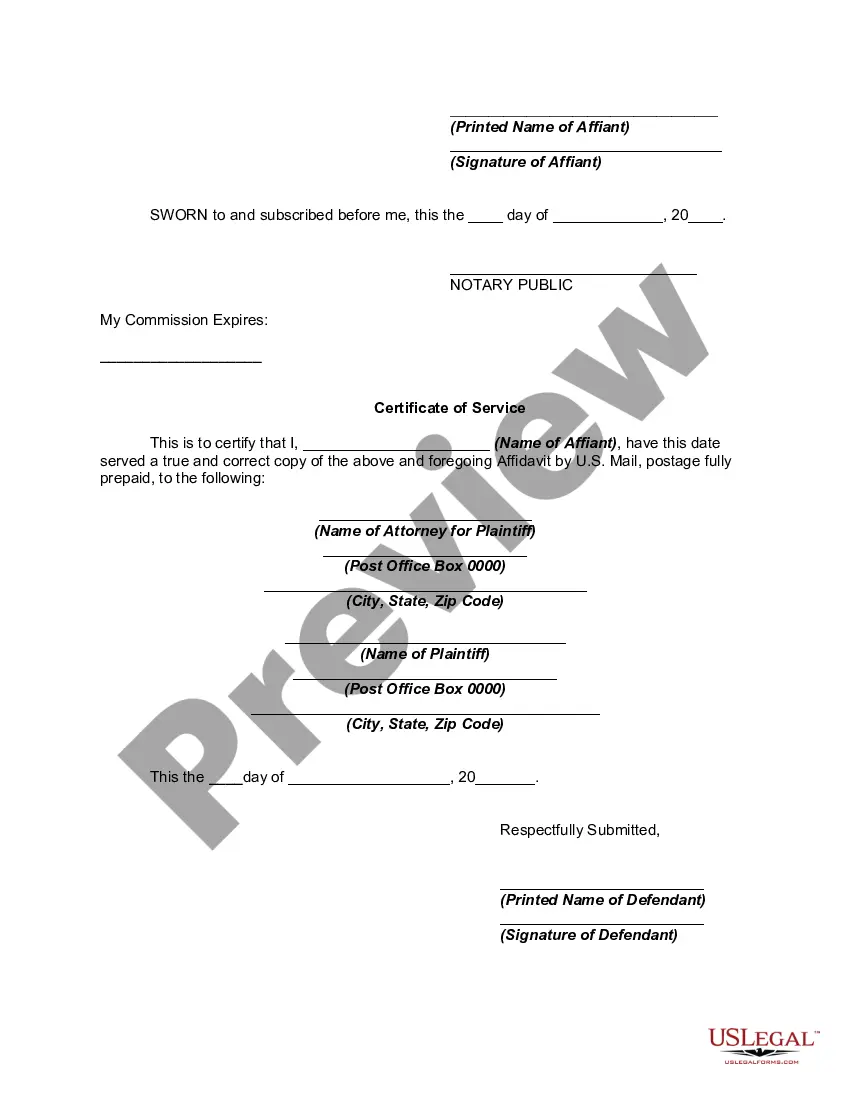




Get your form ready online
Our built-in tools help you complete, sign, share, and store your documents in one place.
Make edits, fill in missing information, and update formatting in US Legal Forms—just like you would in MS Word.
Download a copy, print it, send it by email, or mail it via USPS—whatever works best for your next step.
Sign and collect signatures with our SignNow integration. Send to multiple recipients, set reminders, and more. Go Premium to unlock E-Sign.
If this form requires notarization, complete it online through a secure video call—no need to meet a notary in person or wait for an appointment.
We protect your documents and personal data by following strict security and privacy standards.

Make edits, fill in missing information, and update formatting in US Legal Forms—just like you would in MS Word.

Download a copy, print it, send it by email, or mail it via USPS—whatever works best for your next step.

Sign and collect signatures with our SignNow integration. Send to multiple recipients, set reminders, and more. Go Premium to unlock E-Sign.

If this form requires notarization, complete it online through a secure video call—no need to meet a notary in person or wait for an appointment.

We protect your documents and personal data by following strict security and privacy standards.
Looking for another form?


Form popularity
FAQ
Things You Should Know Write your legal argument by stating the rule and explaining how your facts apply to it. Then, add your signature, a Certificate of Service, and a Notice of Hearing. File your motion with the clerk of court overseeing your case. Then, give copies to each defendant.
Motions may be typed by either party, may be filed on the General Notice and Motion Form or may be filed on one of the appropriate forms provided by the Supreme Court of Virginia (located here).
Motion to strike evidence. When a defendant moves the court to strike out all of the evidence, upon any grounds, and such motion is overruled by the court, such defendant shall not thereafter be precluded from introducing evidence in his behalf.
Seven days' notice is required to the opposing party and the court. Motions may be typed by either party, may be filed on the General Notice and Motion Form or may be filed on one of the appropriate forms provided by the Supreme Court of Virginia (located here).
If you want to file a motion, the process is generally something like this: You write your motion. You file your motion with the court clerk. The court clerk inserts the date and time your motion will be heard by the judge. You “serve” (mail) your motion to the other side.
Rule . Reply. Responding to new matter. If a pleading, motion or affirmative defense sets up new matter and contains words expressly requesting a reply, the adverse party shall within 21 days file a reply admitting or denying such new matter.
A motion to strike is a request to a judge that part of a party's pleading or a piece of evidence be removed from the record.
Oral motion - You can make a motion verbally (orally) while in court. This can be at the initial appearance, at a status appearance, or during a hearing. Usually, you can use an oral motion when the request is not complicated, or if it is an urgent request that you are hoping the judge will grant that day.
General format - each motion generally consists of a case caption, a title that briefly identifies the relief sought, a series of numbered paragraphs that explains -- in a logical way -- why you are entitled to that relief, a prayer for relief, a signature block, a certification that a copy of the motion was sent to ...
