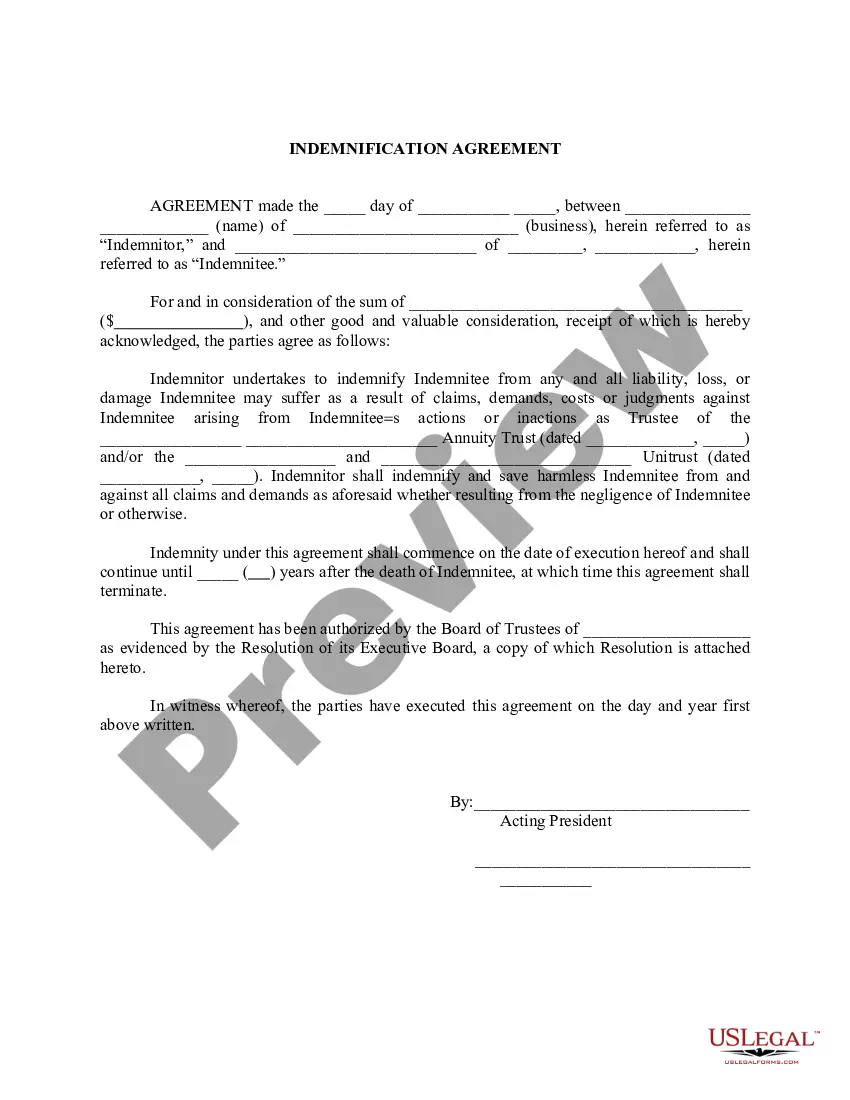
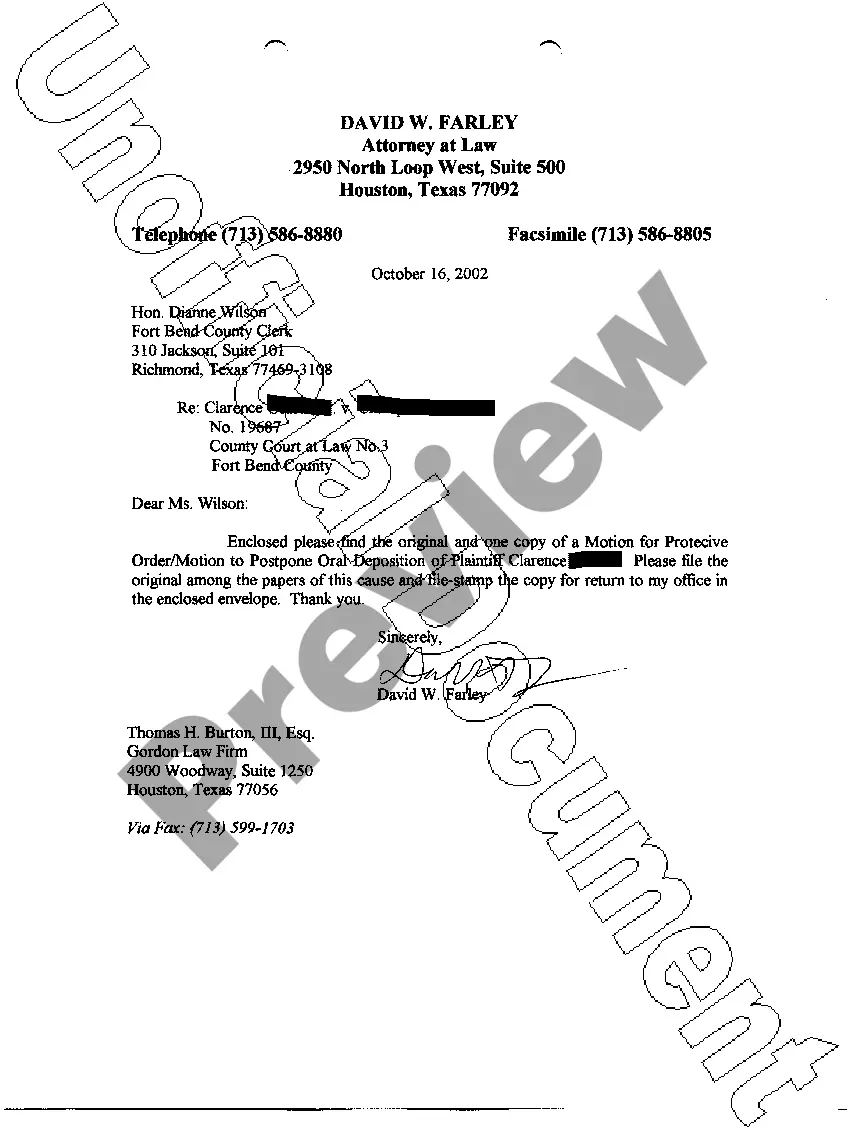
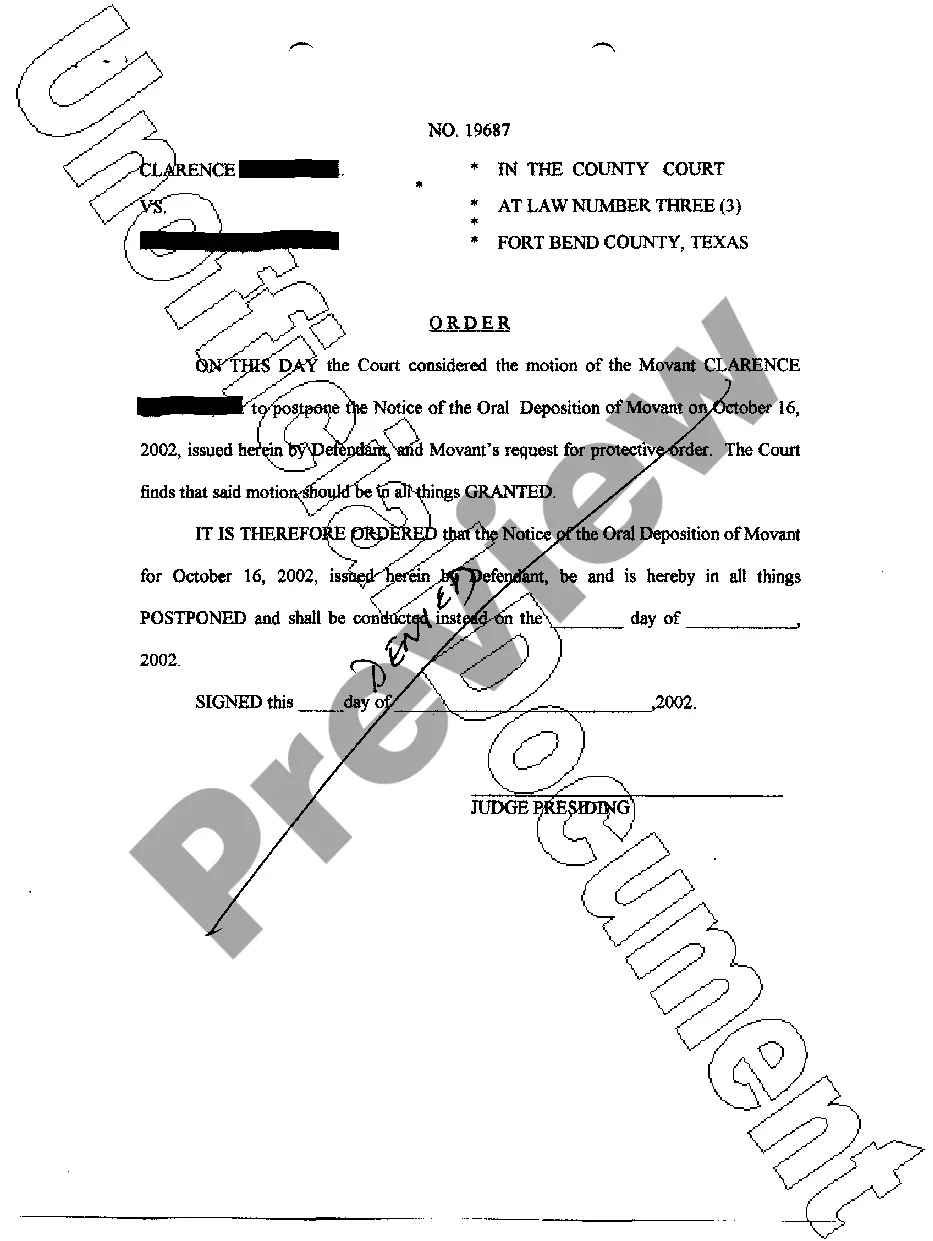
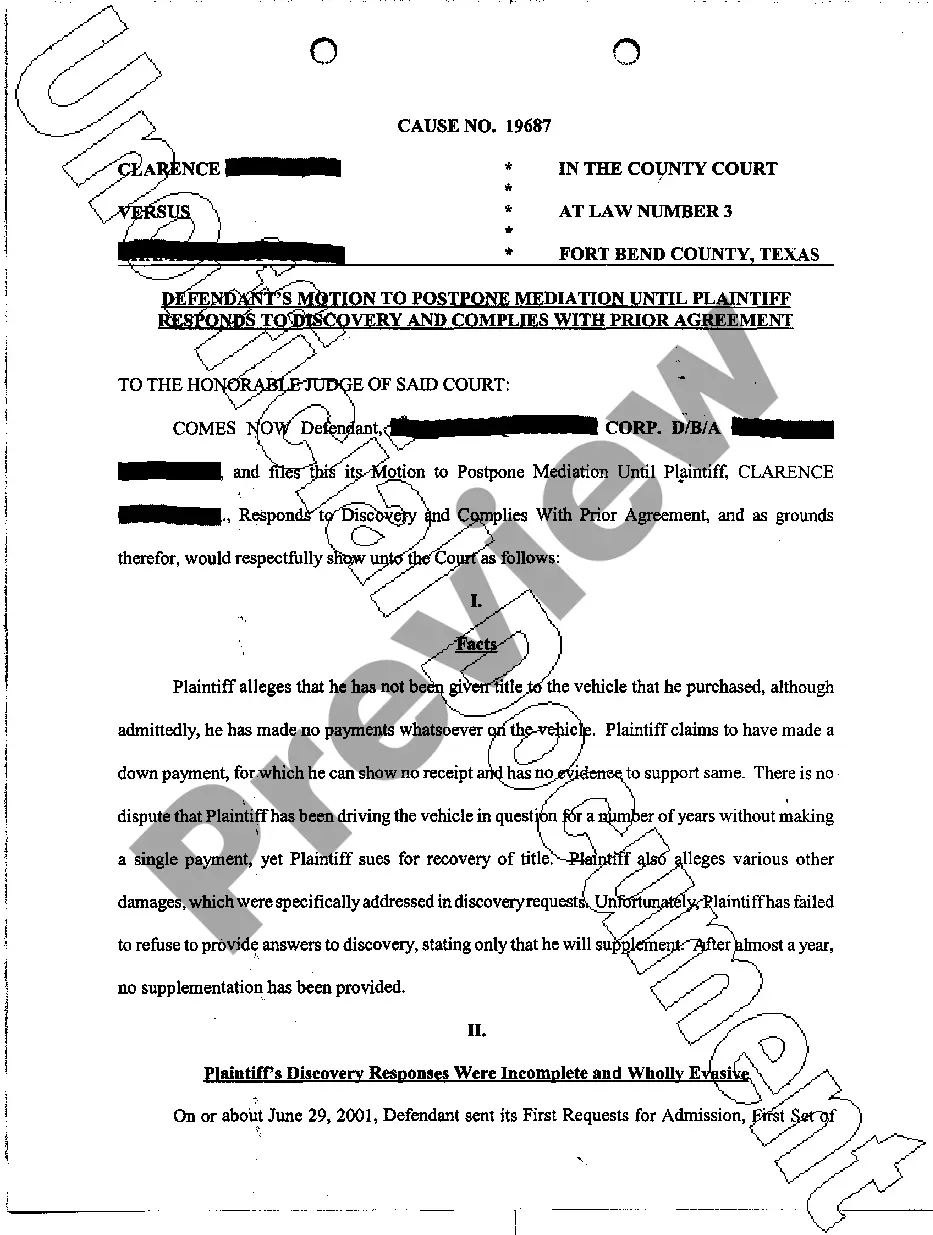
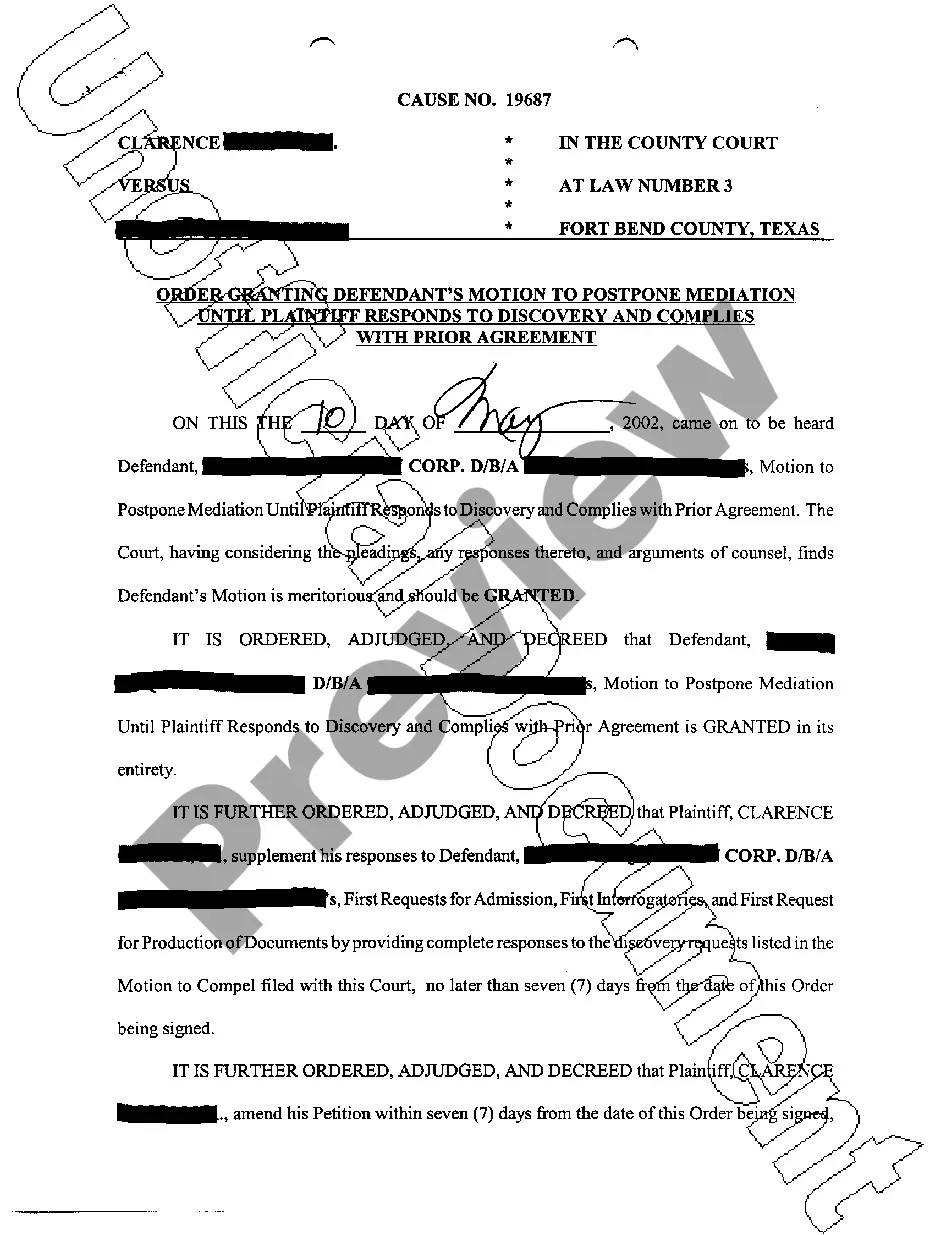
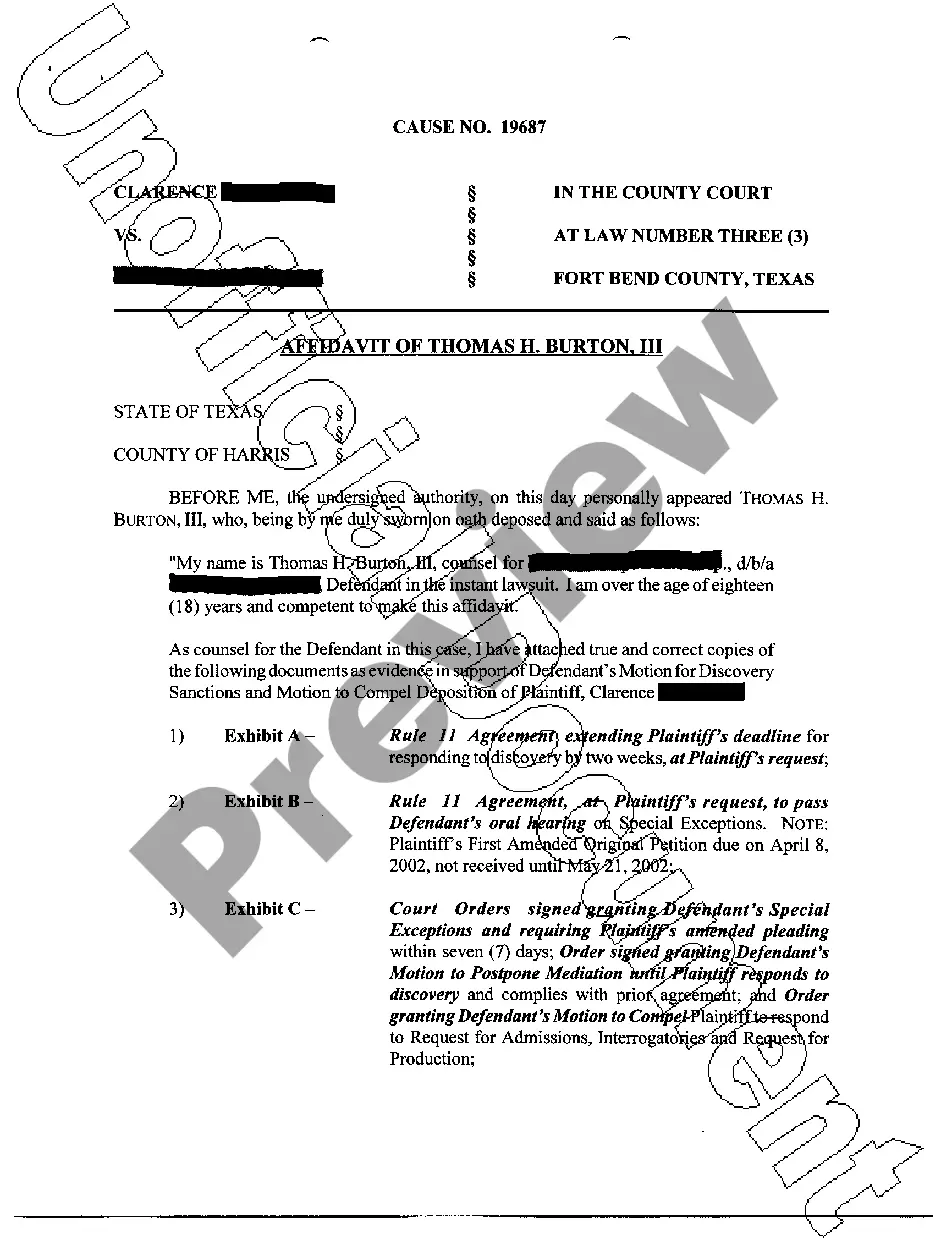
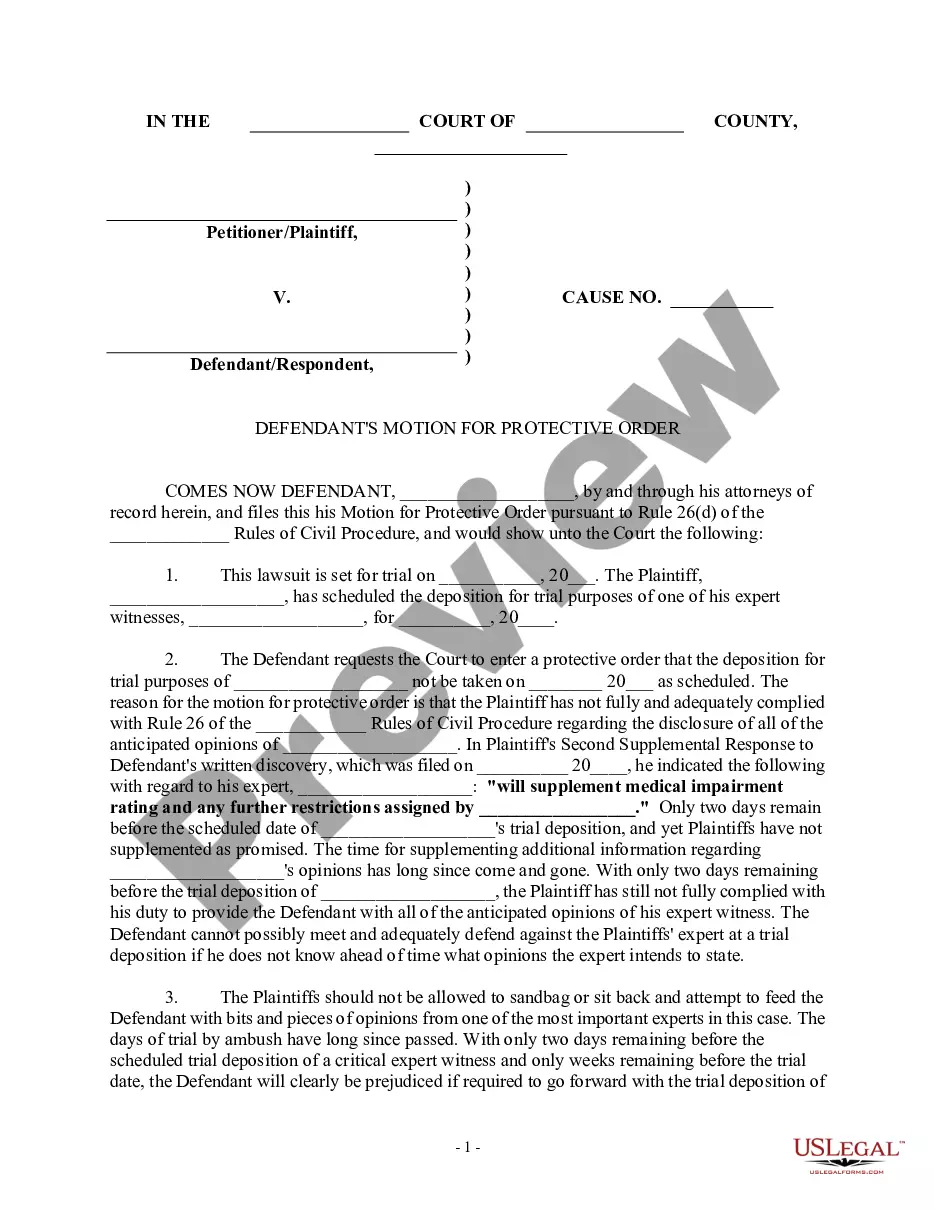
Texas Motion For Protective Order and To Postpone Deposition
Description
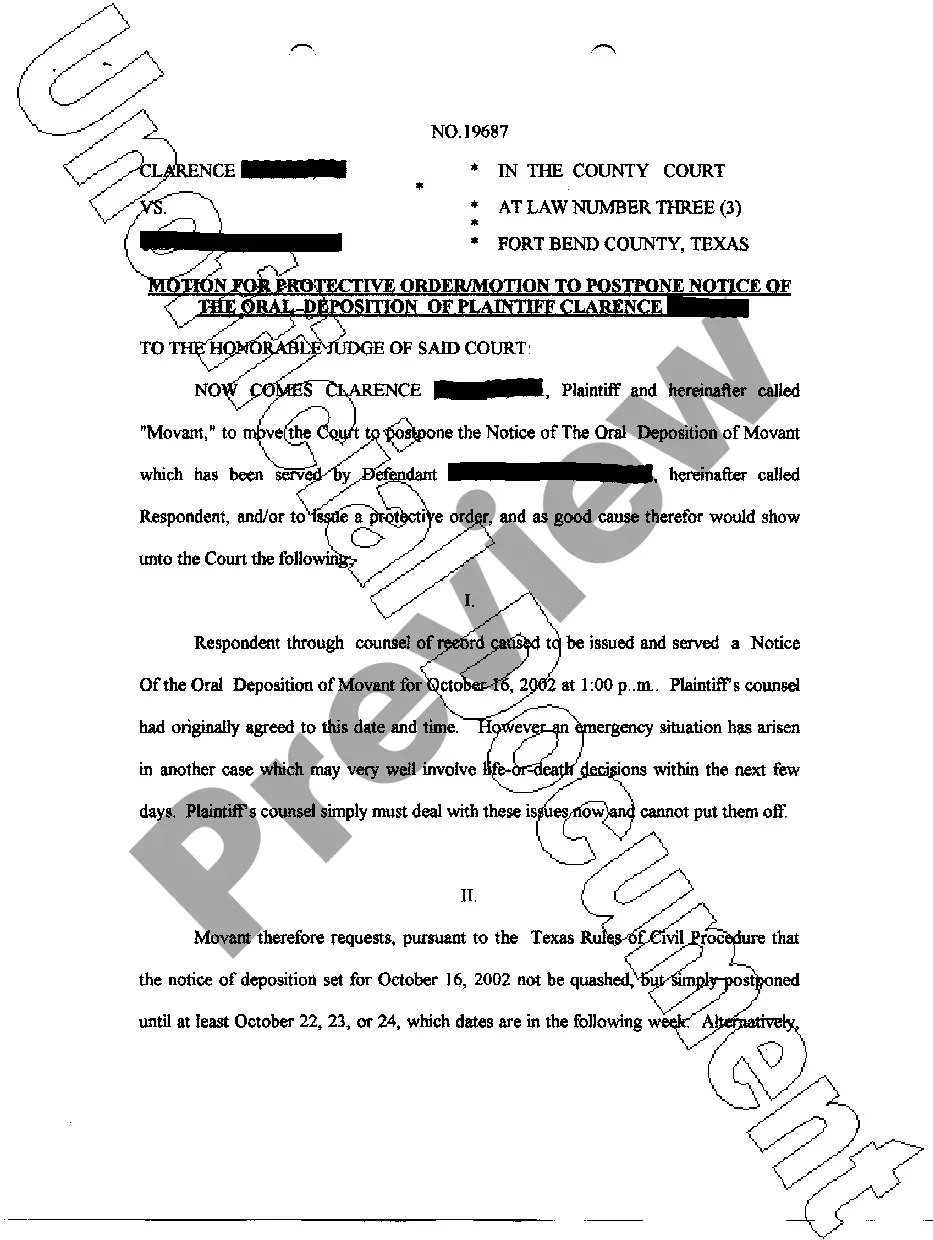
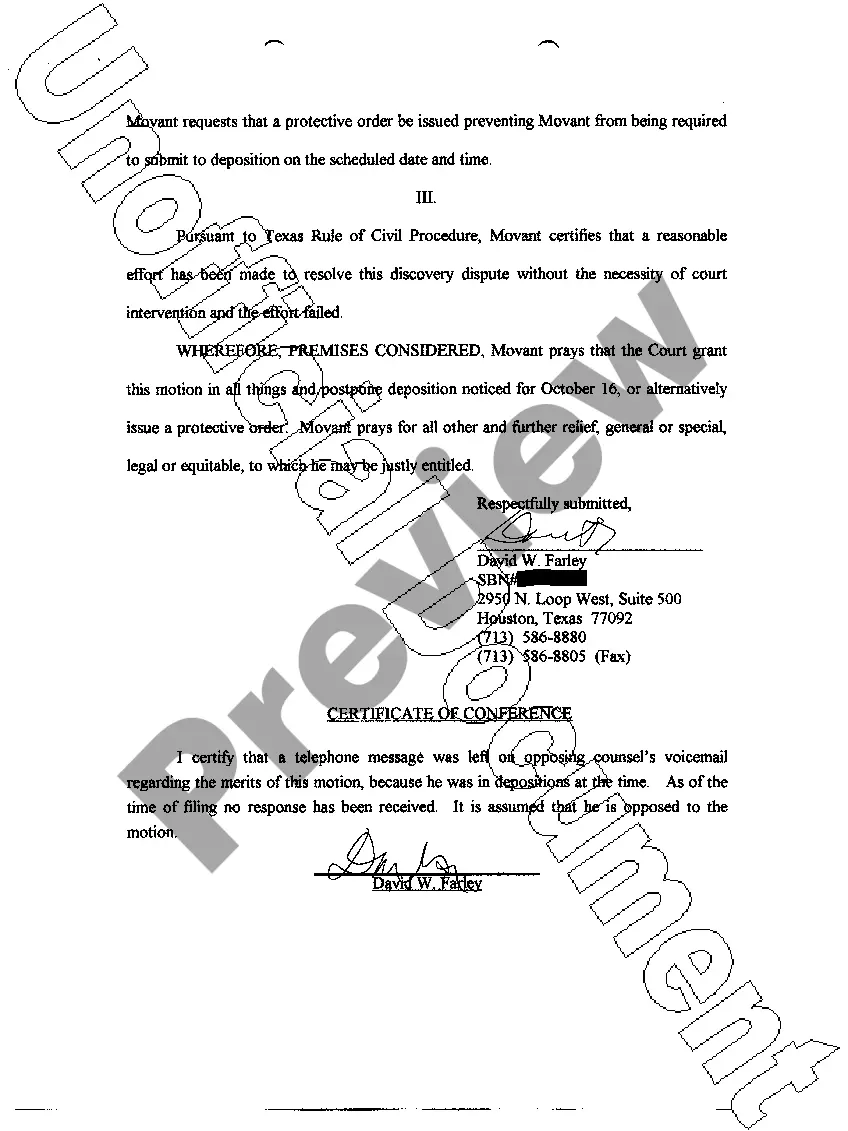
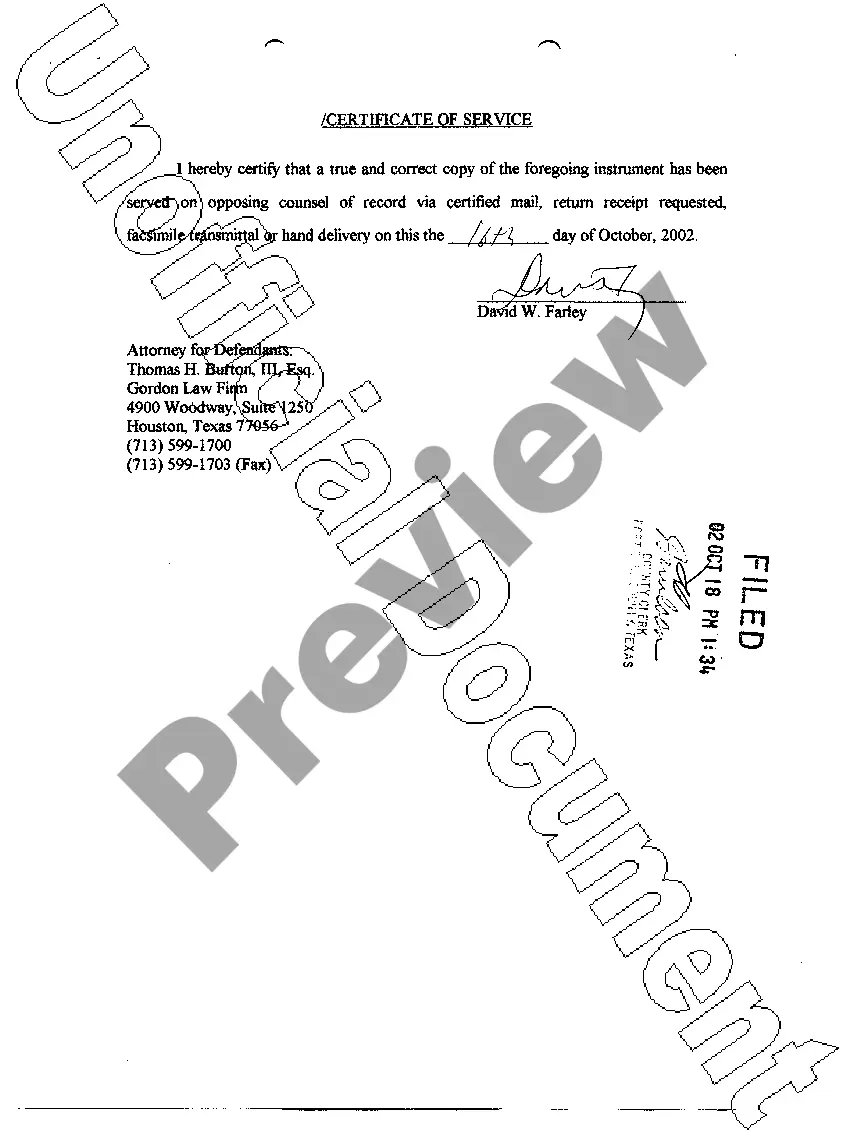

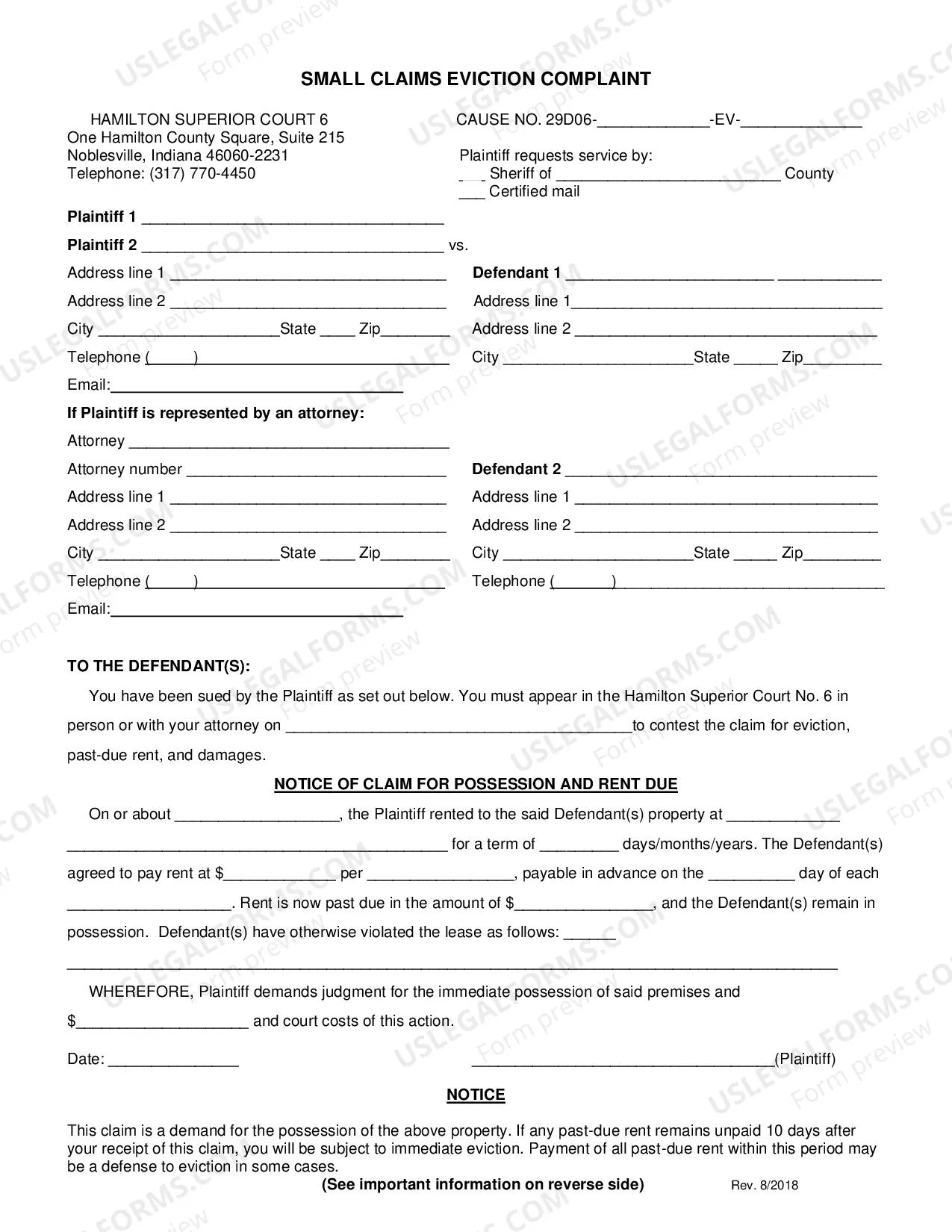
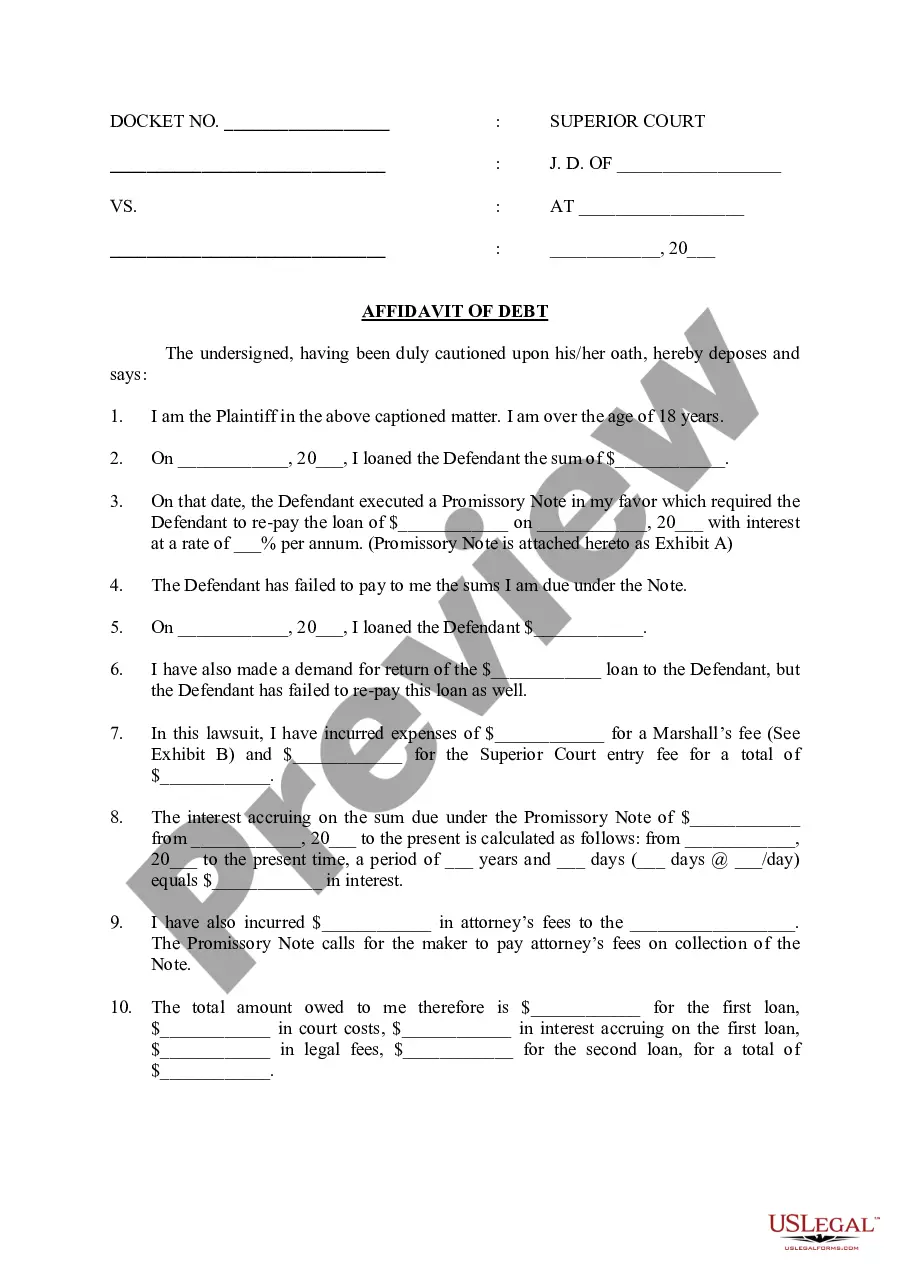

How to fill out Texas Motion For Protective Order And To Postpone Deposition?
Access to top quality Texas Motion For Protective Order and To Postpone Deposition templates online with US Legal Forms. Prevent hours of misused time searching the internet and lost money on forms that aren’t updated. US Legal Forms gives you a solution to just that. Find more than 85,000 state-specific legal and tax samples you can save and complete in clicks within the Forms library.
To find the sample, log in to your account and click on Download button. The document will be stored in two places: on the device and in the My Forms folder.
For people who don’t have a subscription yet, take a look at our how-guide below to make getting started simpler:
- Verify that the Texas Motion For Protective Order and To Postpone Deposition you’re looking at is appropriate for your state.
- View the form using the Preview option and browse its description.
- Go to the subscription page by clicking on Buy Now button.
- Select the subscription plan to keep on to register.
- Pay by credit card or PayPal to finish making an account.
- Select a favored format to save the document (.pdf or .docx).
You can now open the Texas Motion For Protective Order and To Postpone Deposition template and fill it out online or print it and do it by hand. Take into account mailing the document to your legal counsel to make certain everything is completed properly. If you make a error, print out and fill sample again (once you’ve made an account every document you save is reusable). Create your US Legal Forms account now and access more forms.
Form popularity
FAQ
1Preparation. The most important thing when defending a deposition is to have a well-prepared witness.2Practice Aikido.3Anticipate Objections.4Transcript Awareness!5Protect Your Witness.
Prepare before the deposition: Review any relevant discovery information already provided. Keep responses short, precise, and truthful: The witness should avoid rambling and being over-inclusive in responses. Think before responding: It is a good idea to pause and think before responding.
Every case filed in Texas state court requires the plaintiff to choose a discovery plan: Level One, which applies only for cases where the plaintiff seeks less than $100,000 in damages; Level Two, which applies by default to all other cases and has its own specific set of deadlines; and Level Three, which allows the
If you refuse after being ordered by the court to give a deposition, you would likely be found in contempt of court, leading to dire consequences.
In most cases, a deponent cannot refuse to answer a question at a deposition unless the answer would reveal privileged or irrelevant private information or the court previously ordered that the information cannot be revealed (source). However, there are certain types of questions that do not have to be answered.
In your deposition by, for example, saying they happen never or always. Qualifying your answers with words like usually, generally, typically, it depends, and not necessarily can help you avoid exaggerating with unwarranted absolutes. You must also answer completely. A half-truth is insufficient.
Pursuant to Rule CR 26, a court may issue a protective order for a deponent to prevent the deposition or discovery process from occurring.In some cases, the court may order that the deposition occur under certain terms and conditions, or may make other specifications instead of ordering the deposition not occur.
While you may be required to attend a deposition, there are also limitations on where they can occur. Under the Federal Rules of Civil Procedure deponents must be given appropriate notice of the time and place of a deposition.