Motion For Strike In San Antonio
Description

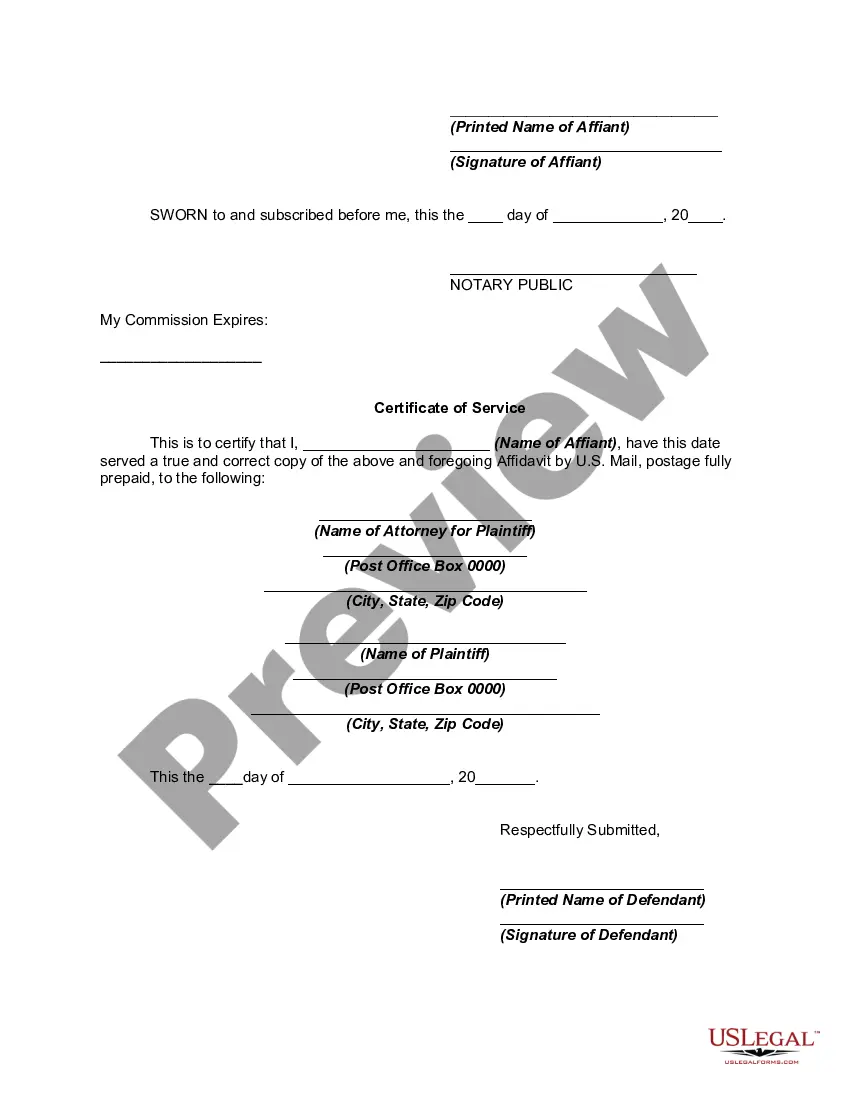




Get your form ready online
Our built-in tools help you complete, sign, share, and store your documents in one place.
Make edits, fill in missing information, and update formatting in US Legal Forms—just like you would in MS Word.
Download a copy, print it, send it by email, or mail it via USPS—whatever works best for your next step.
Sign and collect signatures with our SignNow integration. Send to multiple recipients, set reminders, and more. Go Premium to unlock E-Sign.
If this form requires notarization, complete it online through a secure video call—no need to meet a notary in person or wait for an appointment.
We protect your documents and personal data by following strict security and privacy standards.

Make edits, fill in missing information, and update formatting in US Legal Forms—just like you would in MS Word.

Download a copy, print it, send it by email, or mail it via USPS—whatever works best for your next step.

Sign and collect signatures with our SignNow integration. Send to multiple recipients, set reminders, and more. Go Premium to unlock E-Sign.

If this form requires notarization, complete it online through a secure video call—no need to meet a notary in person or wait for an appointment.

We protect your documents and personal data by following strict security and privacy standards.
Looking for another form?


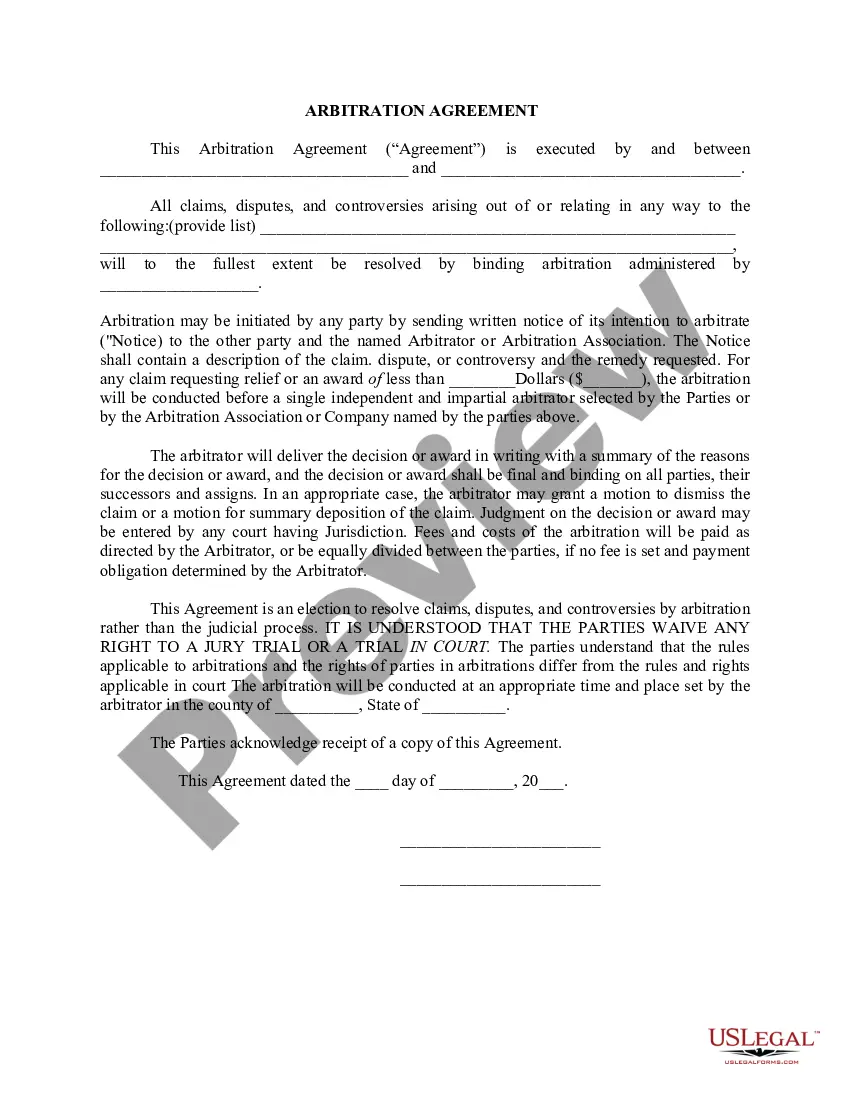







Form popularity
FAQ
To request a non-jury court setting or hearing, please contact the presiding court clerk at 210-335-2000 for more information. To request a setting or hearing before a jury, please contact the jury assignment clerk at 210-335-2520.
A motion to strike is a request to a judge that part of a party's pleading or a piece of evidence be removed from the record. During the pleading stage, this can be accomplished by a tool such as Rule 12(f) of the Federal Rules of Civil Procedure or a state equivalent.
A motion to strike must be made before a responsive pleading, if a responsive pleading is permitted. If no responsive pleading is permitted, a motion to strike must be made within 21 days after being served with the pleading.
A response and brief to an opposed motion must be filed within 21 days from the date the motion is filed. Time for Reply Briefs. Unless otherwise directed by the presiding judge, a party who has filed an opposed motion may file a reply brief within 14 days from the date the response is filed.
The primary purpose of a motion to strike is to clean up the pleadings by eliminating irrelevant, redundant, or legally insufficient parts. This helps in focusing the litigation on the substantive issues, thereby streamlining the legal process.
No food or drinks of any kind inside the courtroom. No loud talking while the court is in session unless you are speaking to the judge. All headwear, including caps, hats, beanies, and bandanas are prohibited in the courtroom.
A motion to dismiss asks the court to dismiss either whole or part of a complaint, counterclaim, or crossclaim. Motion to strike or "Demurrer": In some jurisdictions, a motion to strike or a "demurrer" is the equivalent to a motion to dismiss for failure to state a claim upon which relief can be granted.
A motion to strike is a request by one party in a United States trial requesting that the presiding judge order the removal of all or part of the opposing party's pleading to the court.
