Motion For Strike In Sacramento
Description

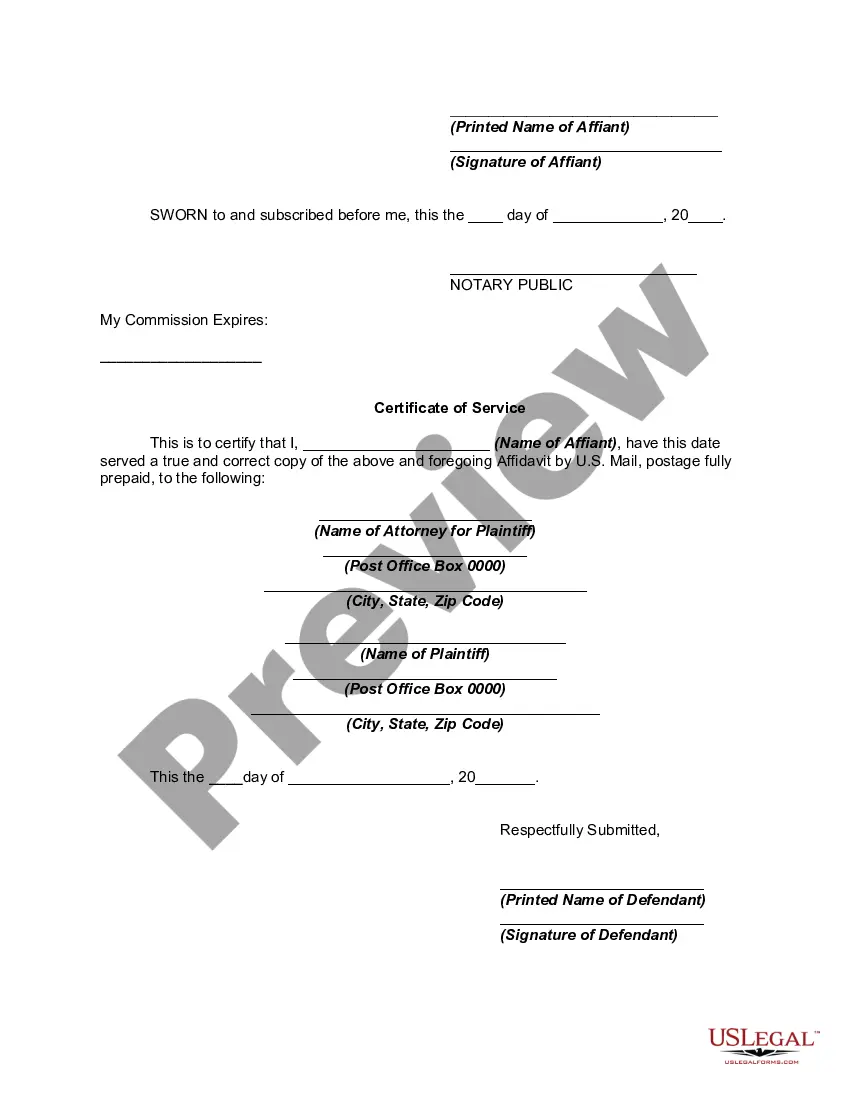




Get your form ready online
Our built-in tools help you complete, sign, share, and store your documents in one place.
Make edits, fill in missing information, and update formatting in US Legal Forms—just like you would in MS Word.
Download a copy, print it, send it by email, or mail it via USPS—whatever works best for your next step.
Sign and collect signatures with our SignNow integration. Send to multiple recipients, set reminders, and more. Go Premium to unlock E-Sign.
If this form requires notarization, complete it online through a secure video call—no need to meet a notary in person or wait for an appointment.
We protect your documents and personal data by following strict security and privacy standards.

Make edits, fill in missing information, and update formatting in US Legal Forms—just like you would in MS Word.

Download a copy, print it, send it by email, or mail it via USPS—whatever works best for your next step.

Sign and collect signatures with our SignNow integration. Send to multiple recipients, set reminders, and more. Go Premium to unlock E-Sign.

If this form requires notarization, complete it online through a secure video call—no need to meet a notary in person or wait for an appointment.

We protect your documents and personal data by following strict security and privacy standards.
Looking for another form?

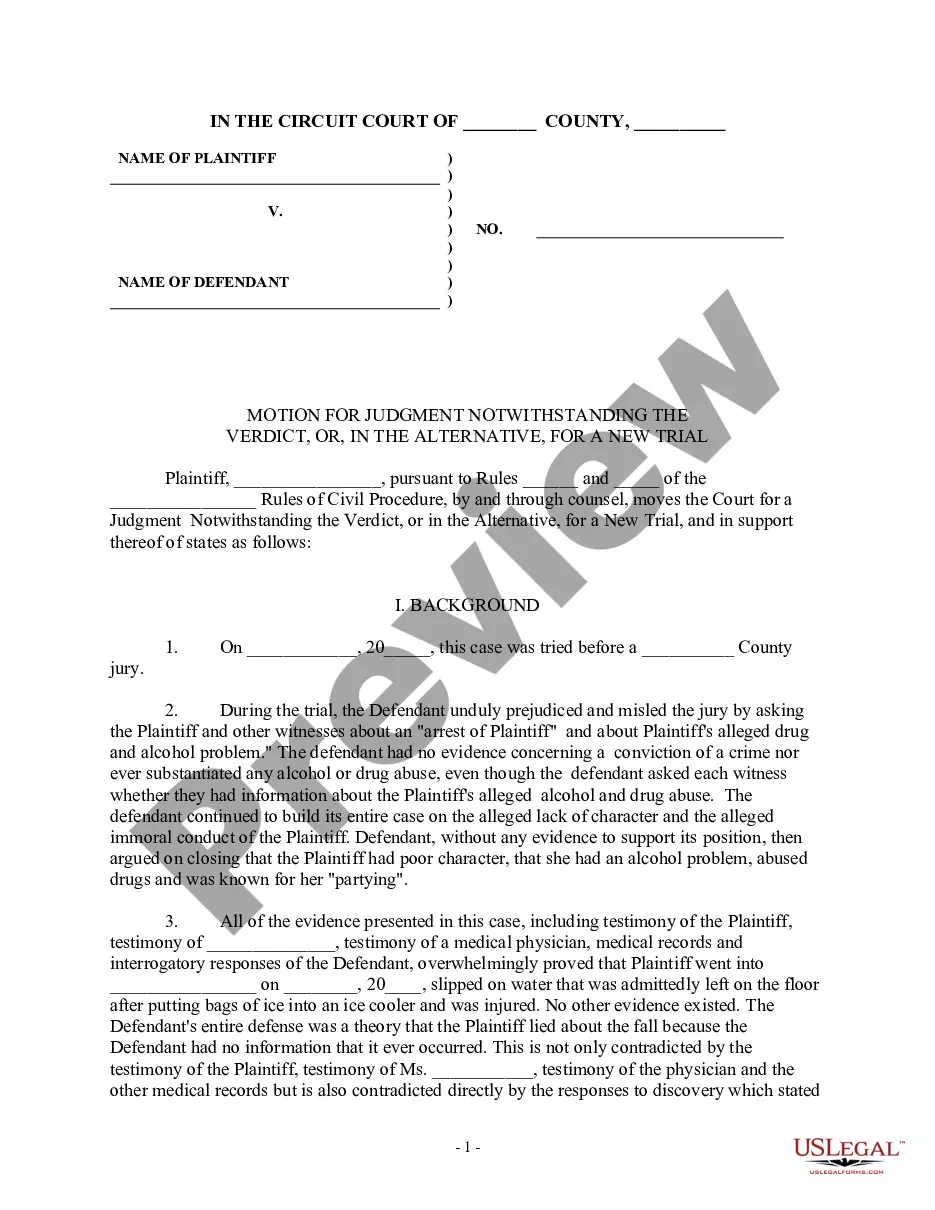
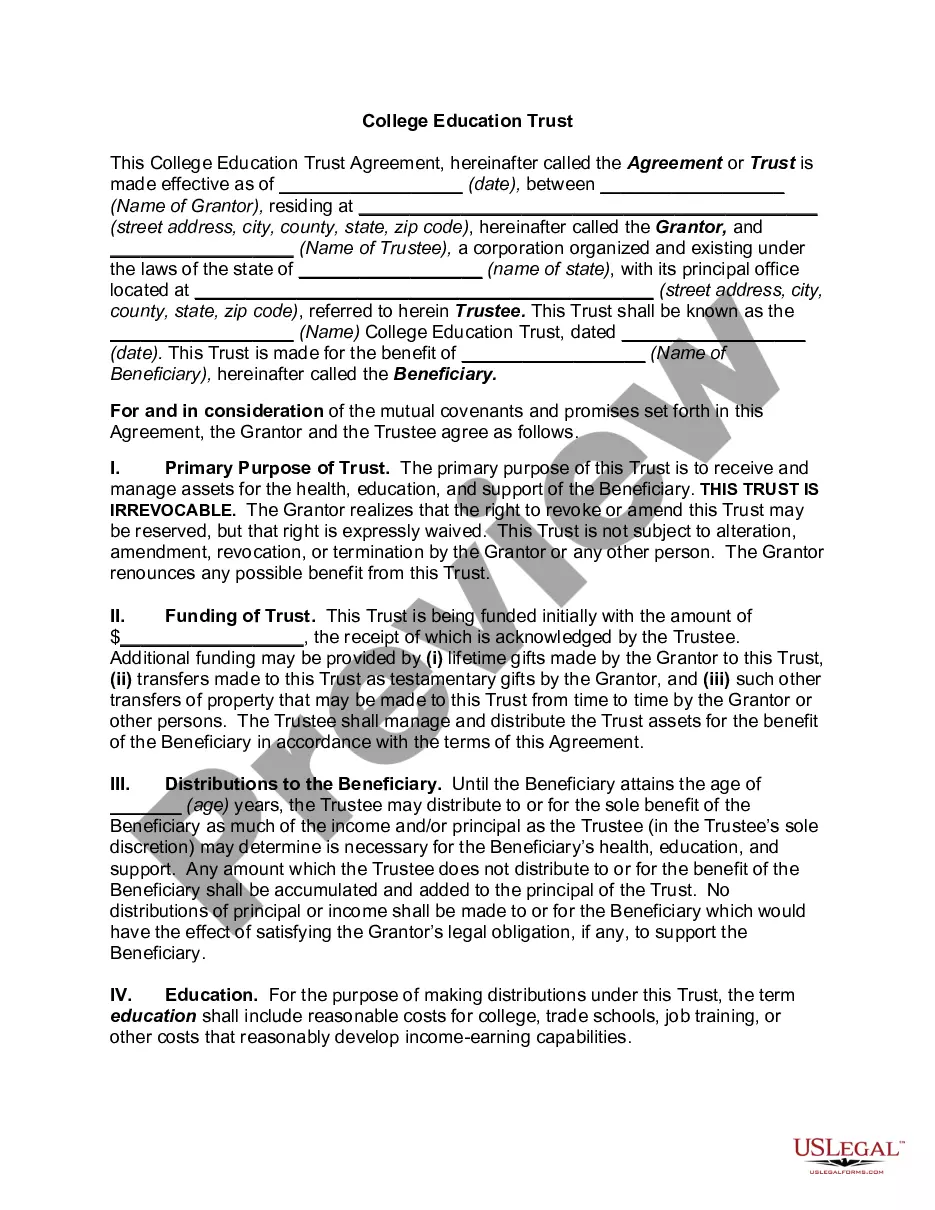

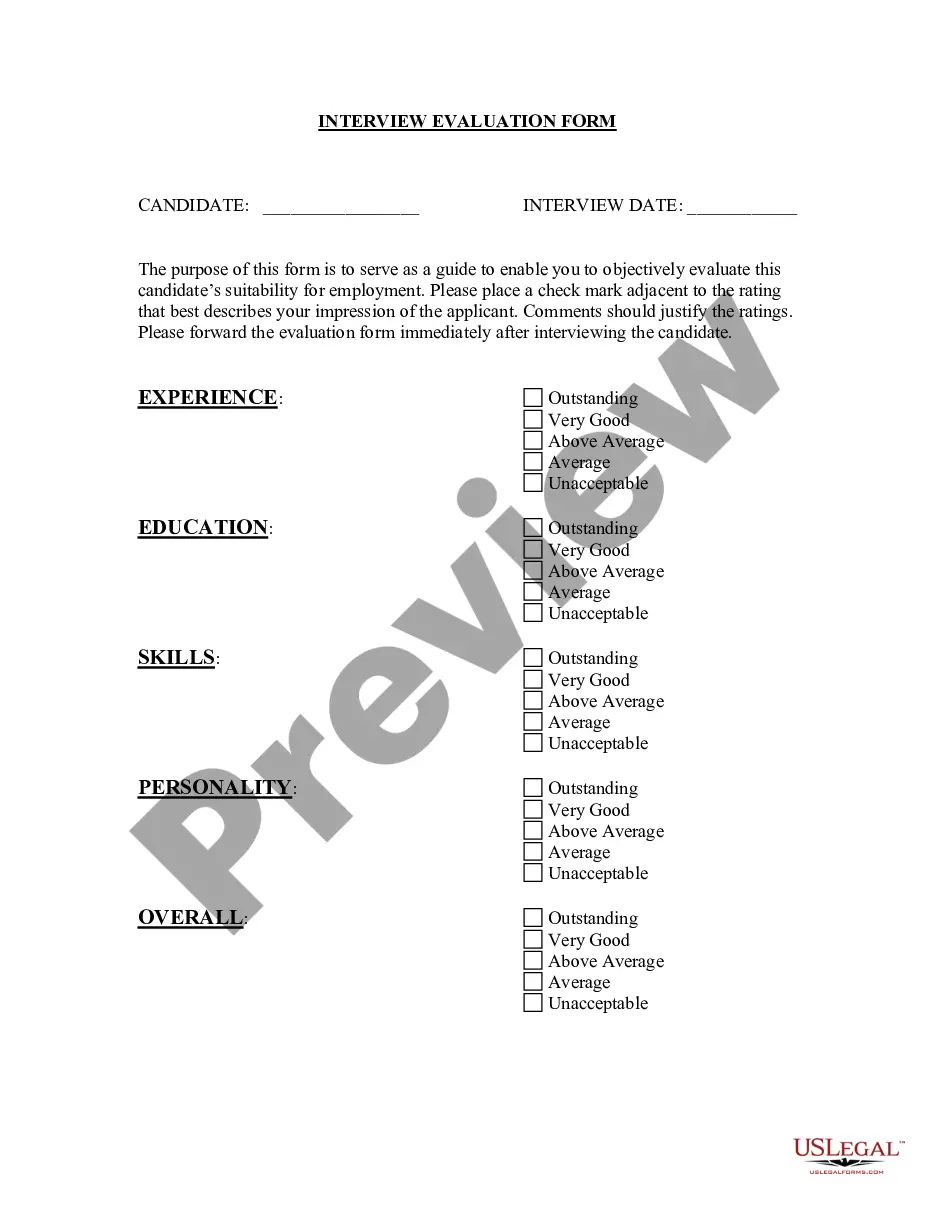


Form popularity
FAQ
Primary tabs. A motion to strike is a request to a judge that part of a party's pleading or a piece of evidence be removed from the record.
What happens next? If we filed the motion to strike in a trial court, then we will set the motion to be heard by a judge or magistrate, and be ruled upon. If we filed it in an appeals court, the appeals court will read the motion and offending document and will rule on it without hearing.
During a jury trial, if a motion to strike witness testimony is granted, the jury is typically instructed to disregard the stricken statements.
Motion to Strike This asks the court to take something out of the Complaint because it is not understandable, it is repetitive, it isn't legal, or it doesn't matter. This motion can help to limit what the case is about so you do not have to defend that part of the case.
A notice of motion to strike must be given within the time allowed to plead, and if a demurrer is interposed, concurrently therewith, and must be noticed for hearing and heard at the same time as the demurrer.
C.C.P. § 436 allows for a motion to strike “any irrelevant, false, or improper matter asserted in any pleading” or portion of a pleading “not drawn of filed in conformity with the laws of this state.” A motion to strike is proper “when a substantive defect is clear from the face of a complaint.” (PH II, Inc.
Motion to strike. n. a request for a judge's order to eliminate all or a portion of the legal pleading (complaint, answer) of the opposition on any one of several grounds. It is often used in an attempt to have an entire cause of action removed ("stricken") from the court record.
If you want to file a motion, the process is generally something like this: You write your motion. You file your motion with the court clerk. The court clerk inserts the date and time your motion will be heard by the judge. You “serve” (mail) your motion to the other side.
A motion to strike is a request to a judge that part of a party's pleading or a piece of evidence be removed from the record.
A Motion to Strike is similar to a Demurrer, in that it challenges defects in the complaint. However, the two pleadings challenge different types of defects. A Demurrer is used to challenge the legal sufficiency or clarity of the claims.
