Motion Strike Sample With Time In Ohio
Description

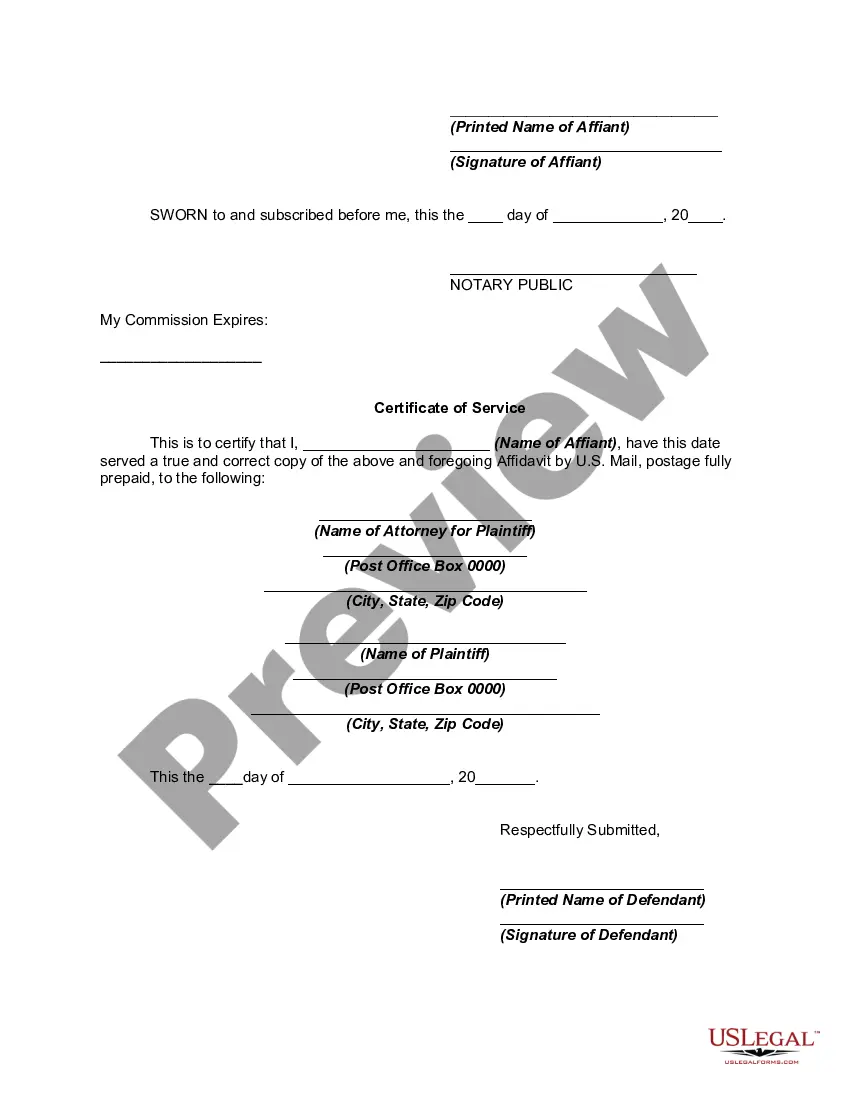




Get your form ready online
Our built-in tools help you complete, sign, share, and store your documents in one place.
Make edits, fill in missing information, and update formatting in US Legal Forms—just like you would in MS Word.
Download a copy, print it, send it by email, or mail it via USPS—whatever works best for your next step.
Sign and collect signatures with our SignNow integration. Send to multiple recipients, set reminders, and more. Go Premium to unlock E-Sign.
If this form requires notarization, complete it online through a secure video call—no need to meet a notary in person or wait for an appointment.
We protect your documents and personal data by following strict security and privacy standards.

Make edits, fill in missing information, and update formatting in US Legal Forms—just like you would in MS Word.

Download a copy, print it, send it by email, or mail it via USPS—whatever works best for your next step.

Sign and collect signatures with our SignNow integration. Send to multiple recipients, set reminders, and more. Go Premium to unlock E-Sign.

If this form requires notarization, complete it online through a secure video call—no need to meet a notary in person or wait for an appointment.

We protect your documents and personal data by following strict security and privacy standards.
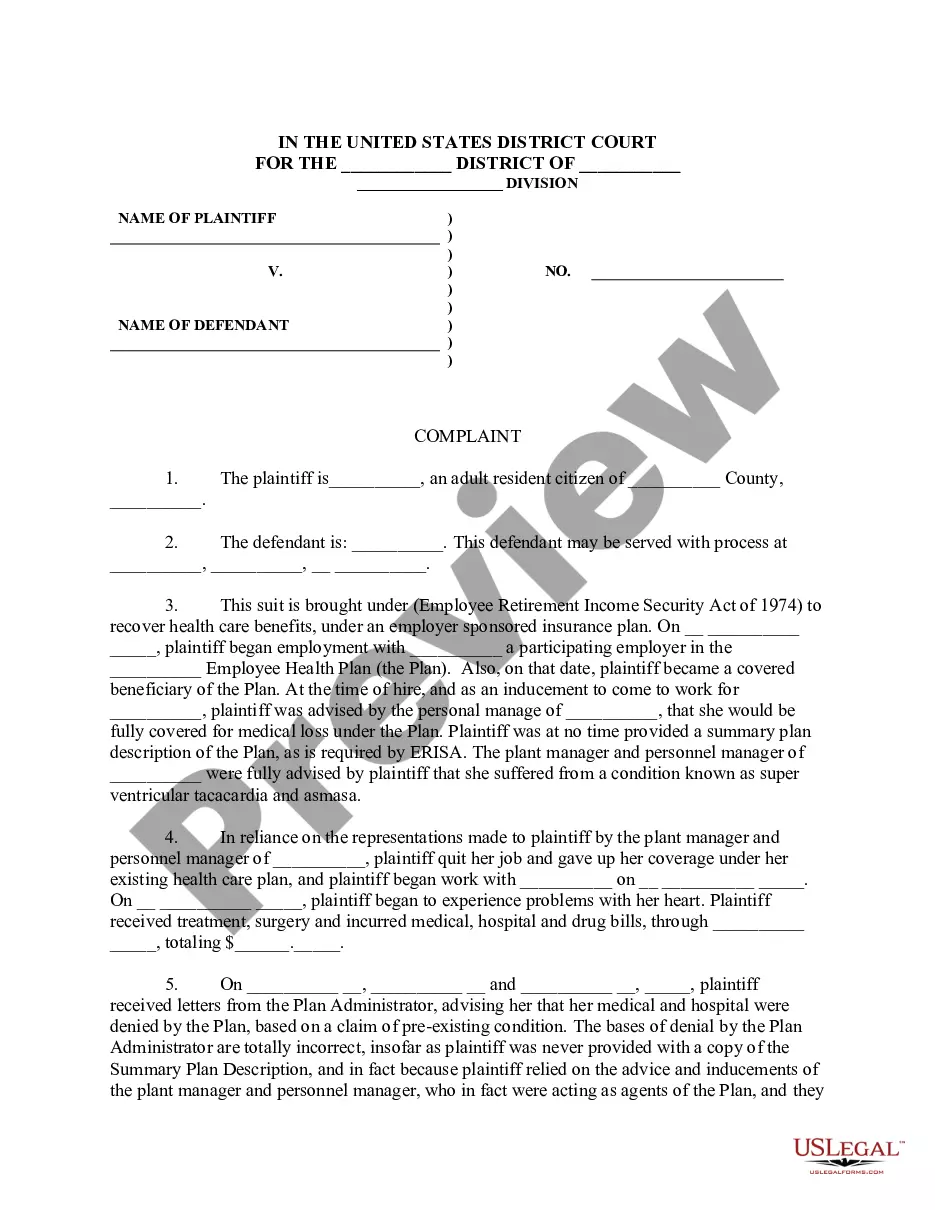
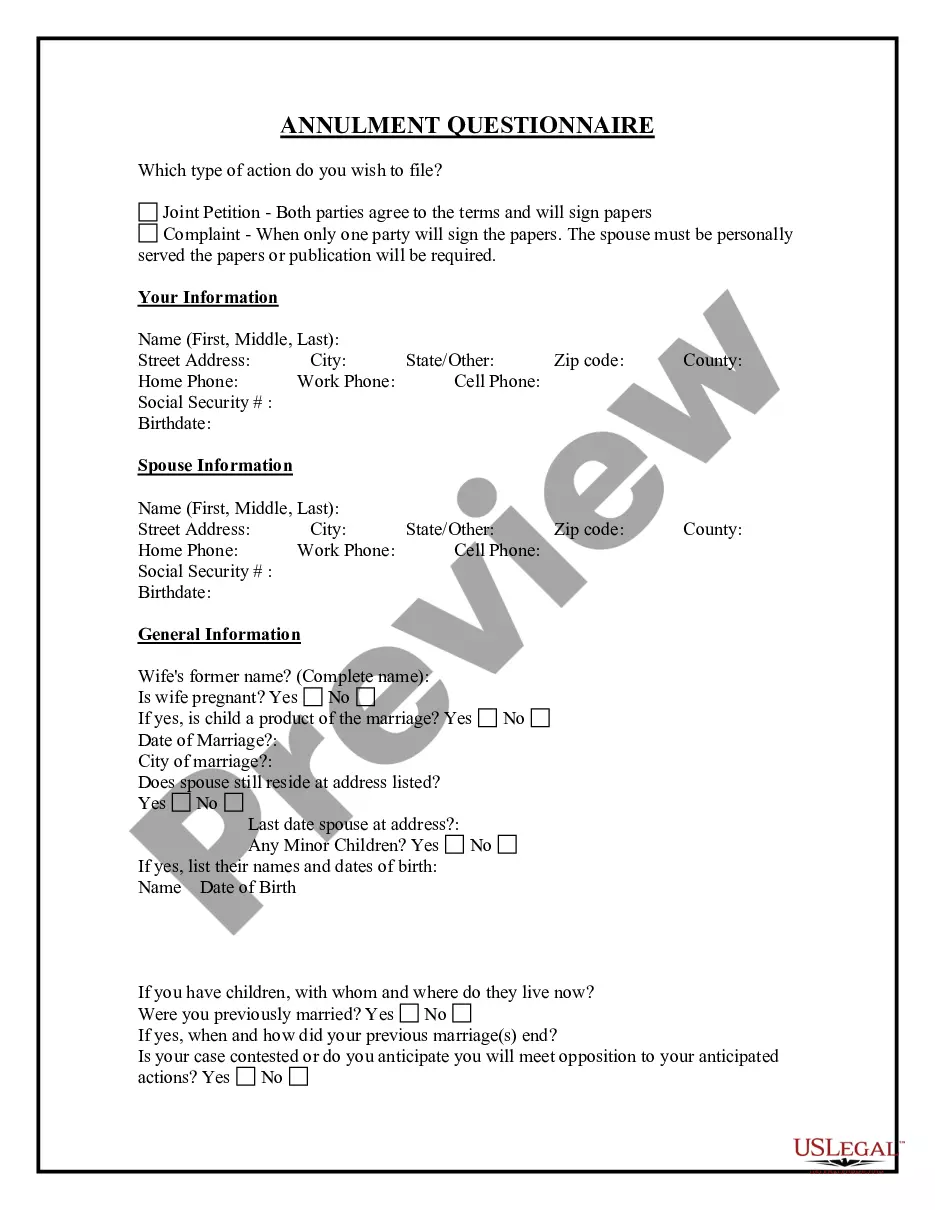
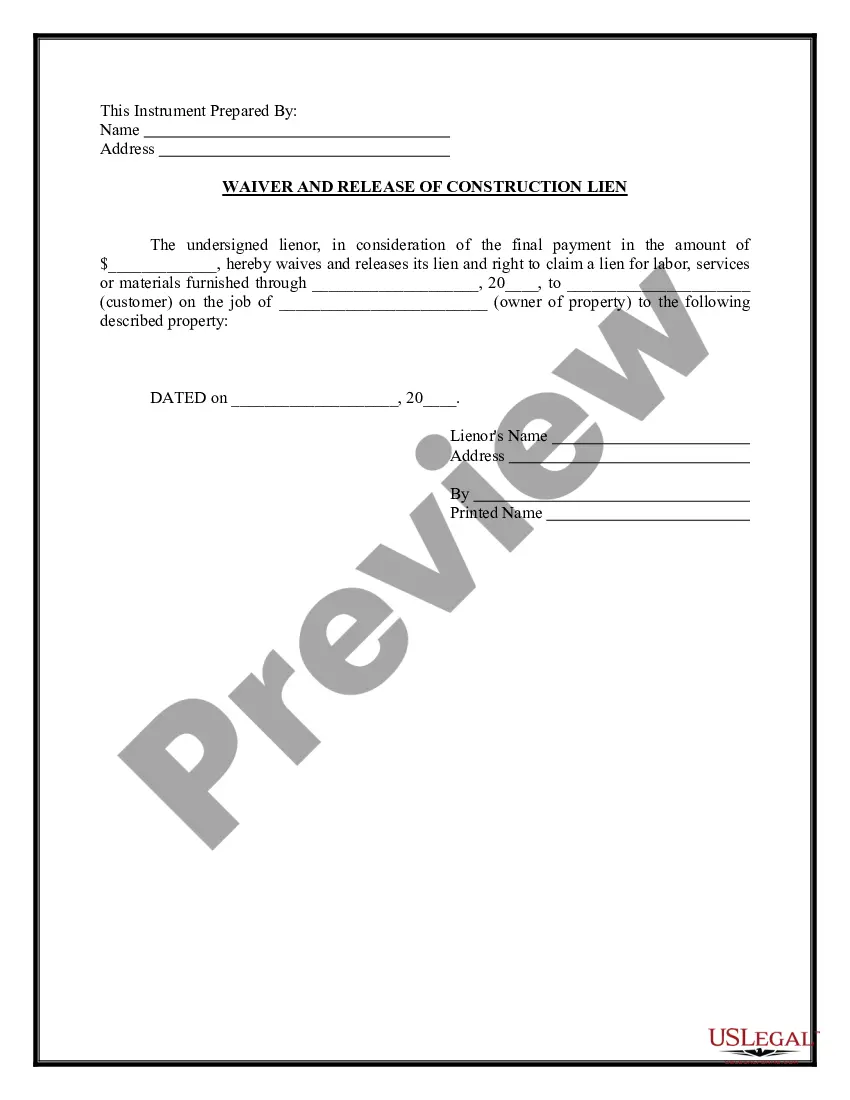
Looking for another form?







Form popularity
FAQ
It's like asking the ref to call the game because the other team didn't show. But wait the judgeMoreIt's like asking the ref to call the game because the other team didn't show. But wait the judge says not so fast that's an order denying motion for default judgment.
C.C.P. § 436 allows for a motion to strike “any irrelevant, false, or improper matter asserted in any pleading” or portion of a pleading “not drawn of filed in conformity with the laws of this state.” A motion to strike is proper “when a substantive defect is clear from the face of a complaint.” (PH II, Inc.
No judgment by default shall be entered against this state, a political subdivision, or officer in his representative capacity or agency of either unless the claimant establishes his claim or right to relief by evidence satisfactory to the court.
The motion to strike is the proper tool for deleting objectionable mat- ter from a pleading - matter which is objectionable because it is in- flammatory, repetitious or obscene, or because it fails to allege facts, but rather, sets forth conclusions of law or evidentiary matter.
Division (C)(1) The division establishes a twenty-eight- day deadline for service of responses to motions for summary judgment, and a fourteen-day deadline for service of responses to all other motions. A movant's reply to a response to any motion may be served within seven days after service of the response.
If the court denies the motion to dismiss, the defendant(s) must serve their answer within 14 days after notice of the court's action (Ohio Civ. R. 12(A)).
(c) If service of process is refused or was unclaimed, the Clerk shall forthwith electronically file a Return of Service Unexecuted which shall serve as notice to the attorney of record or if there is no attorney of record, the party at whose instance process was issued (who shall be copied by regular mail), that ...
Default. (a) Entry. When a party against whom a judgment for affirmative relief is sought has failed to plead or otherwise defend as provided by these rules and that fact is made to appear by affidavit or otherwise, the clerk shall enter such party's default.
What happens next? If we filed the motion to strike in a trial court, then we will set the motion to be heard by a judge or magistrate, and be ruled upon. If we filed it in an appeals court, the appeals court will read the motion and offending document and will rule on it without hearing.
