Alimony Spouse Support For Cheating In Nevada
Description

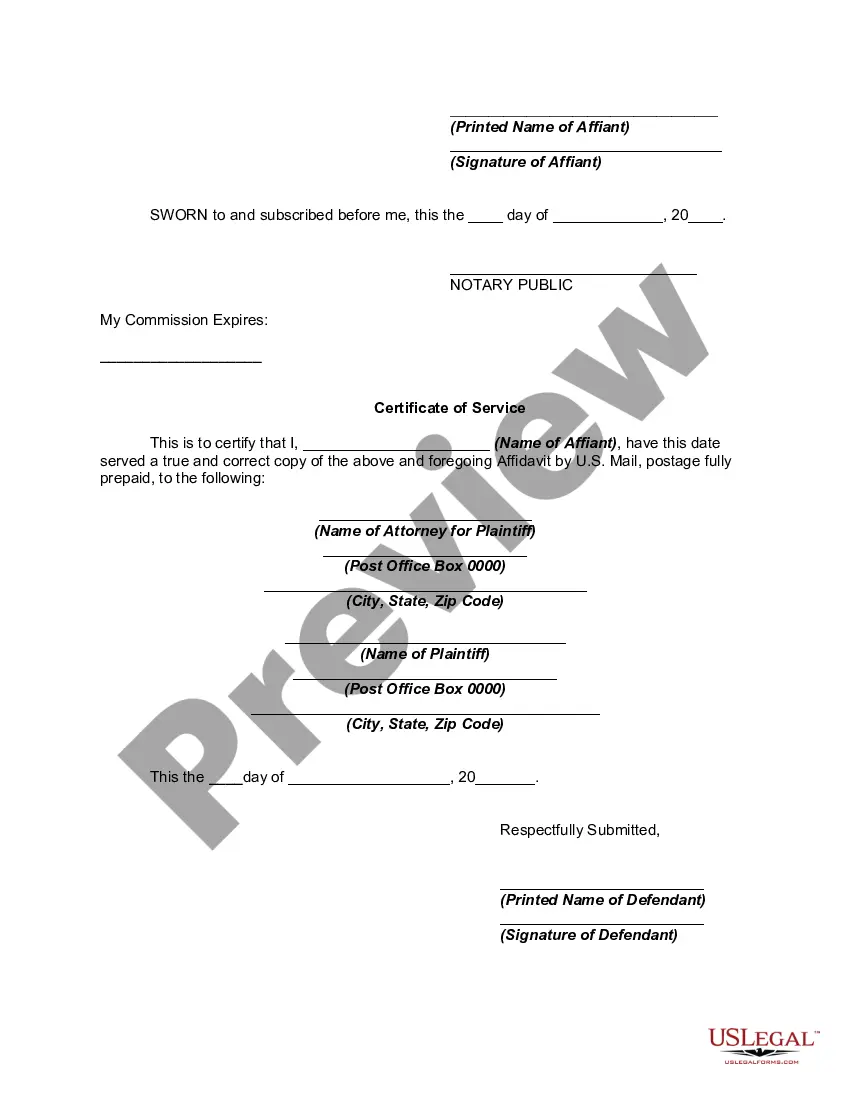




Get your form ready online
Our built-in tools help you complete, sign, share, and store your documents in one place.
Make edits, fill in missing information, and update formatting in US Legal Forms—just like you would in MS Word.
Download a copy, print it, send it by email, or mail it via USPS—whatever works best for your next step.
Sign and collect signatures with our SignNow integration. Send to multiple recipients, set reminders, and more. Go Premium to unlock E-Sign.
If this form requires notarization, complete it online through a secure video call—no need to meet a notary in person or wait for an appointment.
We protect your documents and personal data by following strict security and privacy standards.

Make edits, fill in missing information, and update formatting in US Legal Forms—just like you would in MS Word.

Download a copy, print it, send it by email, or mail it via USPS—whatever works best for your next step.

Sign and collect signatures with our SignNow integration. Send to multiple recipients, set reminders, and more. Go Premium to unlock E-Sign.

If this form requires notarization, complete it online through a secure video call—no need to meet a notary in person or wait for an appointment.

We protect your documents and personal data by following strict security and privacy standards.
Looking for another form?


Form popularity
FAQ
If both spouses are self-supporting at or above the marital standard of living, the recipient has committed domestic violence against the paying spouse, or the recipient accept a buyout, you may be able to avoid paying spousal support in California.
Yes, courts do not care how immoral a woman behaves within her marriage. If a wife lies, cheats, steals, or gets knocked up from an affair, courts will award her half the assets in the event of a divorce.
Consider these steps to promote healing: Don't decide right away. Before choosing to continue or end a marriage, take the time to heal and understand what was behind the affair. Be accountable. Consult a marriage counselor. Get help from several sources. Restore trust.
Adultery is either a single person having sex with a married person, or a married person having sex with someone other than their spouse. Cheating is having sex with someone outside of a committed relationship - whether married or not. So, adultery is cheating, but cheating isn't always adultery.
What is considered as cheating? Infidelity, or cheating, is the act of being unfaithful to a spouse or other partner. It typically means engaging in sexual or romantic relations with a person other than one's significant other, breaking a commitment or promise in the act.
Can you get alimony if your husband cheated? In the United States, adultery won't and can't affect alimony. State laws prescribe when a spouse is eligible for alimony. Except in a very few jurisdictions, divorce courts have no power to punish an adulterous spouse.
Adultery is also commonly known as “cheating”, “being unfaithful”, or “having an affair”. The meaning of adultery within case law is: A married man having sexual intercourse with a woman other than his wife. A married woman having sexual intercourse with a man other than her husband.
Key Differences Between Infidelity and Adultery Infidelity encompasses a wide range of betrayals, including emotional, physical, financial, and cyber. Adultery, on the other hand, is strictly related to physical sexual acts outside of marriage. Adultery only applies to married individuals.
They are essentially the same. If I had to be picky, ``infidelity'' is used almost exclusively to describe cheating in a marriage (or similar relationship). Being unfaithful, on the other hand, is used more broadly to describe any act of disloyalty or, occasionally, lack of piety.