Motion To Strike For Untimely Filing In Michigan
Description

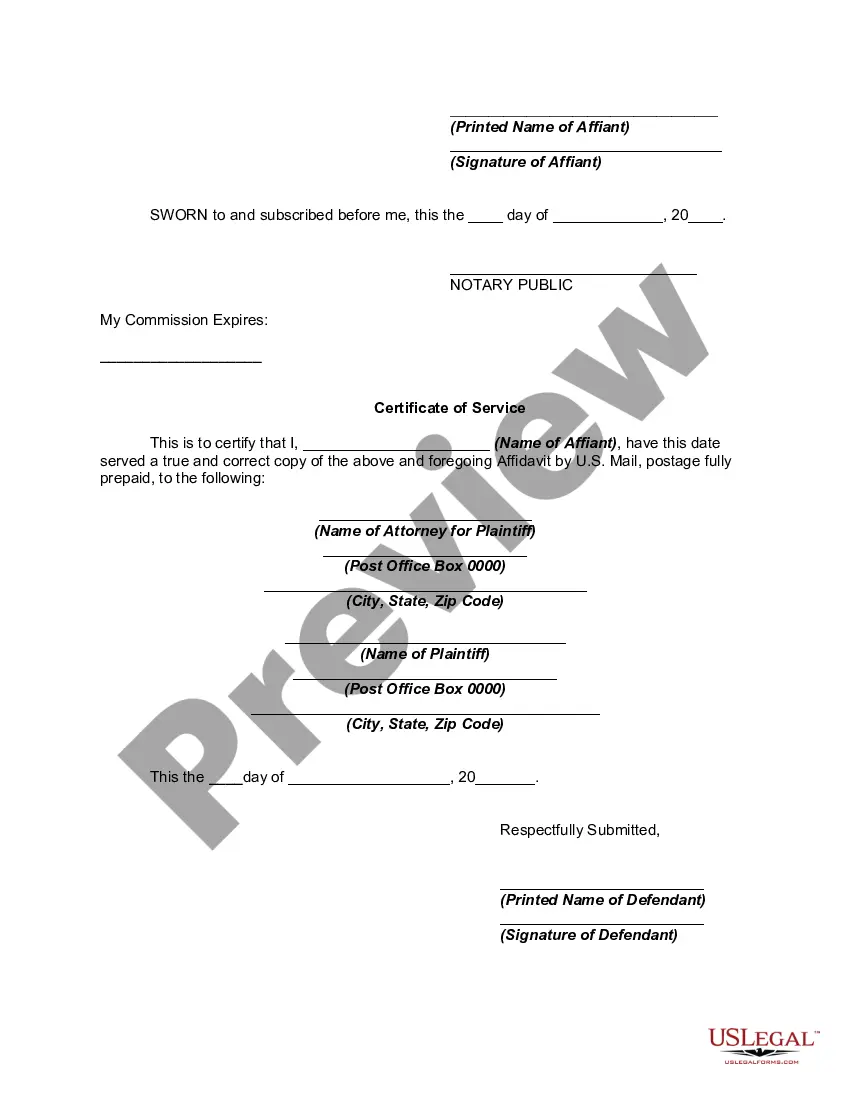




Get your form ready online
Our built-in tools help you complete, sign, share, and store your documents in one place.
Make edits, fill in missing information, and update formatting in US Legal Forms—just like you would in MS Word.
Download a copy, print it, send it by email, or mail it via USPS—whatever works best for your next step.
Sign and collect signatures with our SignNow integration. Send to multiple recipients, set reminders, and more. Go Premium to unlock E-Sign.
If this form requires notarization, complete it online through a secure video call—no need to meet a notary in person or wait for an appointment.
We protect your documents and personal data by following strict security and privacy standards.

Make edits, fill in missing information, and update formatting in US Legal Forms—just like you would in MS Word.

Download a copy, print it, send it by email, or mail it via USPS—whatever works best for your next step.

Sign and collect signatures with our SignNow integration. Send to multiple recipients, set reminders, and more. Go Premium to unlock E-Sign.

If this form requires notarization, complete it online through a secure video call—no need to meet a notary in person or wait for an appointment.

We protect your documents and personal data by following strict security and privacy standards.
Looking for another form?
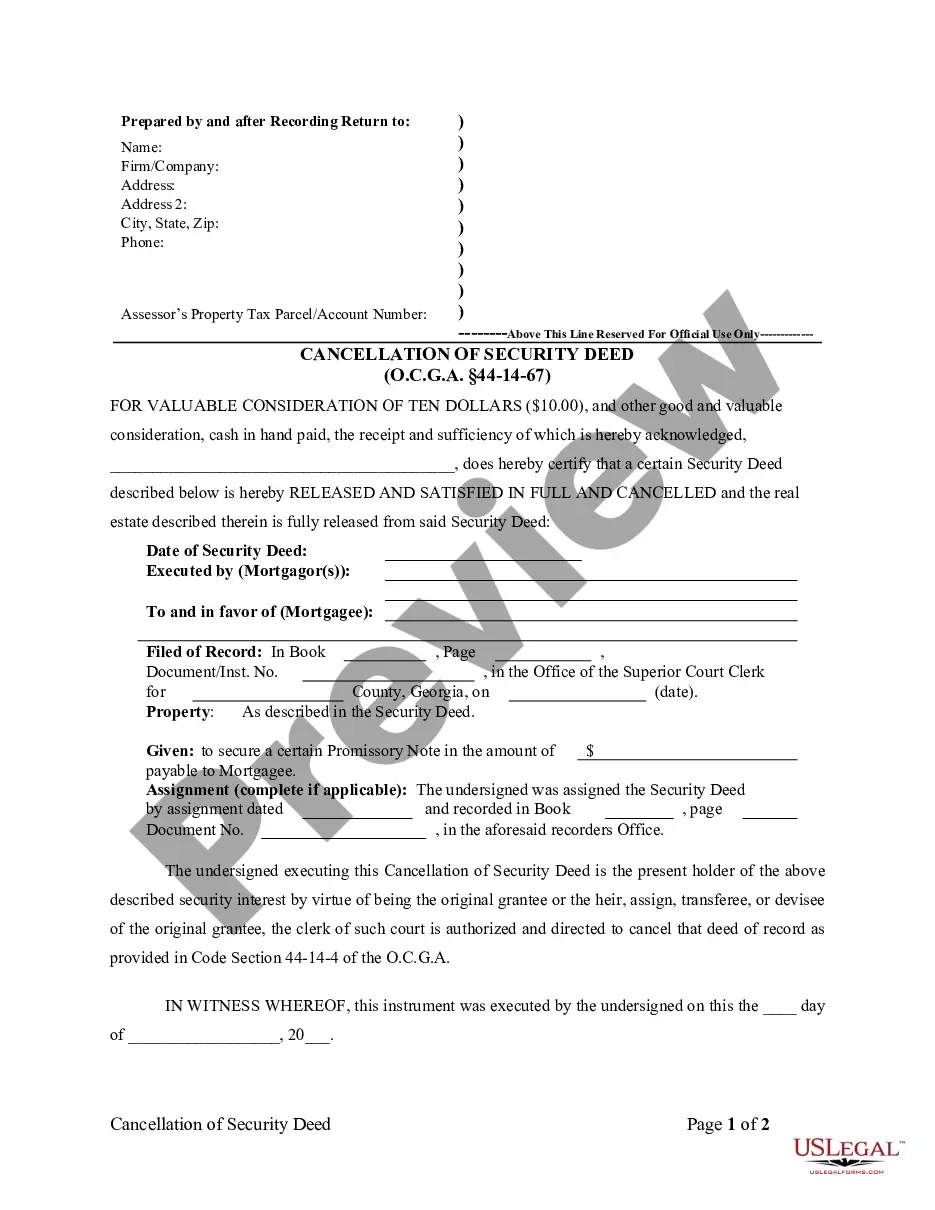
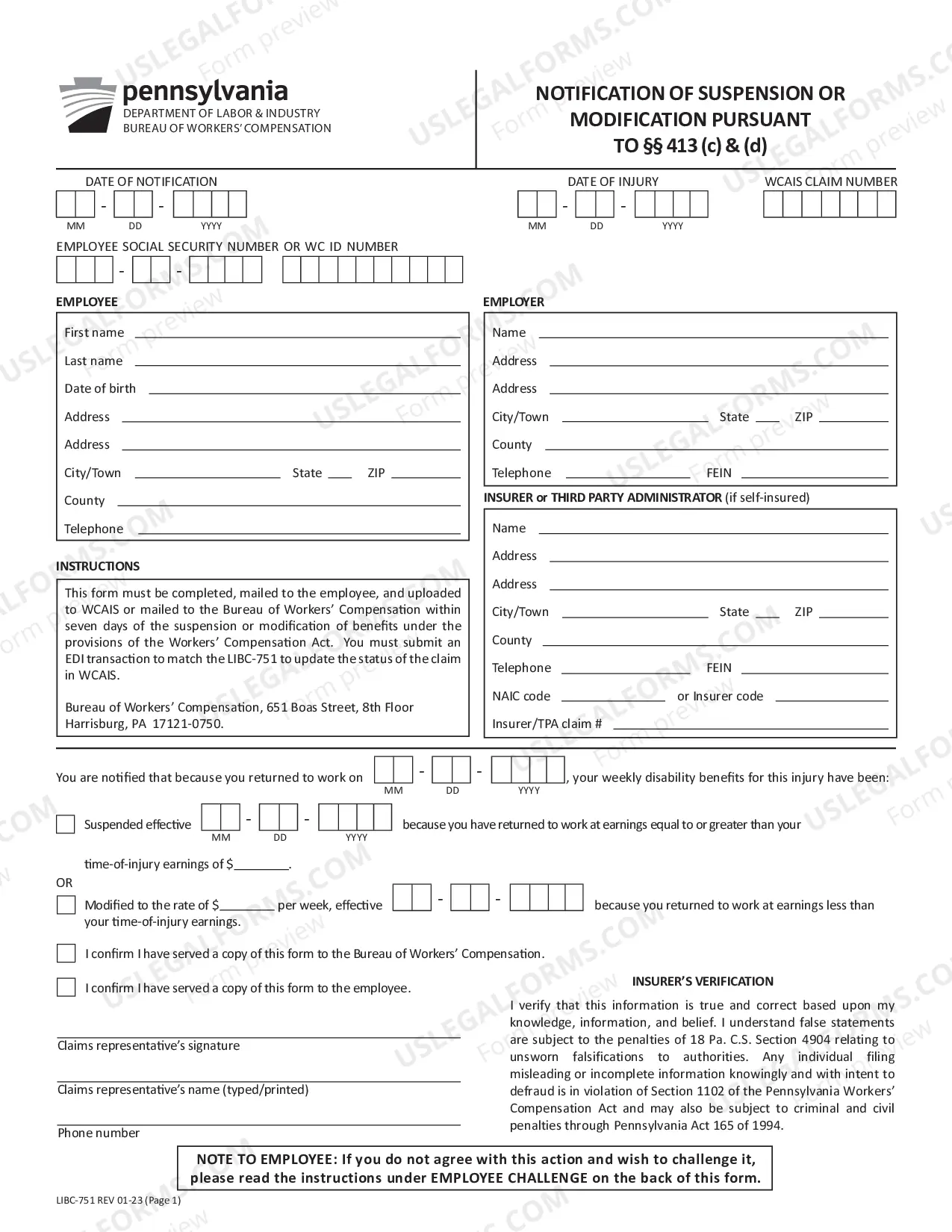
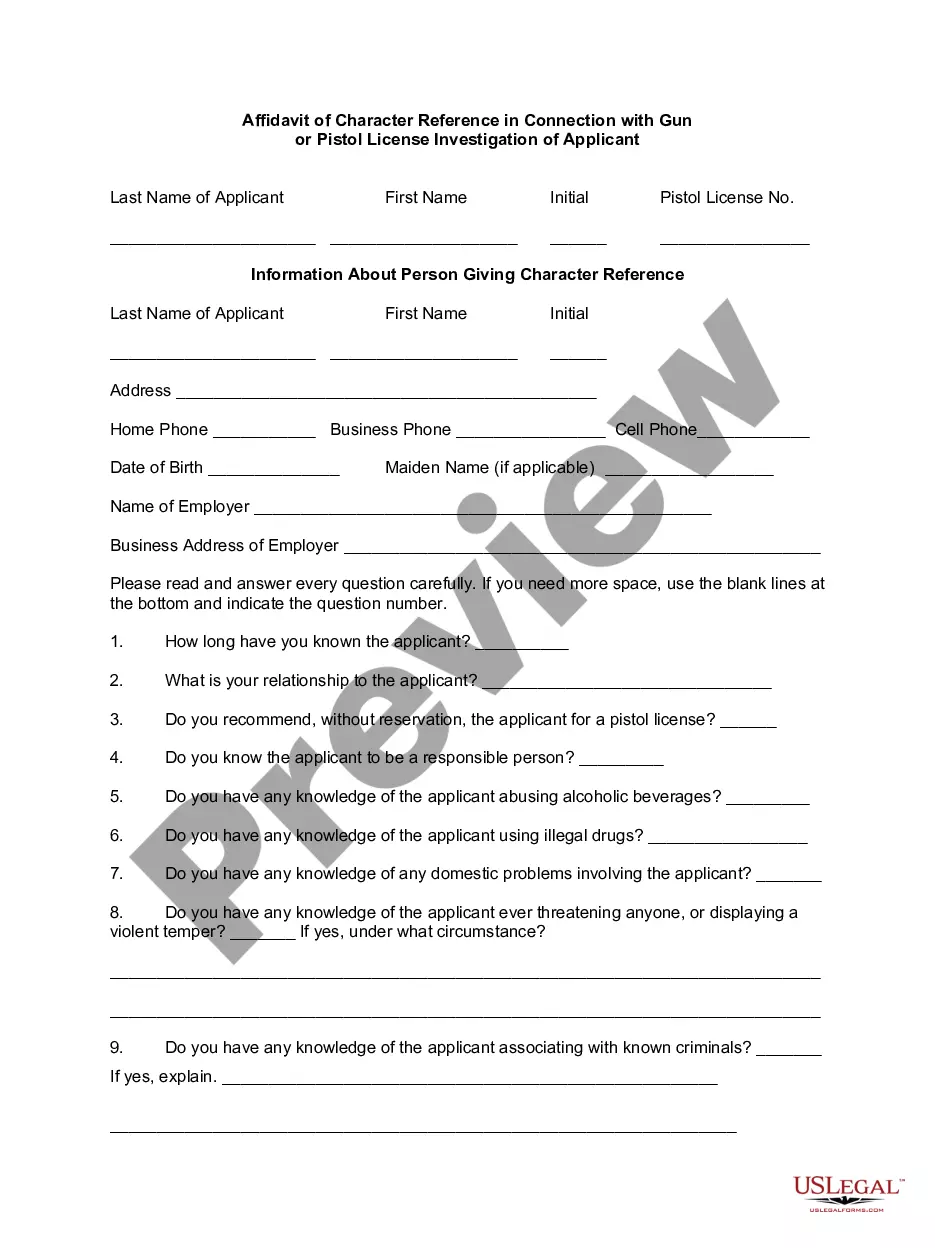




Form popularity
FAQ
Currently, Rule 33(b)(2) requires the defendant to move for a new trial within seven days after the verdict or the finding of guilty verdict, or within some other time set by the court in an order issued during that same seven-day period.
If you do not file written objections to the proposed order within 7 days of the date of this notice, the judge may sign the proposed order without a hearing. If the judge decides that a hearing is needed, you will be notified of the hearing date.
A motion to strike is a request to a judge that part of a party's pleading or a piece of evidence be removed from the record.
As with all motions, a motion to strike must state with particularity the grounds for seeking the order to strike, as well as the relief sought. FRCP 7(b); Smart Code®. Under FRCP 12(f), the court may strike from a pleading an insufficient defense or any redundant, immaterial, impertinent, or scandalous matter.
What is a Michigan 74 11 law? “7411” comes from MCL 333.7411, which is considered a deferred sentence. 7411 only applies to certain drug crimes and can only be used once in a person's lifetime. A criminal defendant who pleads guilty under 7411 is placed on a period of probation.
(3) Within 7 days after the granting of the judgment or order, or later if the court allows, a party may serve a copy of the proposed judgment or order on the other parties, with a notice to them that it will be submitted to the court for signing if no written objections to its accuracy or completeness are filed with ...
A motion to strike is a request to a judge that part of a party's pleading or a piece of evidence be removed from the record.
Such requests for reconsideration are often filed, but rarely successful unless there clearly has been a change in the law or facts.
Winning an MJP means the court is entering a final judgment on the count(s), resulting in a final disposition. This is a more favorable outcome compared to a motion to dismiss in which the judge simply dismisses the count, often without prejudice.
