Motion Strike Sample For Job In Maricopa
Description

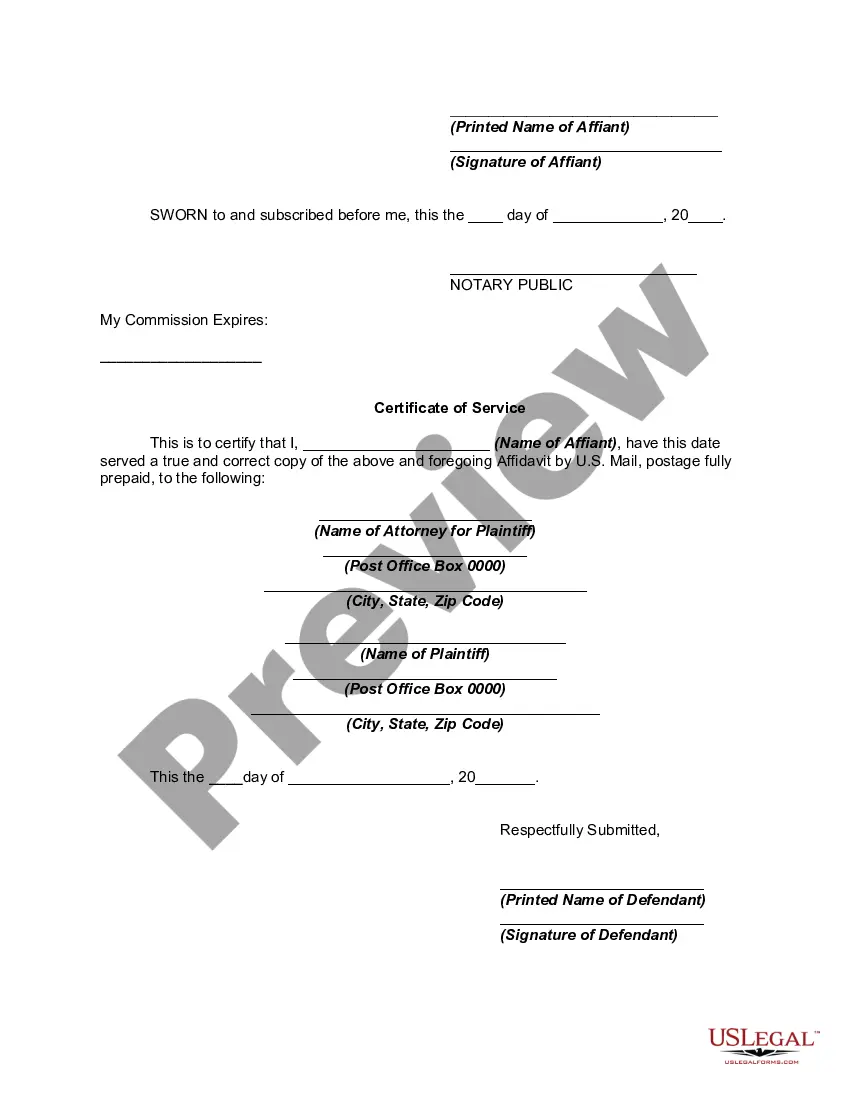




Get your form ready online
Our built-in tools help you complete, sign, share, and store your documents in one place.
Make edits, fill in missing information, and update formatting in US Legal Forms—just like you would in MS Word.
Download a copy, print it, send it by email, or mail it via USPS—whatever works best for your next step.
Sign and collect signatures with our SignNow integration. Send to multiple recipients, set reminders, and more. Go Premium to unlock E-Sign.
If this form requires notarization, complete it online through a secure video call—no need to meet a notary in person or wait for an appointment.
We protect your documents and personal data by following strict security and privacy standards.

Make edits, fill in missing information, and update formatting in US Legal Forms—just like you would in MS Word.

Download a copy, print it, send it by email, or mail it via USPS—whatever works best for your next step.

Sign and collect signatures with our SignNow integration. Send to multiple recipients, set reminders, and more. Go Premium to unlock E-Sign.

If this form requires notarization, complete it online through a secure video call—no need to meet a notary in person or wait for an appointment.

We protect your documents and personal data by following strict security and privacy standards.
Looking for another form?




Form popularity
FAQ
Unless made at trial, a motion to strike may be filed only if it is authorized by statute or rule, such as Federal Rules of Civil Procedure 12(f), 26(g)(2) or 37(b)(2)(A)(iii), or if it seeks to strike any part of a filing or submission on the ground that it is prohibited (or not authorized) by a statute, rule, or ...
Write a short and clear introduction. Draft a factually accurate narrative. Know the standard that must be met and craft an explanation of the standard. Use the most persuasive components of the relevant law. Apply the law to the facts in a convincing and credible manner. Conclusion.
If you file a motion to strike, it must be in a stand-alone pleading that cannot exceed two pages. A response is due within five days, and the response also cannot exceed two-pages. Do not file a reply unless one is ordered. A motion to strike does not extend the deadline to file a responsive pleading.
Unless a specific rule states otherwise, an opposing party must file any responsive memorandum within 10 days after the motion and supporting memorandum are served; and, within 5 days after a responsive memorandum is served, the moving party may file a reply memorandum, which may address only those matters raised in ...
The primary purpose of a motion to strike is to clean up the pleadings by eliminating irrelevant, redundant, or legally insufficient parts. This helps in focusing the litigation on the substantive issues, thereby streamlining the legal process.
Motions to continue are not automatically granted. There must be a showing of good cause for the continuance to be granted. Do not assume your motion to continue was granted just because you filed a motion.
A motion focused on an already-filed report or disclosure is usually framed as a motion to strike, while motions to keep things from trial or from consideration on summary judgment are usually motions in limine or motions to exclude. Follow local practice on how to label the motion.
The defendant has 20 calendar days from service of process to file an answer (Form No. AOCLJCV4F) to the lawsuit. An answer is your written response that you file with the court admitting or denying the creditor's claims and the reasons why.
A motion to dismiss is a written request by a defendant asking the Court to dispose of some or all the claims raised in the Complaint before the case can move forward in the litigation process. The Defendant has 21 days to file an Answer, or otherwise respond to the Complaint.
