Motion Strike Sample For Job In Hennepin
Description





Get your form ready online
Our built-in tools help you complete, sign, share, and store your documents in one place.
Make edits, fill in missing information, and update formatting in US Legal Forms—just like you would in MS Word.
Download a copy, print it, send it by email, or mail it via USPS—whatever works best for your next step.
Sign and collect signatures with our SignNow integration. Send to multiple recipients, set reminders, and more. Go Premium to unlock E-Sign.
If this form requires notarization, complete it online through a secure video call—no need to meet a notary in person or wait for an appointment.
We protect your documents and personal data by following strict security and privacy standards.

Make edits, fill in missing information, and update formatting in US Legal Forms—just like you would in MS Word.

Download a copy, print it, send it by email, or mail it via USPS—whatever works best for your next step.

Sign and collect signatures with our SignNow integration. Send to multiple recipients, set reminders, and more. Go Premium to unlock E-Sign.

If this form requires notarization, complete it online through a secure video call—no need to meet a notary in person or wait for an appointment.

We protect your documents and personal data by following strict security and privacy standards.
Looking for another form?









Form popularity
FAQ
State Court: the moving party's motion and supporting documents are due at least 28 days before the hearing; the opposing party's response is due at least 14 days before the hearing; and moving party may submit a reply memorandum, limited to new legal or factual matters raised by an opposing party's response to a ...
Typically, the court requires you to make copies of each exhibit you want to have admitted into evidence, and place a specific sticker on each page that identifies the exhibit with a particular number or letter. Some courts require different colored stickers for the plaintiff and the defendant in each case.
Exhibits may include: Photographs, either digital or physical. Audio or video recordings as digital file types, DVDs, CDs, etc.
77.04Notice of Orders or Judgments Notice under this rule shall not limit the time for taking an appeal or other proceeding on such order, decision, or judgment.
Submitting exhibits via MNDES is the easiest way to provide digital exhibits to the court. You must also follow Court Rules concerning exhibits, including sending the exhibits to other parties involved in your case.
Categorizing and Labeling for Court Fill out an exhibit list with a description and exhibit number or letter. Identify exhibits as physical, electronic, or both. Use specific file naming protocol and sequencing for digital files. Bookmark and annotate PDFs.
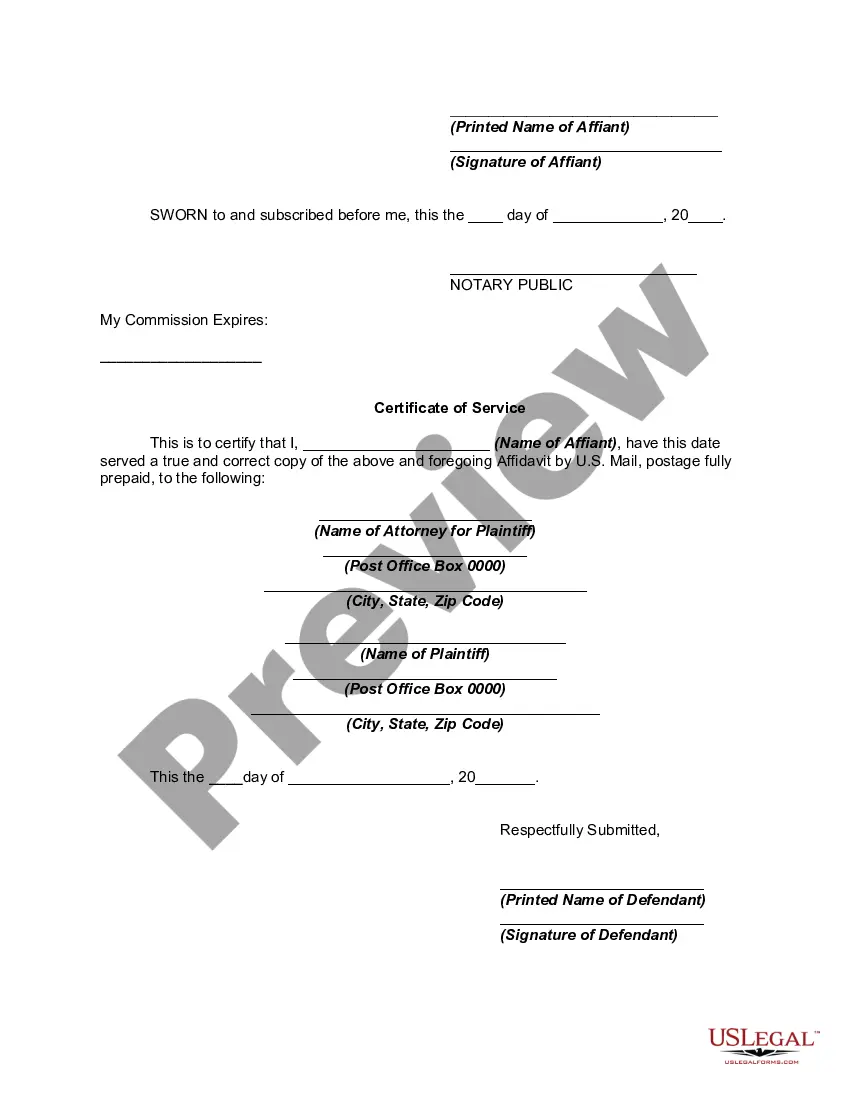
Instructions for filing a. Motion. in the Minnesota Court of Appeals. Step 1: Fill out the Motion form. Step 2: Fill out the Affidavit in Support of Motion form. Step 3: Serve your Motion and Affidavit on the opposing parties. Step 4: Proof of Service. Step 5: File the Motion, Affidavit, and Certificate of Service by Mail.
Exhibit list: Prepare an exhibit list that includes a description of each exhibit and its corresponding exhibit number or letter. The exhibit list should be filed with the court and shared with opposing counsel before trial.
Rule 11 does apply to search warrants and related documents filed by parties in a case. If any person filing a medical record in a civil commitment case fails to designate the medical record as non-public upon filing, the court administrator shall not reject the filing due to the failure to do so.
Rule 20 - Child Incompetent to Proceed and Defense of Mental Illness or Mental Deficiency.
