Motion For Strike Court In Arizona
Description

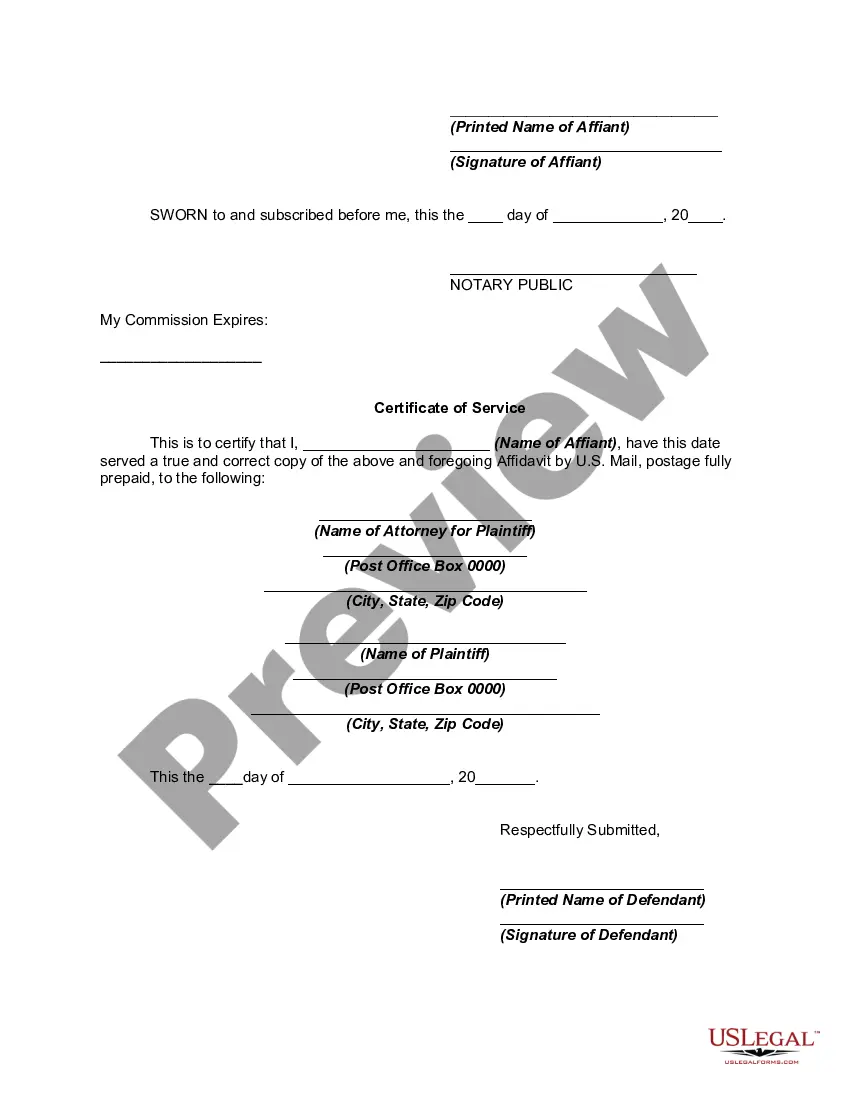




Get your form ready online
Our built-in tools help you complete, sign, share, and store your documents in one place.
Make edits, fill in missing information, and update formatting in US Legal Forms—just like you would in MS Word.
Download a copy, print it, send it by email, or mail it via USPS—whatever works best for your next step.
Sign and collect signatures with our SignNow integration. Send to multiple recipients, set reminders, and more. Go Premium to unlock E-Sign.
If this form requires notarization, complete it online through a secure video call—no need to meet a notary in person or wait for an appointment.
We protect your documents and personal data by following strict security and privacy standards.

Make edits, fill in missing information, and update formatting in US Legal Forms—just like you would in MS Word.

Download a copy, print it, send it by email, or mail it via USPS—whatever works best for your next step.

Sign and collect signatures with our SignNow integration. Send to multiple recipients, set reminders, and more. Go Premium to unlock E-Sign.

If this form requires notarization, complete it online through a secure video call—no need to meet a notary in person or wait for an appointment.

We protect your documents and personal data by following strict security and privacy standards.
Looking for another form?

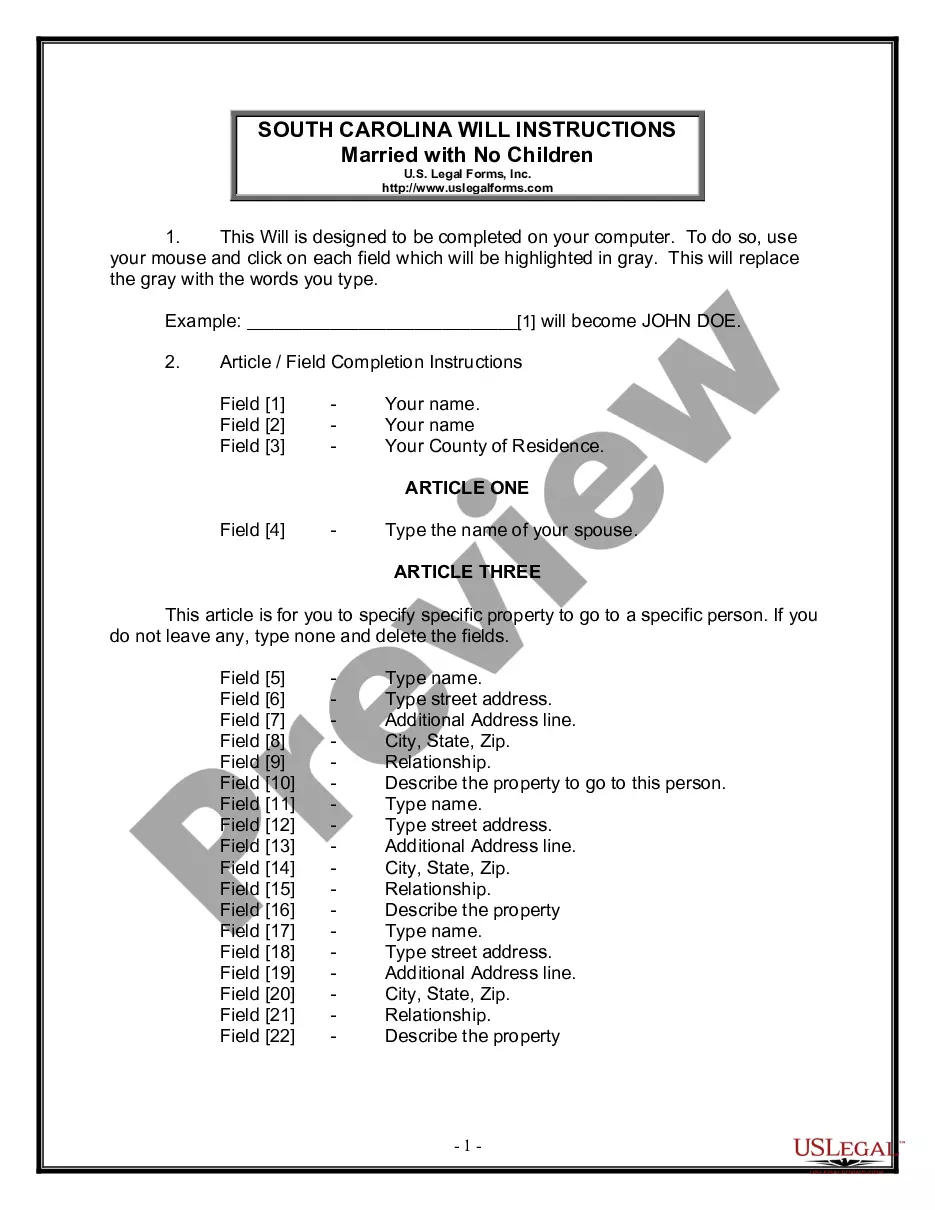

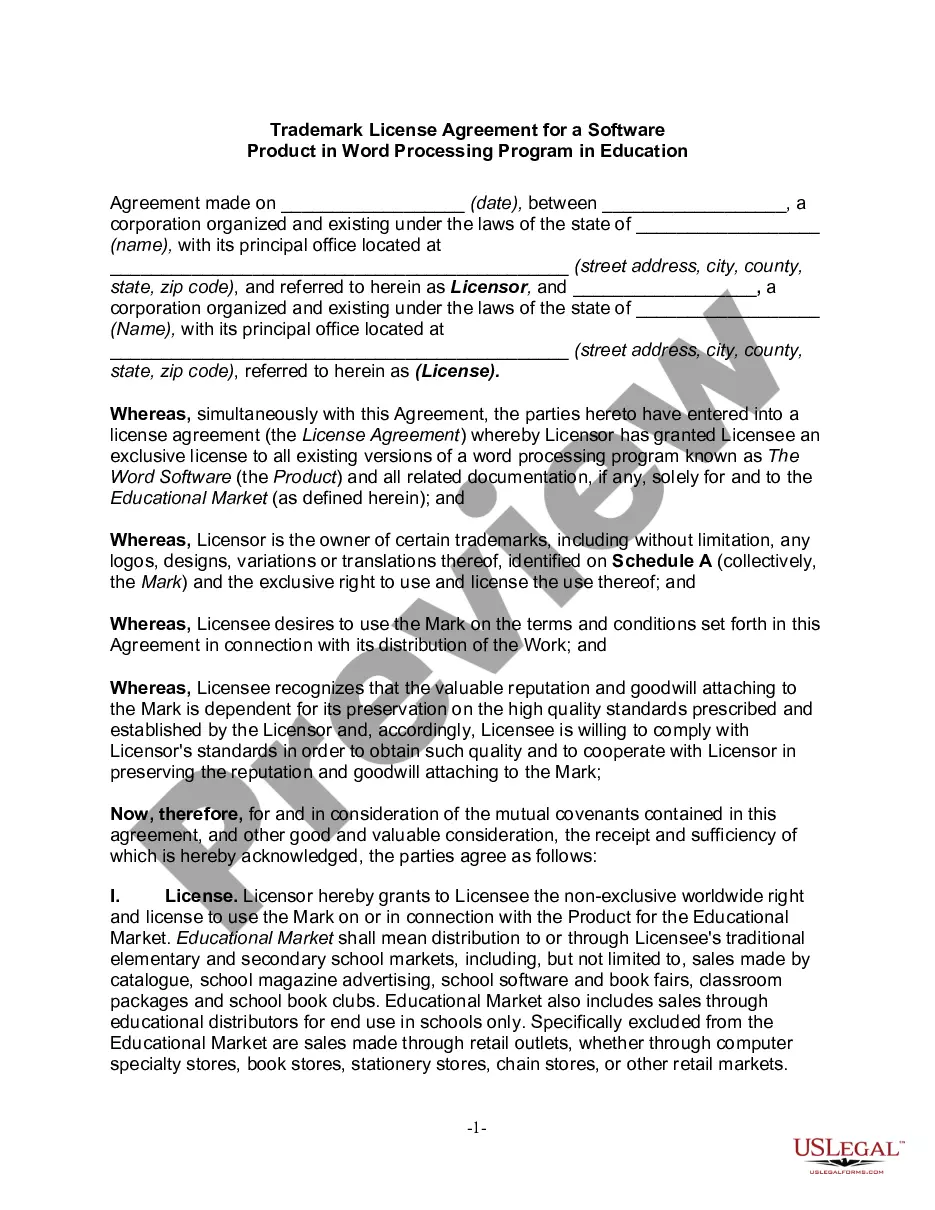

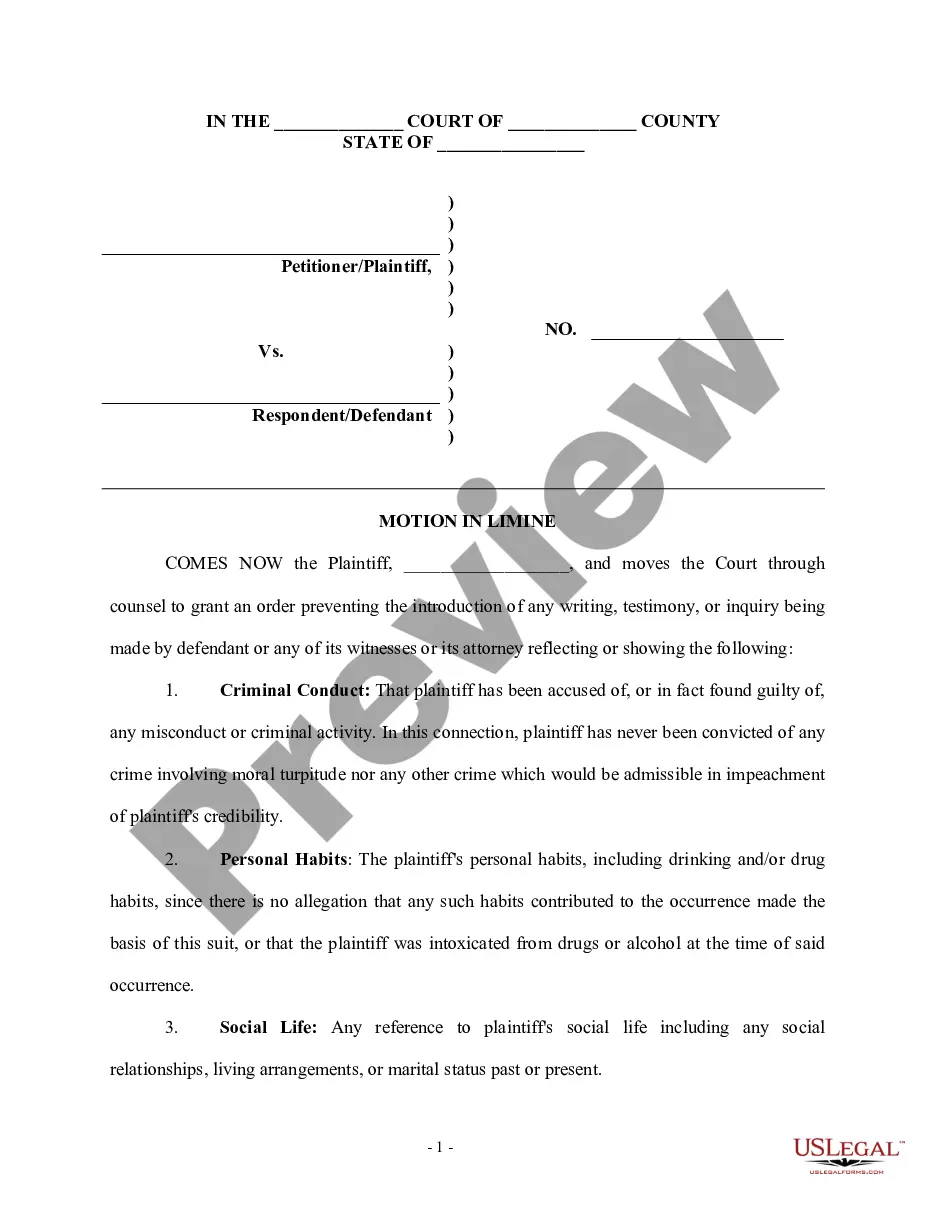

Form popularity
FAQ
Q5: What Happens if a Motion to Strike is Granted? If granted, the court will order the removal of the specified parts from the pleading. This can lead to a narrowing of the issues in the case or, in some instances, weaken the opposing party's position significantly.
Unless made at trial, a motion to strike may be filed only if it is authorized by statute or rule, such as Federal Rules of Civil Procedure 12(f), 26(g)(2) or 37(b)(2)(A)(iii), or if it seeks to strike any part of a filing or submission on the ground that it is prohibited (or not authorized) by a statute, rule, or ...
P. 7. Only these pleadings are allowed: a complaint; an answer to a complaint; a counterclaim; an answer to a counterclaim designated as a counterclaim; an answer to a crossclaim; a third-party complaint; an answer to a third-party complaint; and, if the court orders one, a reply to an answer.
In Arizona, a Rule 69 agreement is a device designed to help divorcing spouses resolve many of their differences out of court. A Rule 69 agreement is a plan that can effectively settle various matters relevant to a divorce.
(1) Generally. A party seeking reconsideration of a court order or ruling may file a motion for reconsideration. (2) Procedure. All such motions, however denominated, must be submitted without oral argument and without the filing of a responsive or reply memorandum, unless the court orders otherwise.
As with all motions, a motion to strike must state with particularity the grounds for seeking the order to strike, as well as the relief sought. FRCP 7(b); Smart Code®. Under FRCP 12(f), the court may strike from a pleading an insufficient defense or any redundant, immaterial, impertinent, or scandalous matter.
(1) An application to the court for an order shall be by motion which, unless made during a hearing or trial, shall be made in writing, shall state with particularity the grounds therefor, and shall set forth the relief or order sought.
Arizona has some of the most restrictive sentencing laws in the country, with every person who is incarcerated required to serve a minimum 85 percent of his or her sentence— regardless of good behavior.
If you want to file a motion, the process is generally something like this: You write your motion. You file your motion with the court clerk. The court clerk inserts the date and time your motion will be heard by the judge. You “serve” (mail) your motion to the other side.
