Sublease Apartment Agreement Form In Virginia
Description
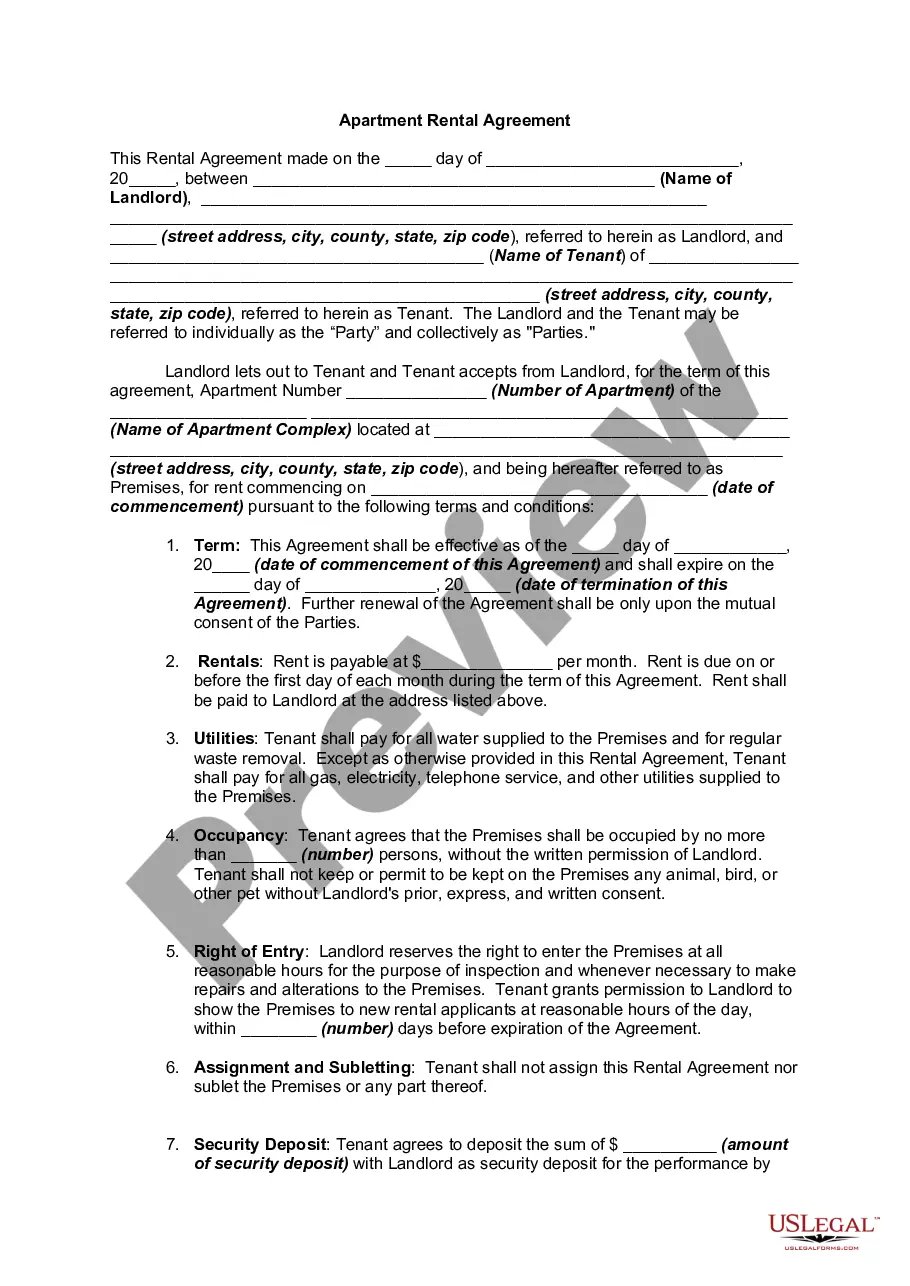
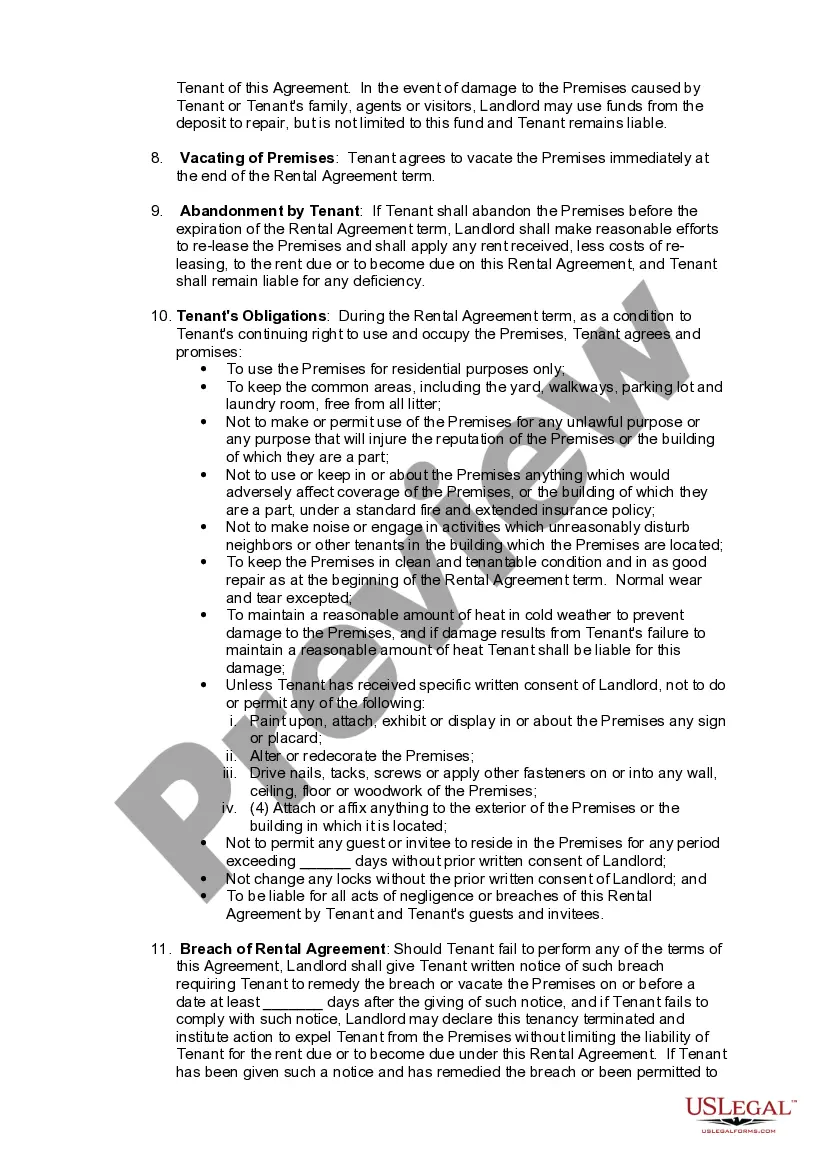
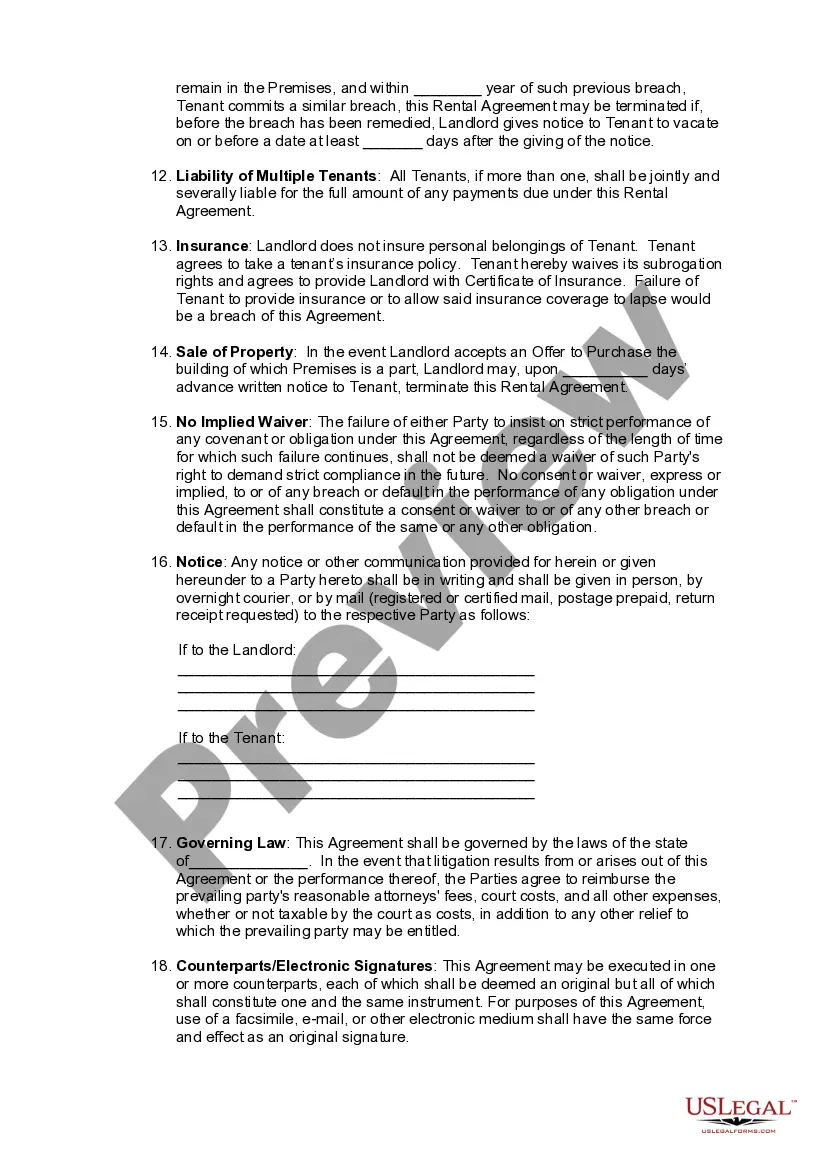
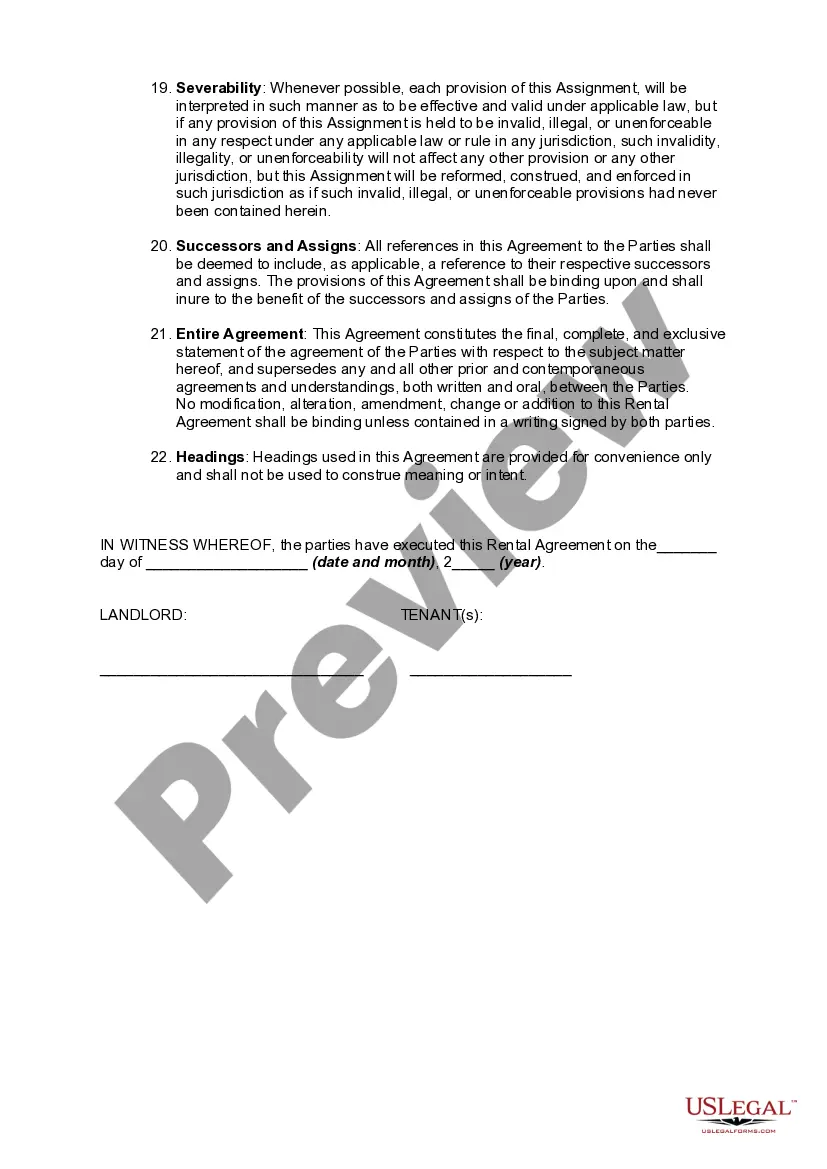
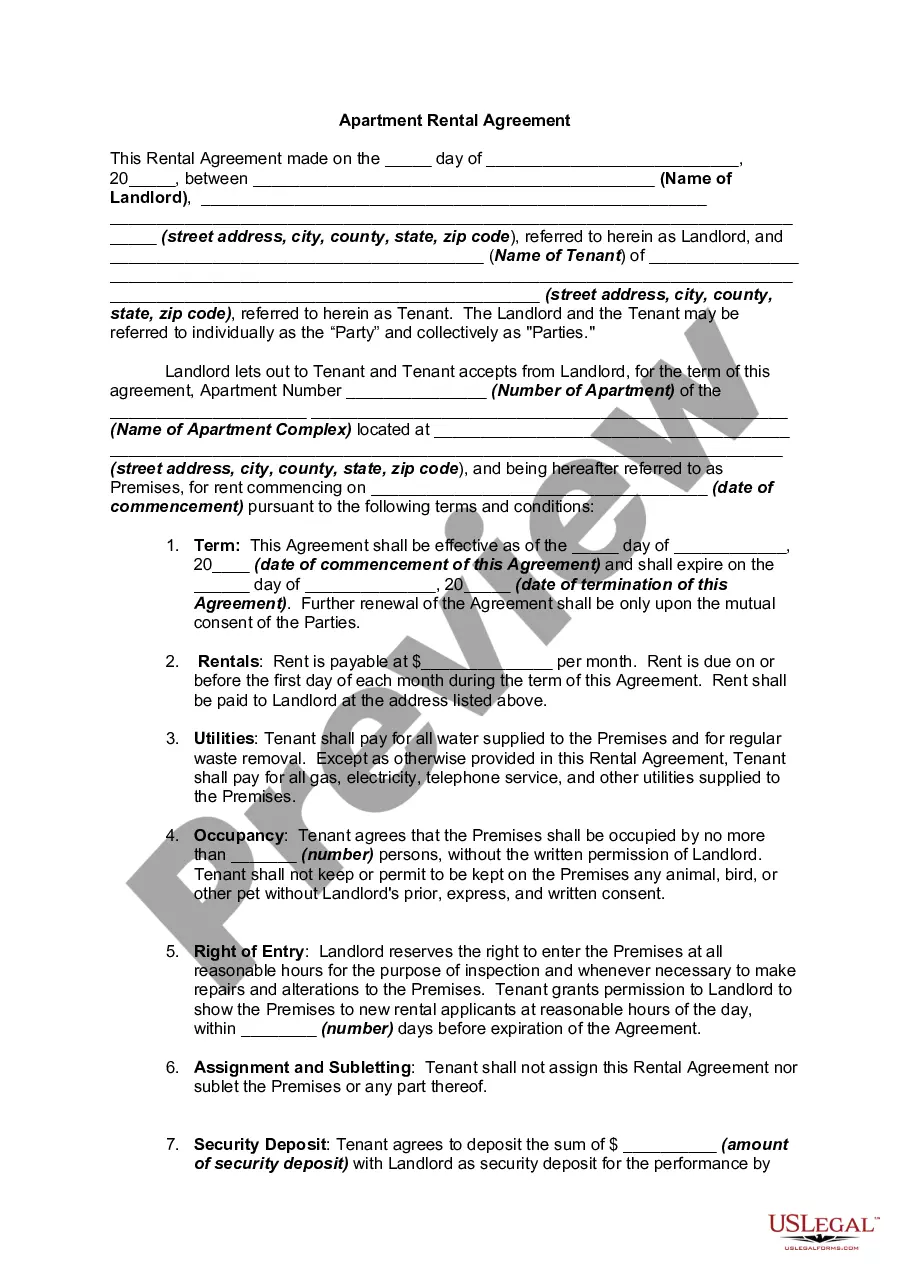
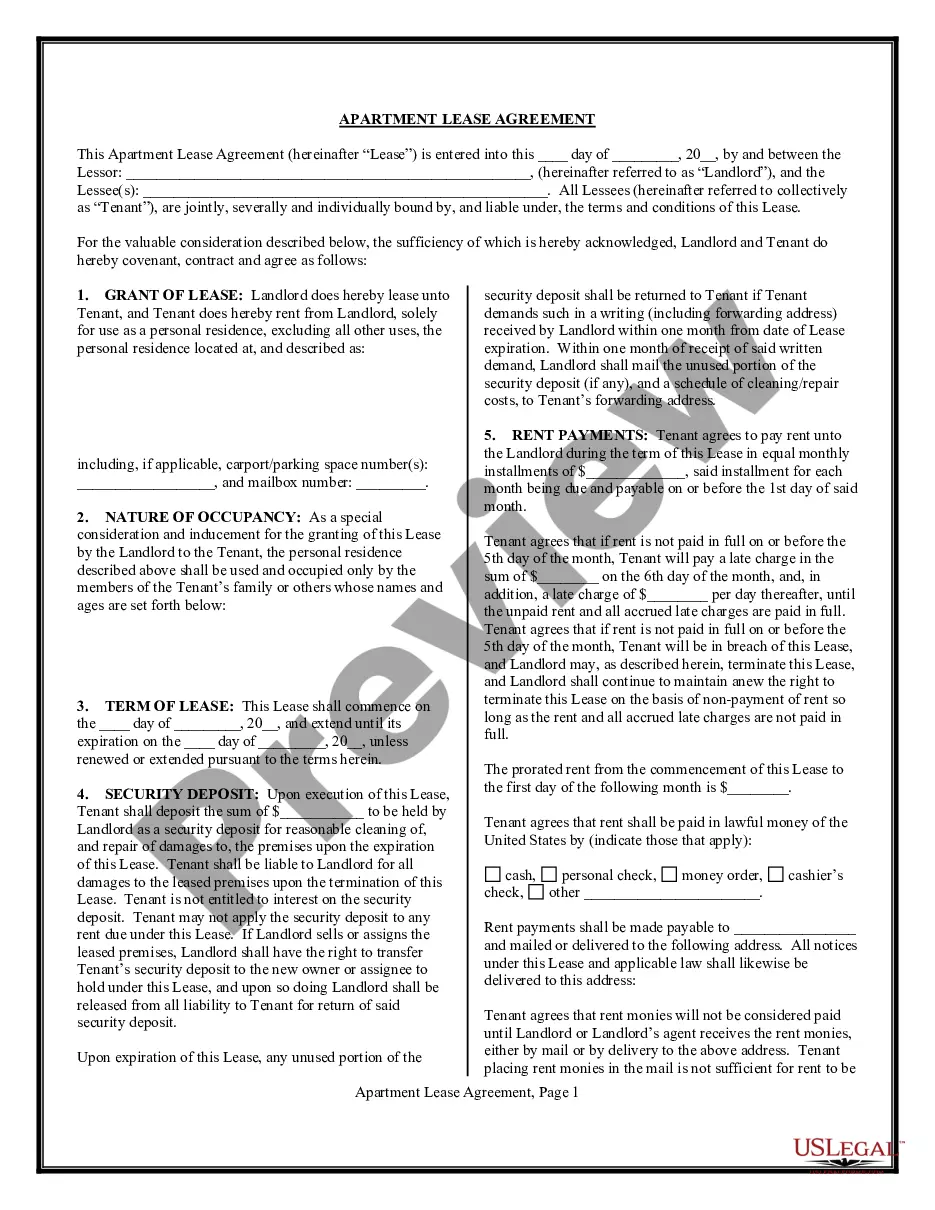
Get your form ready online
Our built-in tools help you complete, sign, share, and store your documents in one place.
Make edits, fill in missing information, and update formatting in US Legal Forms—just like you would in MS Word.
Download a copy, print it, send it by email, or mail it via USPS—whatever works best for your next step.
Sign and collect signatures with our SignNow integration. Send to multiple recipients, set reminders, and more. Go Premium to unlock E-Sign.
If this form requires notarization, complete it online through a secure video call—no need to meet a notary in person or wait for an appointment.
We protect your documents and personal data by following strict security and privacy standards.

Make edits, fill in missing information, and update formatting in US Legal Forms—just like you would in MS Word.

Download a copy, print it, send it by email, or mail it via USPS—whatever works best for your next step.

Sign and collect signatures with our SignNow integration. Send to multiple recipients, set reminders, and more. Go Premium to unlock E-Sign.

If this form requires notarization, complete it online through a secure video call—no need to meet a notary in person or wait for an appointment.

We protect your documents and personal data by following strict security and privacy standards.
Looking for another form?

Form popularity
FAQ
In Virginia, subleasing is a process that involves a tenant renting out their existing lease to another individual. Tenants looking to sublet must first secure written permission from their landlord. This is a critical step as Virginia law requires explicit consent from the landlord.
How to Write One Identify all parties to the contract. Define the lease term. Identify the terms and rent amount. Address any other financial responsibilities. Discuss the terms of the security deposit. List any other restrictions. Date and sign the agreement. Attach a copy of the original lease.
Here are 16 steps on how to make a lease agreement: Include the contact information of both parties. Include property details. Outline property utilities and services. Define the lease term. Disclose the monthly rent amount and due date. Detail the penalties and late fees. Describe any additional or services fees.
Lessee shall not assign this Lease or sublet any portion of the Premises without prior written consent of the Lessor, which shall not be unreasonably withheld. Any such assignment or subletting without consent shall be void and, at the option of the Lessor, may terminate this Lease.
Here are 16 steps on how to make a lease agreement: Include the contact information of both parties. Include property details. Outline property utilities and services. Define the lease term. Disclose the monthly rent amount and due date. Detail the penalties and late fees. Describe any additional or services fees.
In a sub-letting arrangement, the tenant can rent part or all the property to another person. The tenant remains the landlord's tenant and is still responsible for the tenancy, including the actions of the sub-tenant.
Subletting regulations in California primarily revolve around lease agreements. If your lease doesn't explicitly prohibit sublets, you generally have the right to sublet. However, landlords retain the authority to reject proposed subtenants based on reasonable objections.
Under California law, unless the lease specifically prohibits subletting, tenants may have the right to sublease their rental unit. In this case, you would not be able to unreasonably withhold consent.