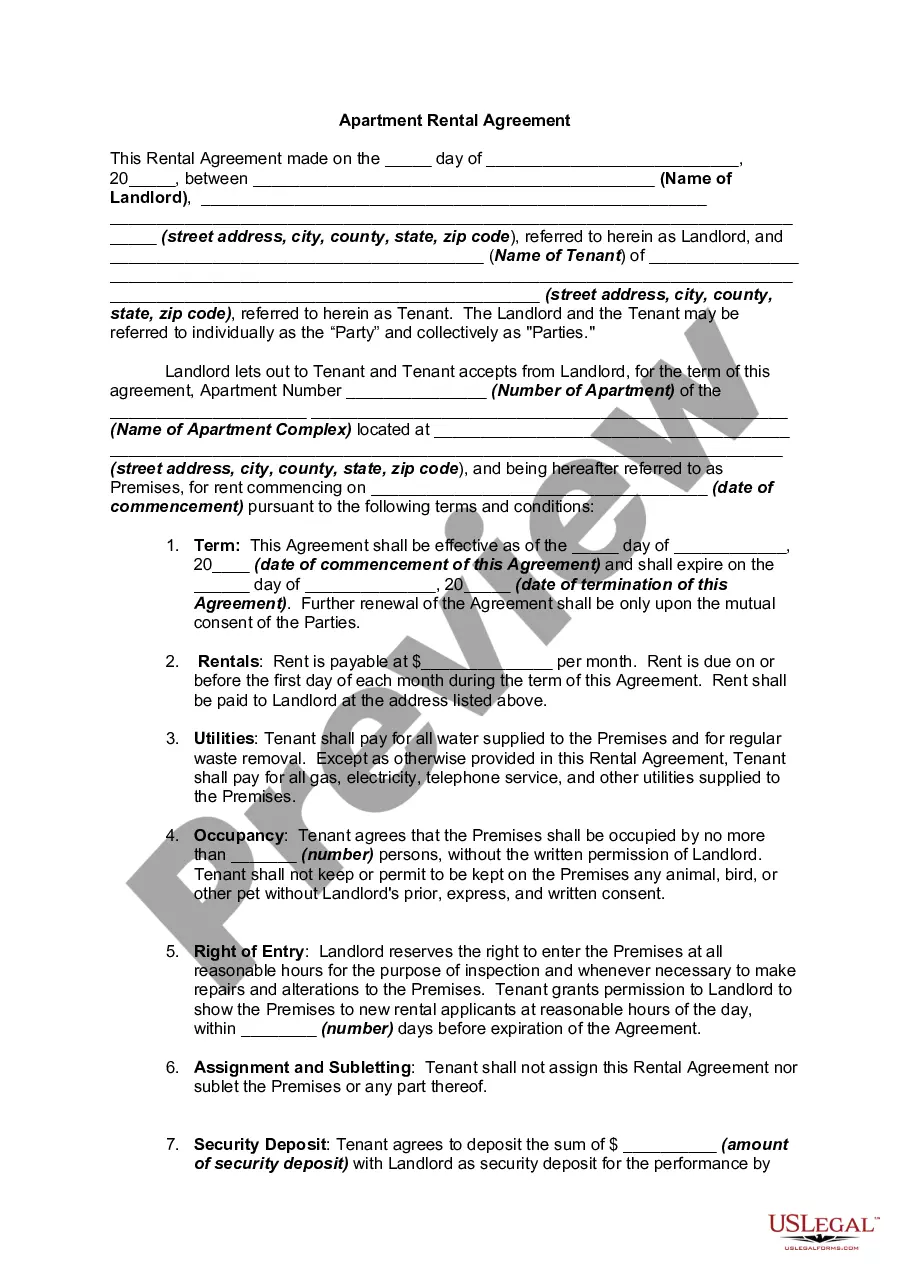
Apartment Lease Format In Pennsylvania
Description
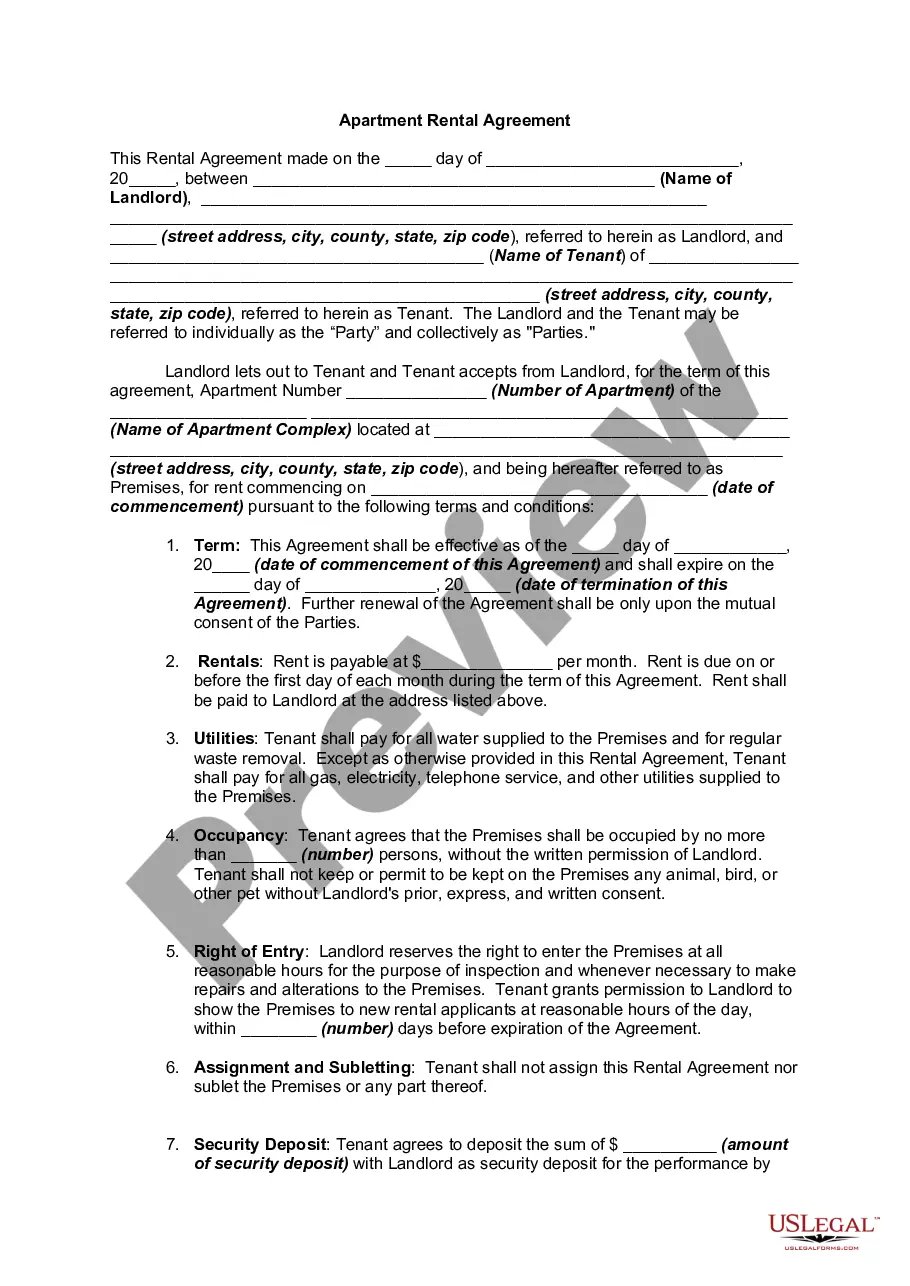
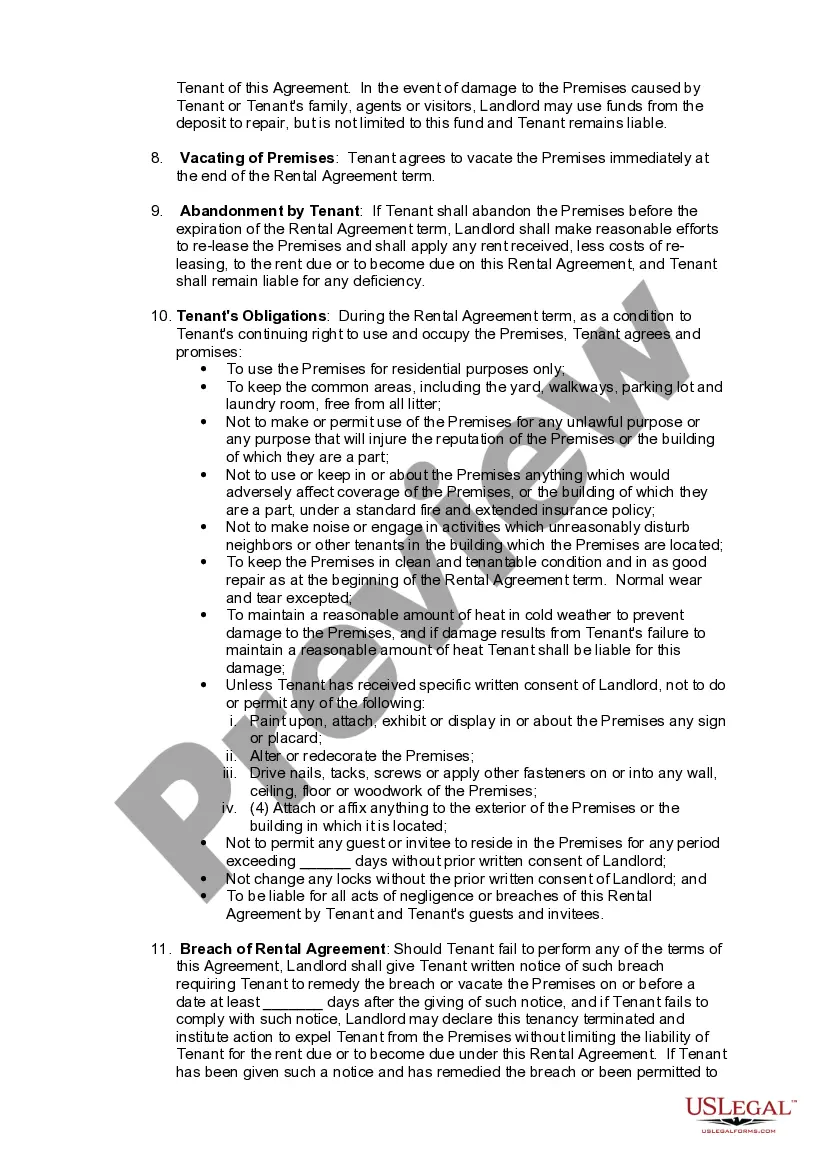
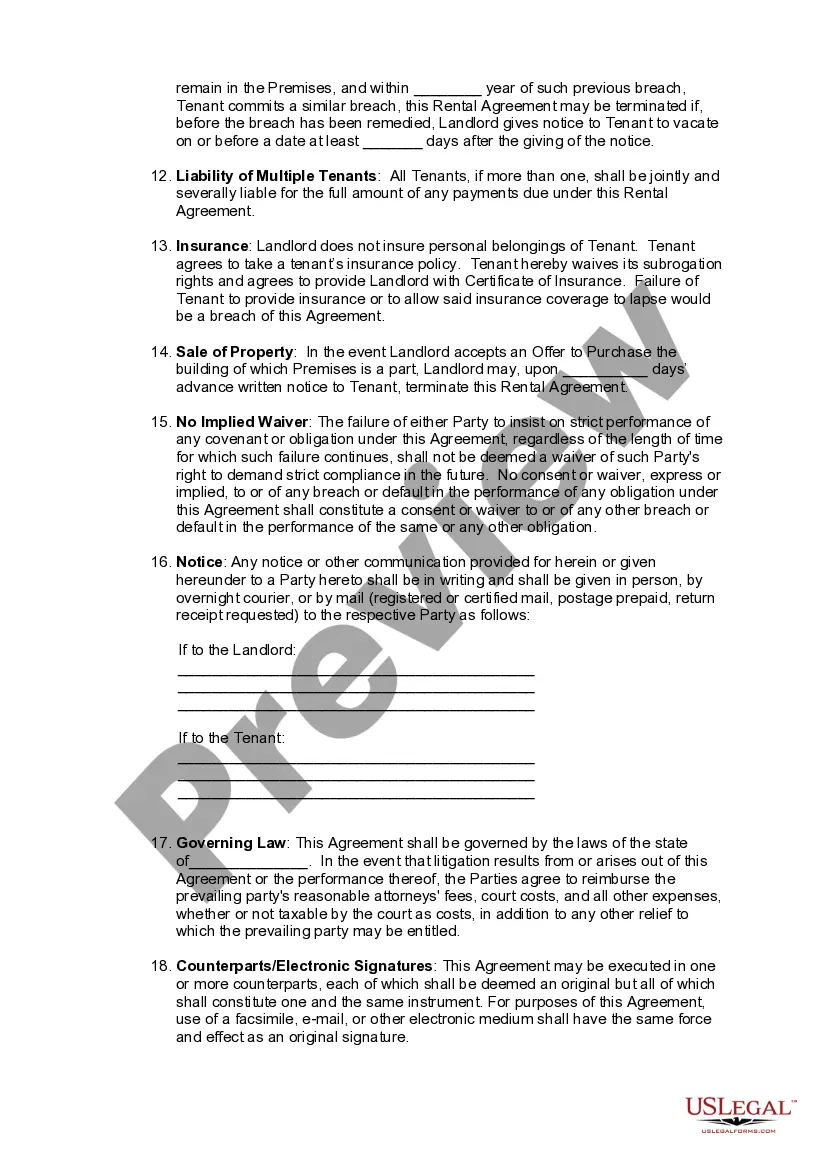
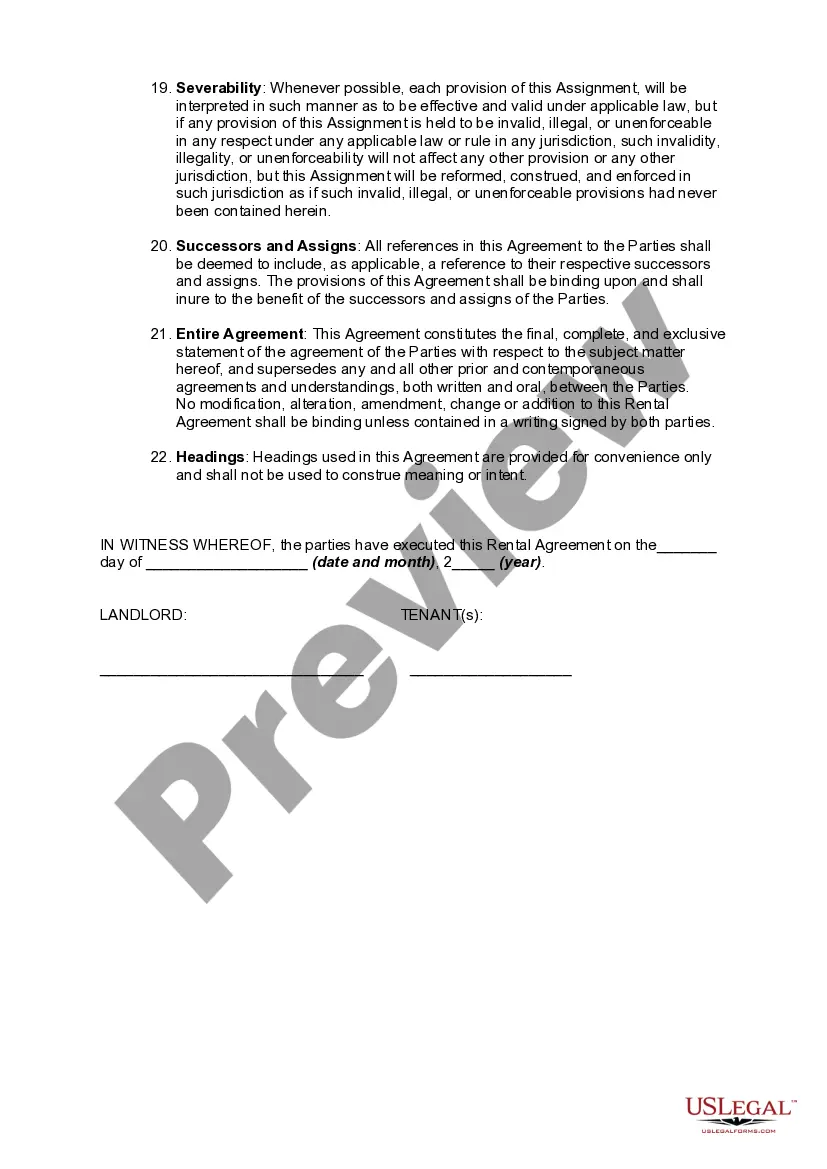
Get your form ready online
Our built-in tools help you complete, sign, share, and store your documents in one place.
Make edits, fill in missing information, and update formatting in US Legal Forms—just like you would in MS Word.
Download a copy, print it, send it by email, or mail it via USPS—whatever works best for your next step.
Sign and collect signatures with our SignNow integration. Send to multiple recipients, set reminders, and more. Go Premium to unlock E-Sign.
If this form requires notarization, complete it online through a secure video call—no need to meet a notary in person or wait for an appointment.
We protect your documents and personal data by following strict security and privacy standards.

Make edits, fill in missing information, and update formatting in US Legal Forms—just like you would in MS Word.

Download a copy, print it, send it by email, or mail it via USPS—whatever works best for your next step.

Sign and collect signatures with our SignNow integration. Send to multiple recipients, set reminders, and more. Go Premium to unlock E-Sign.

If this form requires notarization, complete it online through a secure video call—no need to meet a notary in person or wait for an appointment.

We protect your documents and personal data by following strict security and privacy standards.
Looking for another form?








Form popularity
FAQ
Start by noting the basic identifying information: List the date, property address, and tenant details. Proceed room by room: Document each item in every room, including its condition. Be thorough and include all elements like walls, floors, ceilings, fixtures, and any appliances or furniture.
At its simplest, a lease is a deal made between two parties, the lessee and lessor, over the use of an asset. Instead of buying the asset upfront, the lessee pays a set amount for the right to use it, usually in instalments over the life of the lease agreement.
Pennsylvania leases do not need to be notarized. Once both parties sign the document, it is considered legally valid.
The lease signing process has three steps. First, the landlord creates the lease and sends it to the renter. Then, the renter reviews the lease, signs it, and returns it to the landlord. The landlord then reviews the agreement once more and provides a final signature.
Here are 16 steps on how to make a lease agreement: Include the contact information of both parties. Include property details. Outline property utilities and services. Define the lease term. Disclose the monthly rent amount and due date. Detail the penalties and late fees. Describe any additional or services fees.
You must include the landlord or property manager, and most likely get written permission to go ahead with the lease takeover. Most landlords will write into the original rental agreement rules for a lease transfer, and it's up to the current renter to follow those rules.
Completion The lease and any other lease documents will be dated by both parties' respective solicitors and will then be completed. Your solicitor will send the completion monies to the landlord's solicitor. You will then be able to collect the keys to the property (normally from the estate agent/selling agent).
The lease renews at the end of every month automatically. To terminate a Pennsylvania month-to-month lease agreement, the landlord or tenant must give at least 15 days' notice. If the landlord seeks to end the lease for nonpayment, the notice period is 10 days.
Pennsylvania leases do not need to be notarized. Once both parties sign the document, it is considered legally valid.
A Pennsylvania month-to-month lease agreement is a residential rental contract through which a tenant is allowed to occupy a landlord's property on a monthly basis. In this arrangement, the tenancy is renewed automatically at the end of each calendar month.
