Flat With Lease In Michigan
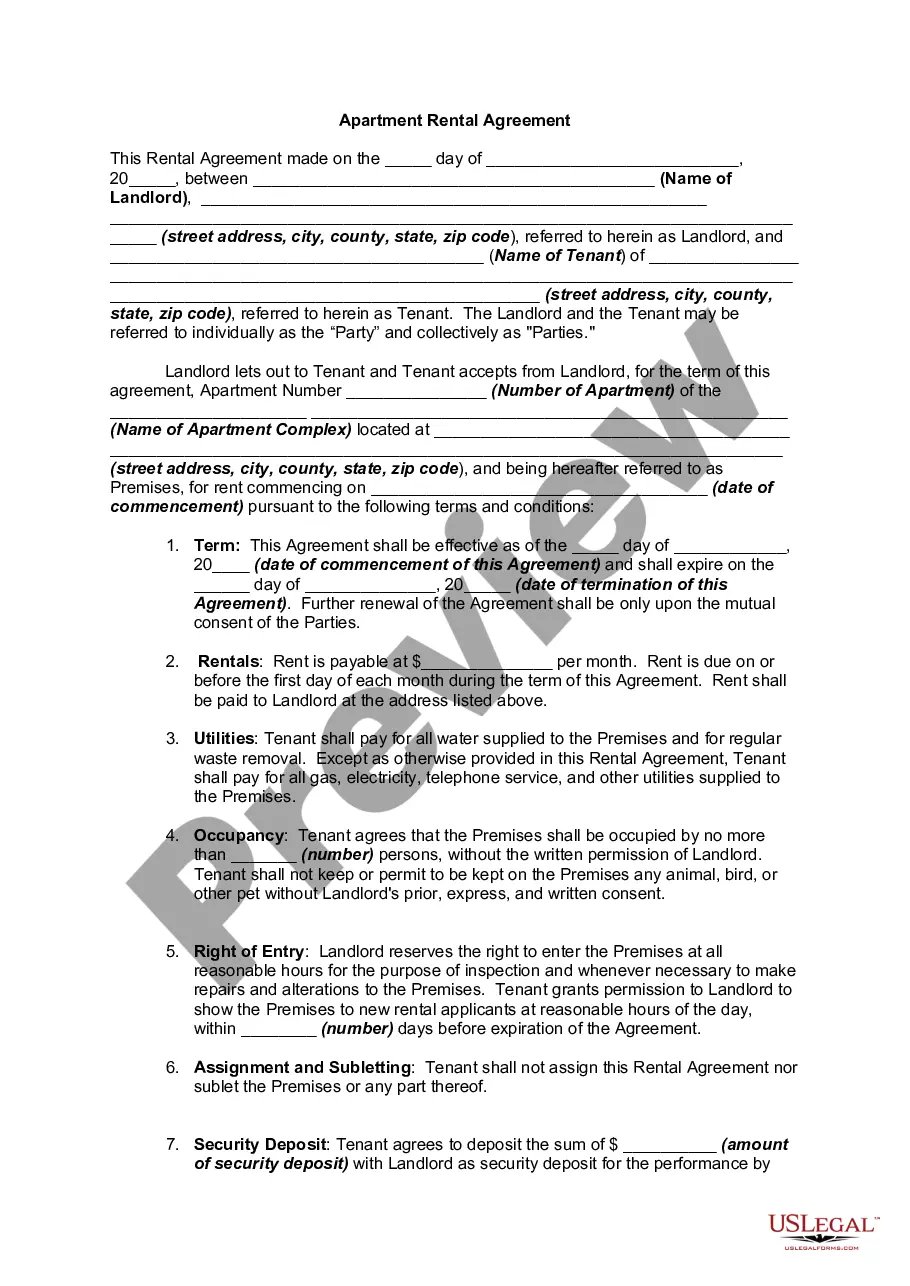
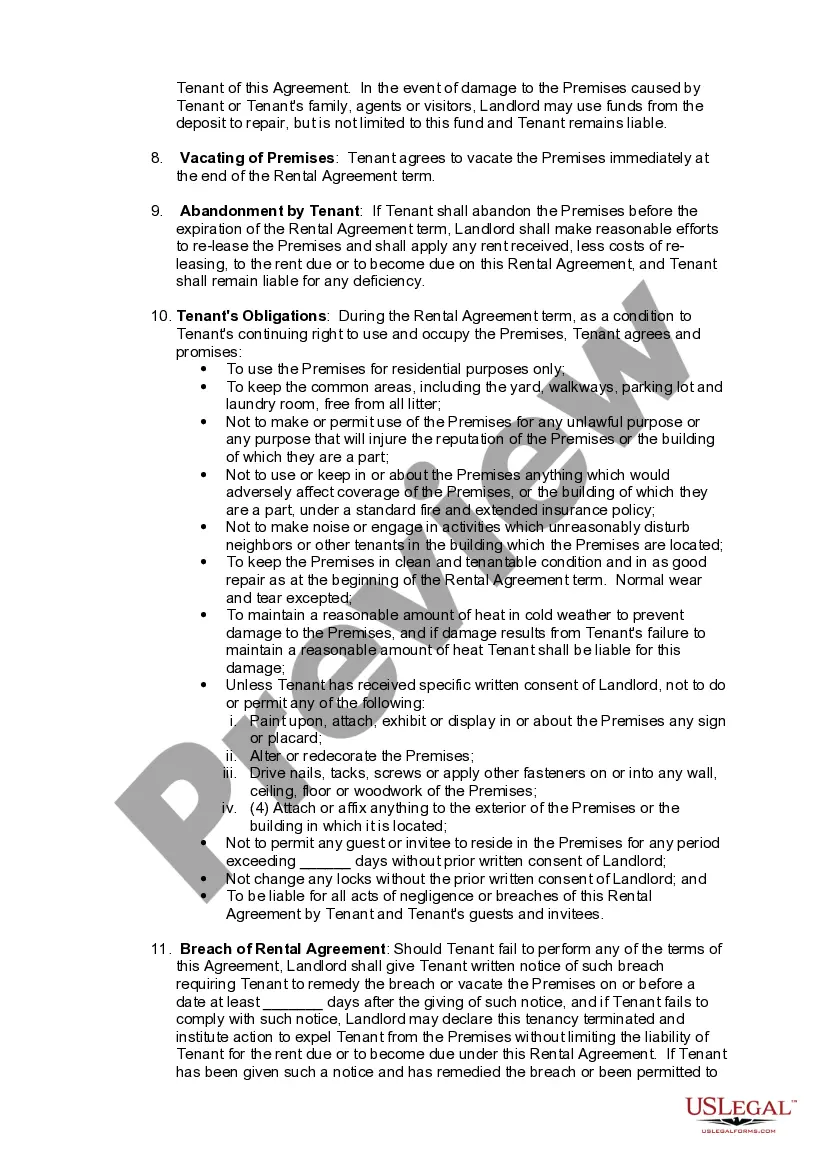
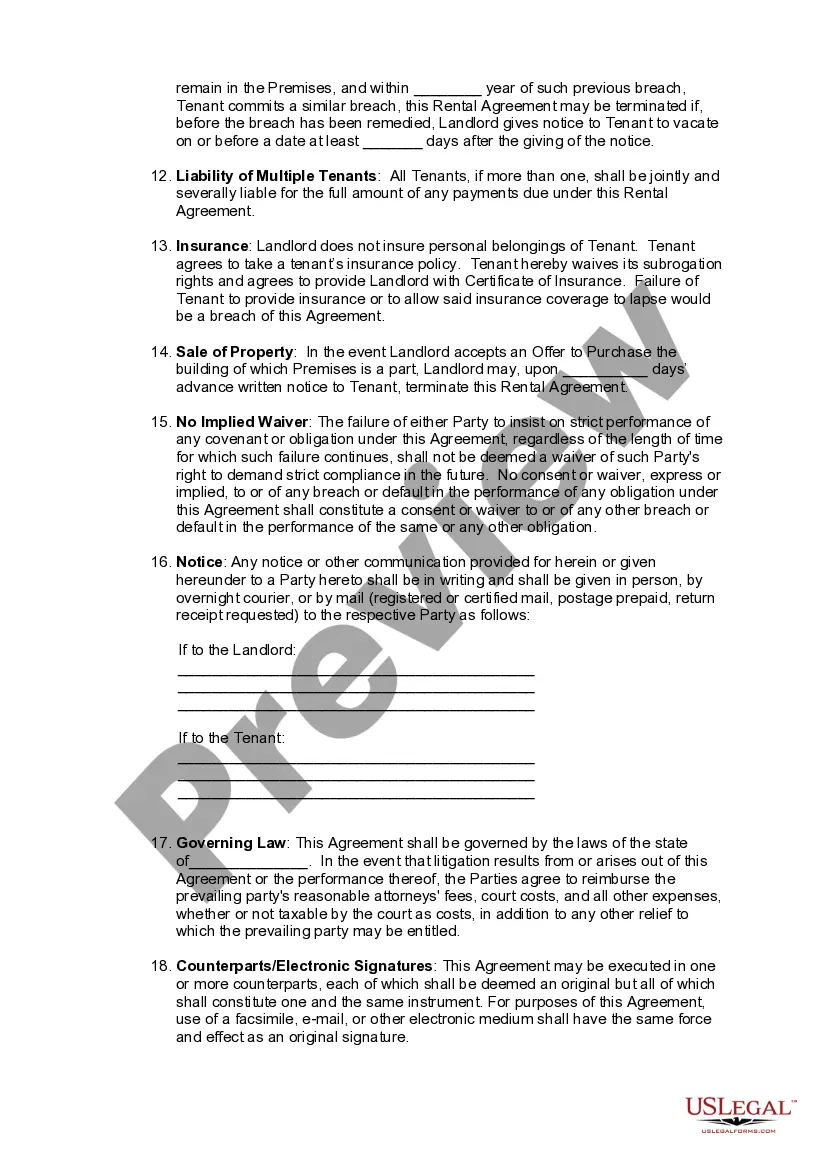
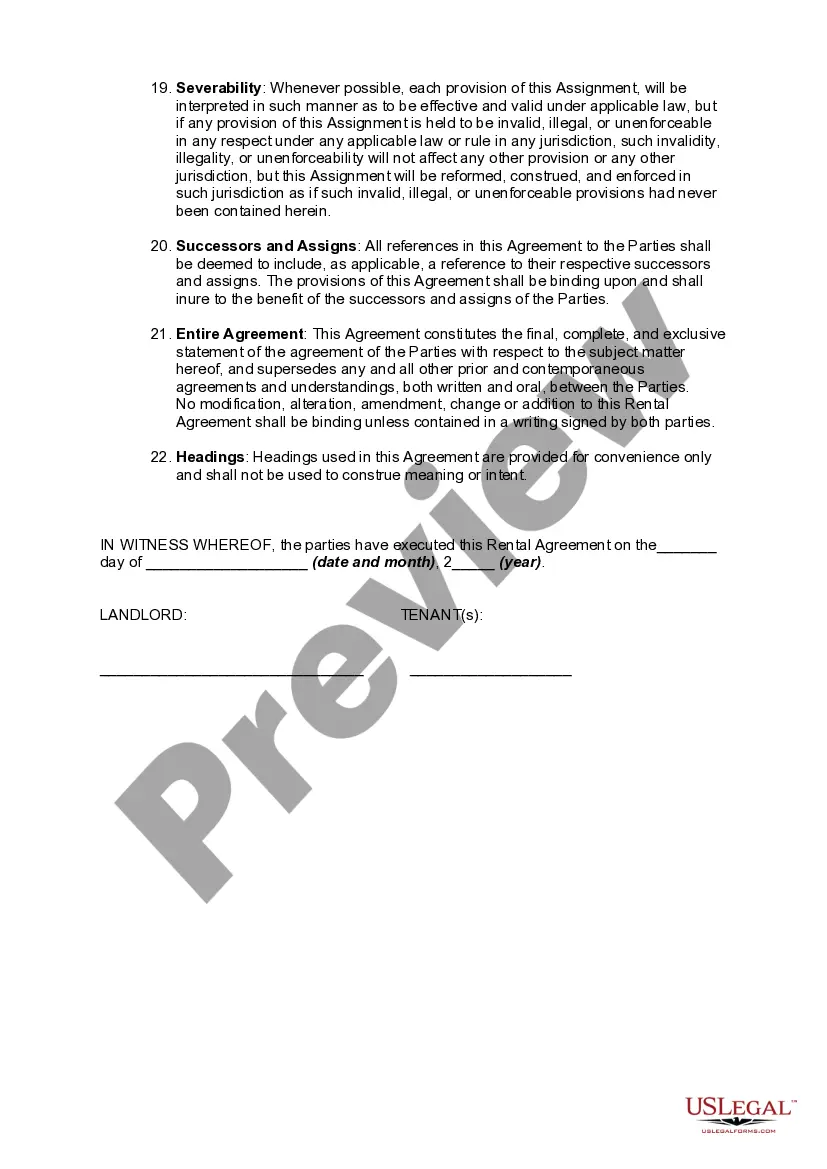
Description
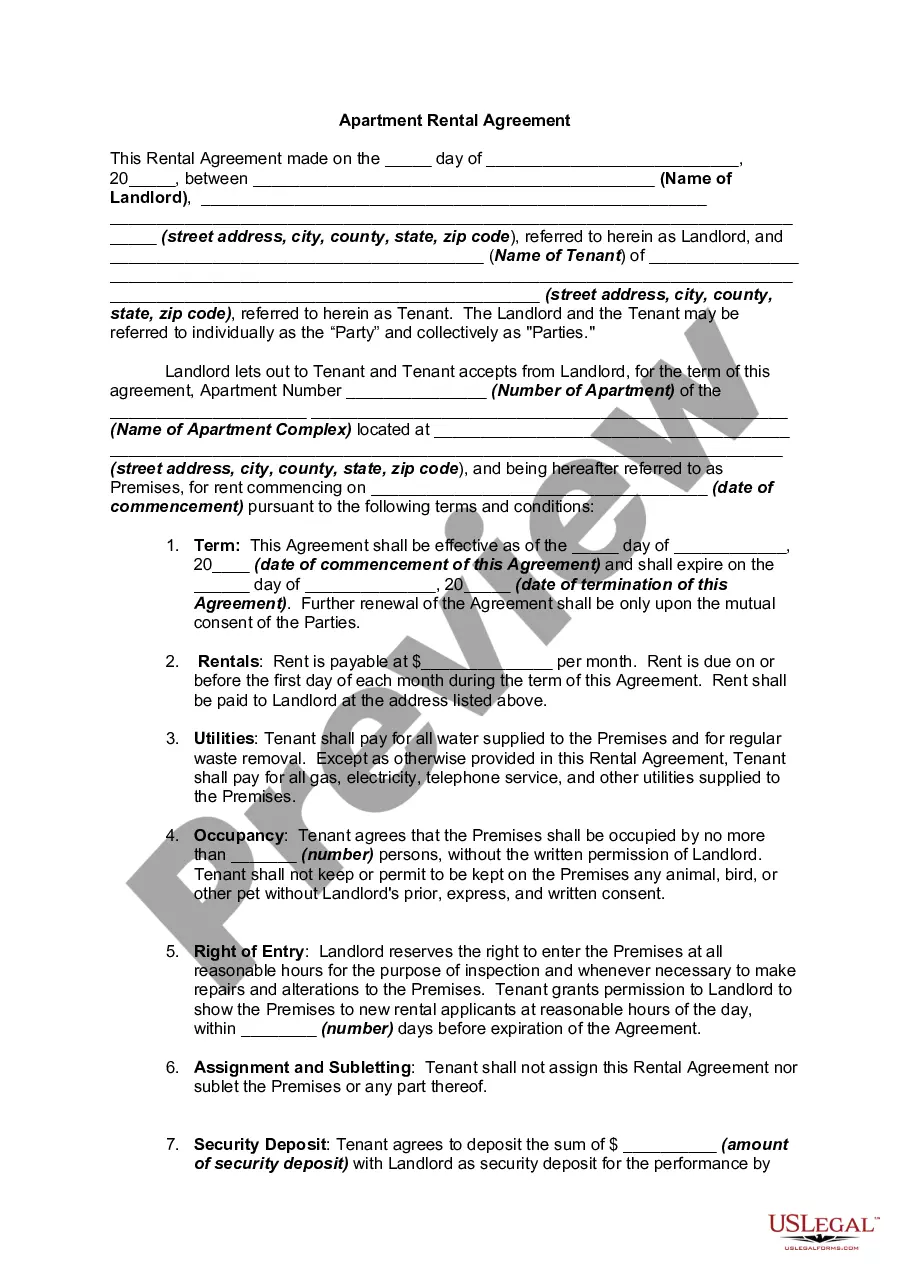
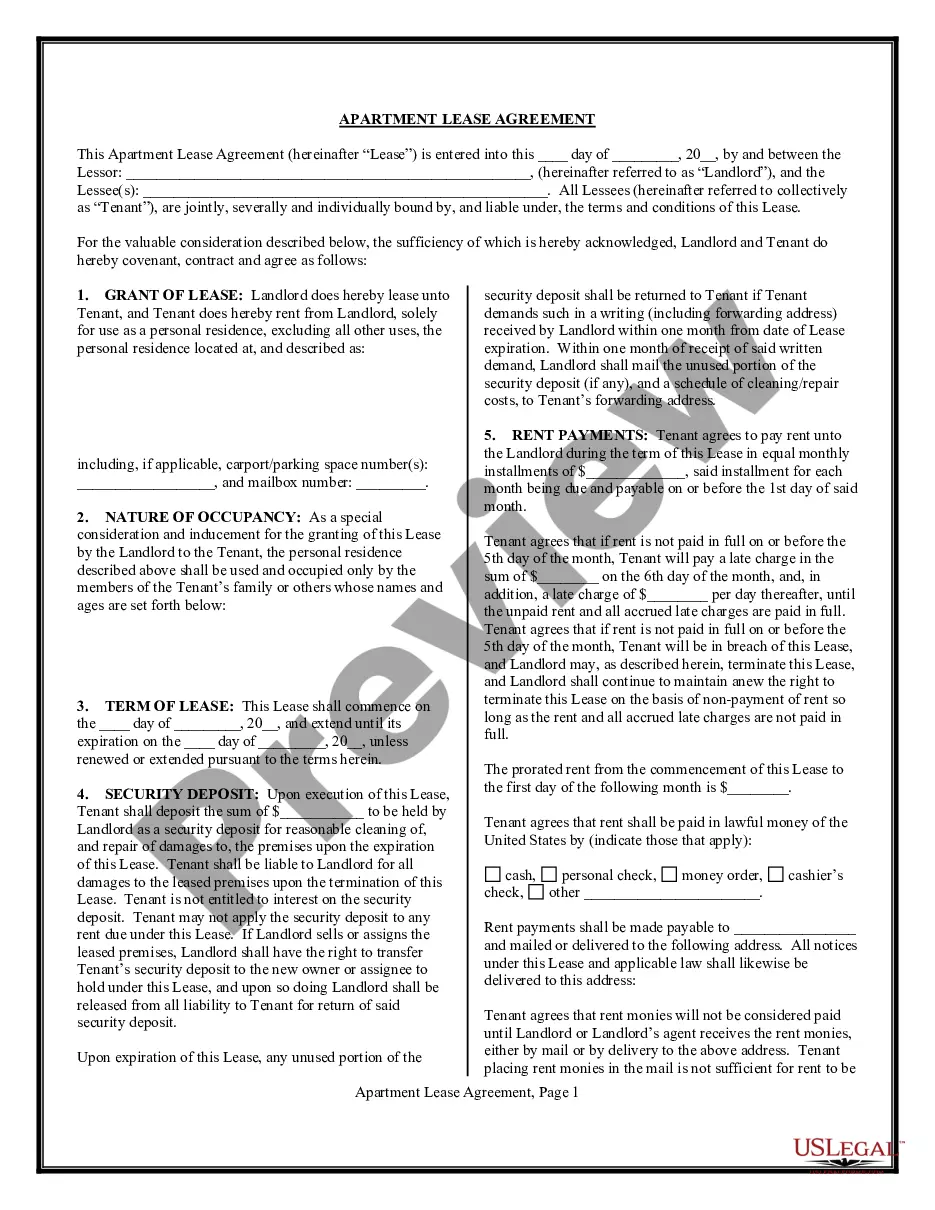
Get your form ready online
Our built-in tools help you complete, sign, share, and store your documents in one place.
Make edits, fill in missing information, and update formatting in US Legal Forms—just like you would in MS Word.
Download a copy, print it, send it by email, or mail it via USPS—whatever works best for your next step.
Sign and collect signatures with our SignNow integration. Send to multiple recipients, set reminders, and more. Go Premium to unlock E-Sign.
If this form requires notarization, complete it online through a secure video call—no need to meet a notary in person or wait for an appointment.
We protect your documents and personal data by following strict security and privacy standards.

Make edits, fill in missing information, and update formatting in US Legal Forms—just like you would in MS Word.

Download a copy, print it, send it by email, or mail it via USPS—whatever works best for your next step.

Sign and collect signatures with our SignNow integration. Send to multiple recipients, set reminders, and more. Go Premium to unlock E-Sign.

If this form requires notarization, complete it online through a secure video call—no need to meet a notary in person or wait for an appointment.

We protect your documents and personal data by following strict security and privacy standards.
Looking for another form?





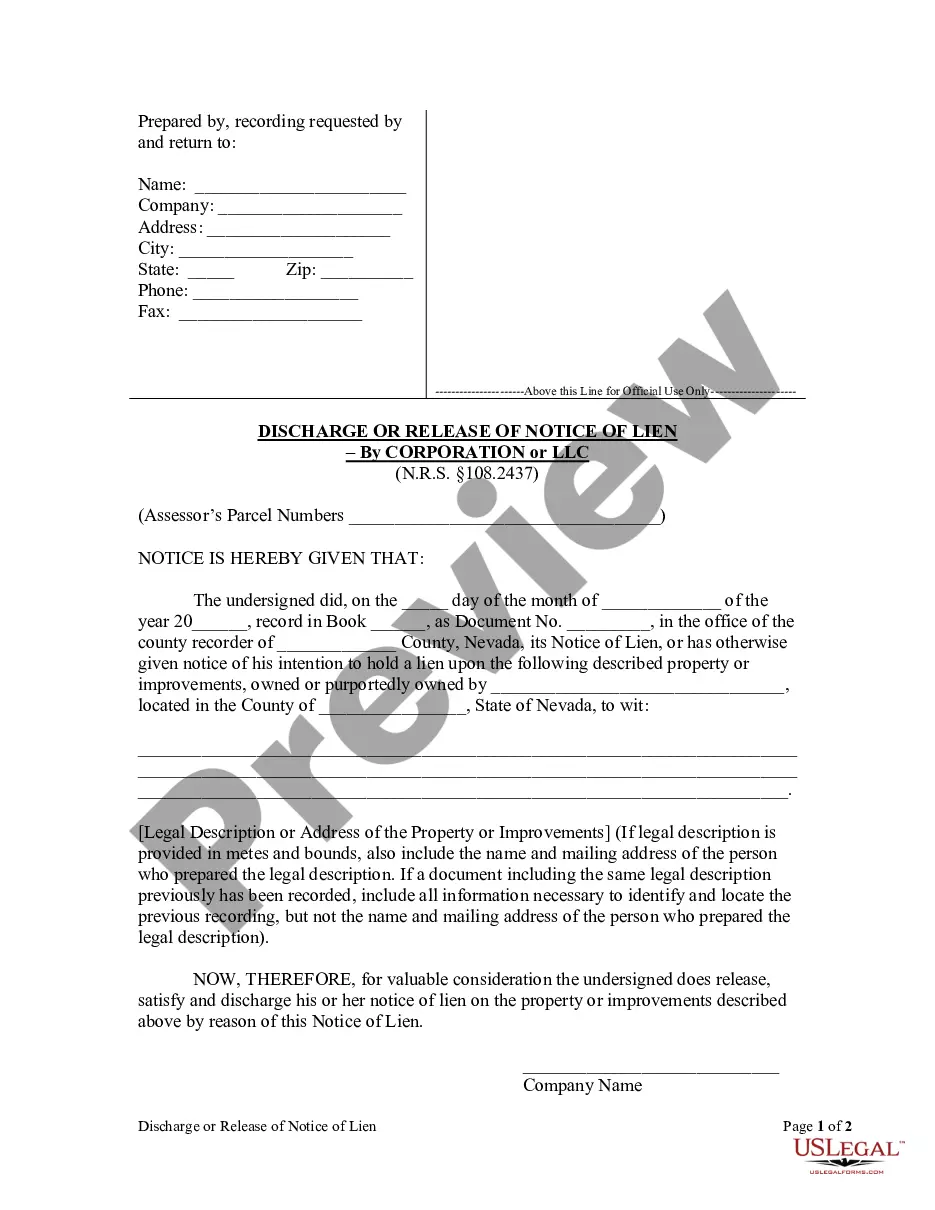



Form popularity
FAQ
Michigan and U.S. fair housing laws say that landlords cannot discriminate against tenants or applicants because of their race, color, religion, sex, familial status (kids under 18), national origin, disability, age, or marital status.
Leases don't have to be in writing. But if a lease is written, it must include the name and address where the landlord will notify the tenant of changes to the lease. The lease must tell tenants they must give the landlord a forwarding address in writing where they can be reached within four days after moving out.
Common reasons a landlord would break a lease Landlords in Michigan have specific circumstances under which they can break a lease. If a tenant is not paying rent or is repeatedly late, a landlord can terminate the lease.
Michigan Legislature's Public Act 226 of 1988 bans rent control, meaning there's no cap on rent increases. While there are no rent control laws in the state aside from the ban, landlords must provide at least 30 days' notice in the event of a rent hike if the tenant has been in the unit for less than a year.
Your landlord must give you written notice of these changes at least 30 days before they go into effect. Your landlord could also sell the property while you are leasing it.
Here's a list of standard fields that you should include in your lease agreement: Tenant information. Include each tenant's full name and contact information. Rental property description. Security deposit. Monthly rent amount. Utilities. Lease term. Policies. Late fees.
Write the contract in six steps Start with a contract template. Open with the basic information. Describe in detail what you have agreed to. Include a description of how the contract will be ended. Write into the contract which laws apply and how disputes will be resolved. Include space for signatures.
Completion The lease and any other lease documents will be dated by both parties' respective solicitors and will then be completed. Your solicitor will send the completion monies to the landlord's solicitor. You will then be able to collect the keys to the property (normally from the estate agent/selling agent).
Here are 16 steps on how to make a lease agreement: Include the contact information of both parties. Include property details. Outline property utilities and services. Define the lease term. Disclose the monthly rent amount and due date. Detail the penalties and late fees. Describe any additional or services fees.
