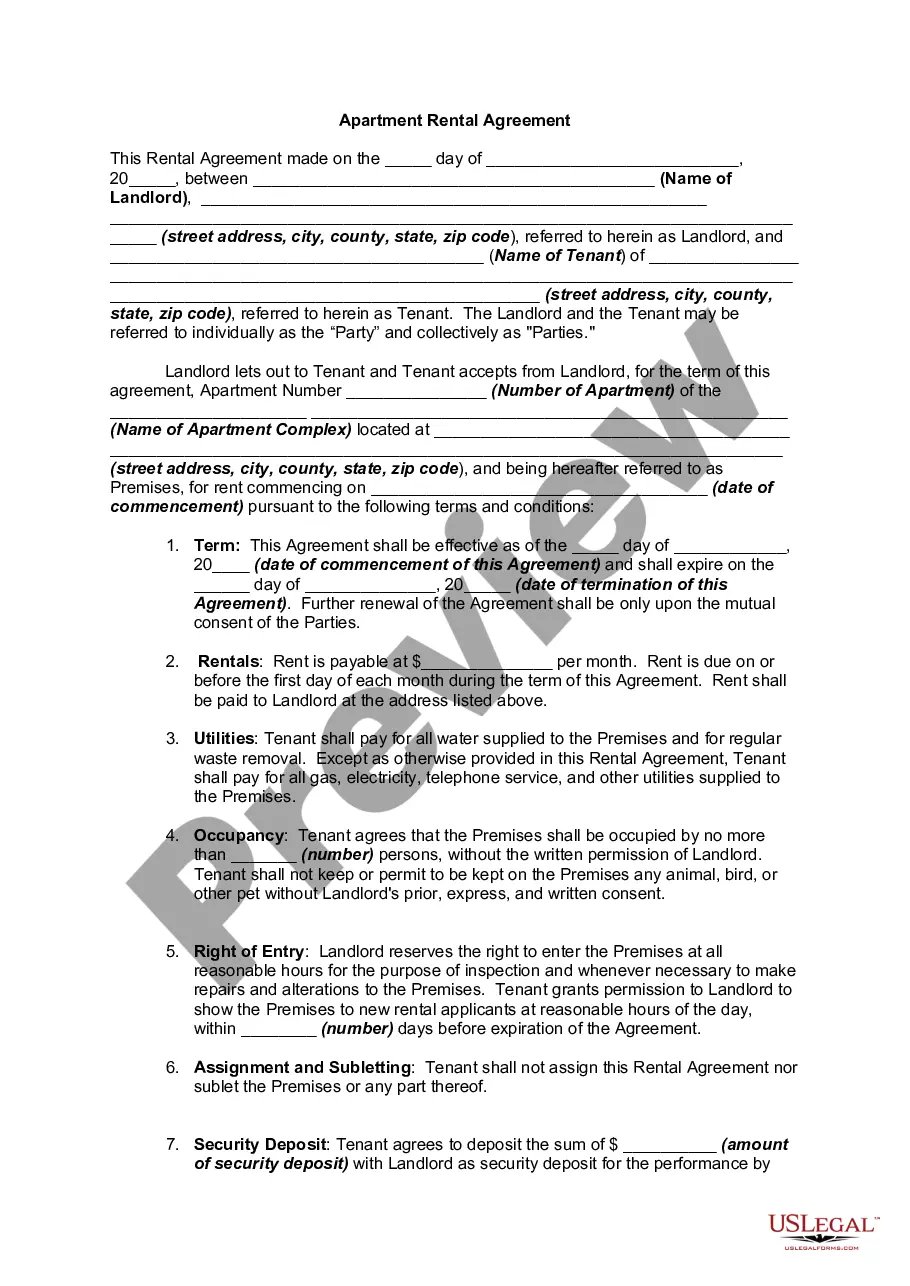
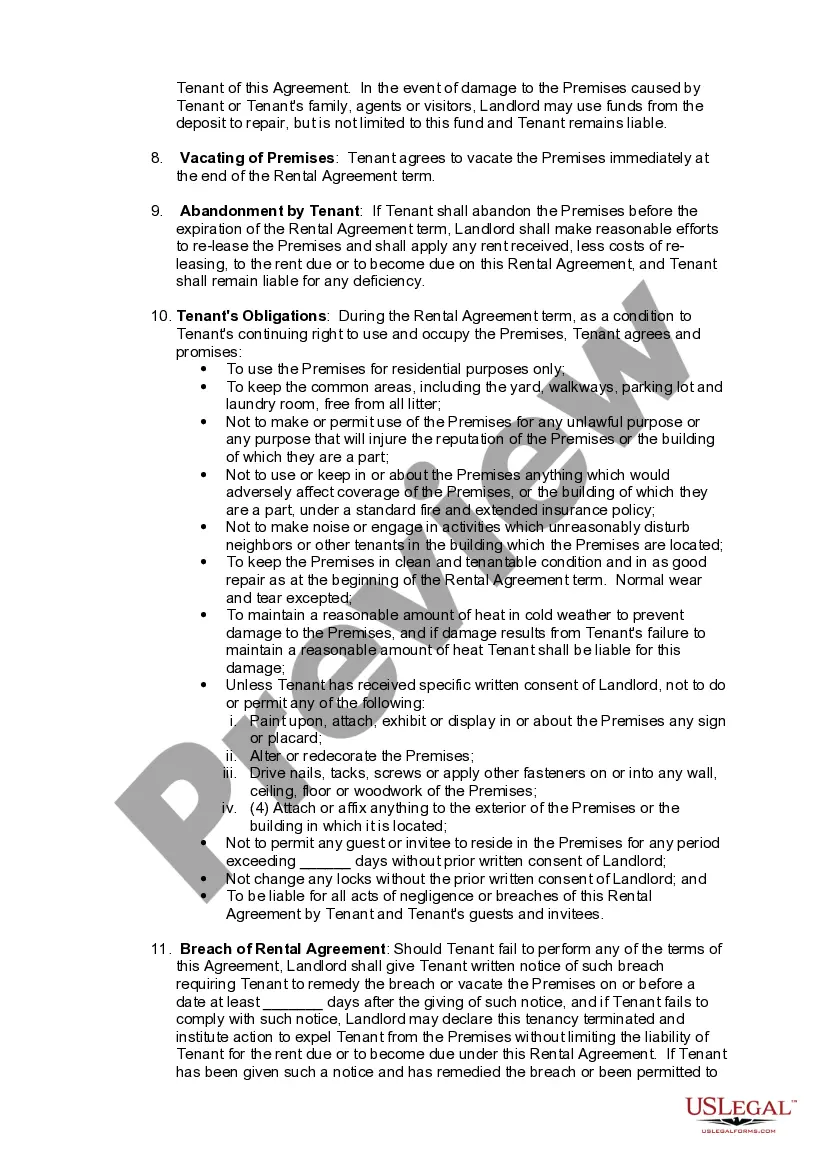
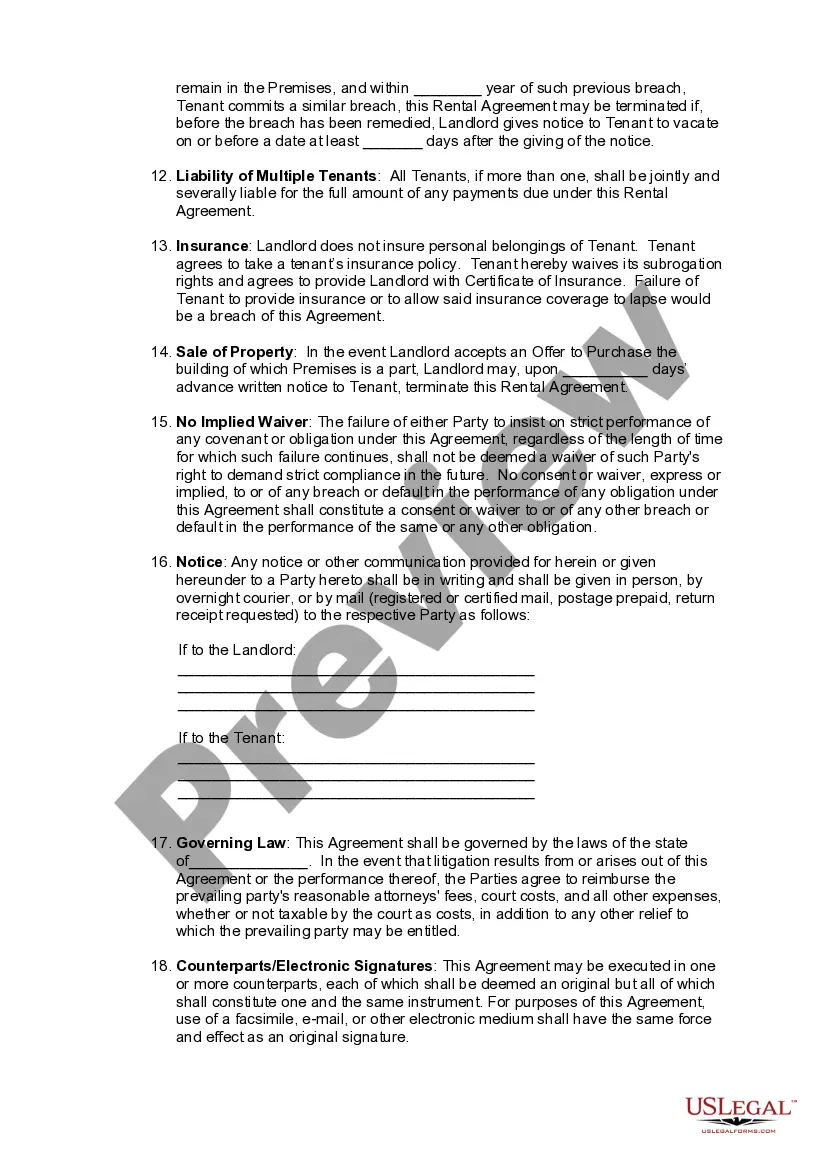
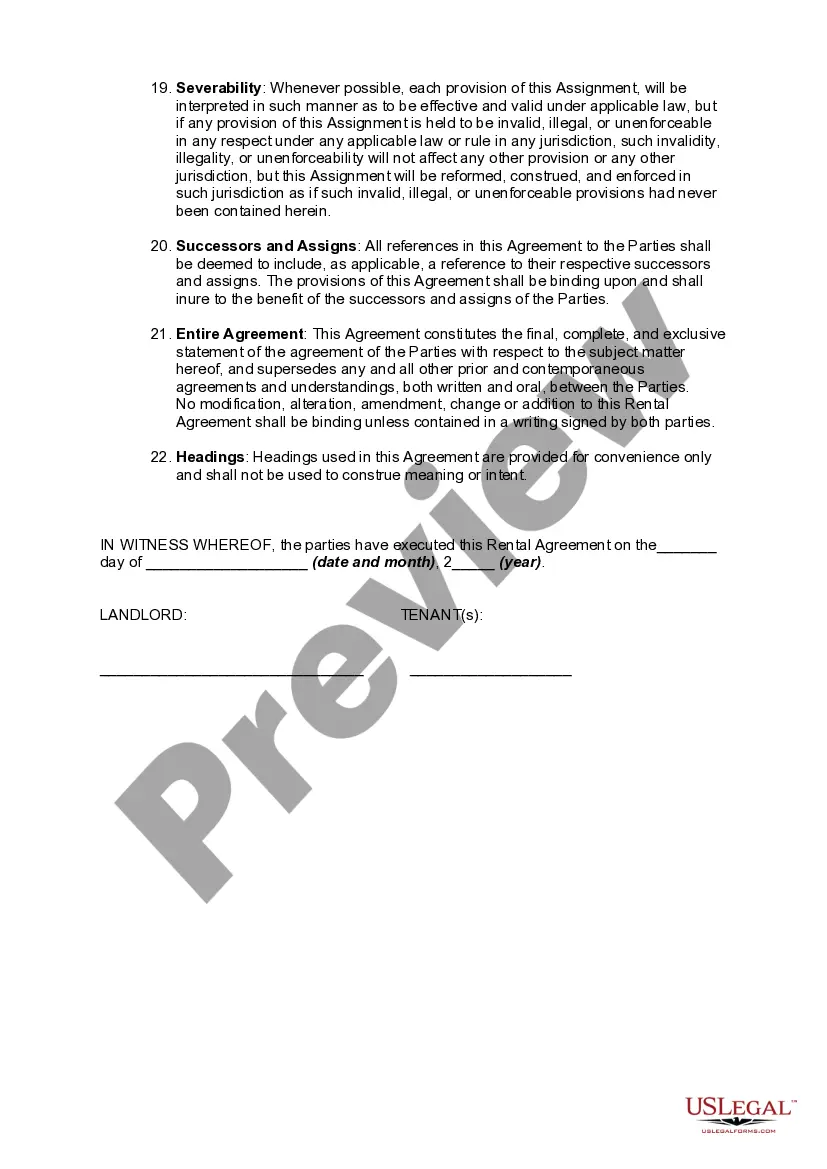
Flat With Lease In King
Description
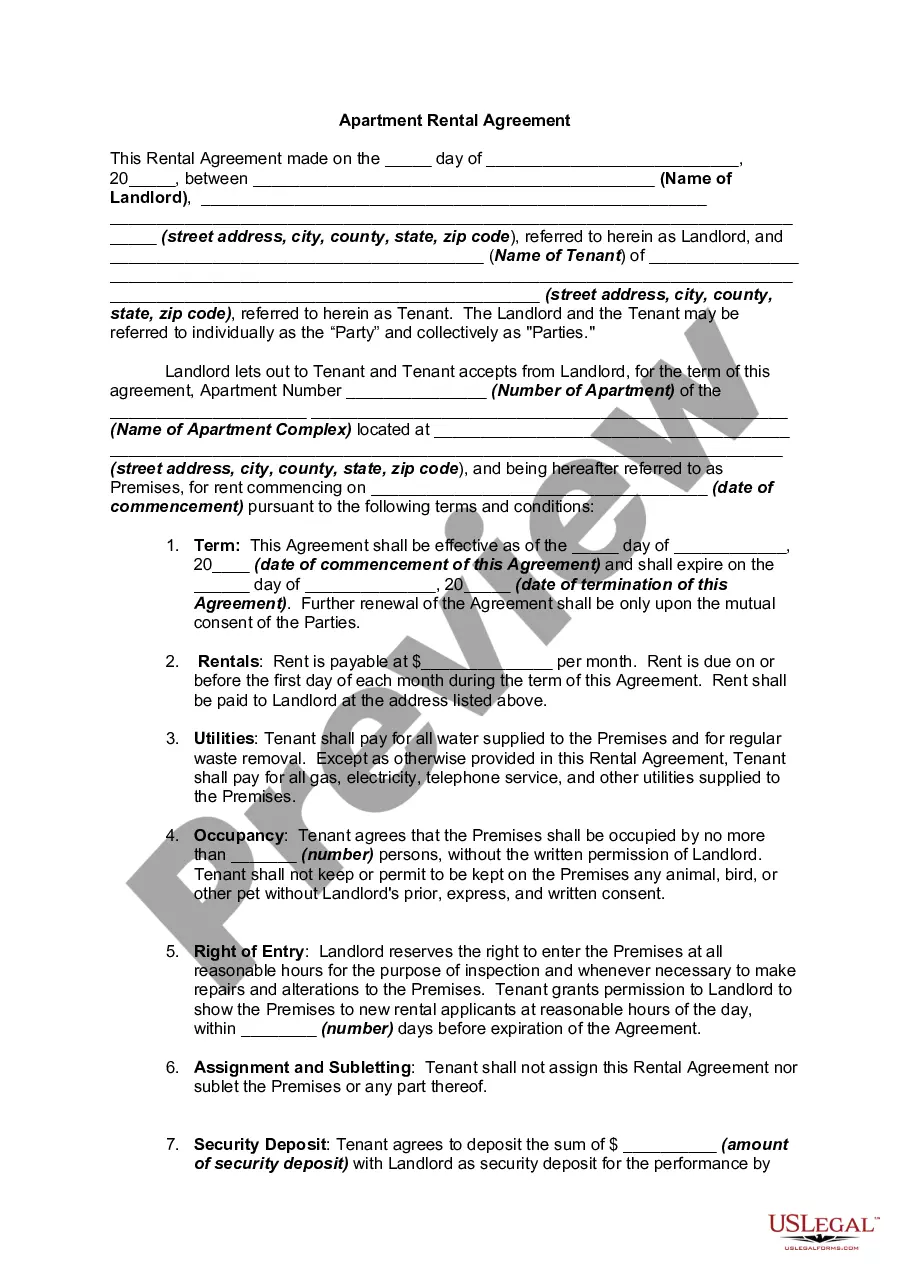
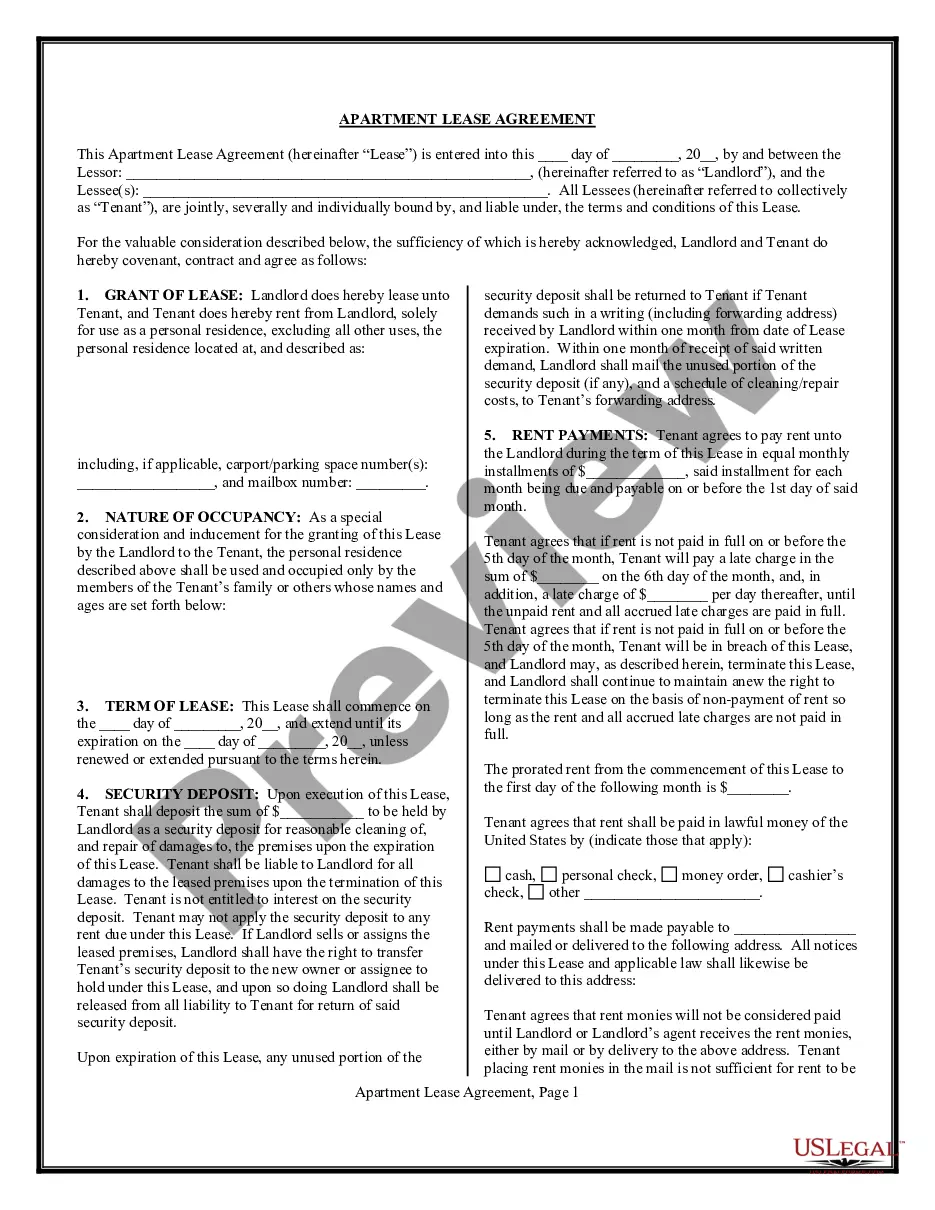
Get your form ready online
Our built-in tools help you complete, sign, share, and store your documents in one place.
Make edits, fill in missing information, and update formatting in US Legal Forms—just like you would in MS Word.
Download a copy, print it, send it by email, or mail it via USPS—whatever works best for your next step.
Sign and collect signatures with our SignNow integration. Send to multiple recipients, set reminders, and more. Go Premium to unlock E-Sign.
If this form requires notarization, complete it online through a secure video call—no need to meet a notary in person or wait for an appointment.
We protect your documents and personal data by following strict security and privacy standards.

Make edits, fill in missing information, and update formatting in US Legal Forms—just like you would in MS Word.

Download a copy, print it, send it by email, or mail it via USPS—whatever works best for your next step.

Sign and collect signatures with our SignNow integration. Send to multiple recipients, set reminders, and more. Go Premium to unlock E-Sign.

If this form requires notarization, complete it online through a secure video call—no need to meet a notary in person or wait for an appointment.

We protect your documents and personal data by following strict security and privacy standards.
Looking for another form?







Form popularity
FAQ
The Automated City Register Information System (ACRIS) allows you to search property records and view document images for Manhattan, Queens, Bronx, and Brooklyn from 1966 to the present.
You can search for property records and property ownership information online, in person, or over the phone with a 311 representative. Property owners of all boroughs except Staten Island can visit ACRIS.
The Automated City Register Information System (ACRIS) allows you to search property records and view document images for Manhattan, Queens, Bronx, and Brooklyn from 1966 to the present. Find a Property Borough, Block and Lot (BBL) or Address. Access Deeds and Other Recorded Documents.
Property records are public. People may use these records for background information on purchases, mortgages, asset searches, and other legal and financial transactions.
Renting, especially on a short-term basis, can sometimes come with higher monthly costs due to the increased flexibility it offers the landlord. For instance, a studio apartment for rent on a month-to-month basis might be more expensive per month than the same apartment under a lease agreement.
Renting an apartment isn't as easy as waltzing in and saying “I'll take it!”—particularly in today's competitive rental market. With many prospective tenants to choose from, landlords can be picky, and they will prioritize applicants with a track record of paying off debts and respecting their neighbors and community.
Consider a Lease Co-Signer or Guarantor While we live in the land of entrepreneurs, pulling yourself up by your bootstraps, and “can-do” attitudes, it's okay to ask for help. A guarantor or co-signer on a lease for a rental space will often allow those who cannot provide proof of income with an opportunity to rent.
What to include in a lease renewal letter Date of the lease renewal letter. Name and information of tenant and landlord. Property address and unit number (if applicable). Reference expiration date of the existing lease. Rent amount of the new lease. Term of the new lease (such as renewing for another 12 months).
Completion The lease and any other lease documents will be dated by both parties' respective solicitors and will then be completed. Your solicitor will send the completion monies to the landlord's solicitor. You will then be able to collect the keys to the property (normally from the estate agent/selling agent).
Living with your parents does not count as rental history unless you were paying them rent and can prove it. This doesn't mean you can't lease a place and if you can prove enough steady income that will be more important for a prospective landlord than the fact this is the first place you are leasing.
