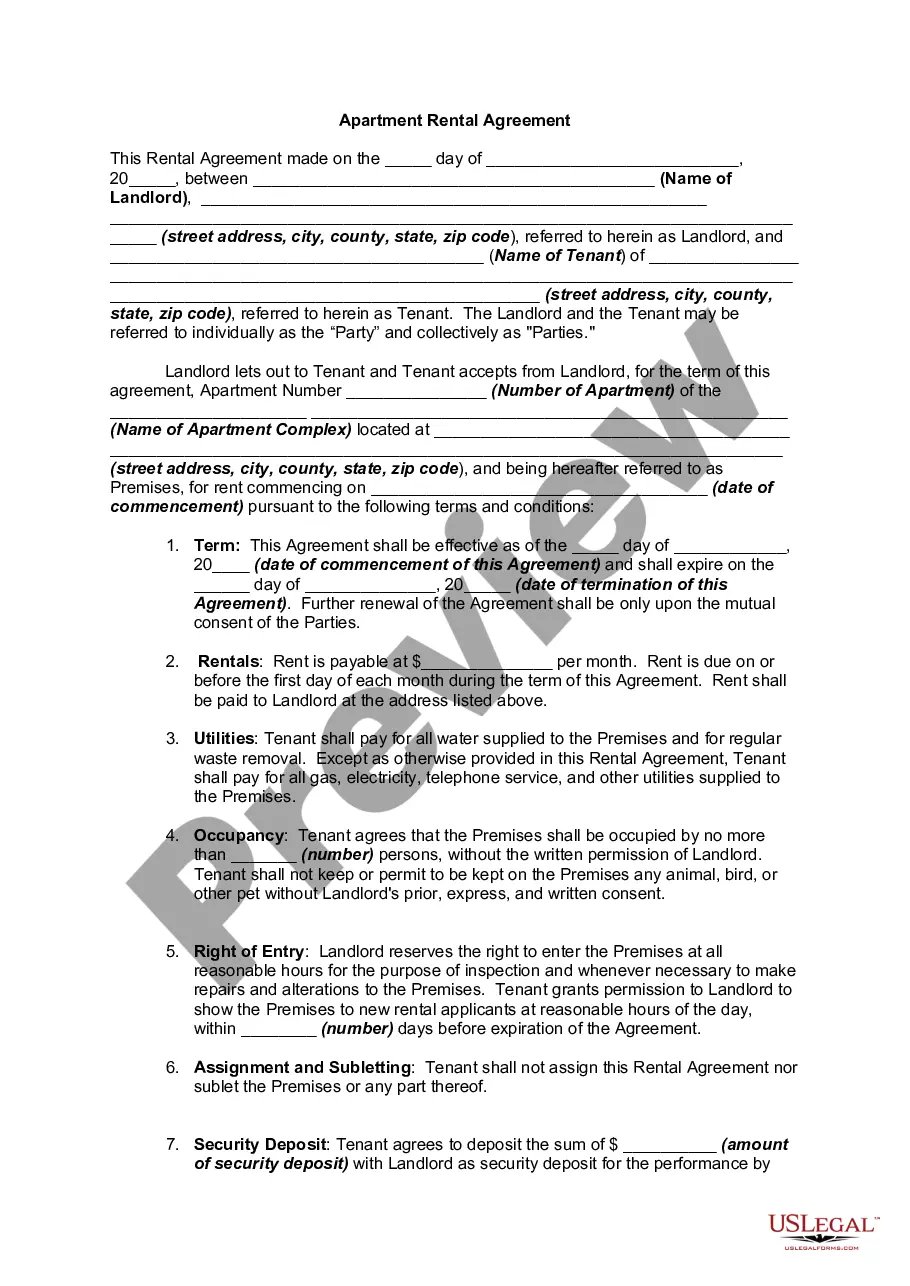
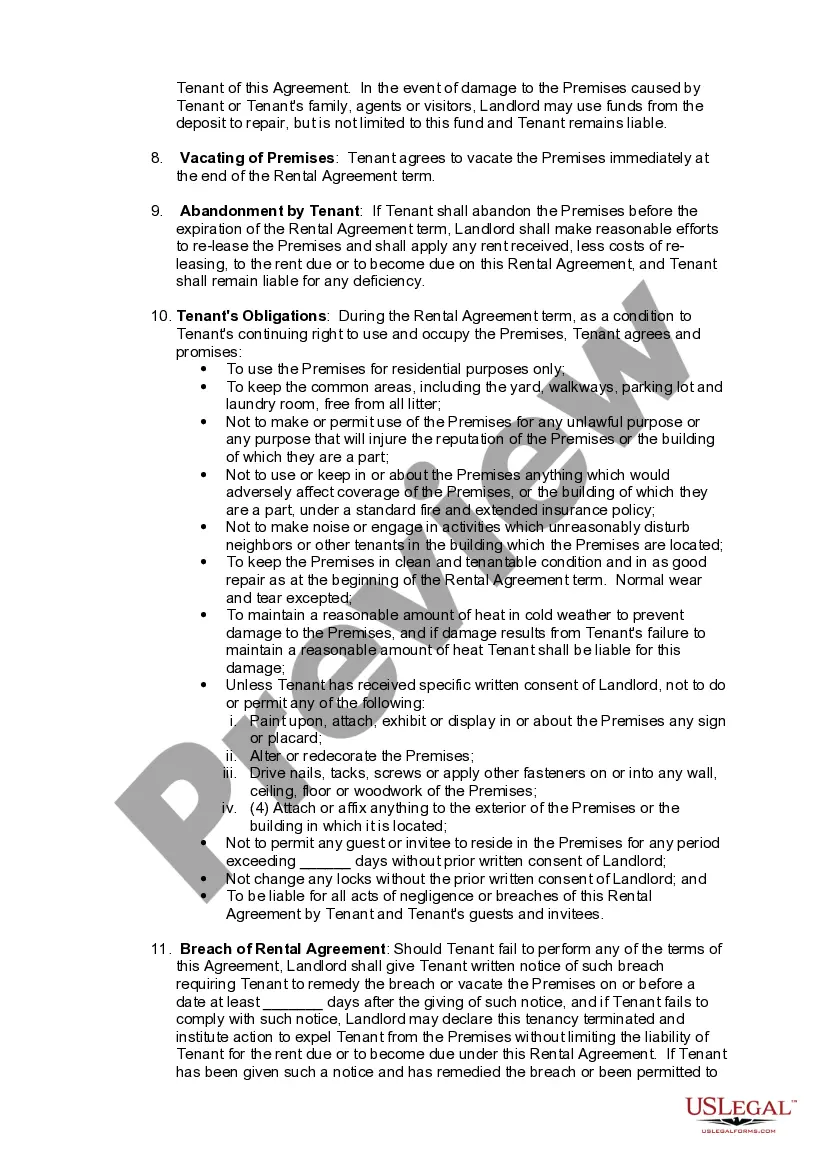
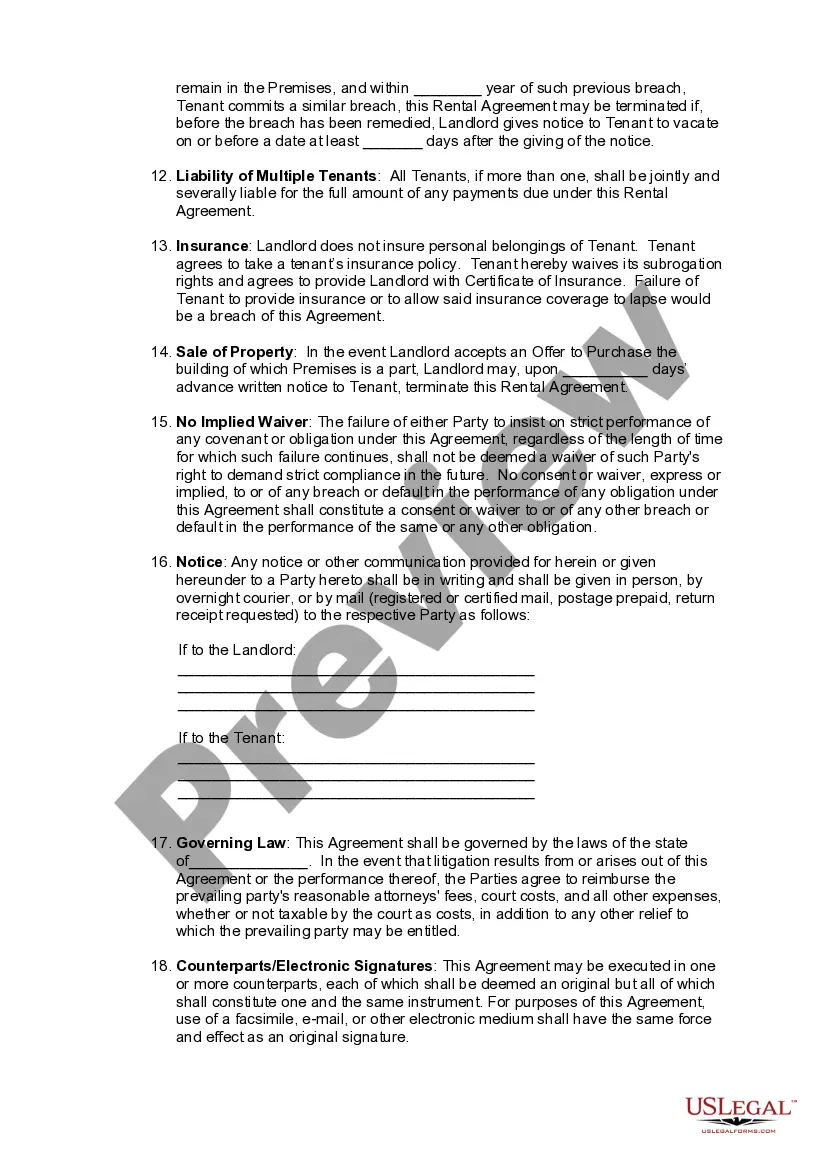
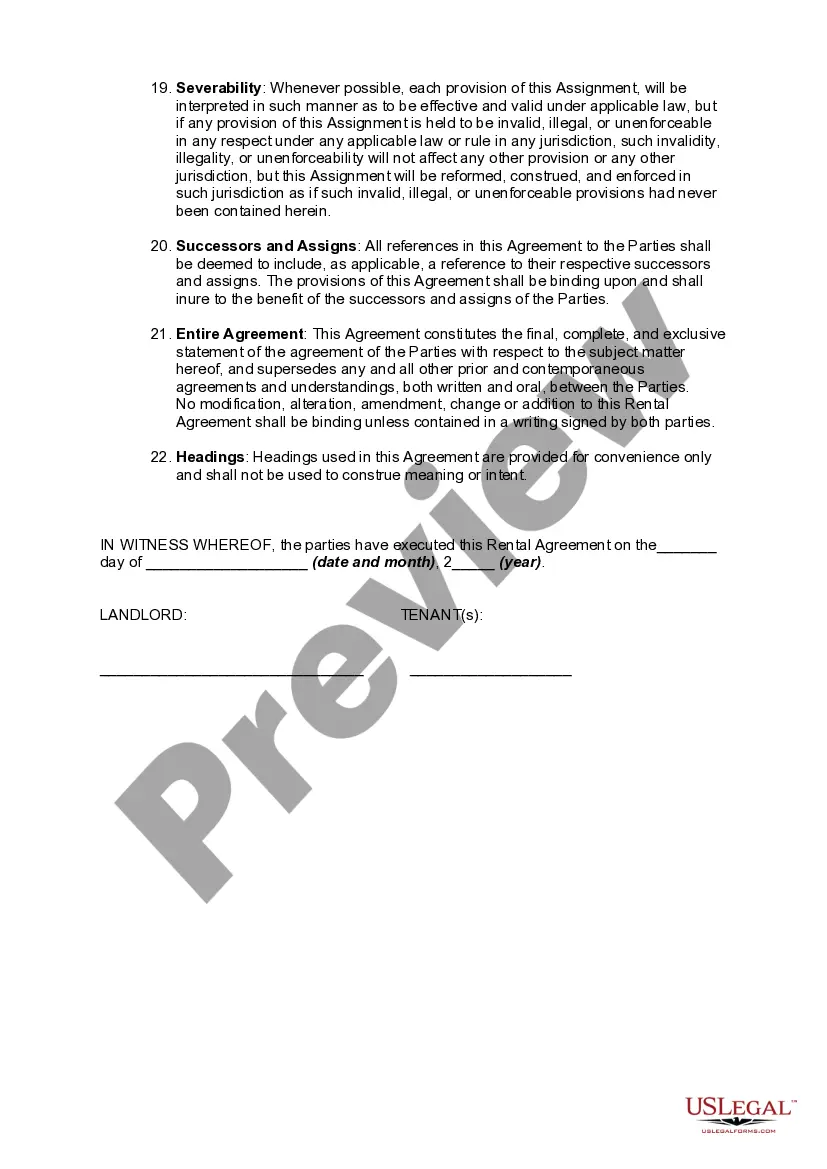
Apartment Lease Format In Clark
Description
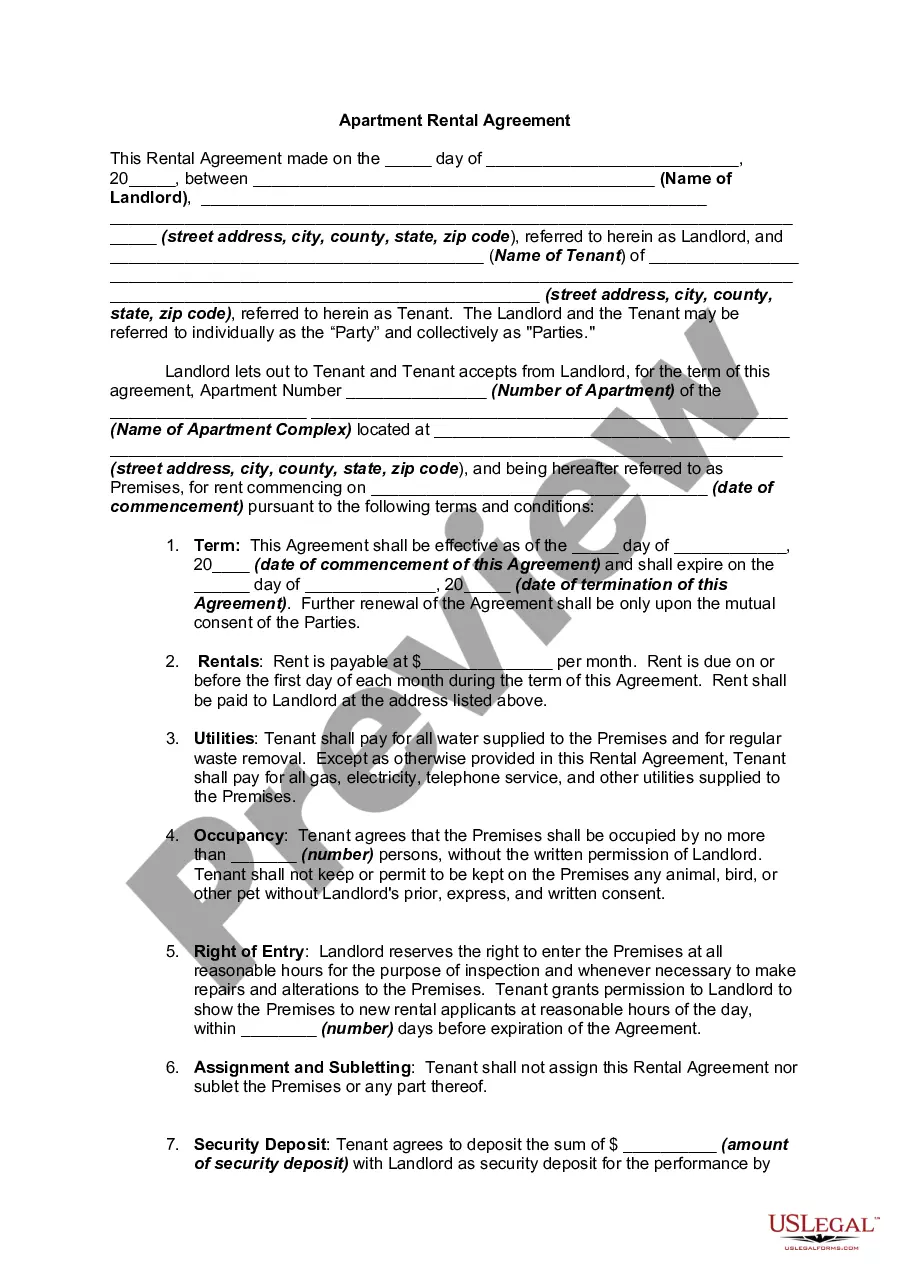
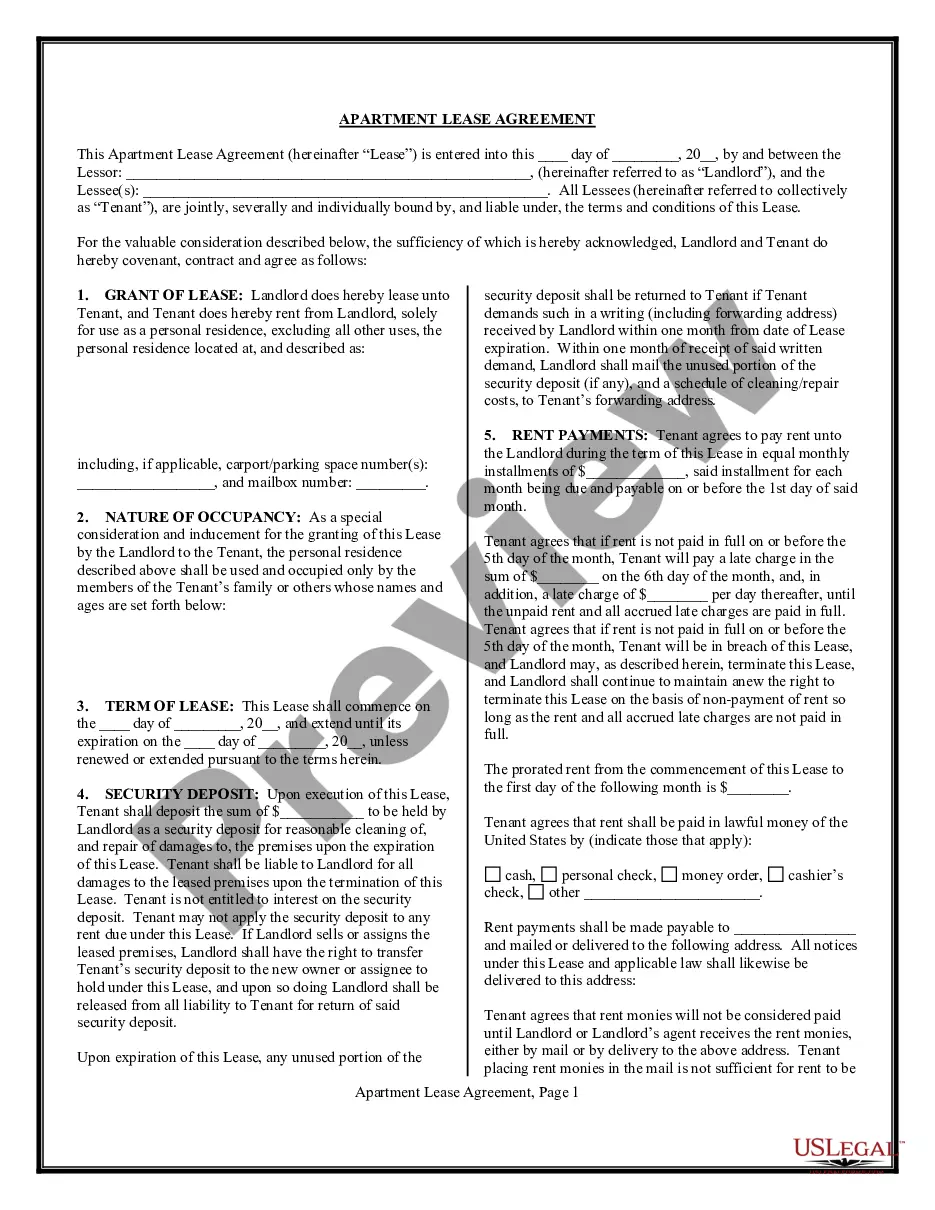
Get your form ready online
Our built-in tools help you complete, sign, share, and store your documents in one place.
Make edits, fill in missing information, and update formatting in US Legal Forms—just like you would in MS Word.
Download a copy, print it, send it by email, or mail it via USPS—whatever works best for your next step.
Sign and collect signatures with our SignNow integration. Send to multiple recipients, set reminders, and more. Go Premium to unlock E-Sign.
If this form requires notarization, complete it online through a secure video call—no need to meet a notary in person or wait for an appointment.
We protect your documents and personal data by following strict security and privacy standards.

Make edits, fill in missing information, and update formatting in US Legal Forms—just like you would in MS Word.

Download a copy, print it, send it by email, or mail it via USPS—whatever works best for your next step.

Sign and collect signatures with our SignNow integration. Send to multiple recipients, set reminders, and more. Go Premium to unlock E-Sign.

If this form requires notarization, complete it online through a secure video call—no need to meet a notary in person or wait for an appointment.

We protect your documents and personal data by following strict security and privacy standards.
Looking for another form?









Form popularity
FAQ
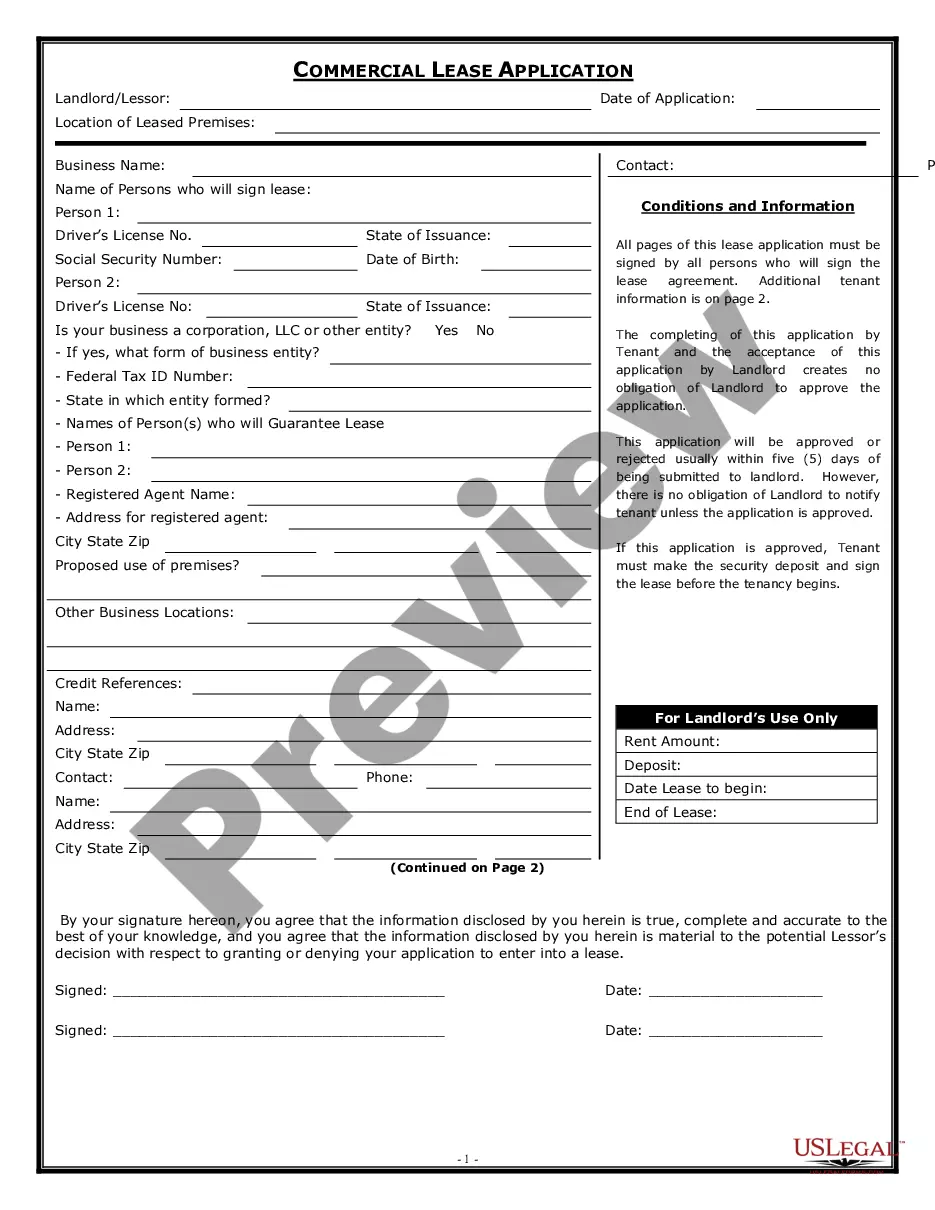
Tips for filling out the lease application Make sure to provide the property owner with your full name, contact information, and Social Security number. Additionally, it can be helpful to provide references from previous landlords or employers. This will help your application stand out from the rest.
Start by noting the basic identifying information: List the date, property address, and tenant details. Proceed room by room: Document each item in every room, including its condition. Be thorough and include all elements like walls, floors, ceilings, fixtures, and any appliances or furniture.
Start by noting the basic identifying information: List the date, property address, and tenant details. Proceed room by room: Document each item in every room, including its condition. Be thorough and include all elements like walls, floors, ceilings, fixtures, and any appliances or furniture.
Does a rental agreement need to be notarized in California? No, in California law, rental agreements do not need to be notarized. It is only notarized is required by state law as long as the criteria for a valid and legally binding lease are met.
Here's how to smoothly transfer your apartment lease: Talk to your landlord. Start early and make a plan. Promote your rental unit. Advertise key features of your rental. Coordinate showings of the property. Choosing potential candidates. Provide details and information. Handle the lease transfer.
Some leases may prohibit transferring the lease, while others might have a detailed process you must go through to do so. Your landlord will likely want to screen and approve any potential new tenant themselves, just like they did with you when you first moved in.
Notify Your Landlord of Your Move Check your lease agreement to determine the notice period required by your current apartment complex. Typically, a notice of 30 to 60 days is necessary. This will ensure that you comply with the terms of your lease agreement and avoid any potential legal issues.
You have to have your landlord's permission for you to come off the lease and then for the new person to be given a lease. More than likely, the landlord will want at least a one year lease for the new person to sign, and the landlord will have to check their credit and background before agreeing to anything.
Your Lease ID is the 3-5 digit account number that may be found on your apartment lease agreement followed by the first 3 letters of the primary lease holder's first name and the first 3 letters of the primary lease holder's last name.
