Power Attorney
Description
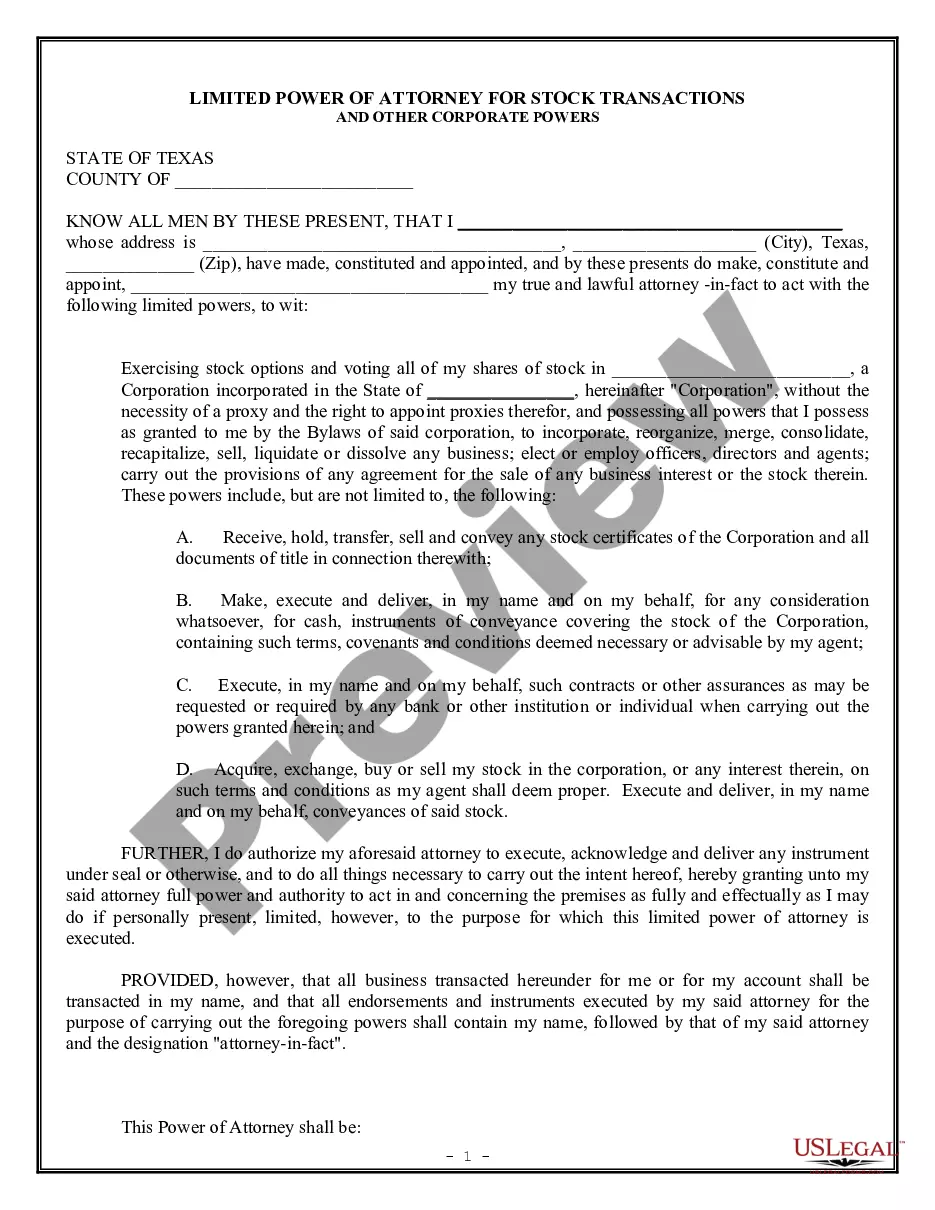
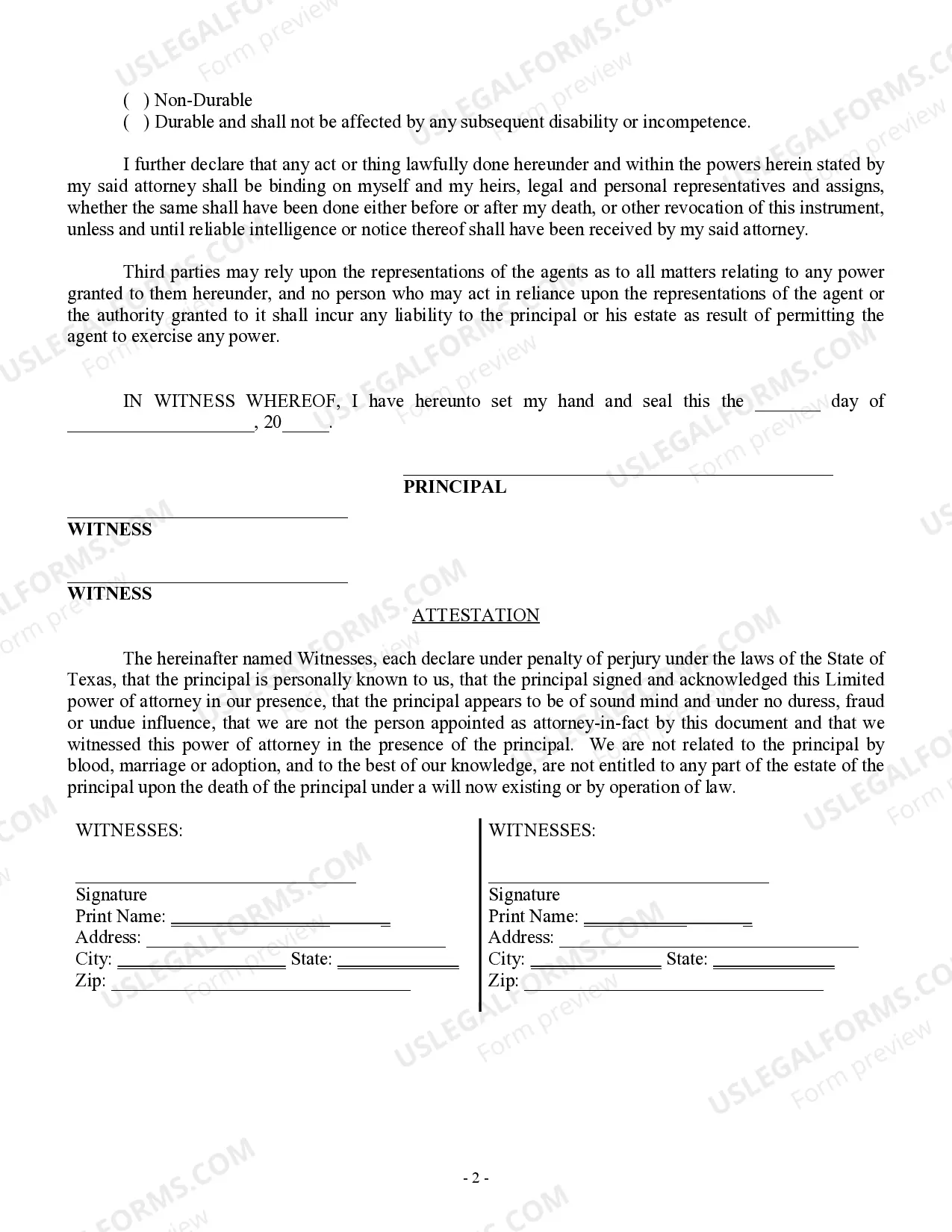
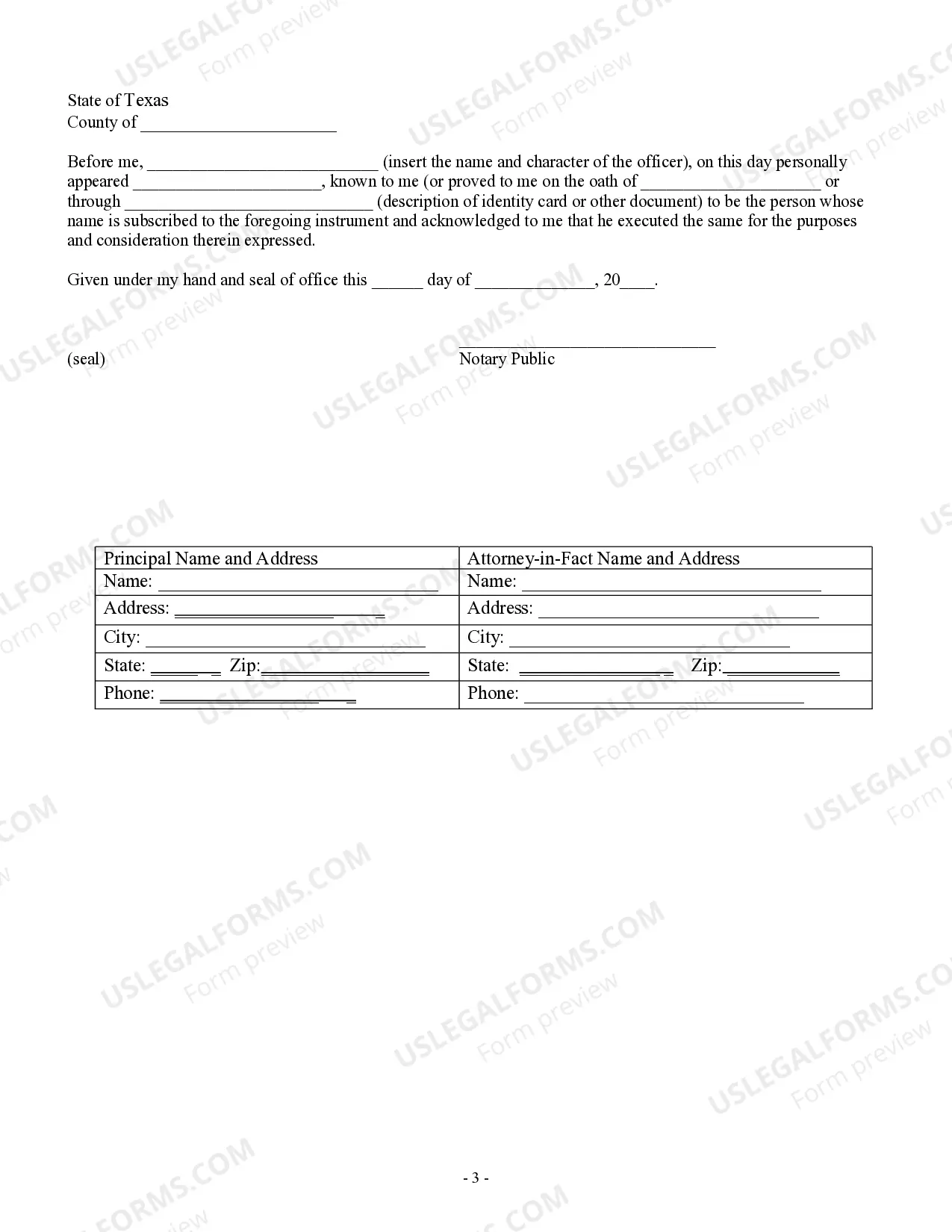
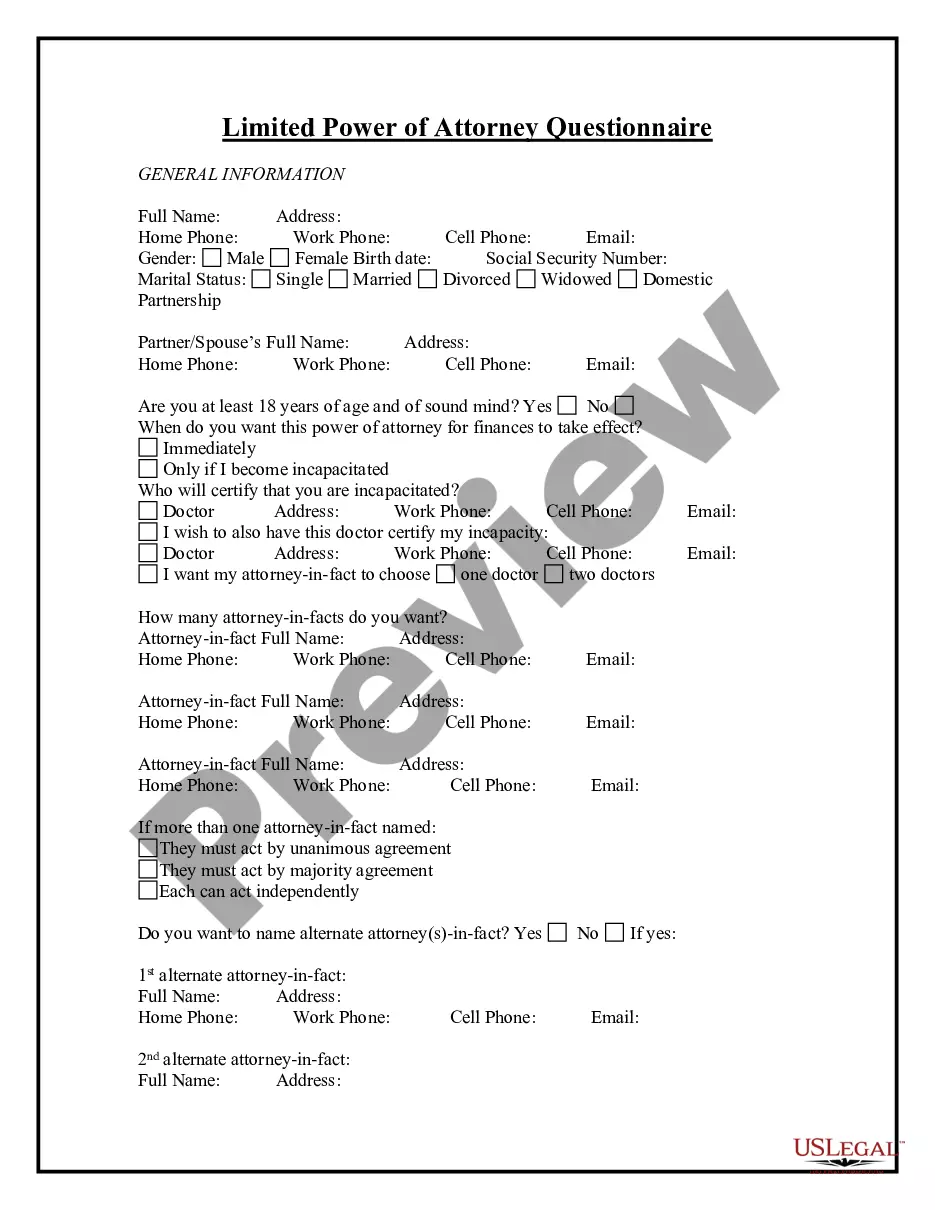
Get your form ready online
Our built-in tools help you complete, sign, share, and store your documents in one place.
Make edits, fill in missing information, and update formatting in US Legal Forms—just like you would in MS Word.
Download a copy, print it, send it by email, or mail it via USPS—whatever works best for your next step.
Sign and collect signatures with our SignNow integration. Send to multiple recipients, set reminders, and more. Go Premium to unlock E-Sign.
If this form requires notarization, complete it online through a secure video call—no need to meet a notary in person or wait for an appointment.
We protect your documents and personal data by following strict security and privacy standards.

Make edits, fill in missing information, and update formatting in US Legal Forms—just like you would in MS Word.

Download a copy, print it, send it by email, or mail it via USPS—whatever works best for your next step.

Sign and collect signatures with our SignNow integration. Send to multiple recipients, set reminders, and more. Go Premium to unlock E-Sign.

If this form requires notarization, complete it online through a secure video call—no need to meet a notary in person or wait for an appointment.

We protect your documents and personal data by following strict security and privacy standards.
Looking for another form?





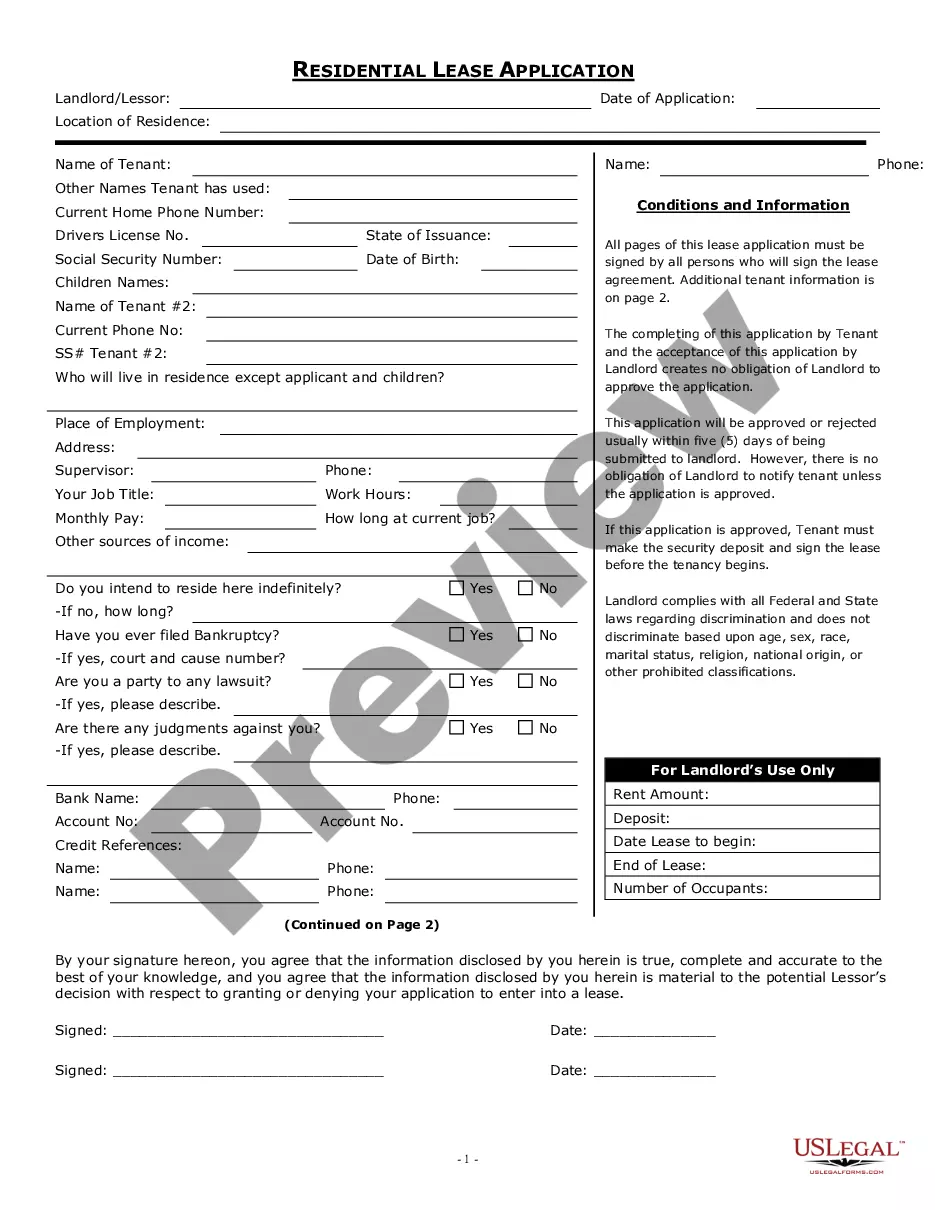
How to fill out Texas Limited Power Of Attorney For Stock Transactions And Corporate Powers?
- Log in to your US Legal Forms account if you are a returning user, ensuring your subscription is active.
- For first-time users, browse the extensive online library and select the power attorney form that aligns with your jurisdictional requirements.
- In Preview mode, review the form details carefully to confirm it meets your needs.
- If adjustments are needed, utilize the Search tab to locate the appropriate form.
- Select the 'Buy Now' option and choose your preferred subscription plan, creating an account if necessary.
- Complete your purchase by entering payment information via credit card or PayPal.
- Once the transaction is complete, download the power attorney form directly to your device and access it anytime through your profile's 'My Forms' menu.
In conclusion, US Legal Forms offers a straightforward and user-friendly way to obtain legally sound power attorney documents. With expert assistance available and a vast collection of forms, navigating the legal landscape has never been easier.
Start your journey towards legal clarity today by visiting US Legal Forms and accessing your power attorney form!
Form popularity
FAQ
When signing on behalf of someone else, the format typically involves using the principal’s name first. For instance, if the principal is Mark Taylor, you would sign 'Mark Taylor by Your Name, Attorney-in-Fact'. This method clarifies the action you are taking on behalf of the principal, ensuring that it is properly documented.
An example of signing as a power of attorney would look like this: If the principal's name is Jane Doe, you would sign the document as 'Jane Doe by Your Name, Attorney-in-Fact'. This format makes it immediately clear who is granting the authority and who is executing the document, reinforcing the validity of the power of attorney.
In South Carolina, a power of attorney must be in writing and signed by the principal. The document needs to be notarized or, in some cases, signed by two witnesses. Specific language indicating the powers granted must also be included, making it critical to consult a reliable source like US Legal Forms to ensure all legal requirements are met.
When signing a check as a power of attorney, first write the principal's name on the signature line. After that, you can write 'by' and then your own name, followed by 'Attorney-in-Fact'. For example, if the principal's name is John Smith, you would sign it 'John Smith by Your Name, Attorney-in-Fact'. This clearly shows your authority to sign on their behalf.
When signing as a power of attorney, use the principal's name first, followed by your name. After the principal's name, write 'by' and then include 'your name, Attorney-in-Fact' to clarify your role. This format clearly identifies you as the individual acting on behalf of the principal under their power attorney.
Power of attorney grants you authority over a wide range of decisions, primarily concerning financial and legal matters. This means you can manage bank accounts, make investments, and handle real estate transactions on behalf of the principal. In some cases, the power of attorney can extend to healthcare decisions, enabling you to make choices about medical treatment. Understanding the extent of this authority allows you to better serve the needs of the principal.
A legal power of attorney cannot make decisions regarding the principal's medical care if they are incapacitated, unless specifically allowed in the document. Additionally, a power of attorney cannot change a person's will or handle matters posthumously. You should also know that any decisions involving personal rights, like voting or marriage, typically remain under the control of the individual. It's crucial to understand these limitations to effectively navigate the responsibilities of power of attorney.
In Florida, creating a valid power of attorney requires your document to be in writing and signed by the principal. Additionally, it must be witnessed by two people who are not related to you and do not stand to gain benefit from the power of attorney. While the document must specify the powers granted, you should also consider having it notarized for added legal protection. Utilizing platforms like US Legal Forms can simplify this process and ensure compliance with state requirements.
When you hold power of attorney, you assume significant responsibilities. You must act in the best interest of the principal, making decisions with care and diligence. You will need to manage financial matters or healthcare decisions responsibly, ensuring you respect their wishes. Failure to do so could lead to legal consequences, so it's vital to understand the weight of this role.
In Michigan, to create a valid power of attorney, you need to be at least 18 years old and of sound mind. The document must be signed by the principal and two witnesses, or notarized. It’s also advisable to specify the powers you wish to grant clearly. Using US Legal Forms can help ensure your power attorney meets all legal requirements in Michigan.