Living Will Form With Minor Child
Description
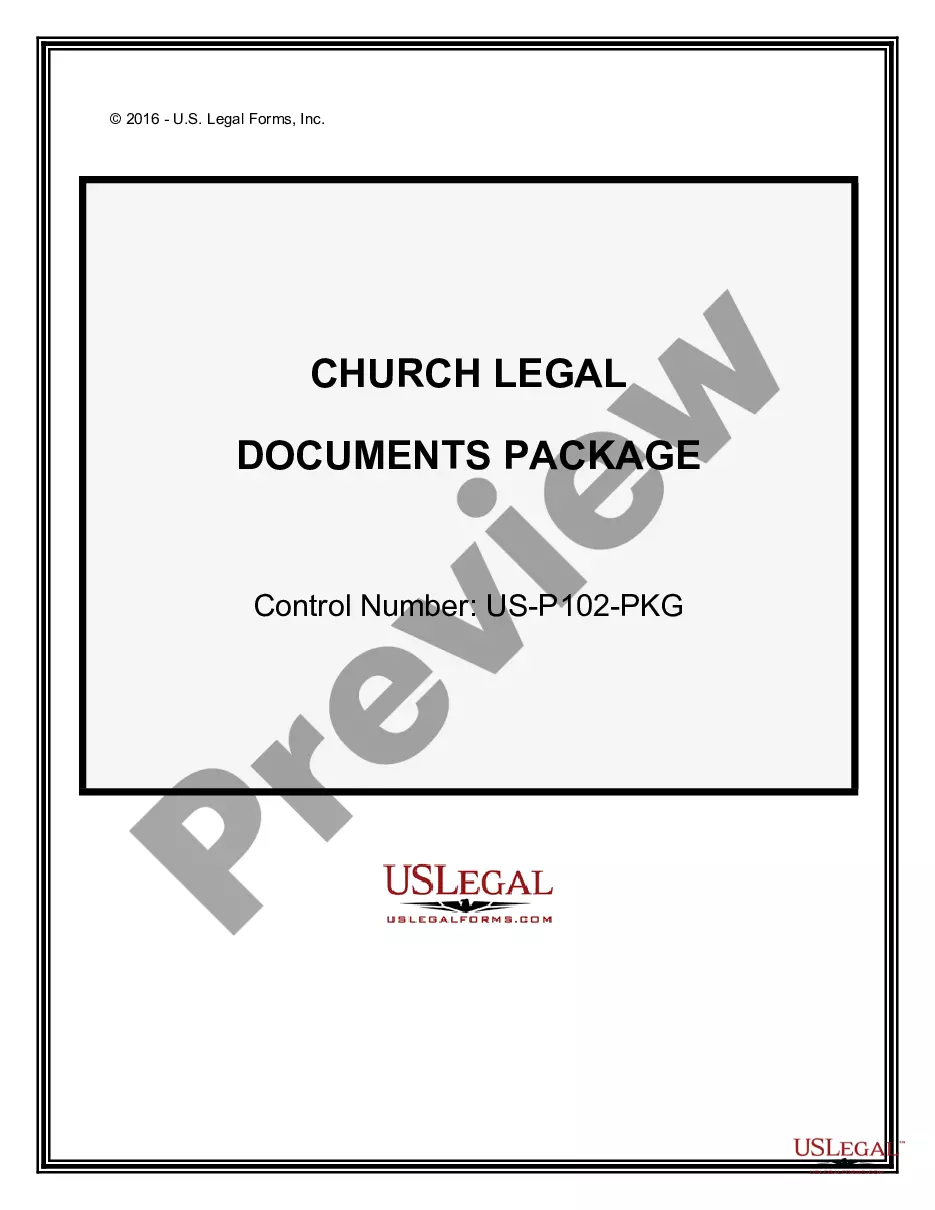
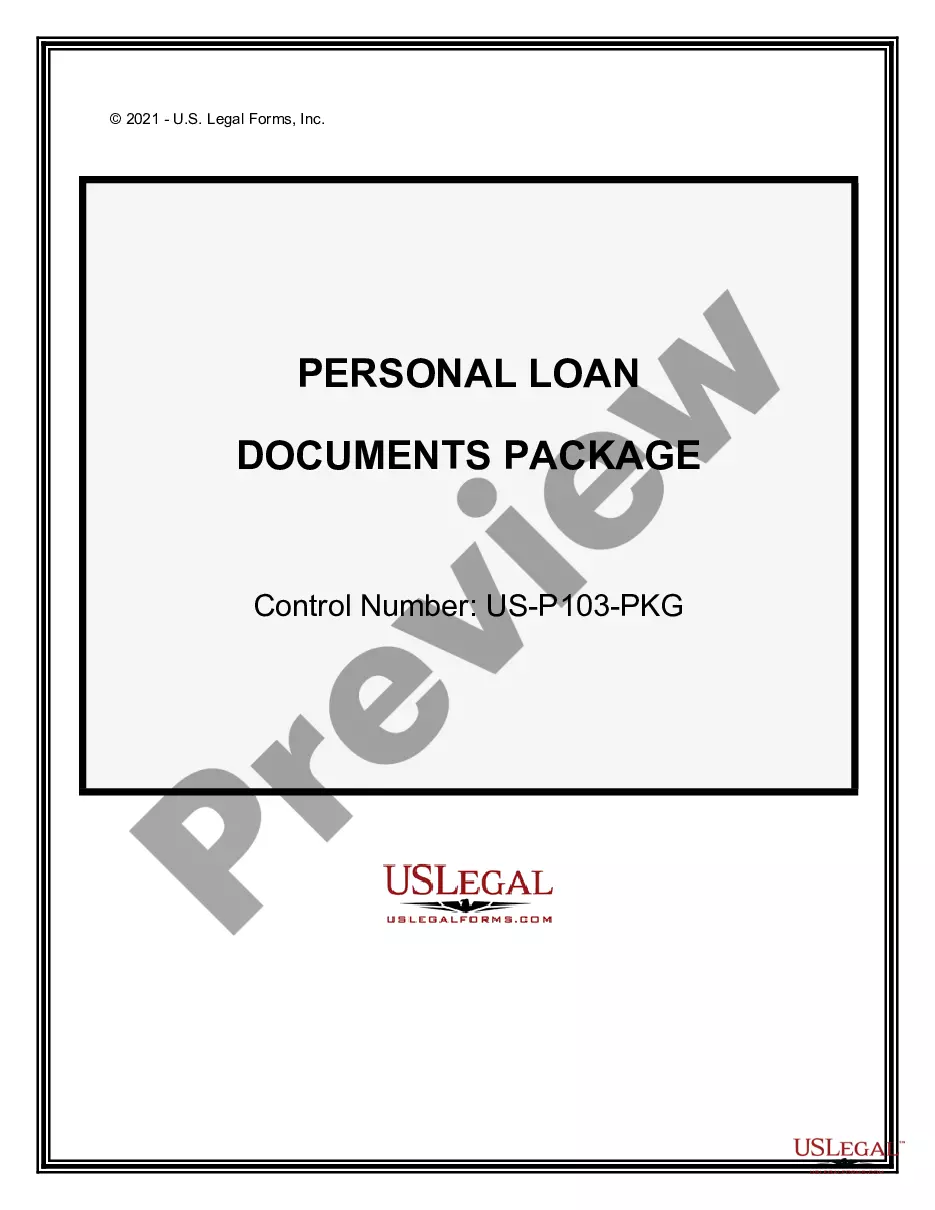
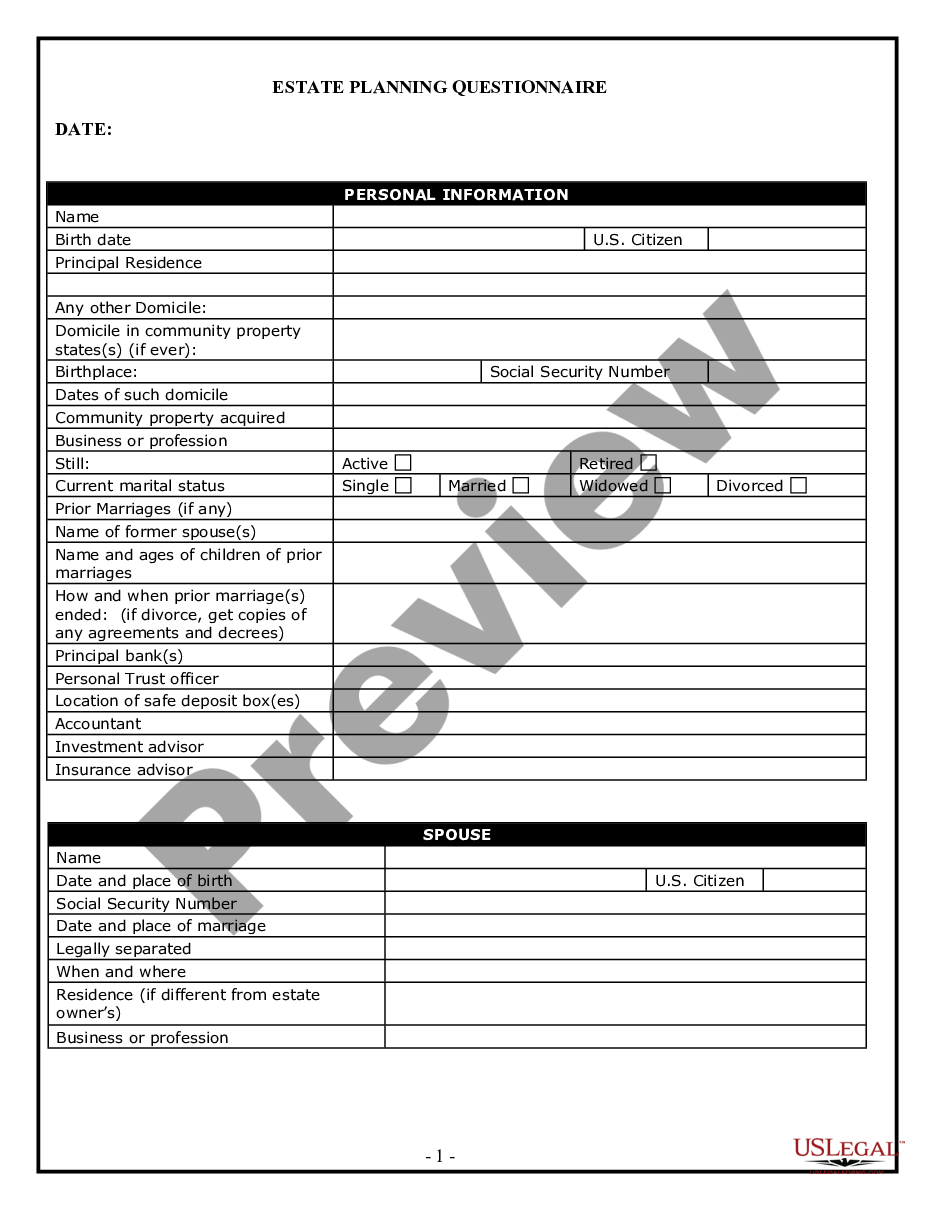
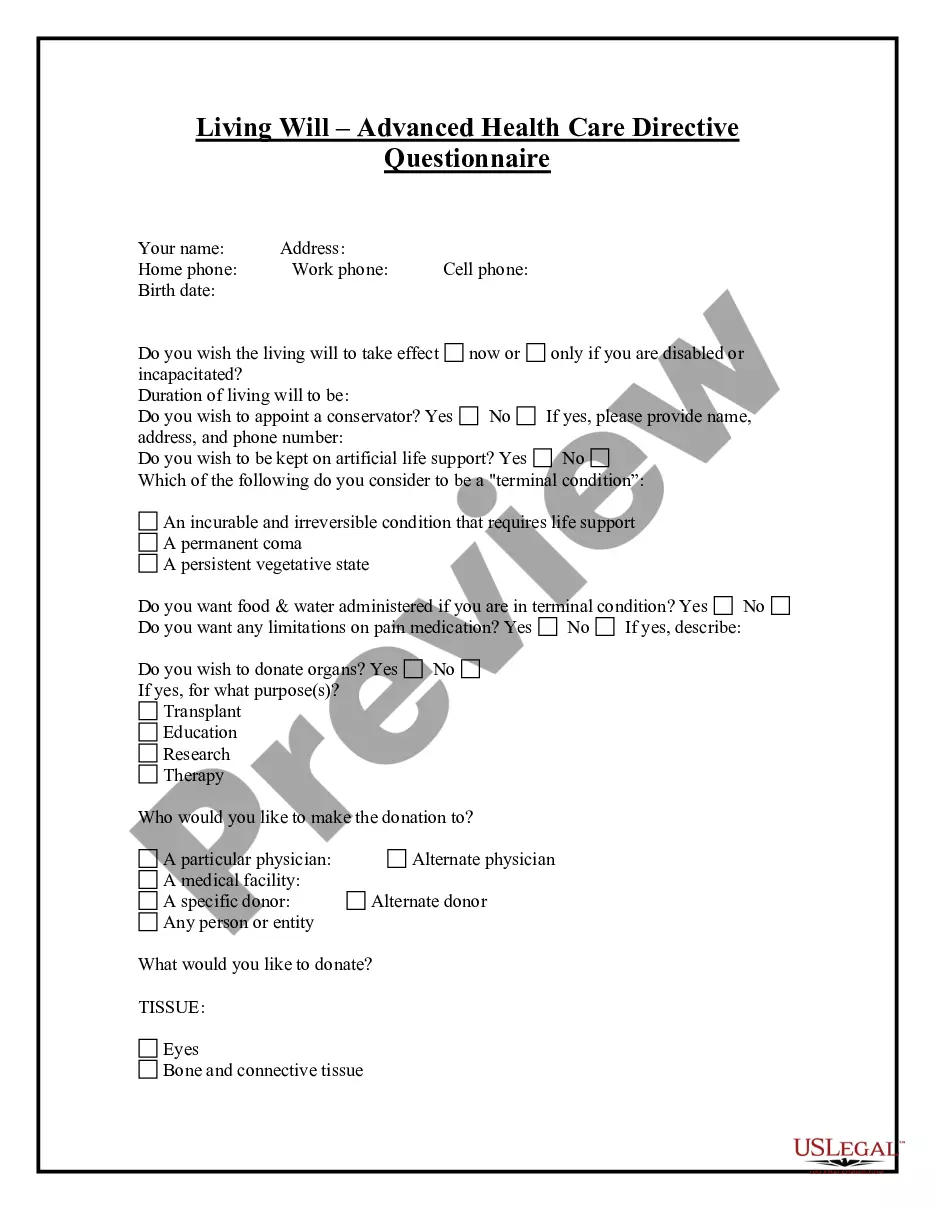
Get your form ready online
Our built-in tools help you complete, sign, share, and store your documents in one place.
Make edits, fill in missing information, and update formatting in US Legal Forms—just like you would in MS Word.
Download a copy, print it, send it by email, or mail it via USPS—whatever works best for your next step.
Sign and collect signatures with our SignNow integration. Send to multiple recipients, set reminders, and more. Go Premium to unlock E-Sign.
If this form requires notarization, complete it online through a secure video call—no need to meet a notary in person or wait for an appointment.
We protect your documents and personal data by following strict security and privacy standards.

Make edits, fill in missing information, and update formatting in US Legal Forms—just like you would in MS Word.

Download a copy, print it, send it by email, or mail it via USPS—whatever works best for your next step.

Sign and collect signatures with our SignNow integration. Send to multiple recipients, set reminders, and more. Go Premium to unlock E-Sign.

If this form requires notarization, complete it online through a secure video call—no need to meet a notary in person or wait for an appointment.

We protect your documents and personal data by following strict security and privacy standards.
Looking for another form?







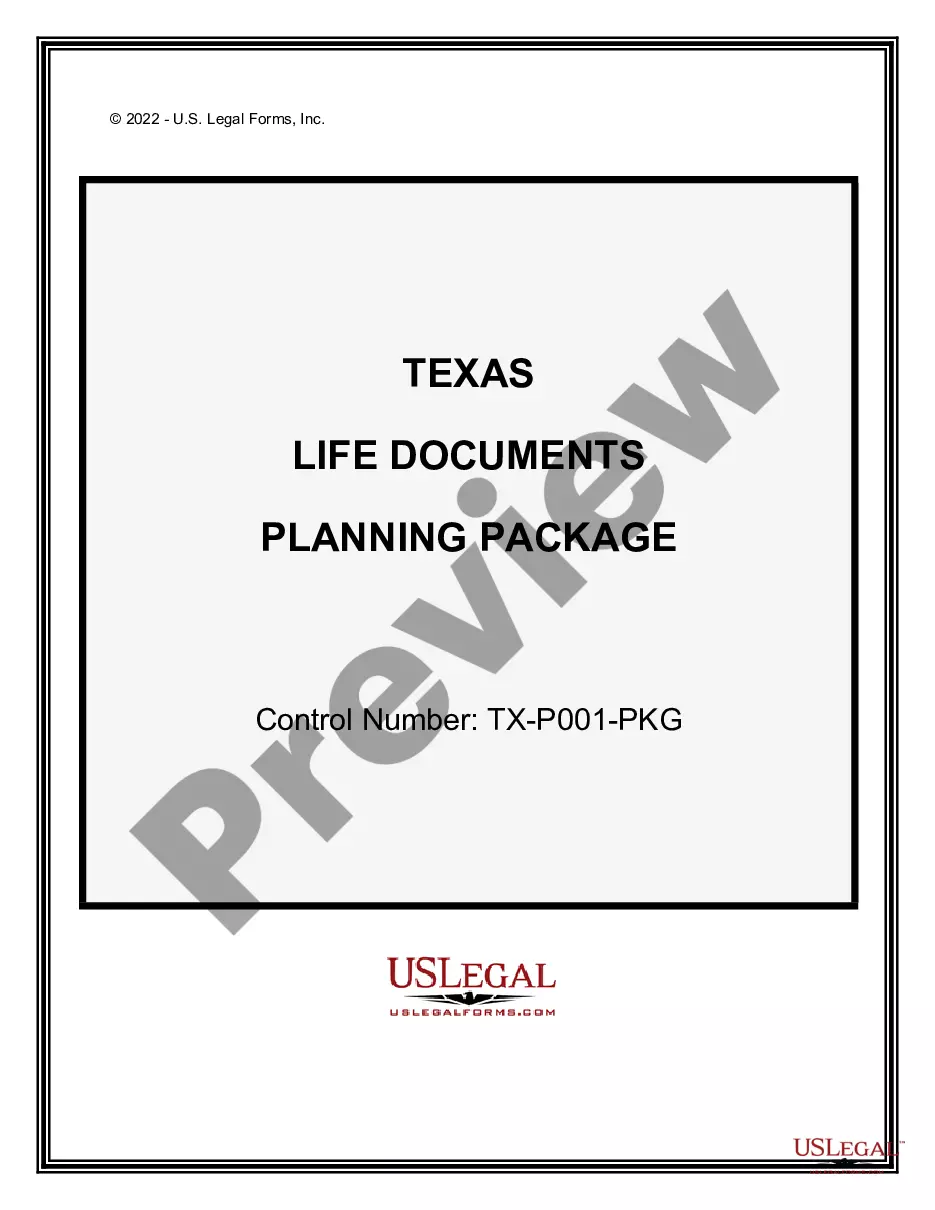
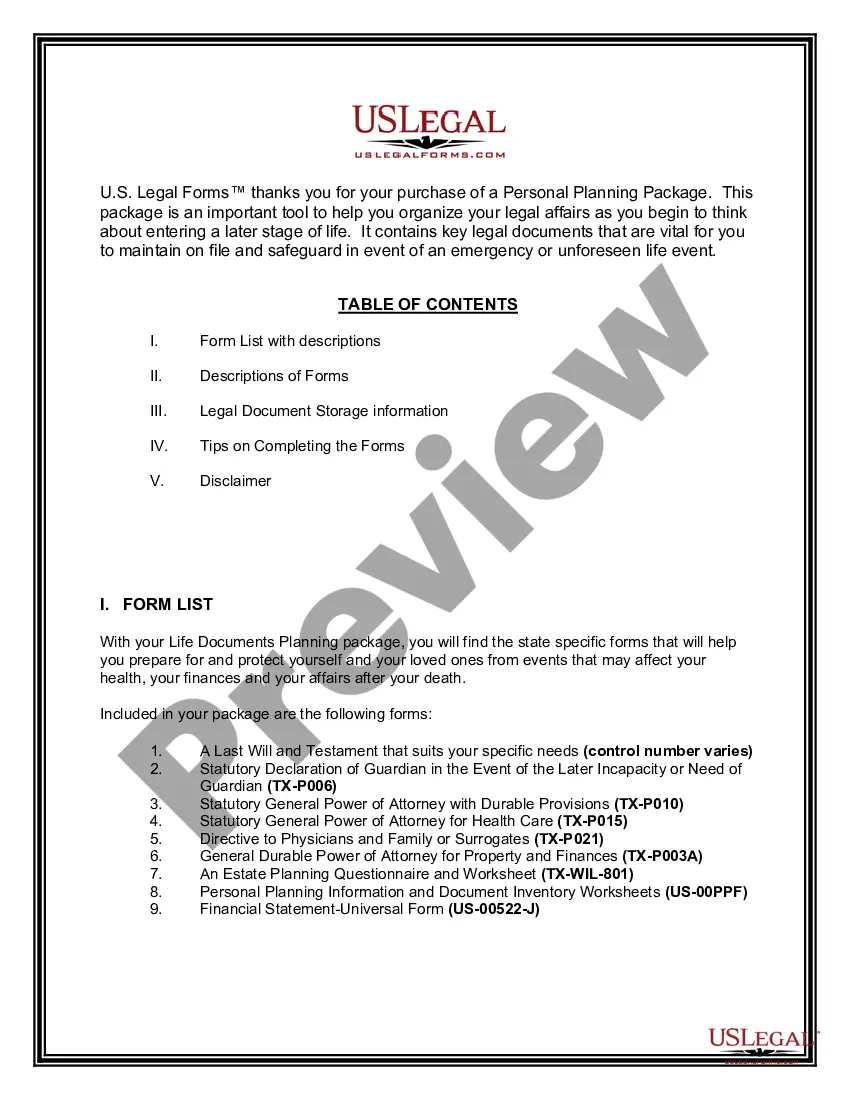
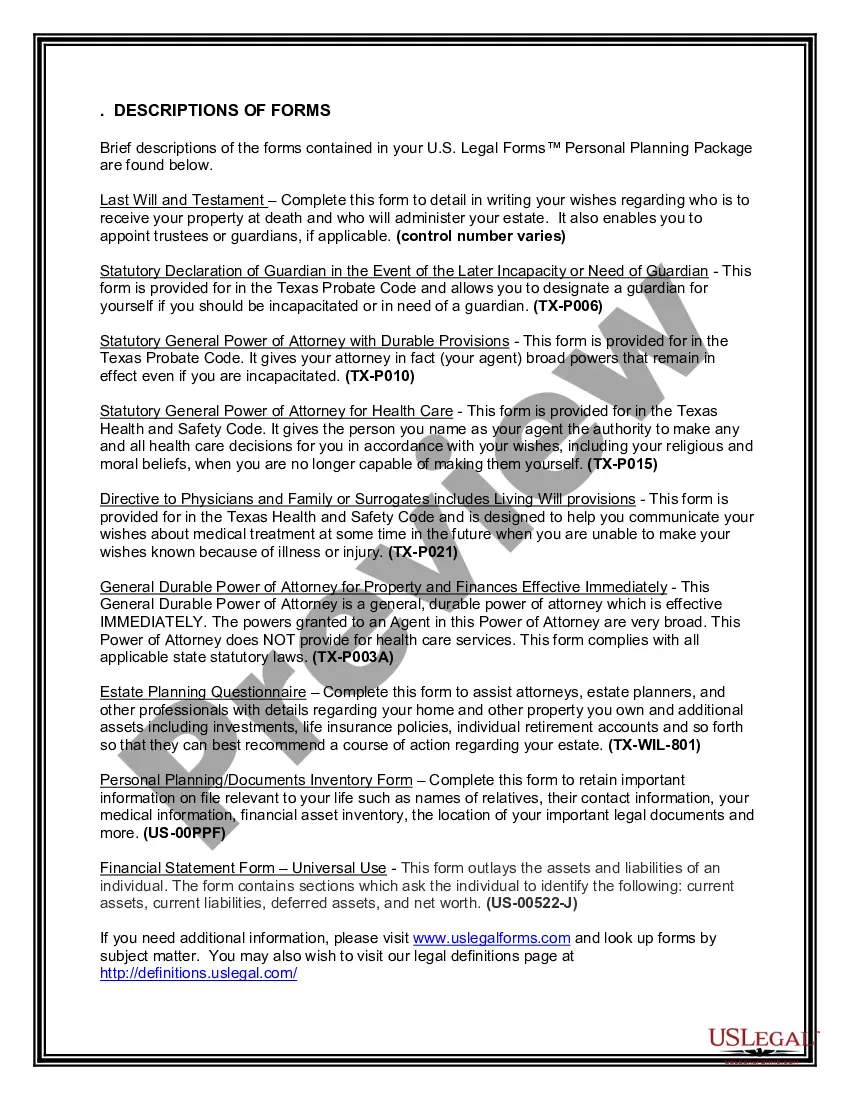
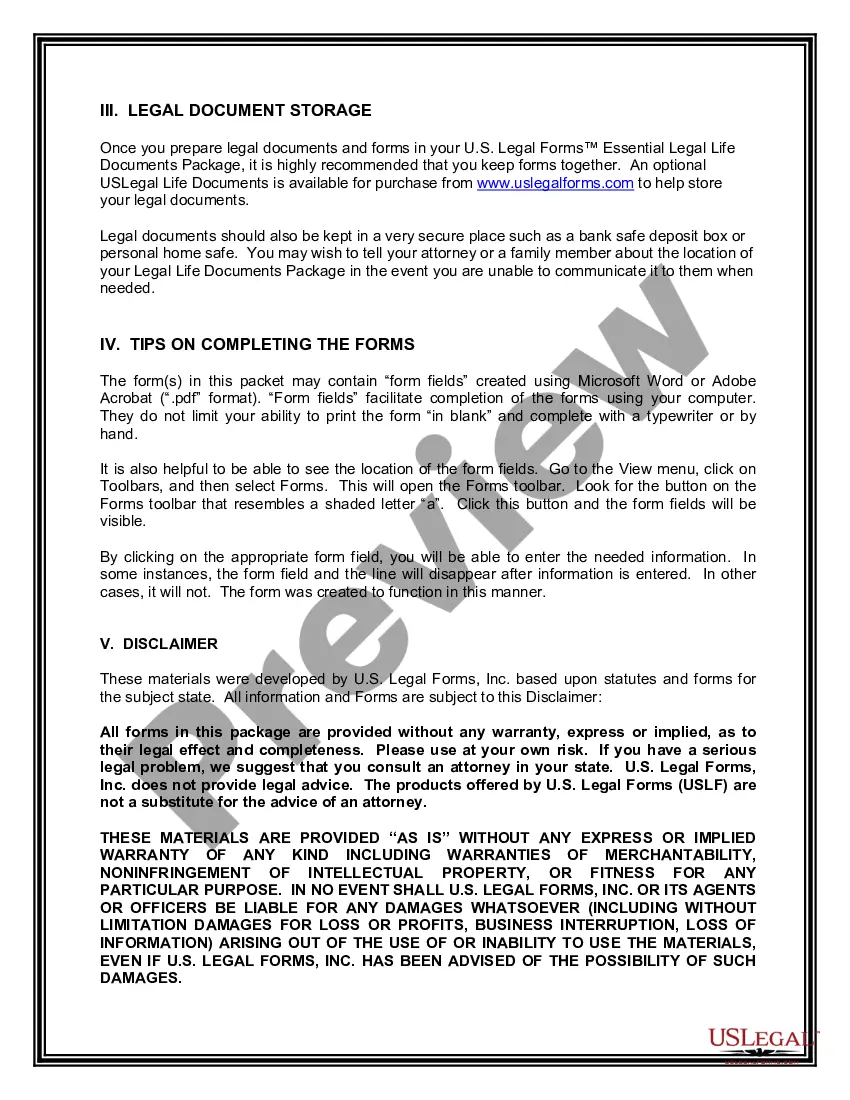
How to fill out Texas Life Documents Planning Package, Including Will, Power Of Attorney And Living Will?
- Visit the US Legal Forms website and log into your account. If you're not a member yet, create an account to start the process.
- Browse through the extensive online library and locate the living will form that specifically includes provisions for your minor child.
- Review the template preview and form description to ensure it meets your state’s jurisdictional requirements.
- If you need more options, use the Search tab to find additional templates that might suit your situation better.
- Select the appropriate subscription plan and click on the 'Buy Now' button to purchase the document.
- Enter your payment details to complete the transaction safely.
- Once your payment is confirmed, download the living will form to your device and keep it accessible for future reference.
In conclusion, US Legal Forms provides a user-friendly platform to create legal documents like a living will with provisions for minor children. With access to a vast library of forms and expert assistance, you can ensure your wishes are respected and your family's needs are addressed. Start your legal journey today!
Visit US Legal Forms now to get started!
Form popularity
FAQ
The minimum age to create a legally binding will in most states is 18. However, individuals below this age can make informal arrangements regarding guardianship or medical decisions, especially when it comes to a living will form with minor child details. It's essential to consult with a legal expert to navigate these options correctly. With US Legal Forms, you can find the appropriate tools to assist both young adults and their families in planning for the future.
In Pennsylvania, a will must be in writing, signed by the testator, and witnessed by at least two individuals. Additionally, the testator must be of sound mind and at least 18 years old when creating the will. For families with minor children, a living will form with minor child considerations can also outline guardianship preferences. Using US Legal Forms, you can ensure that your will meets all state requirements and adequately represents your wishes.
Typically, the youngest age to write a will is 18, as this is when individuals are considered legally adults. However, minors can express their wishes regarding guardianship through a living will form with minor child provisions, if there are special circumstances. It’s important to discuss these matters with legal experts who can guide you in creating a will that meets your needs. US Legal Forms provides resources to help young adults establish their first will or living will effectively.
While a living will specifies your wishes regarding medical treatment, a comprehensive advance directive encompasses both a living will and a healthcare power of attorney. This document allows you to designate someone to make decisions on your behalf if you are unable to communicate your wishes. Having a living will form with minor child elements ensures that both your medical preferences and guardianship decisions are clearly stated. Consider using US Legal Forms to create an advance directive that meets your specific needs.
Family members cannot override a living will, as this legal document clearly outlines your wishes regarding medical treatment. However, in some situations, family members may challenge your living will in court if they believe it does not reflect your true intentions. It's crucial to create a living will form with minor child considerations to ensure your family's decisions align with your wishes. Using platforms like US Legal Forms can help you draft a living will that precisely states your preferences.
Certain situations can override a living will, such as new medical directives or court orders. Additionally, healthcare providers may choose to act based on their professional ethical judgment if they believe the living will form with minor child does not adequately represent your wishes. It's crucial to regularly communicate your desires and review your documents. Staying informed about your rights will help ensure your preferences are honored.
The best way to write a living will is to begin with a comprehensive understanding of your health care preferences. Use clear language and be as specific as possible while filling out the living will form with minor child to convey your wishes effectively. You may also consult legal resources or professionals to ensure your document meets all legal requirements. Moreover, discussing your choices with family members will further reinforce your intentions.
Having a living will is vital for parents with minor children. It can specify your wishes regarding care for your children if you're unable to make decisions. The living will form with minor child ensures that guardianship and medical decisions align with your values. This legal preparation helps your family navigate difficult times with more clarity and support.
Living wills provide clarity on your medical preferences in times of incapacity, making it easier for loved ones to make decisions. However, the cons include potential misunderstandings and the rigidity of the document. The living will form with minor child helps delineate your health care choices, but it may not account for every situation. Weighing these pros and cons carefully will help you make an informed decision about this important legal tool.
A critical problem with a living will is that healthcare providers may interpret the document differently. This can cause disagreements about your wishes, especially in complex medical situations. If the living will form with minor child is vague or lacks detail, it could lead to healthcare decisions that do not reflect your true desires. Clear communication and thorough documentation are necessary to minimize these issues.