Motion For Reconsideration Texas Rules Of Civil Procedure
Description
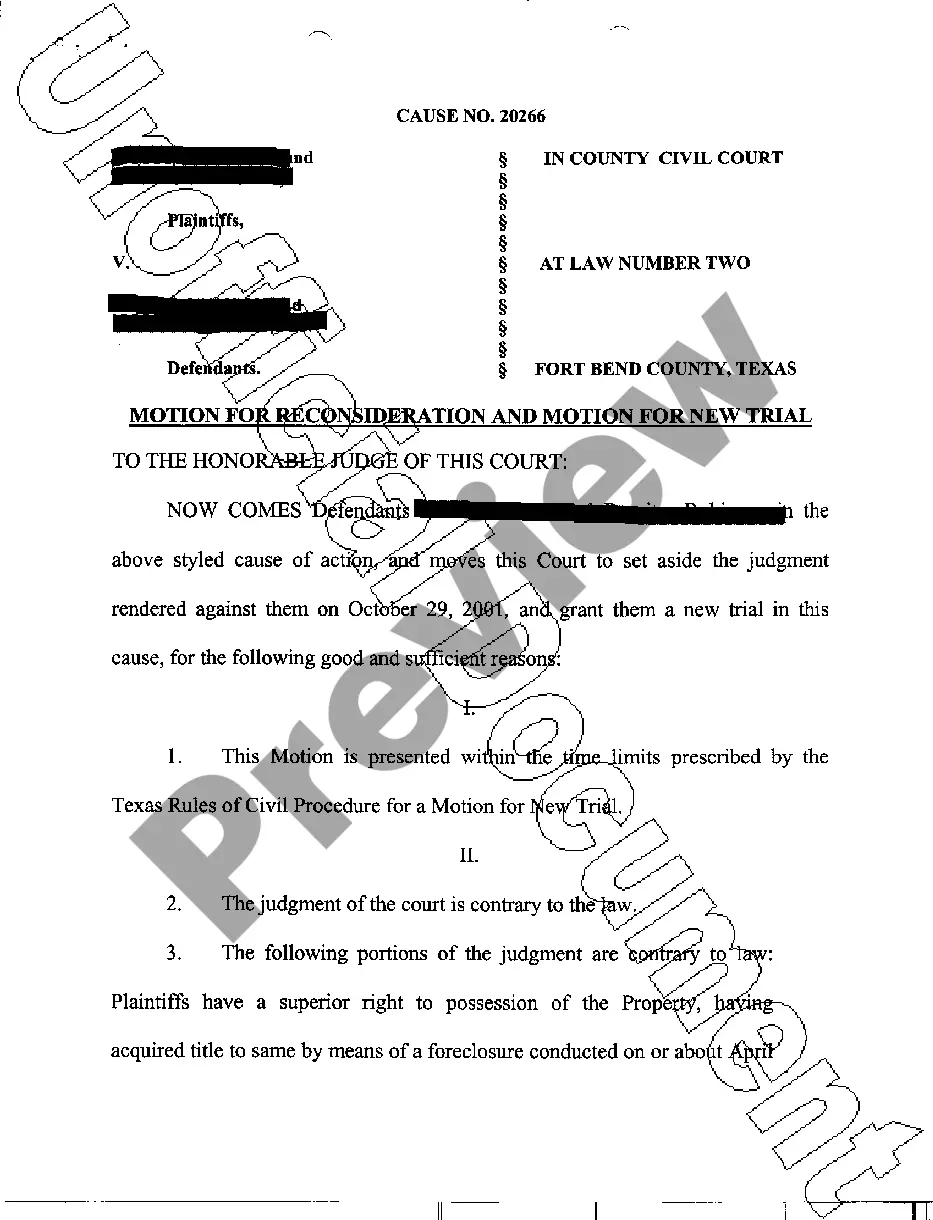



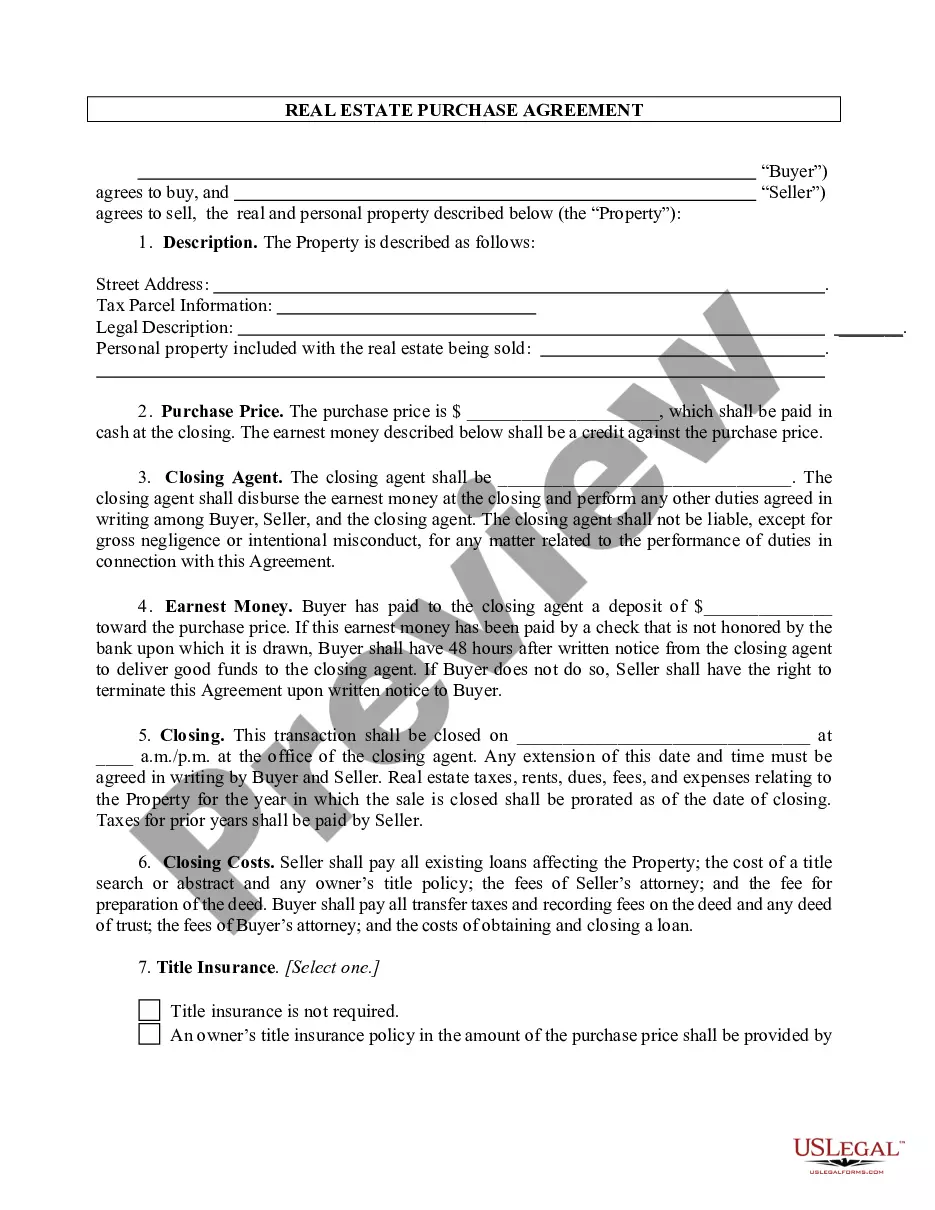
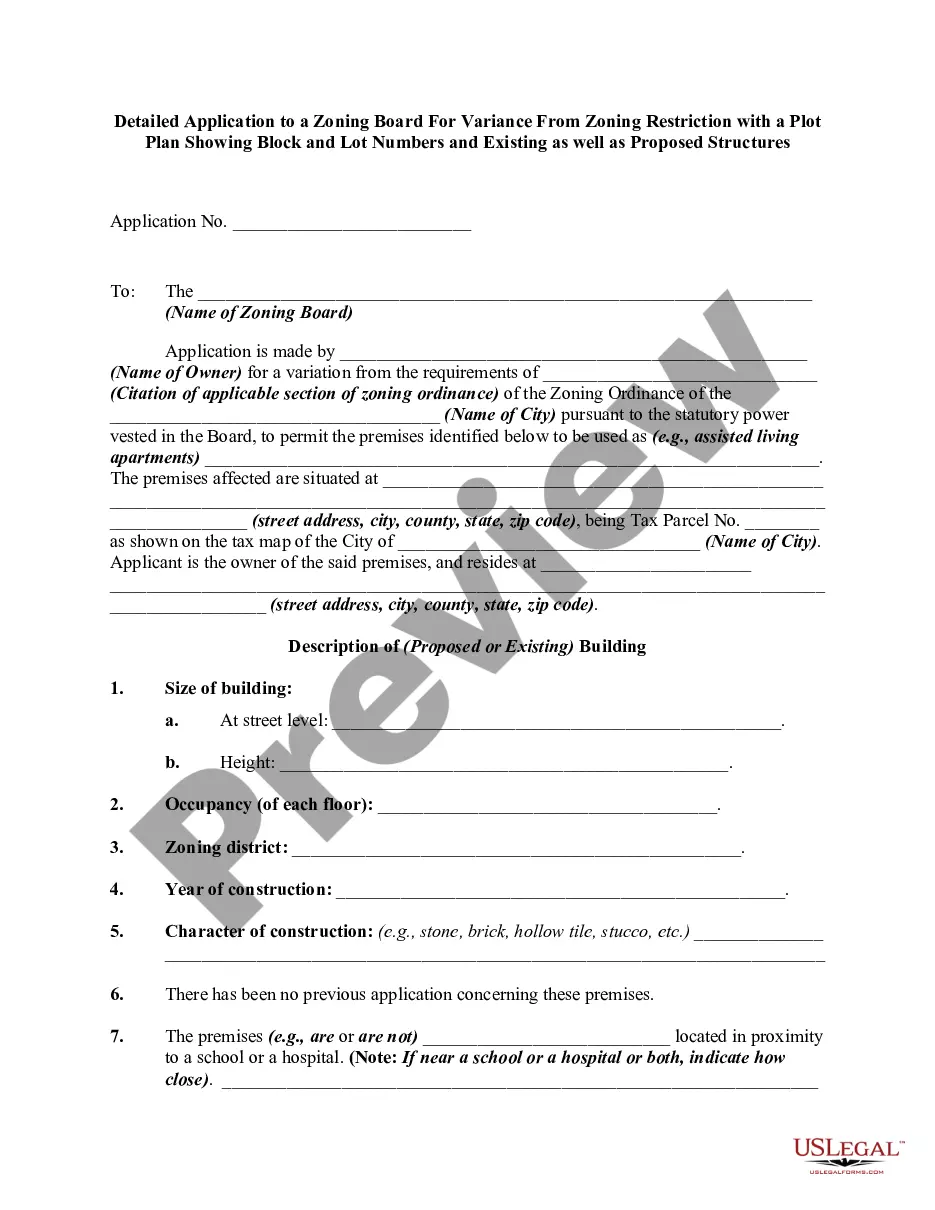
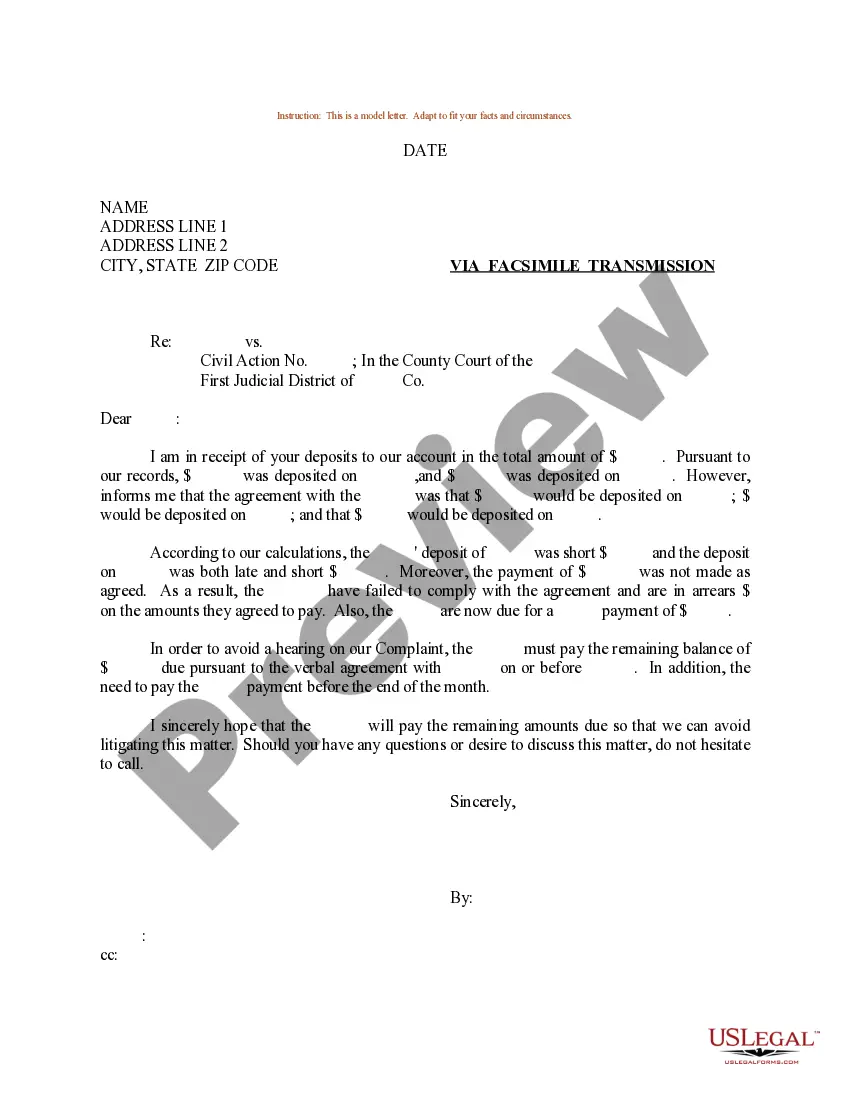
How to fill out Texas Motion For Reconsideration And Motion For New Trial?
It’s widely known that you cannot transform into a legal expert instantly, nor can you easily learn how to swiftly prepare a Motion For Reconsideration under the Texas Rules Of Civil Procedure without possessing a specific skill set. Drafting legal documents is a lengthy process that demands a distinct education and abilities. So why not entrust the creation of the Motion For Reconsideration under Texas Rules Of Civil Procedure to the experts.
With US Legal Forms, one of the most extensive legal template repositories, you can obtain everything from court documents to templates for internal business correspondence. We understand how vital compliance and adherence to federal and state laws and regulations are. That’s why, on our platform, all templates are location-specific and current.
Let’s begin with our platform and acquire the document you require in just a few minutes.
You can regain access to your documents from the My documents tab at any time. If you’re a returning customer, you can simply Log In, and find and download the template from the same tab.
Regardless of the intent behind your forms—be it financial, legal, or personal—our platform has you supported. Give US Legal Forms a try today!
- Locate the document you need using the search bar at the top of the page.
- Preview it (if this feature is available) and examine the supporting description to confirm whether the Motion For Reconsideration under Texas Rules Of Civil Procedure meets your needs.
- Initiate your search again if you require a different form.
- Sign up for a complimentary account and select a subscription plan to purchase the template.
- Click Buy now. Once the transaction is completed, you can download the Motion For Reconsideration under Texas Rules Of Civil Procedure, complete it, print it, and send it or mail it to the specified individuals or organizations.
Form popularity
FAQ
A motion for rehearing may be filed within 15 days after the court of appeals' judgment or order is rendered. The motion must clearly state the issues relied on for the rehearing. No response to a motion for rehearing need be filed unless the court so requests.
49.6. After a court decides a motion for en banc reconsideration, a further motion for en banc reconsideration may be filed within 15 days of the court's action if the court: (a) modifies its judgment; (b) vacates its judgment and renders a new judgment; or (c) issues a different opinion.
When is the deadline to file a motion for reconsideration in a Texas appeal? The deadline to file a motion for rehearing (a/k/a motion for reconsideration) is generally 15 days after the court of appeals judgment or order was rendered. See Texas Rule of Appellate Procedure 49.1.
192.7 Definitions. (a)Written discovery means required disclosures, requests for disclosure in suits governed by the Family Code, requests for production and inspection of documents and tangible things, requests for entry onto property, interrogatories, and requests for admission.
A party may not use - at any hearing or trial - material or information withheld from discovery under a claim of privilege, including a claim sustained by the court, without timely amending or supplementing the party's response to that discovery."