Motion To Compel Discovery In Federal Court
Description
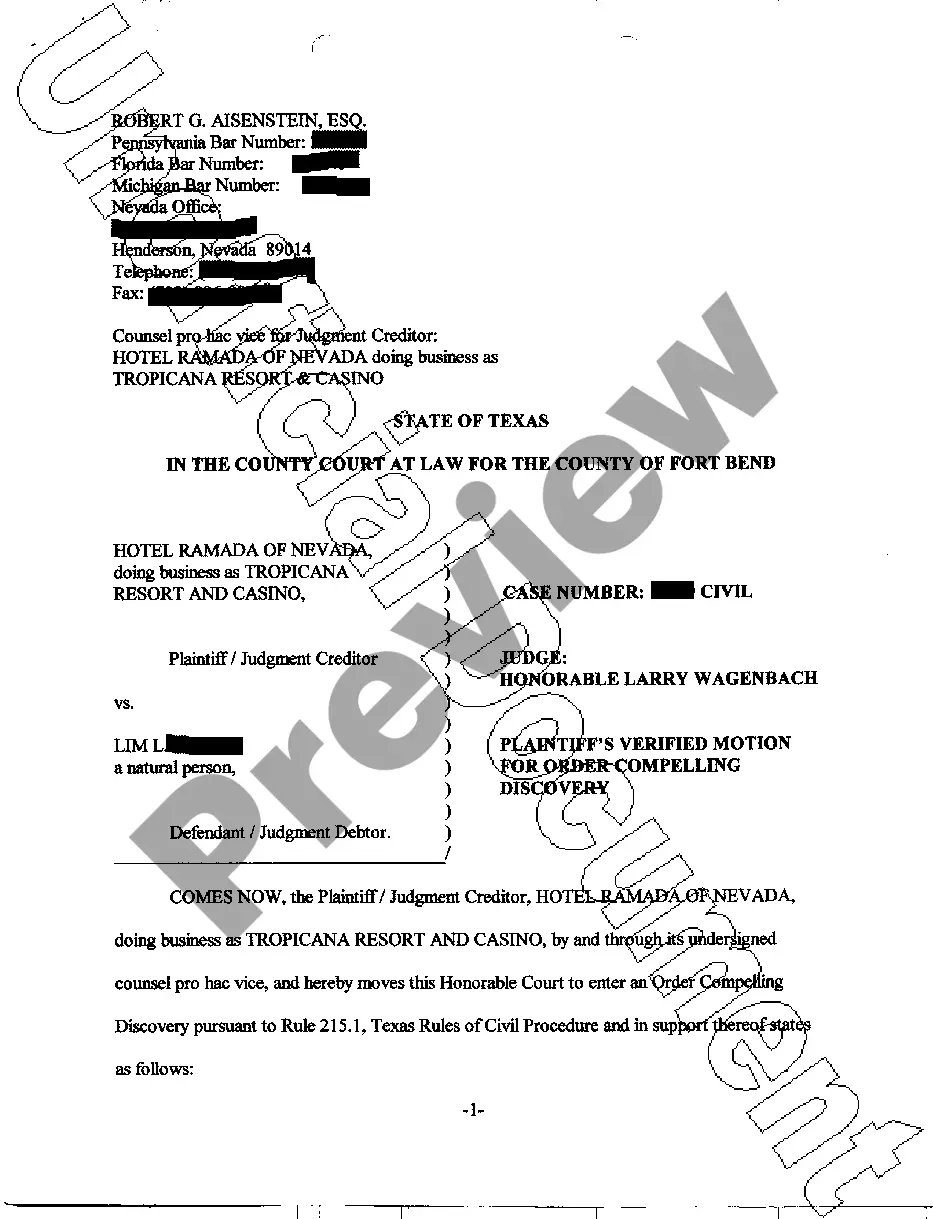
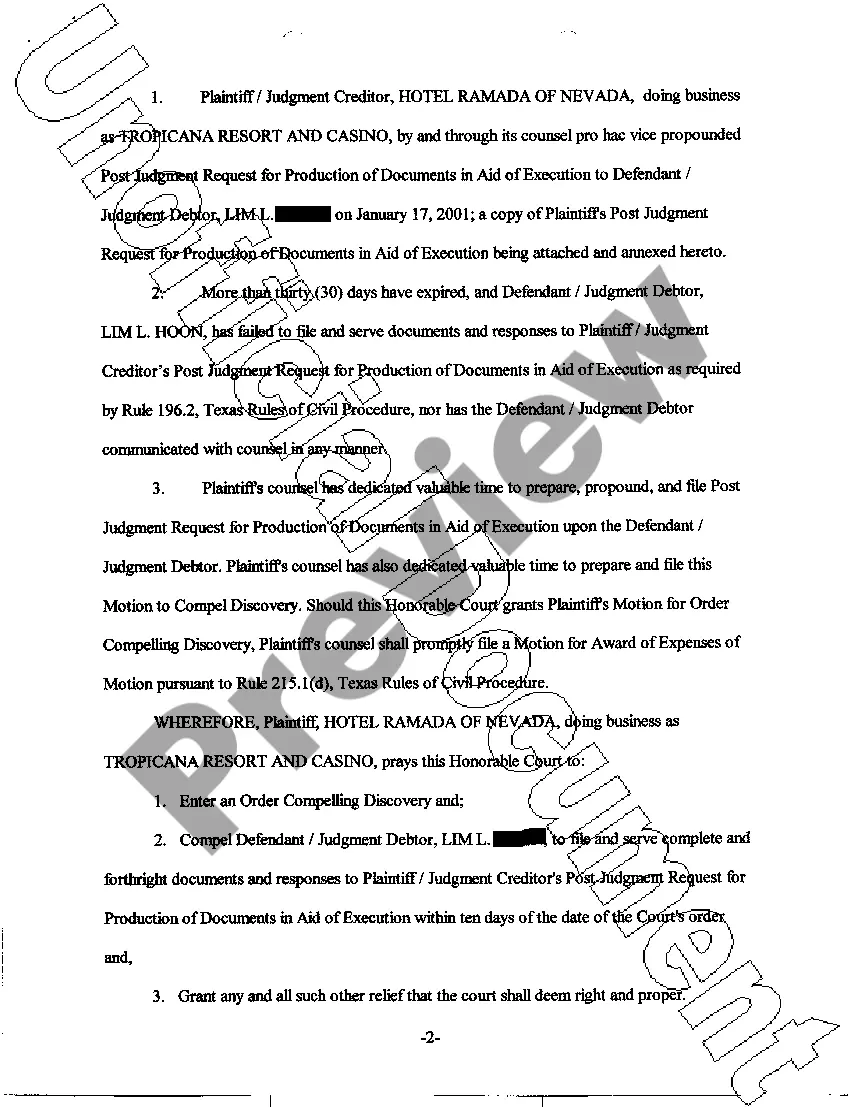
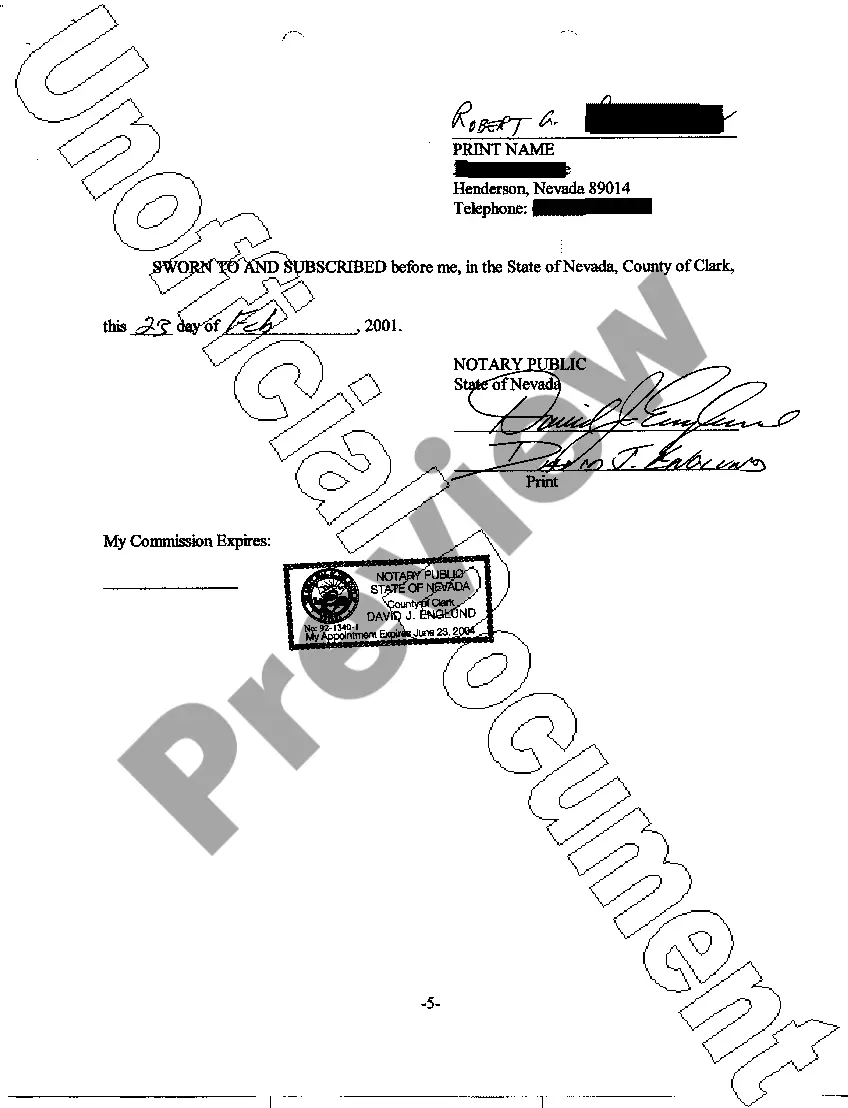
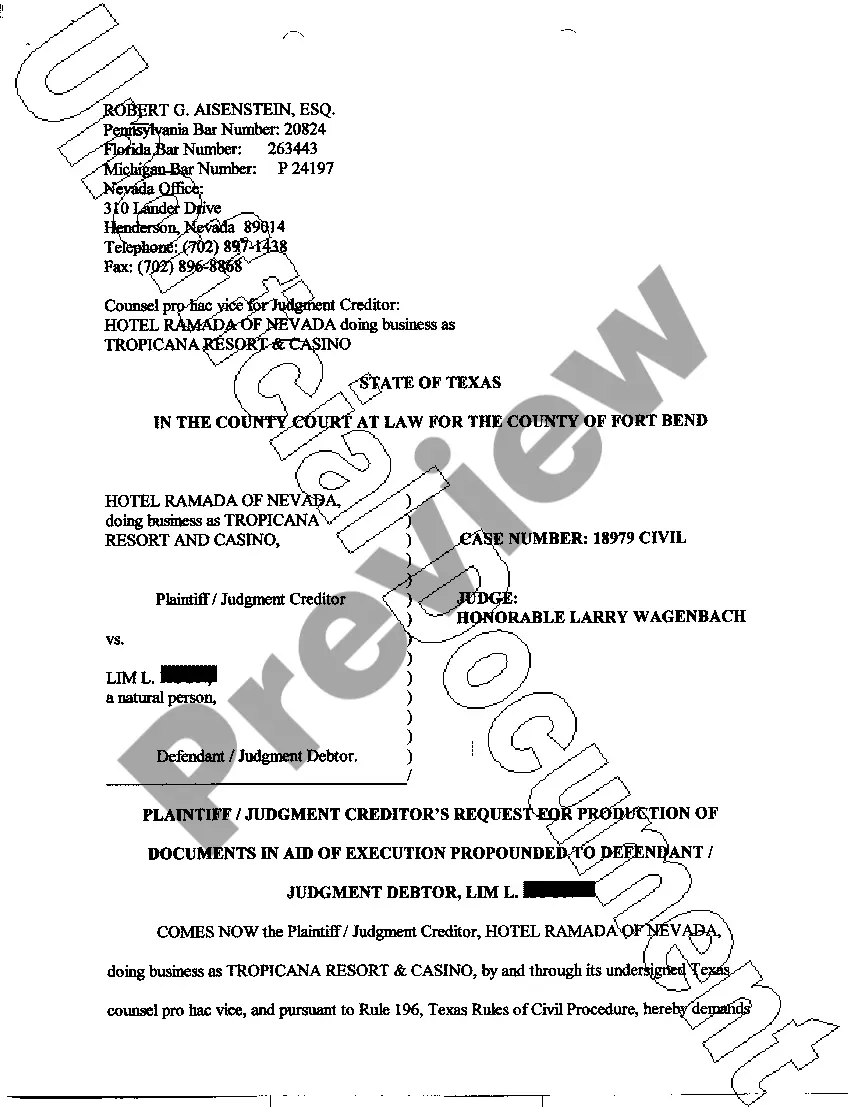
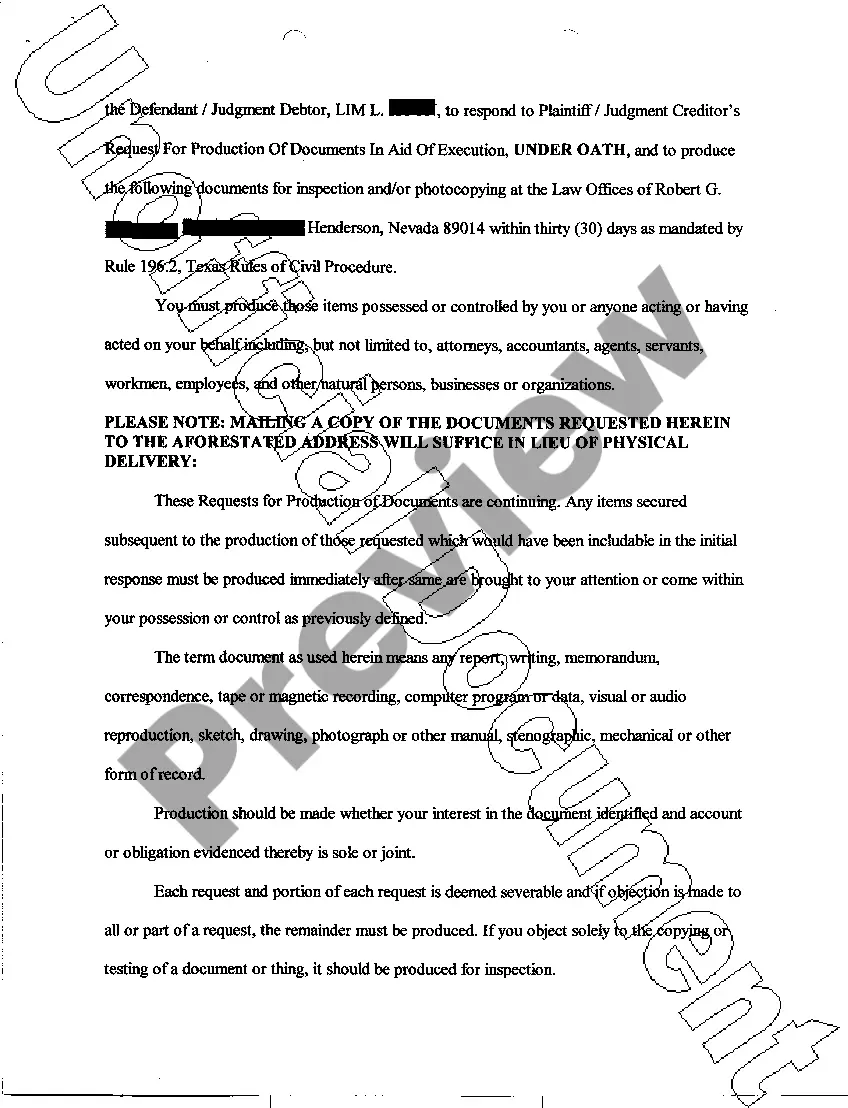
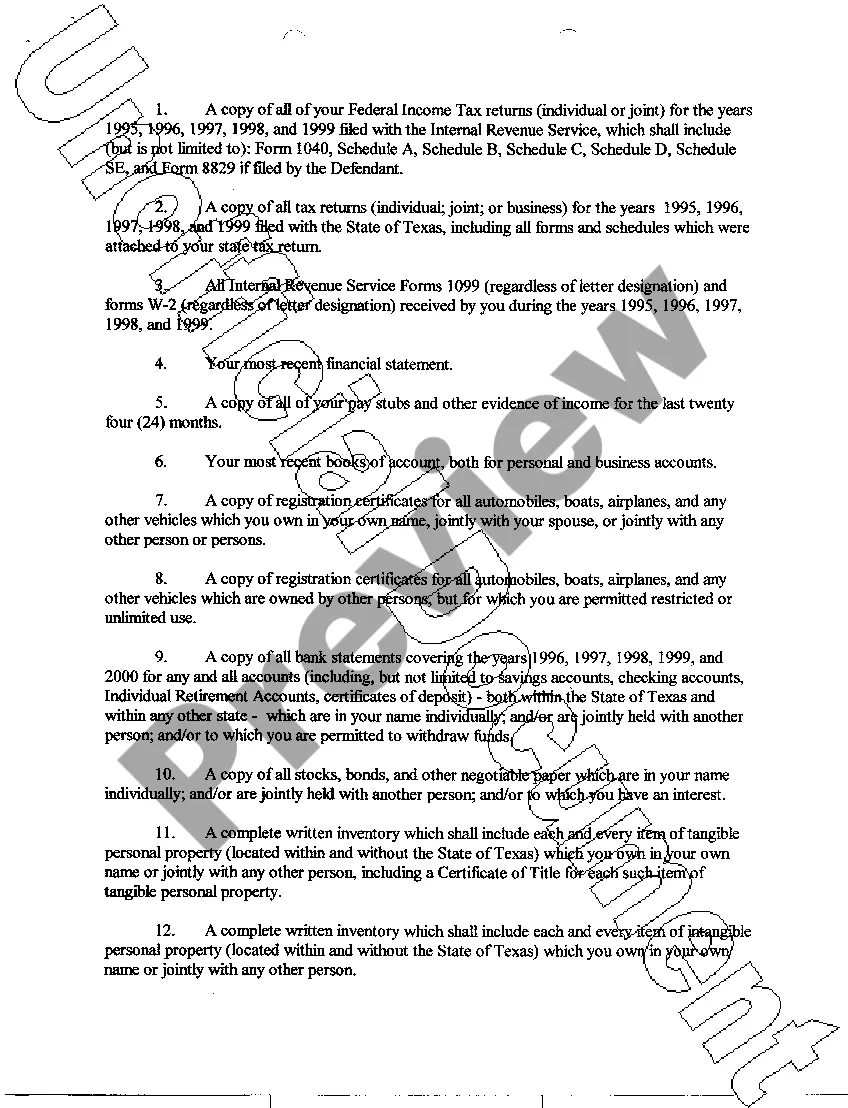

How to fill out Texas Motion To Compel Discovery?
Obtaining legal templates that comply with federal and local regulations is crucial, and the web provides numerous choices to select from.
However, why spend time looking for the right Motion To Compel Discovery In Federal Court example online when the US Legal Forms digital library already consolidates such templates in one location.
US Legal Forms is the largest online legal repository with over 85,000 editable templates created by lawyers for various business and personal situations.
Examine the template using the Preview feature or through the text description to confirm it fulfills your needs. Search for an alternate sample using the search tool located at the top of the page if necessary. Click Buy Now once you've identified the appropriate form and choose a subscription plan. Create an account or Log In and process a payment via PayPal or credit card. Choose the best format for your Motion To Compel Discovery In Federal Court and download it. All documents you find through US Legal Forms are reusable. To re-download and complete previously acquired forms, access the My documents section in your account. Take advantage of the most comprehensive and user-friendly legal documentation service!
- They are easy to navigate, with all documents categorized by state and intended use.
- Our experts stay updated with legal amendments, assuring you that your form is current and compliant when obtaining a Motion To Compel Discovery In Federal Court from our site.
- Acquiring a Motion To Compel Discovery In Federal Court is quick and straightforward for both existing and new users.
- If you have an account with an active subscription, Log In and store the document sample you require in the correct format.
- If you are new to our platform, follow these instructions.
Form popularity
FAQ
The federal rules do not contain any time limit in which a motion to compel discovery must be filed. But you should check your court's local rules and even the judge's standing order. For instance, in the Northern District of California you must move to compel within seven days of the close of discovery.
We don't like Motions to Compel. Judges don't like them, and neither do the opposing parties we bring them against. But they are, sometimes, required to be brought in cases where you need information to make sure you know what facts, witnesses and documents are in a case prior to going to going to trial.
Courts enforce their orders by imposing sanctions on a party who fails to comply. Sanctions can be monetary, such as requiring one party to pay the other parties attorneys' fees and/or imposing a monetary fine, or they can hamper a party's ability to put on their case.
A Motion to Compel is a formal request to the Court to require a party or a non-party in a lawsuit to comply with a discovery request such as a request for production, request for admission, interrogatory, or subpoena.
Identify your reasons for not complying. You need to give the court a reason to deny the other side's motion to compel. There are many different reasons you could give. Take out your Response to the discovery request.