Texas Eviction
Description
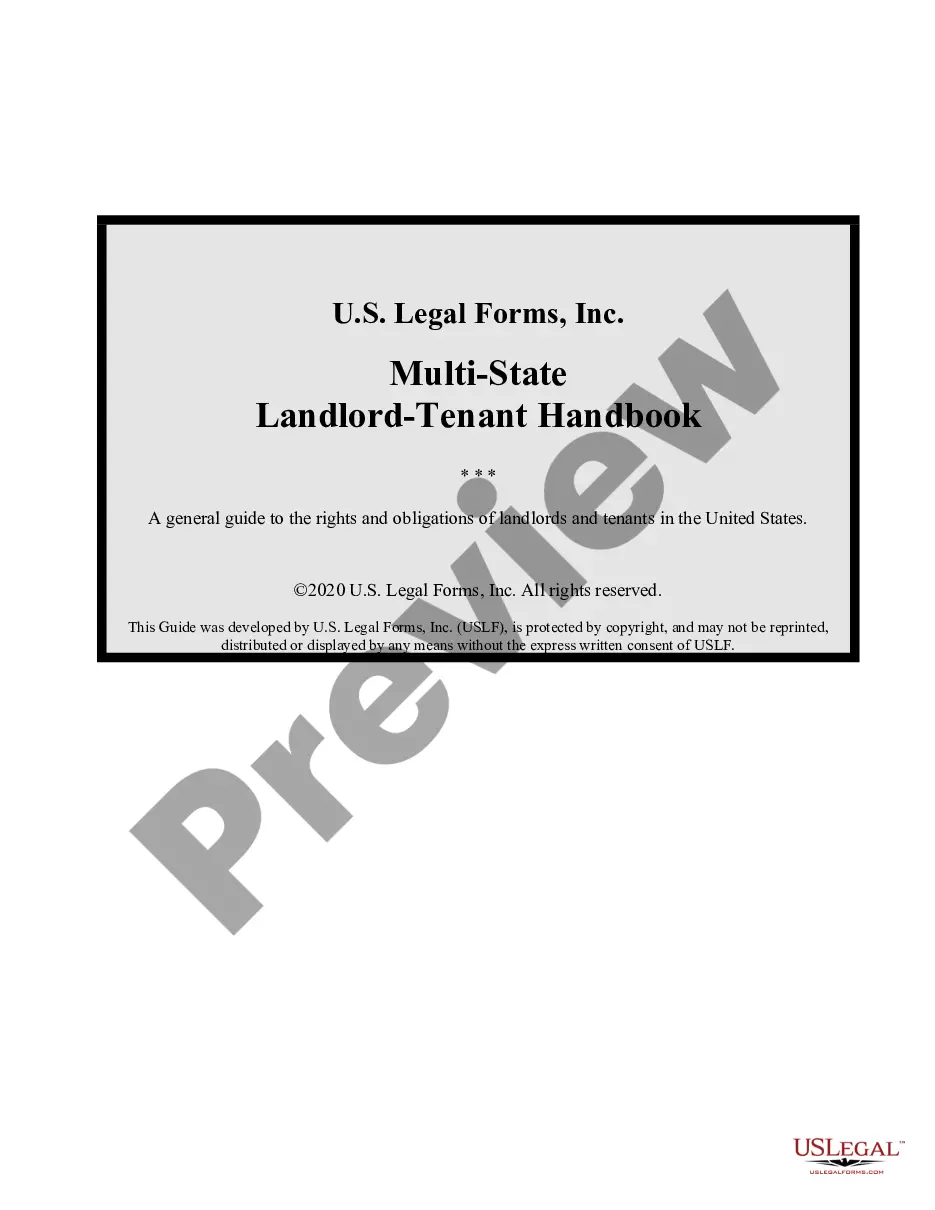
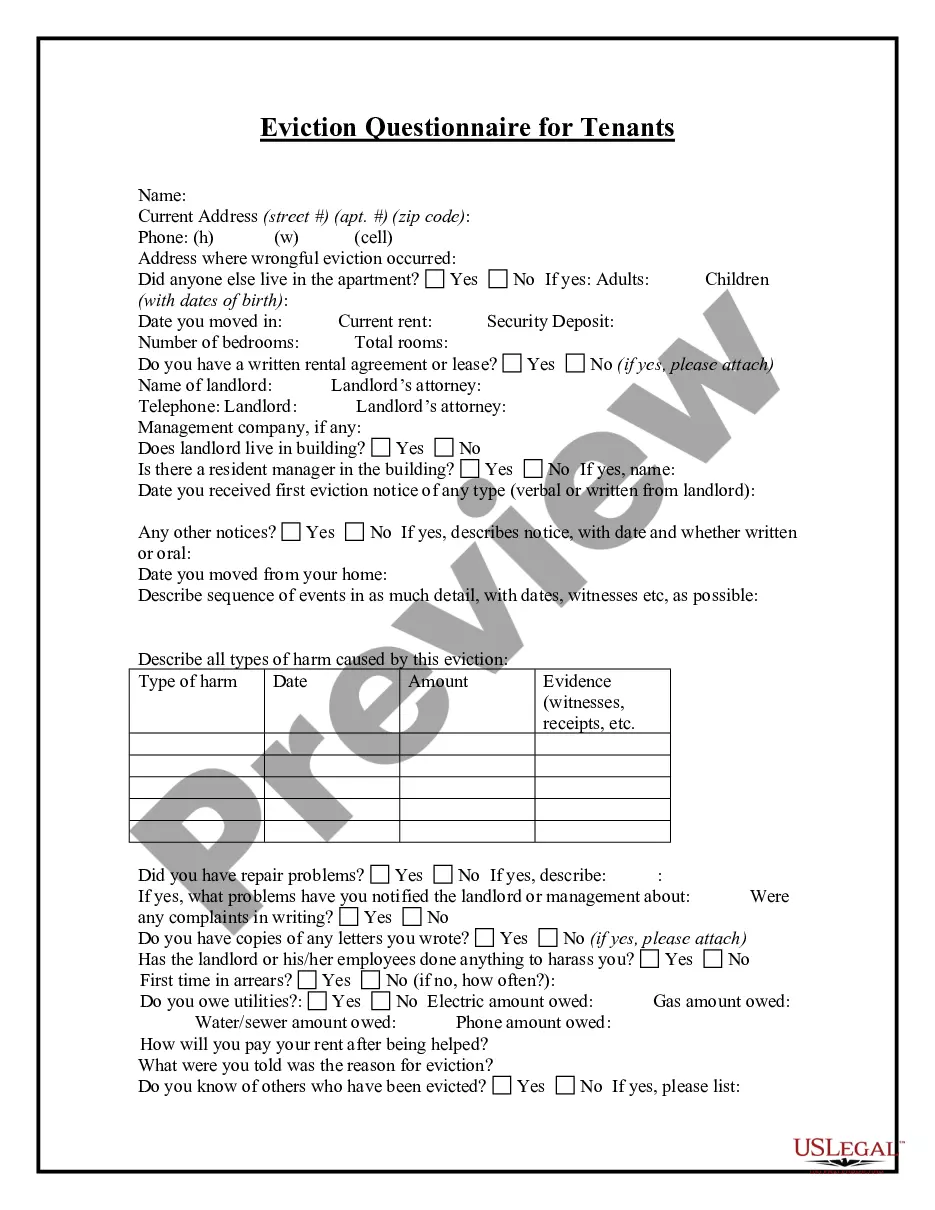
Get your form ready online
Our built-in tools help you complete, sign, share, and store your documents in one place.
Make edits, fill in missing information, and update formatting in US Legal Forms—just like you would in MS Word.
Download a copy, print it, send it by email, or mail it via USPS—whatever works best for your next step.
Sign and collect signatures with our SignNow integration. Send to multiple recipients, set reminders, and more. Go Premium to unlock E-Sign.
If this form requires notarization, complete it online through a secure video call—no need to meet a notary in person or wait for an appointment.
We protect your documents and personal data by following strict security and privacy standards.

Make edits, fill in missing information, and update formatting in US Legal Forms—just like you would in MS Word.

Download a copy, print it, send it by email, or mail it via USPS—whatever works best for your next step.

Sign and collect signatures with our SignNow integration. Send to multiple recipients, set reminders, and more. Go Premium to unlock E-Sign.

If this form requires notarization, complete it online through a secure video call—no need to meet a notary in person or wait for an appointment.

We protect your documents and personal data by following strict security and privacy standards.
Looking for another form?
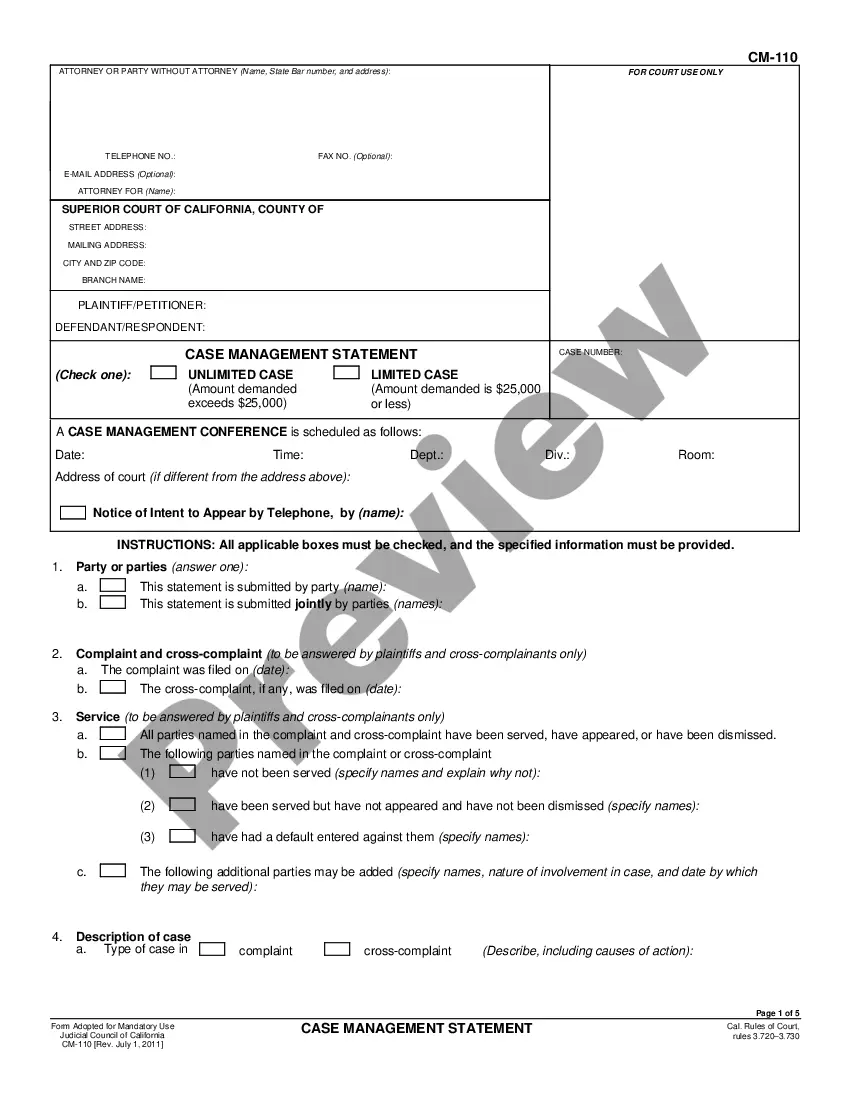
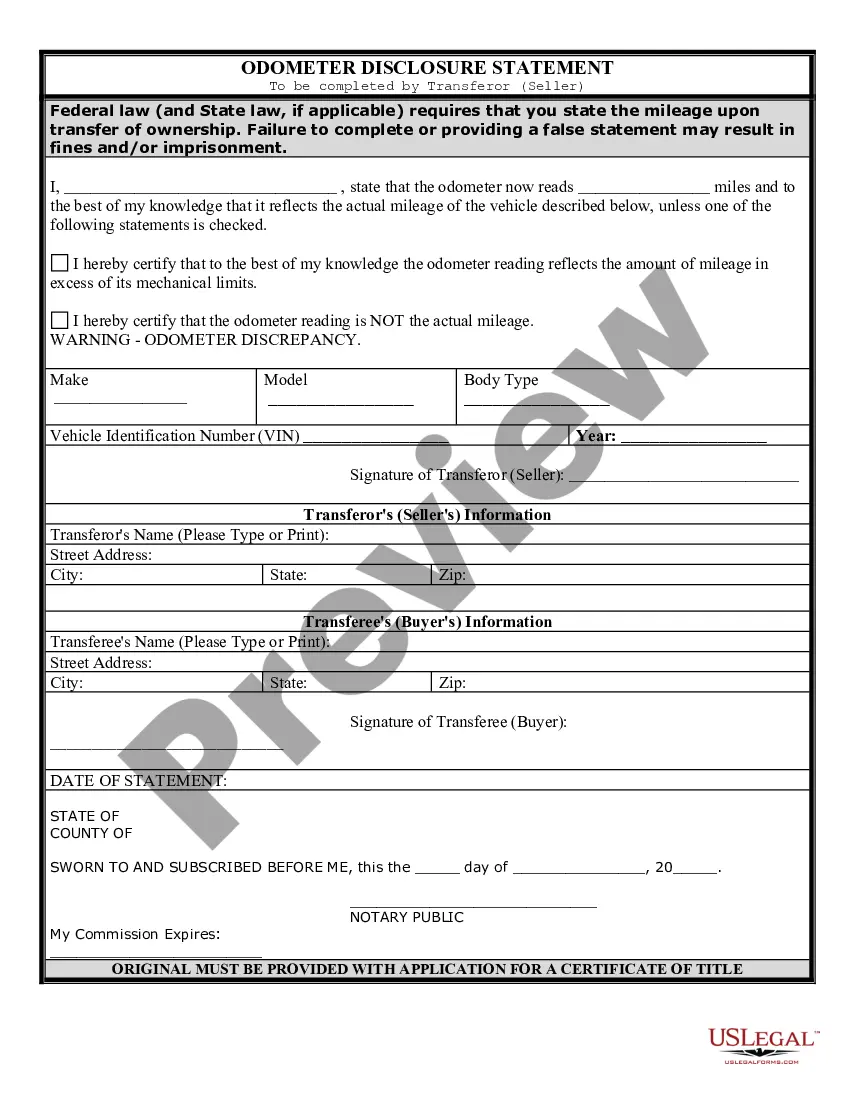

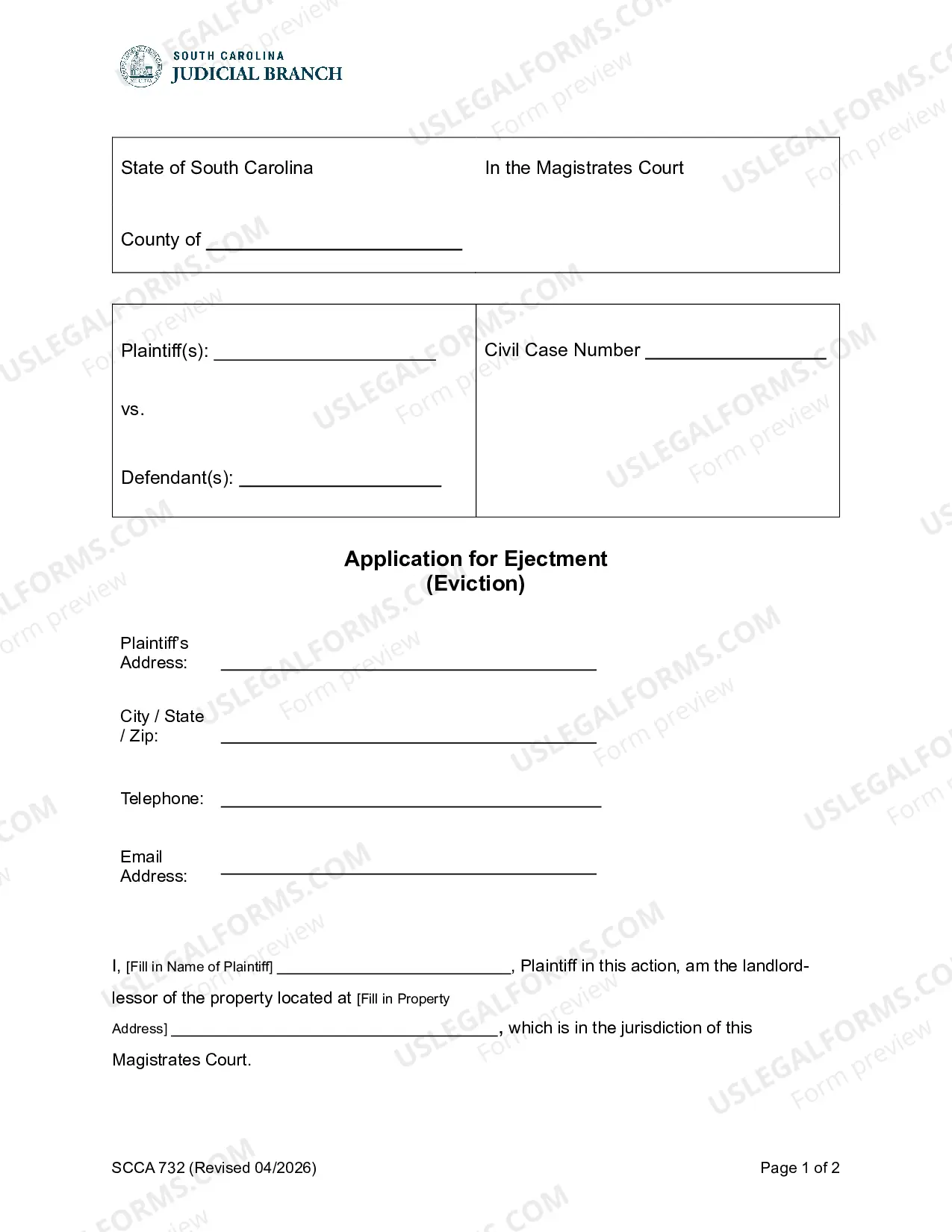

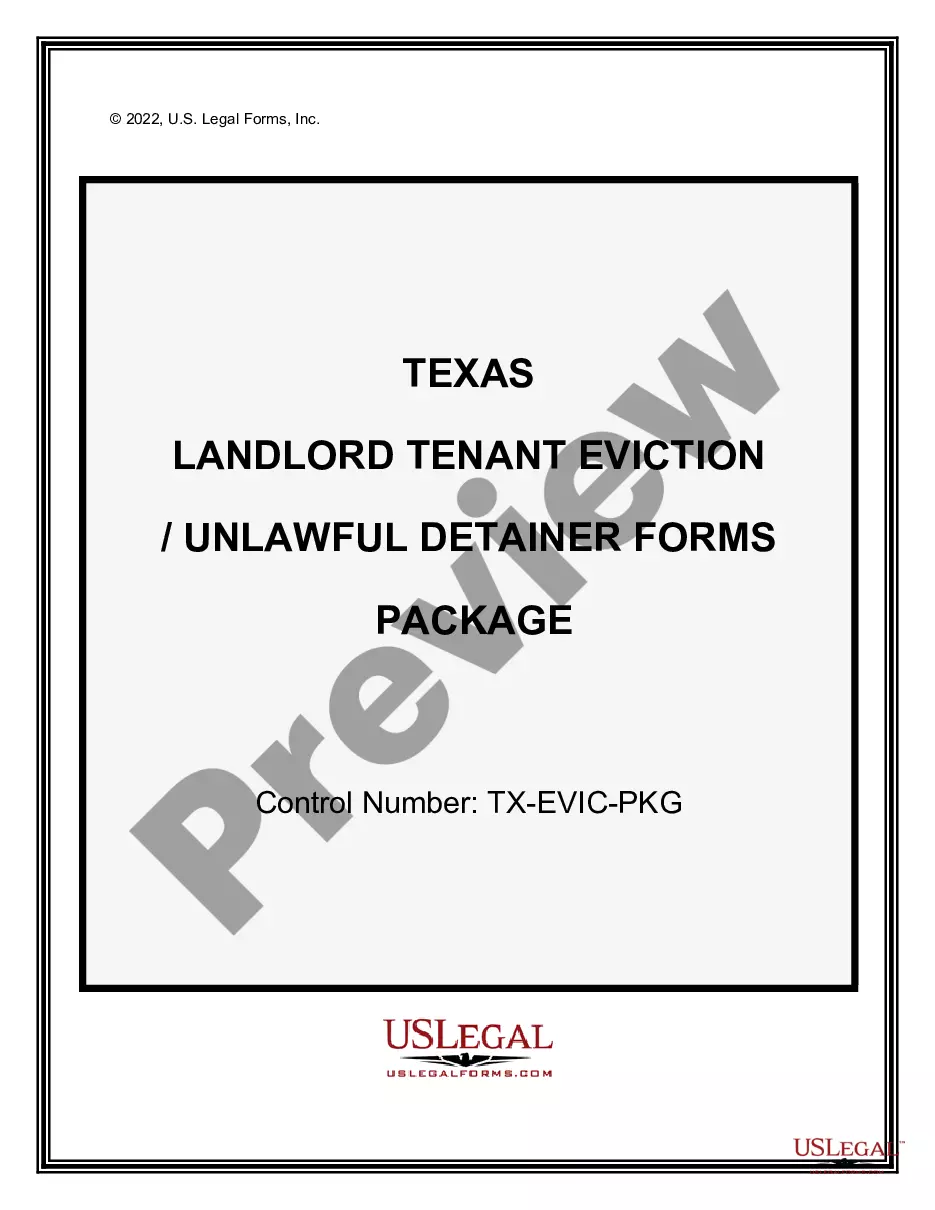
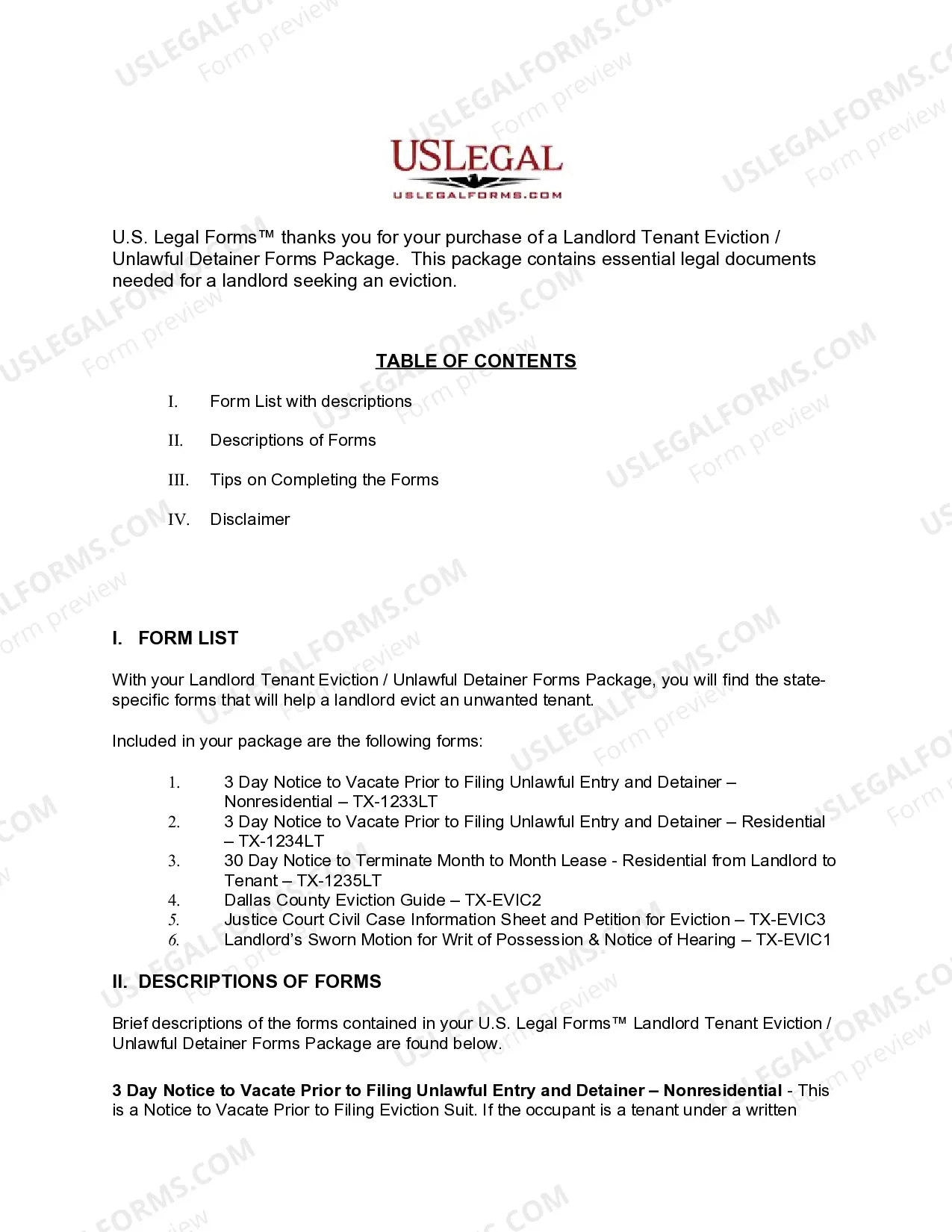
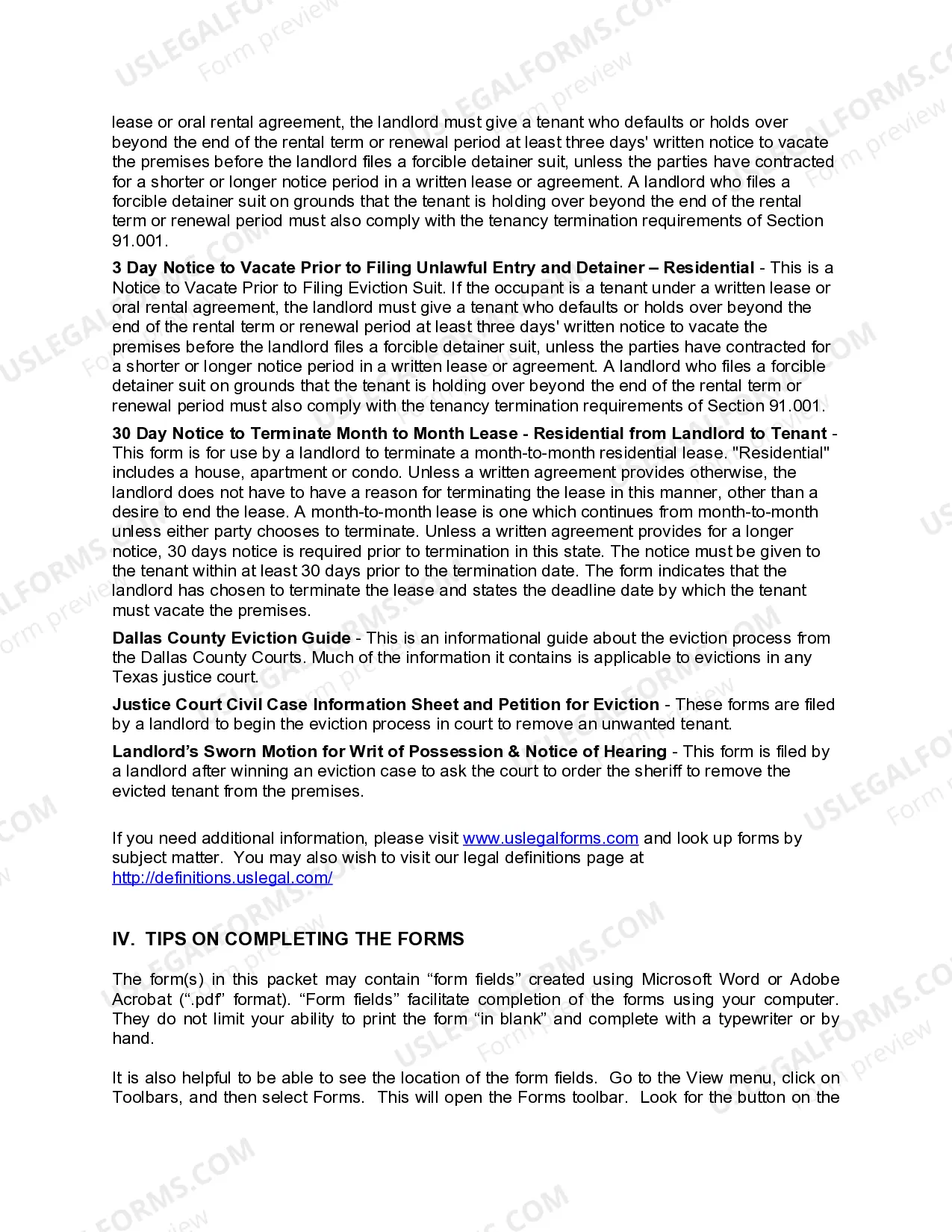
How to fill out Texas Landlord Tenant Eviction / Unlawful Detainer Forms Package?
- If you're a returning user, log in and access your account to download the desired eviction template.
- Confirm your subscription status is active. If it needs renewing, do so according to your payment plan.
- For first-time users, begin by reviewing the form preview and description to ensure it meets your specific needs and adheres to Texas jurisdiction requirements.
- If you don't find the appropriate document, utilize the Search function to locate the correct form for your situation.
- Proceed to purchase the document by clicking the Buy Now button and selecting your preferred subscription plan. You'll need to register an account to unlock access.
- Complete your payment using a credit card or PayPal. Once done, you'll receive your form.
- Download the template to your device, making it available for completion anytime through the My Forms section.
Using US Legal Forms provides individuals and attorneys with a reliable means to quickly obtain essential legal documents, streamlining the eviction process.
Empower yourself with the right tools; start by visiting US Legal Forms today and ensure your eviction process is handled efficiently!
Form popularity
FAQ
To legally remove someone from your house who won't leave in Texas, start by providing a written notice requesting them to vacate. If they do not comply, you will need to proceed with filing an eviction suit in court. The court will then decide the case, and if you win, a forced removal by law enforcement can take place. For more detailed guidance through this process, consider using USLegalForms to access the necessary forms and legal advice tailored for your Texas eviction.
In Texas, a landlord cannot evict you without going through the legal process, which involves filing for eviction in court. Skipping court can lead to legal repercussions for the landlord, as only a court order can authorize eviction. If you find yourself facing an impending Texas eviction, understanding your rights is important. Utilize resources available on USLegalForms for clarity on legal proceedings and necessary documentation.
Evicting someone from your house without a lease in Texas is possible, but it requires understanding the legal grounds for eviction, which may include non-payment of rent or maintaining a nuisance. You should provide a written notice to the individual, outlining the reason for the eviction and the time frame to vacate. If they do not leave by the deadline, you may need to file an eviction lawsuit. For effective templates and guidance, check USLegalForms for assistance with your Texas eviction.
In Texas, the eviction process can vary in duration depending on several factors, including the type of eviction and the tenant's response. Generally, once an eviction notice is served, a landlord may file for eviction in court after a specified period, often between three to 30 days. After the court's ruling, the actual eviction can take place within a few weeks. Consequently, understanding these time frames helps streamline your Texas eviction process.
Writing an eviction notice in Texas requires you to include specific details such as the reason for eviction, the address of the property, and the date by which the tenant must vacate. Ensure you provide clear instructions about the next steps, which may involve legal proceedings if the tenant does not comply. A well-structured notice is crucial for a smooth Texas eviction process. For further guidance, consider using the resources available on USLegalForms.
In Texas, the speed of an eviction can vary based on the situation. After a landlord gives proper notice, the eviction process can take as little as three weeks, but it may take longer if disputes arise. Engaging with resources like US Legal Forms can help you understand your rights and navigate the eviction timeline effectively.
The requirements for Texas eviction involve several key steps. Initially, the landlord must provide a written notice, typically giving you three days to vacate. Following this, the landlord must file an eviction suit in court if you do not comply. Adhering to these legal steps protects your rights during the eviction process.
In Texas, a landlord cannot evict you immediately. They must follow legal procedures, which often include providing a notice to vacate. Only after waiting the required notice period can a landlord file an eviction lawsuit in court. This process ensures both parties have an opportunity to present their case.
If you fail to provide a 30-day notice to your landlord in Texas, you may be considered to be in violation of your lease. This could lead to complications, such as the landlord taking legal action to evict you. It's crucial to adhere to your lease terms to minimize disputes, and tools from uslegalforms can help simplify the notice process, protecting your interests in Texas eviction matters.
A 30-day notice in Texas provides a legal means for landlords to notify tenants of lease termination. Once issued, the tenant has 30 days to vacate the premises. If the tenant remains after this period, the landlord can begin the eviction process. Utilizing resources, such as uslegalforms, can streamline the creation and delivery of these notices to ensure compliance with Texas eviction laws.