Texas Temporary Guardianship Laws
Description
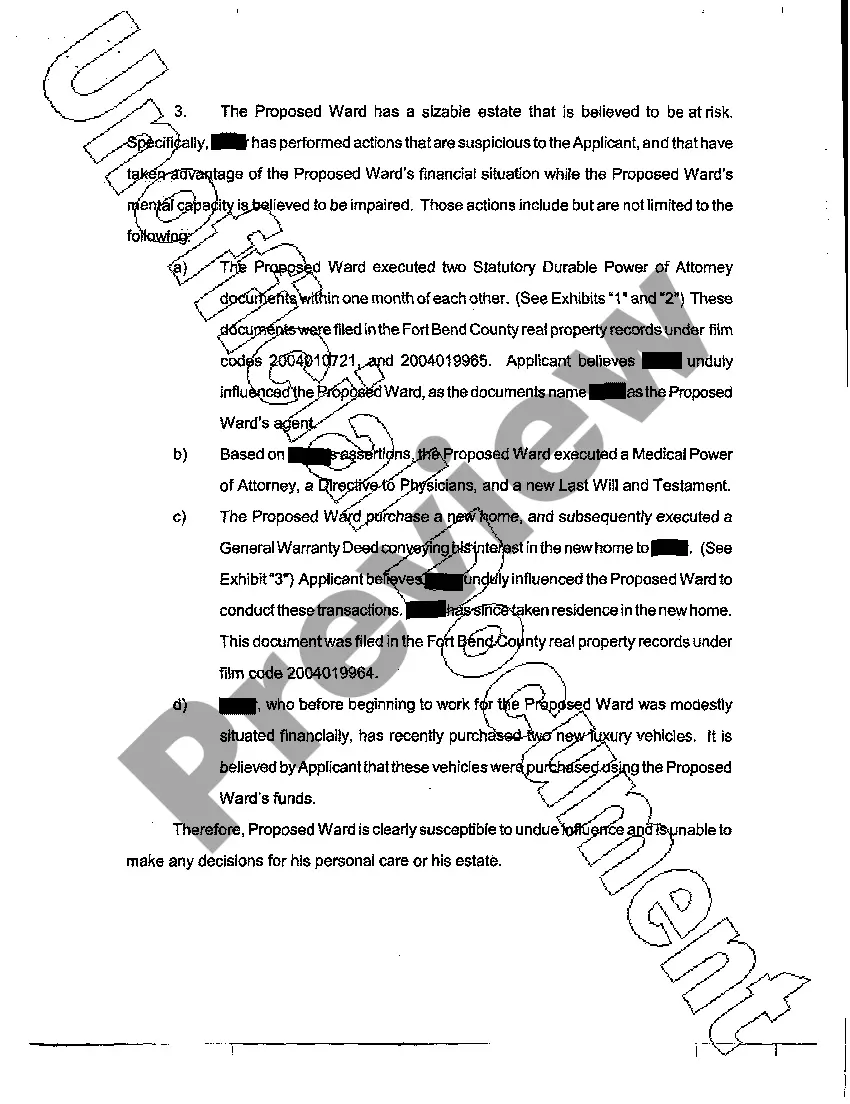
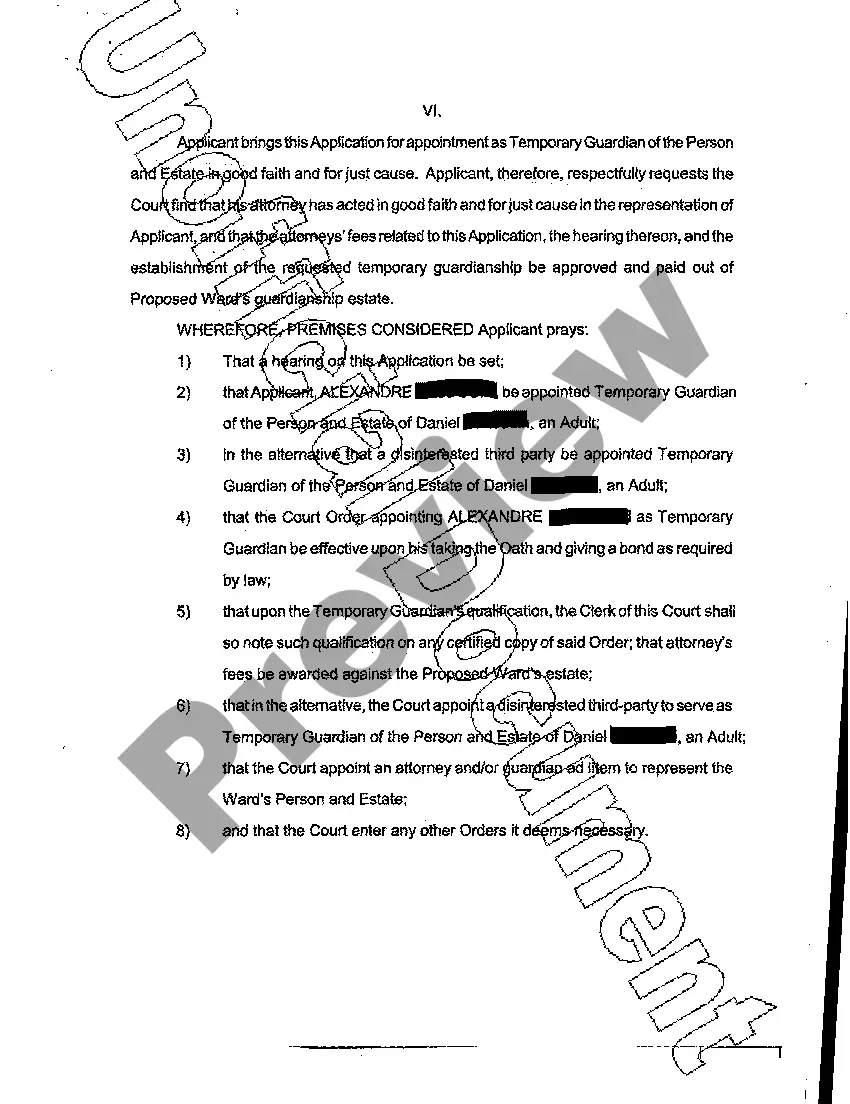
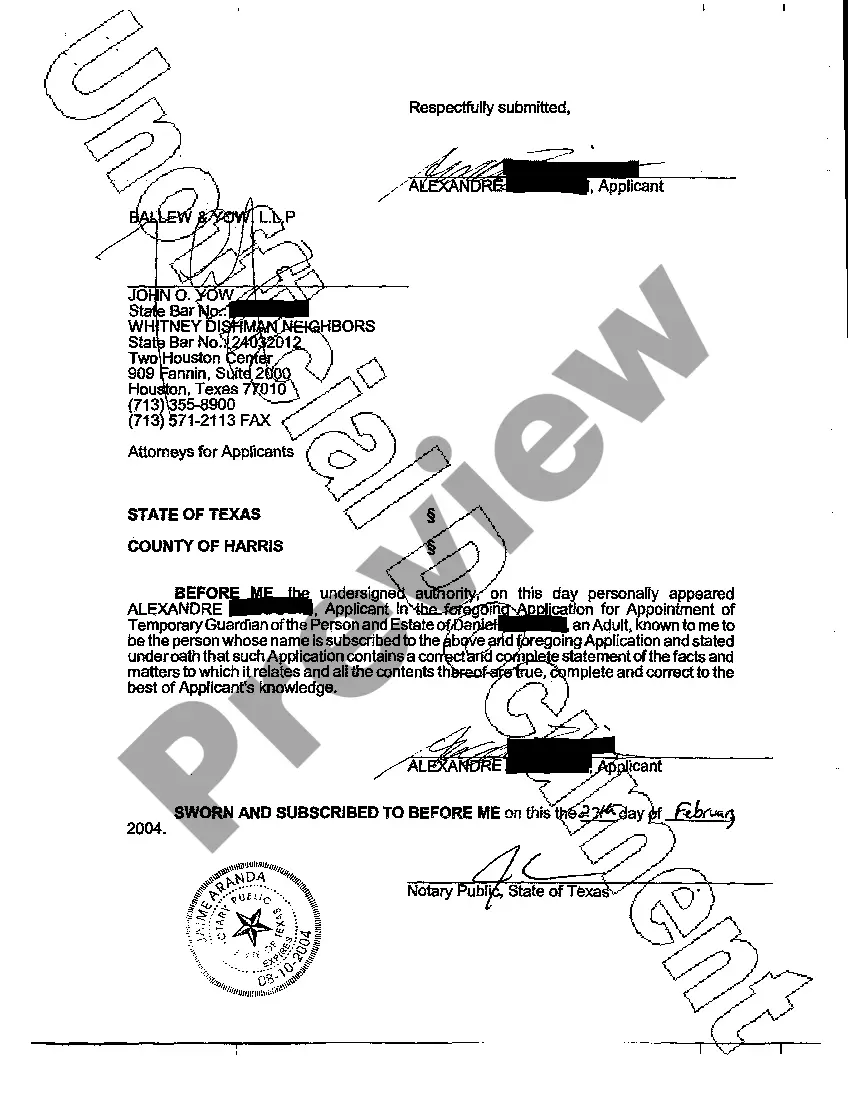
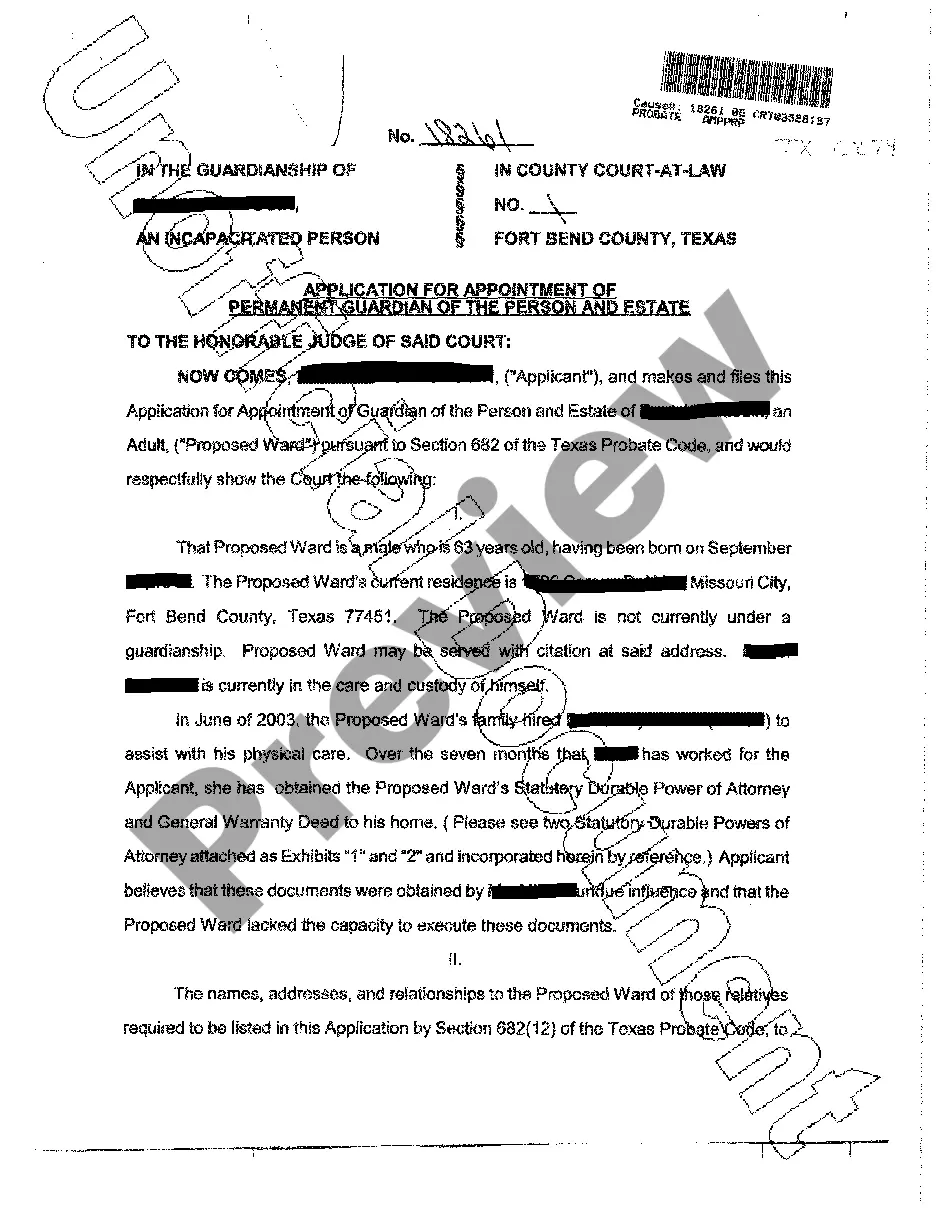

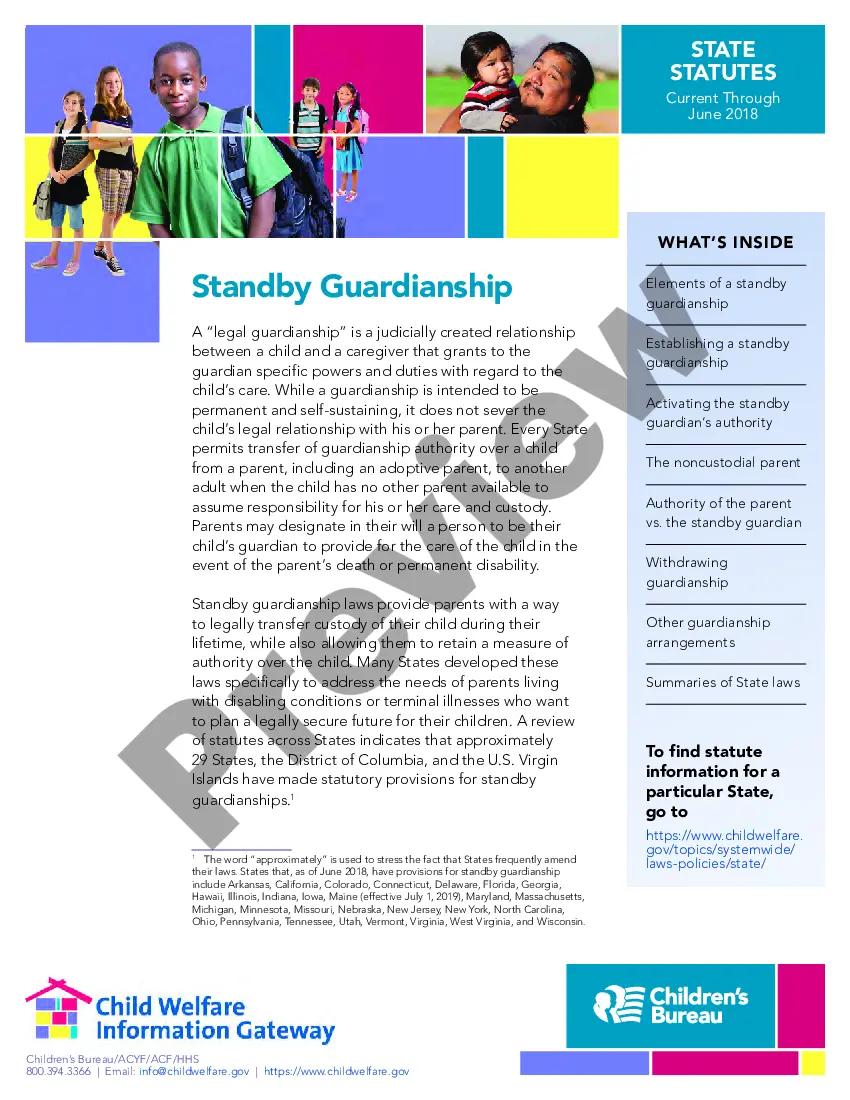




How to fill out Texas Application For Appointment Of Temporary Guardian?
Managing legal documents can be perplexing, even for the most seasoned professionals.
If you are in need of Texas Temporary Guardianship Laws and are pressed for time to find the right and latest version, the process can be challenging.
Access a collection of articles, guides, and materials valuable to your circumstances and needs.
Save energy and time searching for the documents you require, and use US Legal Forms’ advanced search and Review tool to locate Texas Temporary Guardianship Laws and acquire it.
Confirm that the template is accepted in your state or county. Click on Buy Now when you are prepared. Choose a monthly subscription plan. Locate the format you wish, then Download, complete, sign, print, and send your documents. Experience the US Legal Forms online library, backed by 25 years of expertise and reliability. Streamline your daily document management into a seamless and user-friendly experience today.
- If you have a monthly membership, Log In to your US Legal Forms account, find the document, and obtain it.
- Visit the My documents section to view the documents you have previously retained and to manage your files as you wish.
- If this is your initial experience with US Legal Forms, register for a free account and gain unlimited access to all the features of the platform.
- Here are the steps to follow after obtaining the document you want.
- Ensure it is the correct document by previewing it and reviewing its details.
- Utilize state- or county-specific legal and business documents.
- US Legal Forms addresses all needs you may possess, from personal to business documentation, all in one location.
- Employ cutting-edge tools to fill out and manage your Texas Temporary Guardianship Laws.
Form popularity
FAQ
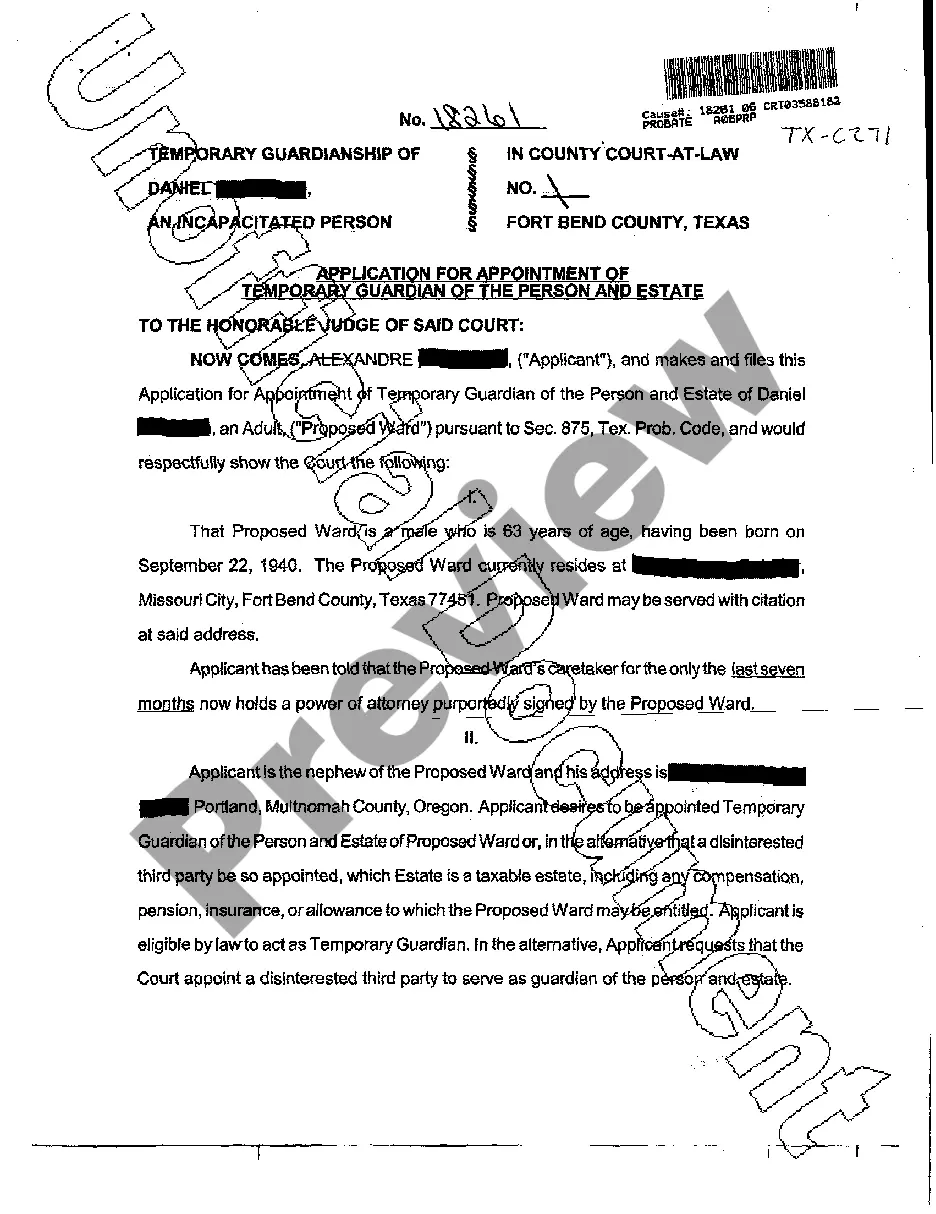
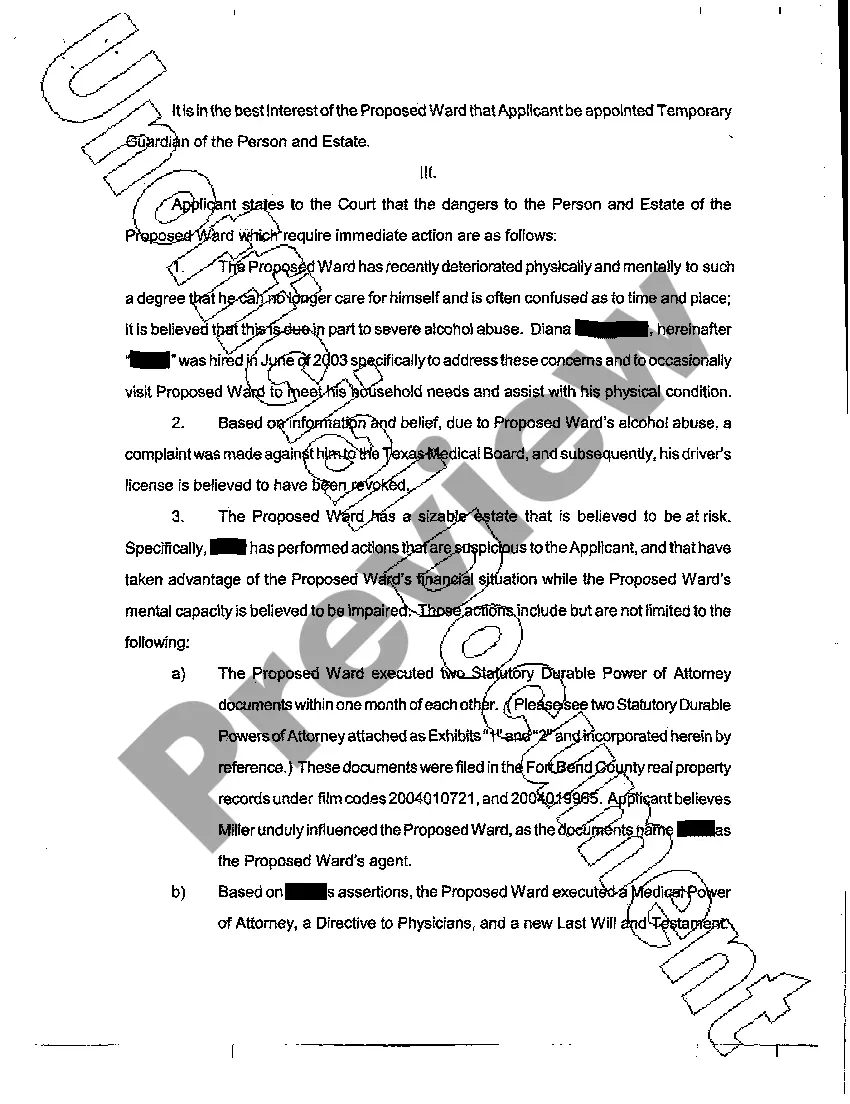
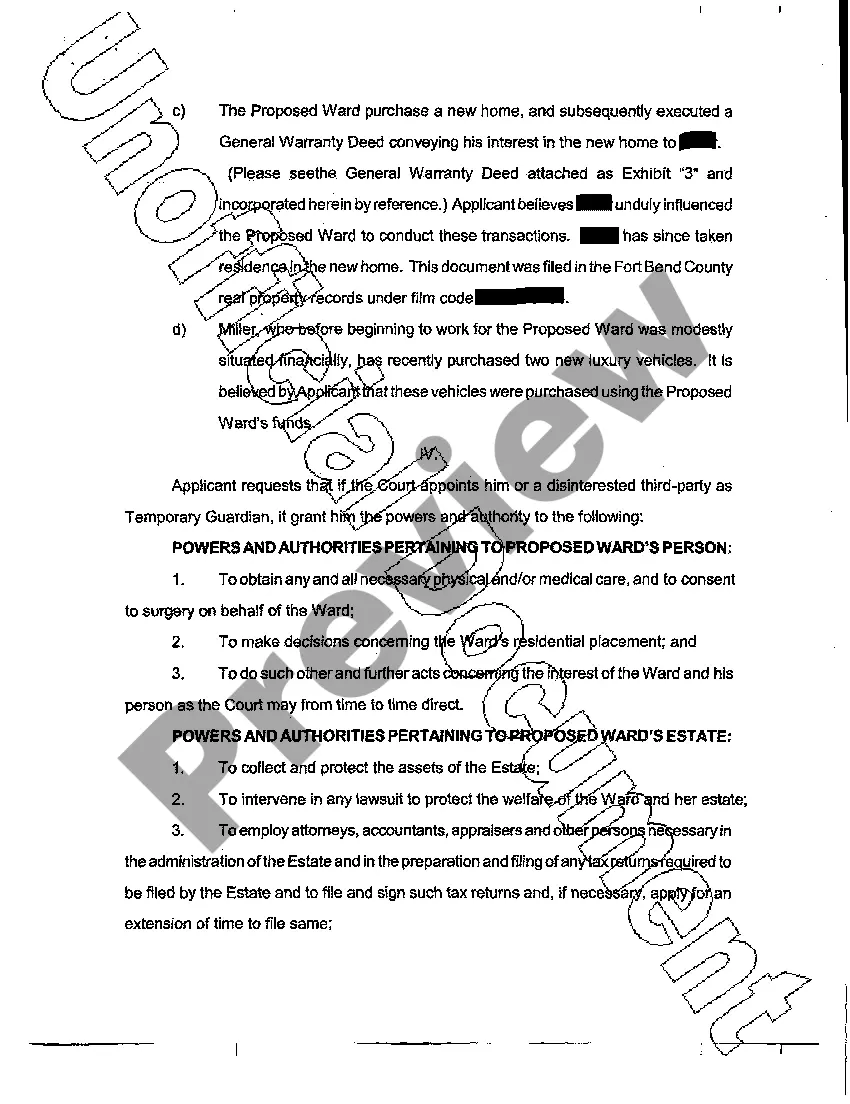
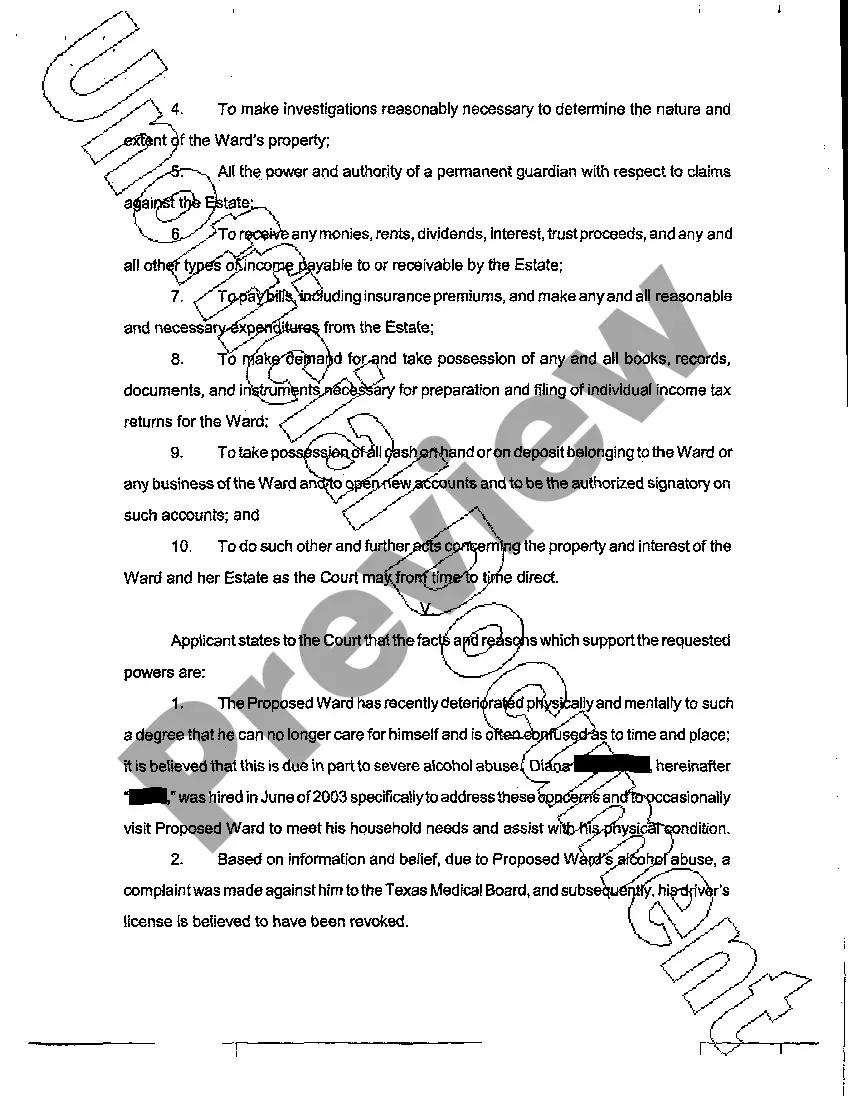
The duration of the guardianship process in Texas varies, typically taking a few weeks to several months. Factors such as the complexity of the case and court schedules also play a role. It is vital to understand Texas temporary guardianship laws to navigate the process more efficiently.
Advance directives need to be in writing. Each state has different forms and requirements for creating legal documents. Depending on where you live, a form may need to be signed by a witness or notarized. You can ask a lawyer to help you with the process, but it is generally not necessary.
The advance health care directive requires only one witness (unlike a last will and testament), and does not need to be notarized.
The form must be signed by two qualified witnesses or acknowledged before a notary public. Give a copy of the signed and completed form to your physician, to any other health care providers you may have, to any health care institution at which you are receiving care, and to any health care agents you have named.
Unlike medical power of attorney documents, Five Wishes goes beyond just medical and healthcare topics to express spiritual, emotional and personal wishes. It aims to be a more holistic way of planning for the end of life.
(a) An adult may make an advance health care directive in which the adult may: (i) appoint a health care agent or choose not to appoint a health care agent; (ii) give directions for the care of the adult after the adult loses health care decision making capacity; (iii) choose not to give directions; (iv) state ...
Living wills and other advance directives are written, legal instructions regarding your preferences for medical care if you are unable to make decisions for yourself.
Whether or not your home state calls for an official notarization by a notary public, every state in the U.S. requires your advance directive to be signed by witnesses. Some states require both witnesses and notary publics to sign advance directives.
The most common types of advance directives are the living will and the durable power of attorney for health care (sometimes known as the medical power of attorney). There are many advance directive formats.