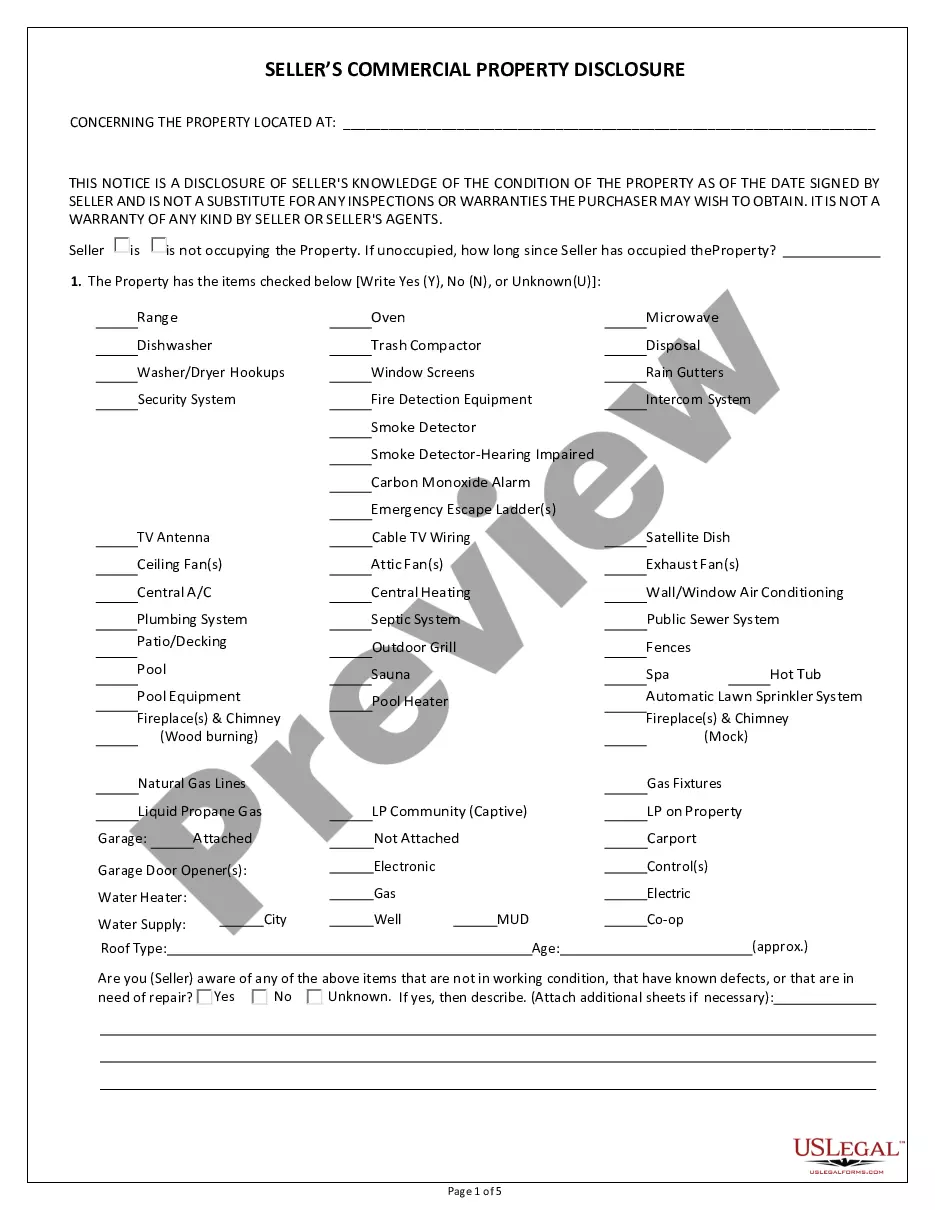
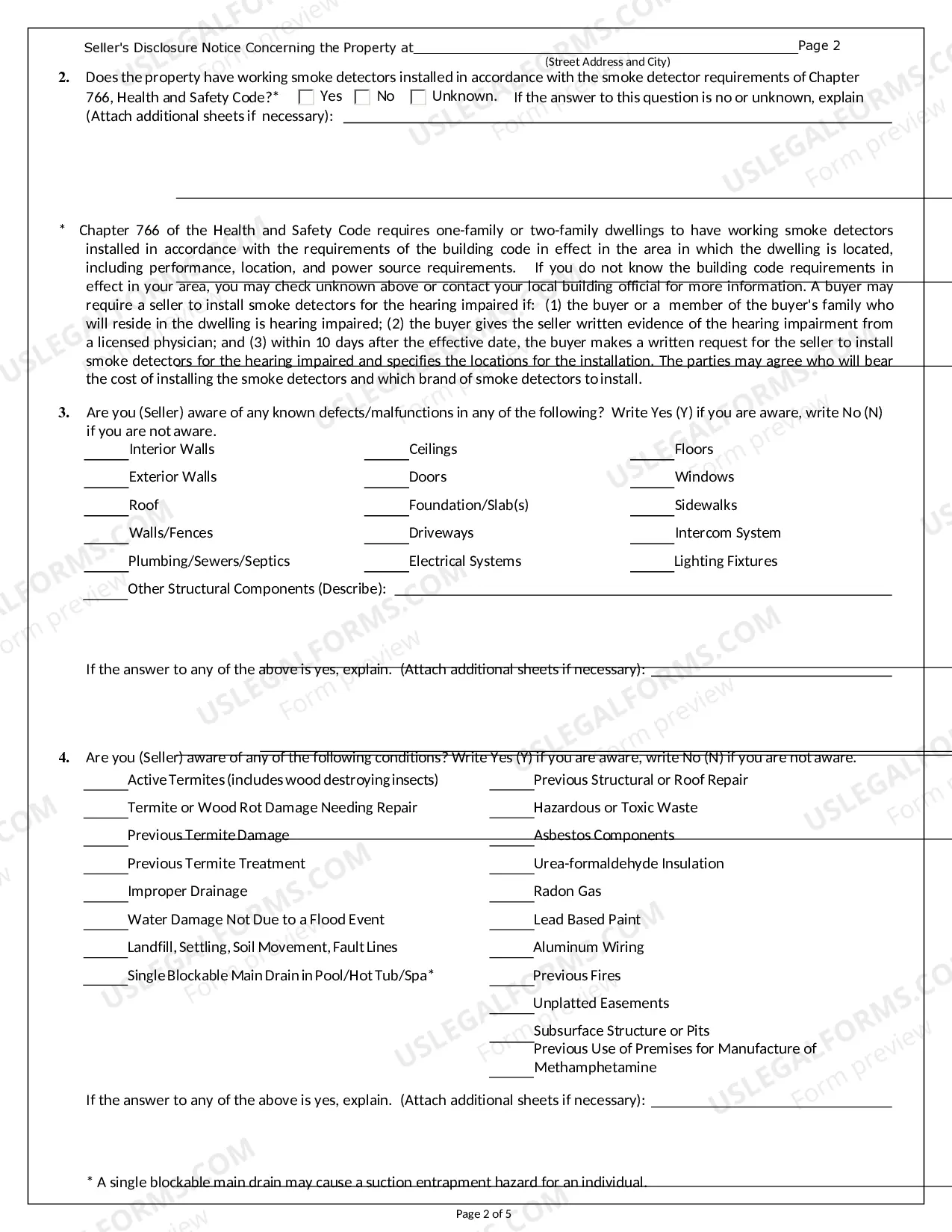
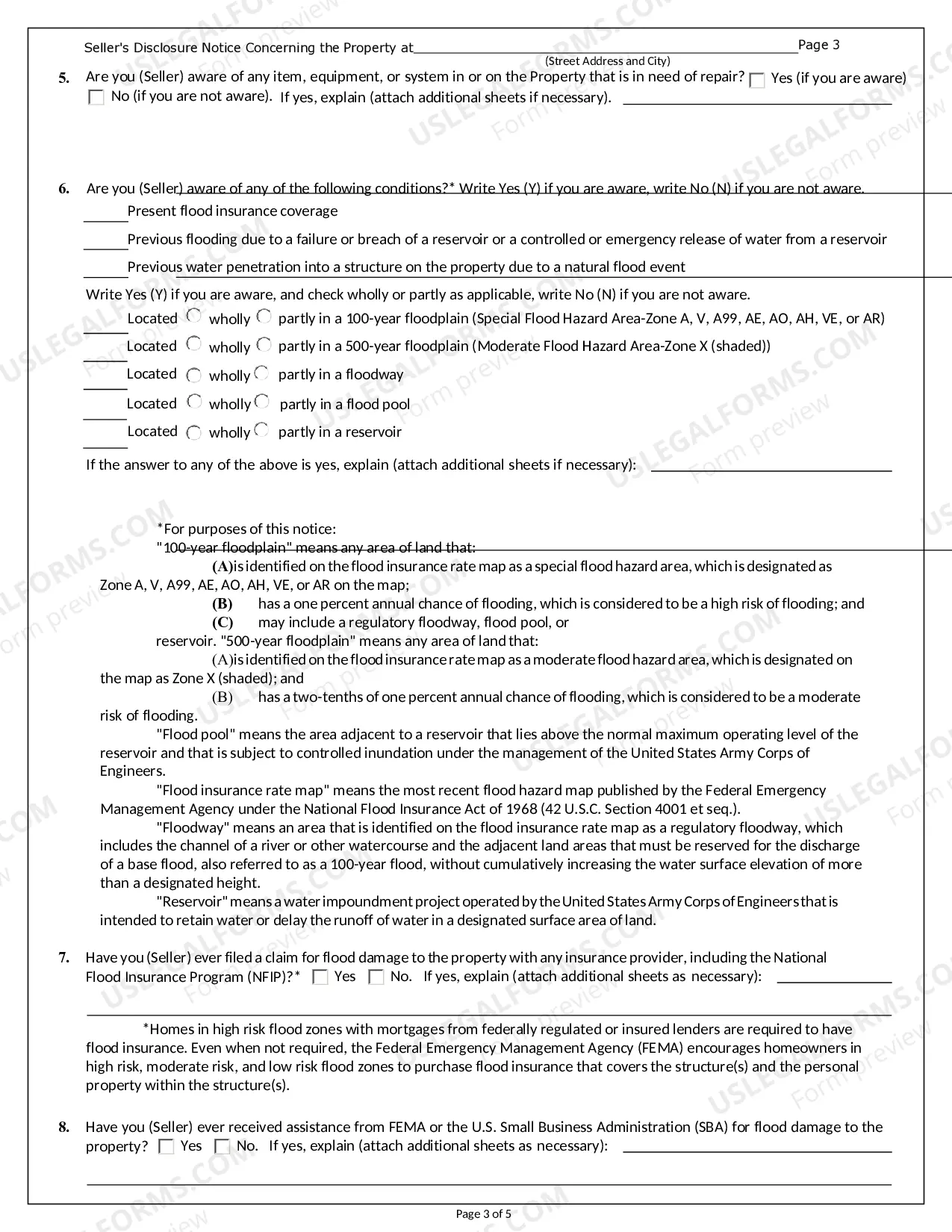
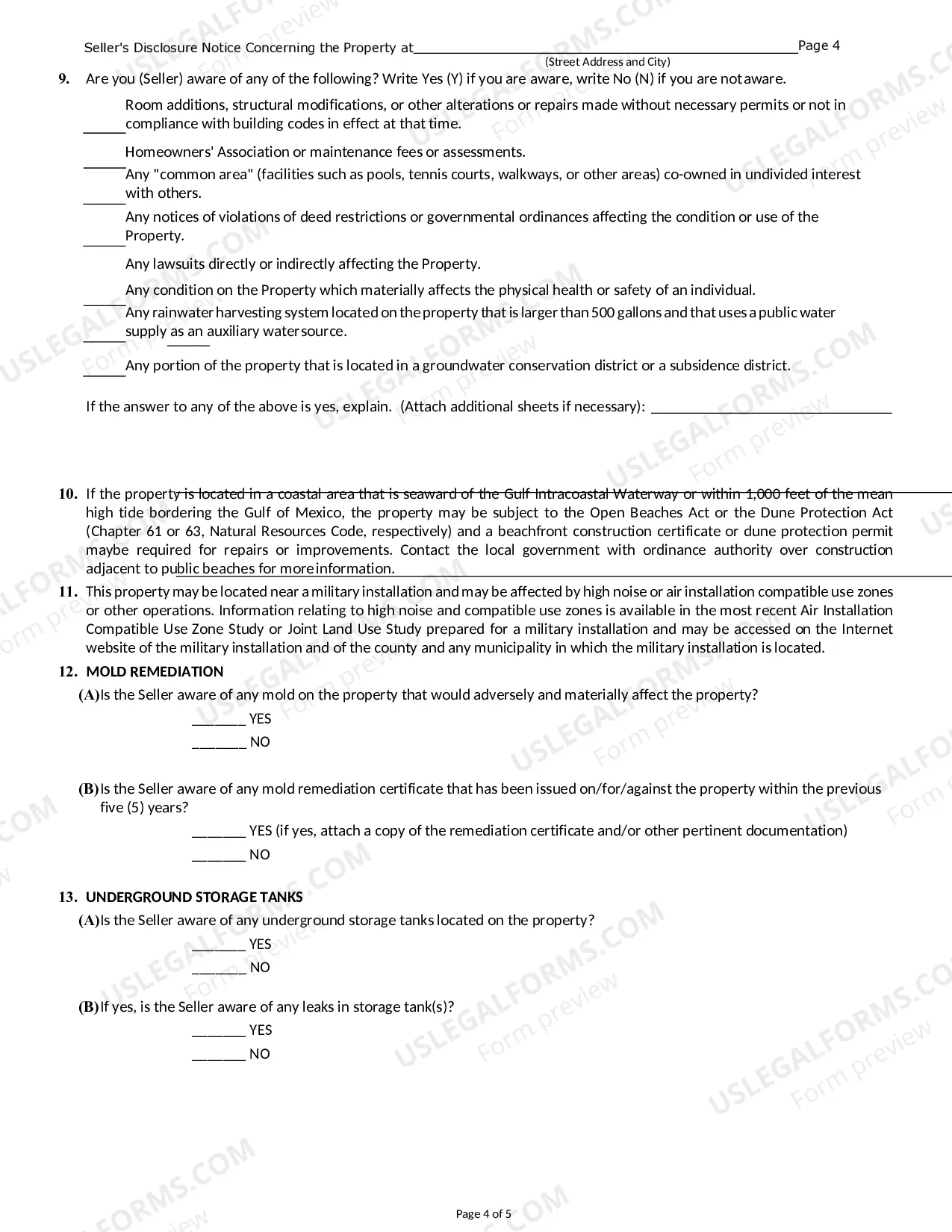
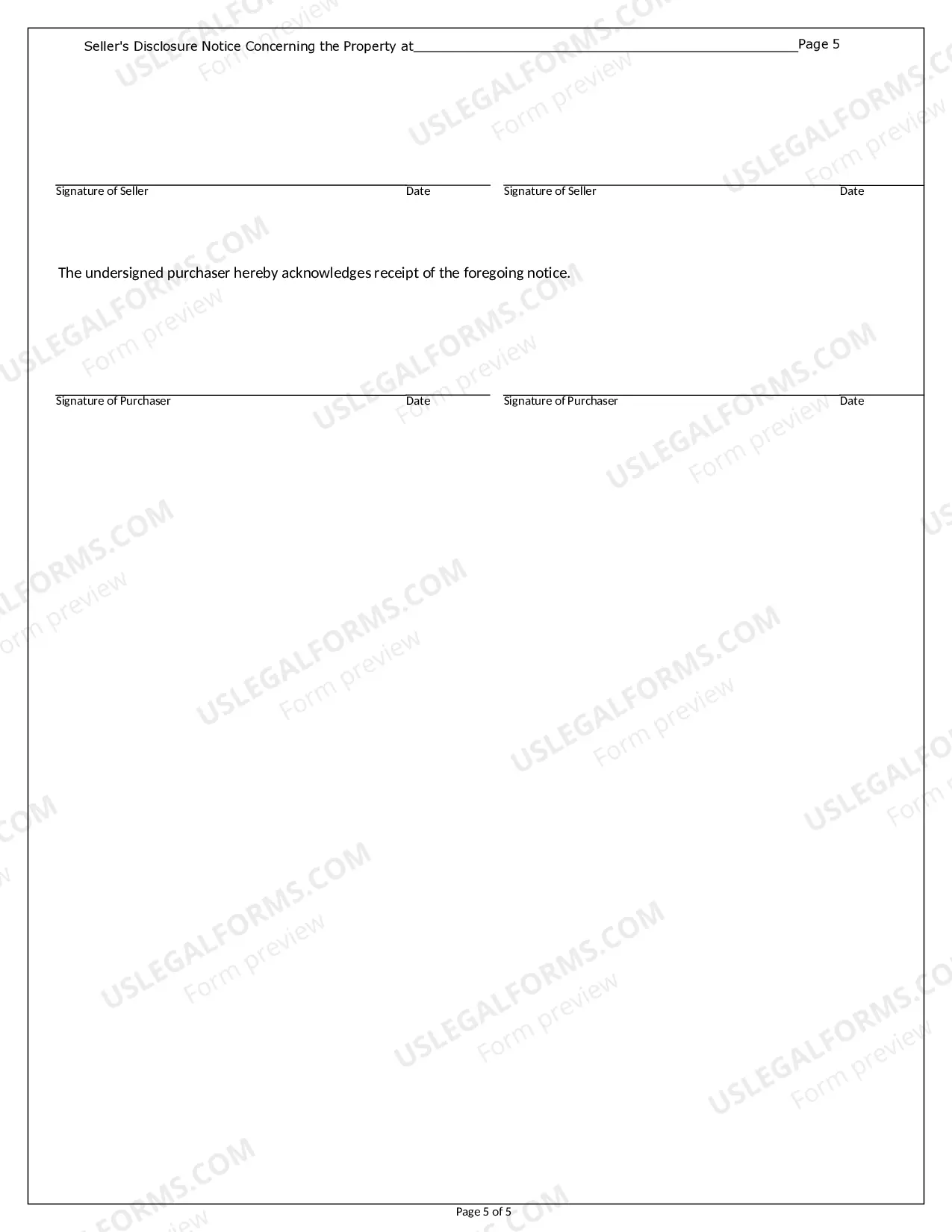
Commercial Real Estate Disclosure Form
Description
Get your form ready online
Our built-in tools help you complete, sign, share, and store your documents in one place.
Make edits, fill in missing information, and update formatting in US Legal Forms—just like you would in MS Word.
Download a copy, print it, send it by email, or mail it via USPS—whatever works best for your next step.
Sign and collect signatures with our SignNow integration. Send to multiple recipients, set reminders, and more. Go Premium to unlock E-Sign.
If this form requires notarization, complete it online through a secure video call—no need to meet a notary in person or wait for an appointment.
We protect your documents and personal data by following strict security and privacy standards.

Make edits, fill in missing information, and update formatting in US Legal Forms—just like you would in MS Word.

Download a copy, print it, send it by email, or mail it via USPS—whatever works best for your next step.

Sign and collect signatures with our SignNow integration. Send to multiple recipients, set reminders, and more. Go Premium to unlock E-Sign.

If this form requires notarization, complete it online through a secure video call—no need to meet a notary in person or wait for an appointment.

We protect your documents and personal data by following strict security and privacy standards.
Looking for another form?

Form popularity
FAQ
In California, sellers can be liable for misrepresentations or non-disclosures for up to four years following the sale. This liability period emphasizes the importance of providing accurate information through a commercial real estate disclosure form. It is vital for sellers to be honest and open about their property to minimize the risk of legal action. By disclosing all relevant details, sellers can protect themselves from potential claims.
Having no seller disclosure can raise red flags for potential buyers. It often signifies that the seller is trying to conceal issues with the property. A lack of transparency might lead to unforeseen expenses after the sale. Therefore, it's wise to prioritize a commercial real estate disclosure form to avoid complications later on.
Yes, you can potentially sue a previous homeowner for non-disclosure if they failed to disclose significant property issues. However, the success of such claims often hinges on proving that the seller knew about the problems but did not disclose them. A commercial real estate disclosure form can serve as a legal document that outlines all necessary disclosures. It’s advisable to consult with a legal professional to explore your options.
Yes, New York is a mandatory disclosure state. Sellers are required by law to provide a commercial real estate disclosure form that outlines known issues and conditions of the property. This requirement protects buyers and promotes fair transactions. Ensuring the proper disclosures can prevent disputes down the line.
'I have no disclosure' indicates that the seller does not provide detailed information about the property's condition. This situation can pose risks for the buyer, as they lack crucial insights into potential problems. In such cases, buyers should carefully consider conducting their own inspections. Utilizing a commercial real estate disclosure form can guide them in assessing the property's state.
In New York, property disclosures are indeed required. Sellers must provide buyers with a commercial real estate disclosure form before closing a sale. This form helps buyers understand any potential issues with the property. It is important for both parties to be transparent during the transaction.
Yes, you can sue a previous homeowner for non-disclosure in Michigan if they omitted essential information that could materially affect the property. Buyers have rights, and if they discover undisclosed defects, pursuing legal action can be an option. Using the Commercial real estate disclosure form can prevent such situations by ensuring that sellers provide all required information upfront. Being proactive in disclosures fosters a more trustworthy real estate market.
The disclosure rule in real estate mandates that sellers share known defects about a property to potential buyers. This rule helps to ensure honesty in real estate transactions, protecting both parties involved. Utilizing a Commercial real estate disclosure form facilitates compliance by providing a clear framework for necessary disclosures. It underscores the importance of transparency in building buyer confidence.
Michigan law does not require sellers to disclose if someone died in a house, but it is a good practice to be upfront. Buyers appreciate transparency, and personal circumstances can influence their decision. Using a Commercial real estate disclosure form to clarify the situation can help avoid misunderstandings. Consider your options carefully to maintain a positive relationship with potential buyers.
When selling a house in Michigan, sellers must disclose significant defects and pertinent information about their property. This includes issues like structural damage, plumbing problems, or any environmental hazards. The Commercial real estate disclosure form serves as a key document to ensure all necessary information is shared. Being upfront about these matters builds trust between buyers and sellers.