Unauthorized Reactivation
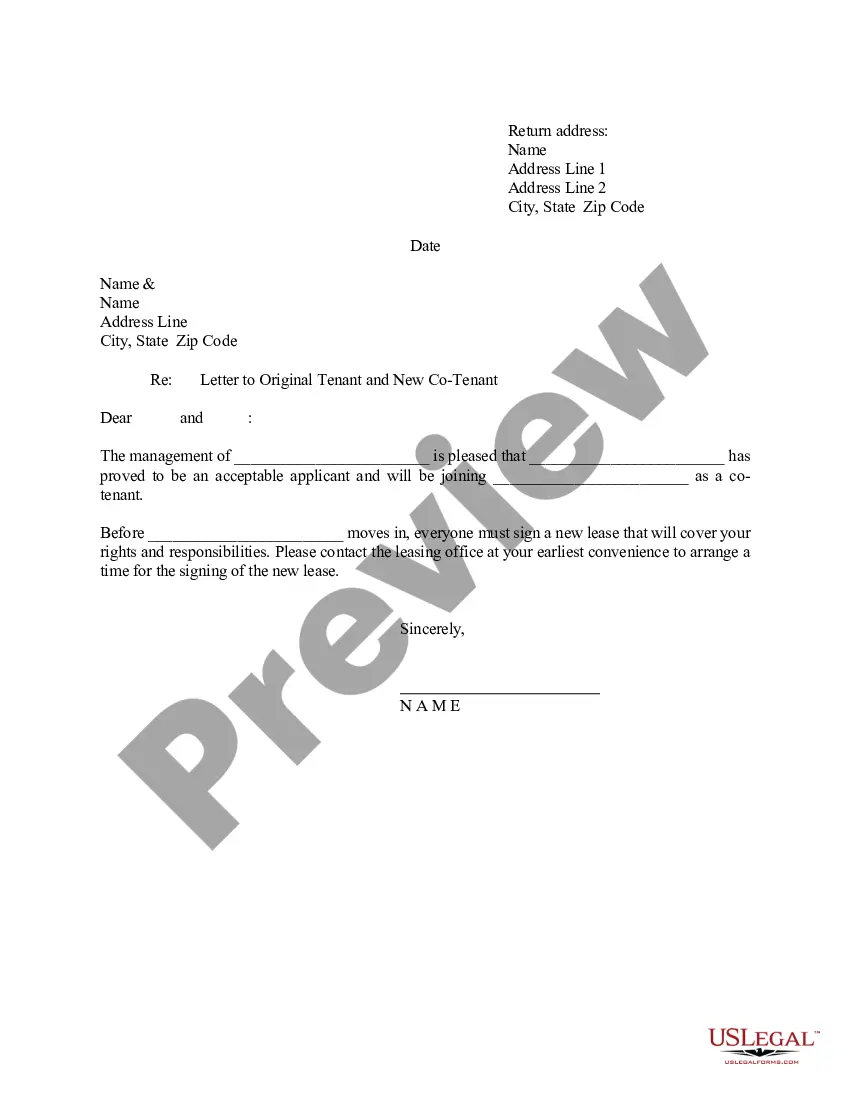
Description

Get your form ready online
Our built-in tools help you complete, sign, share, and store your documents in one place.
Make edits, fill in missing information, and update formatting in US Legal Forms—just like you would in MS Word.
Download a copy, print it, send it by email, or mail it via USPS—whatever works best for your next step.
Sign and collect signatures with our SignNow integration. Send to multiple recipients, set reminders, and more. Go Premium to unlock E-Sign.
If this form requires notarization, complete it online through a secure video call—no need to meet a notary in person or wait for an appointment.
We protect your documents and personal data by following strict security and privacy standards.
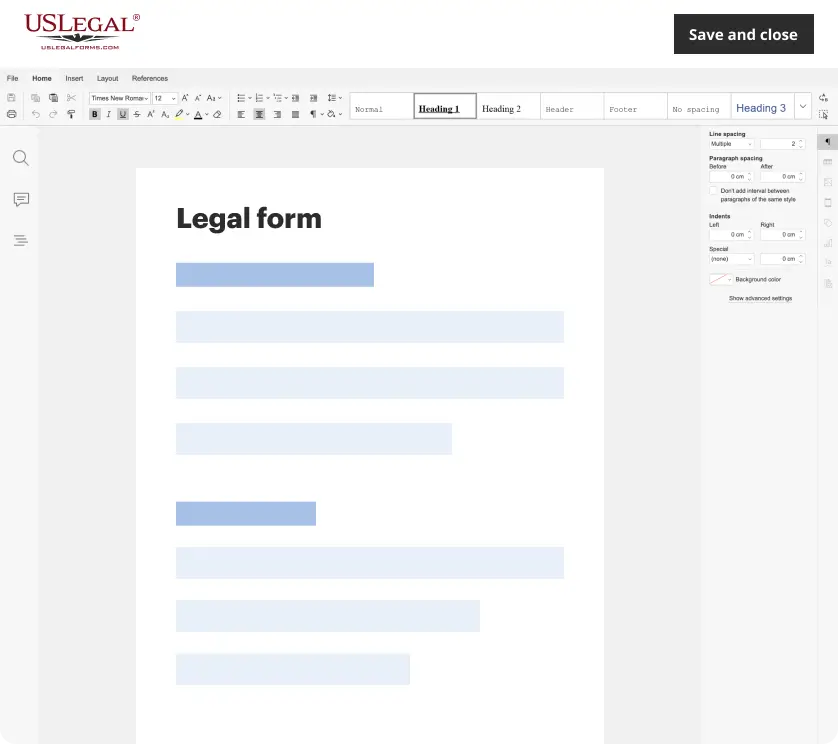
Make edits, fill in missing information, and update formatting in US Legal Forms—just like you would in MS Word.
Download a copy, print it, send it by email, or mail it via USPS—whatever works best for your next step.
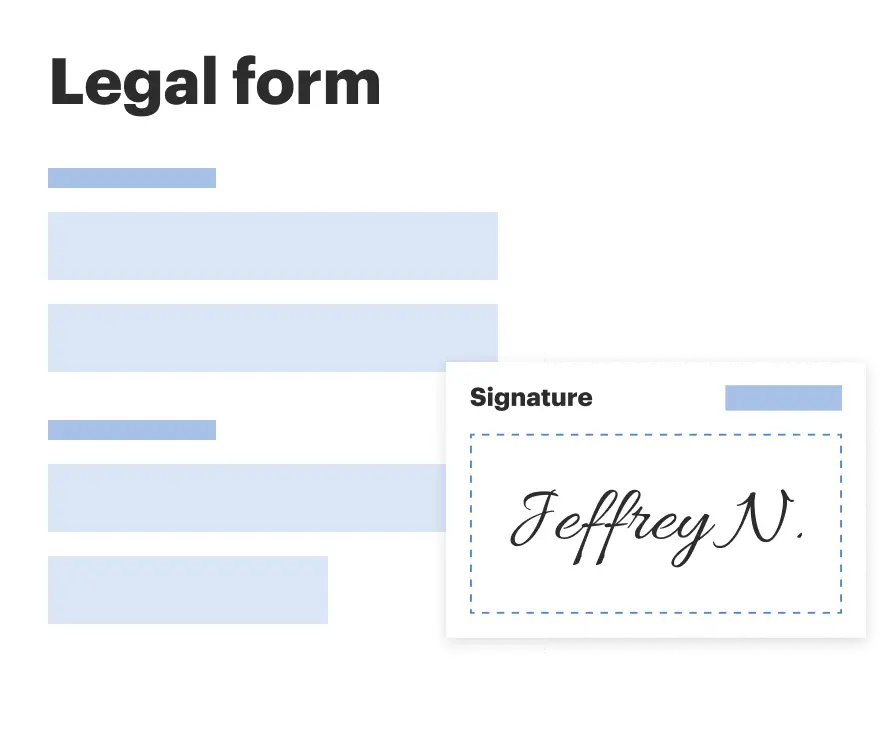
Sign and collect signatures with our SignNow integration. Send to multiple recipients, set reminders, and more. Go Premium to unlock E-Sign.
If this form requires notarization, complete it online through a secure video call—no need to meet a notary in person or wait for an appointment.
We protect your documents and personal data by following strict security and privacy standards.
Looking for another form?

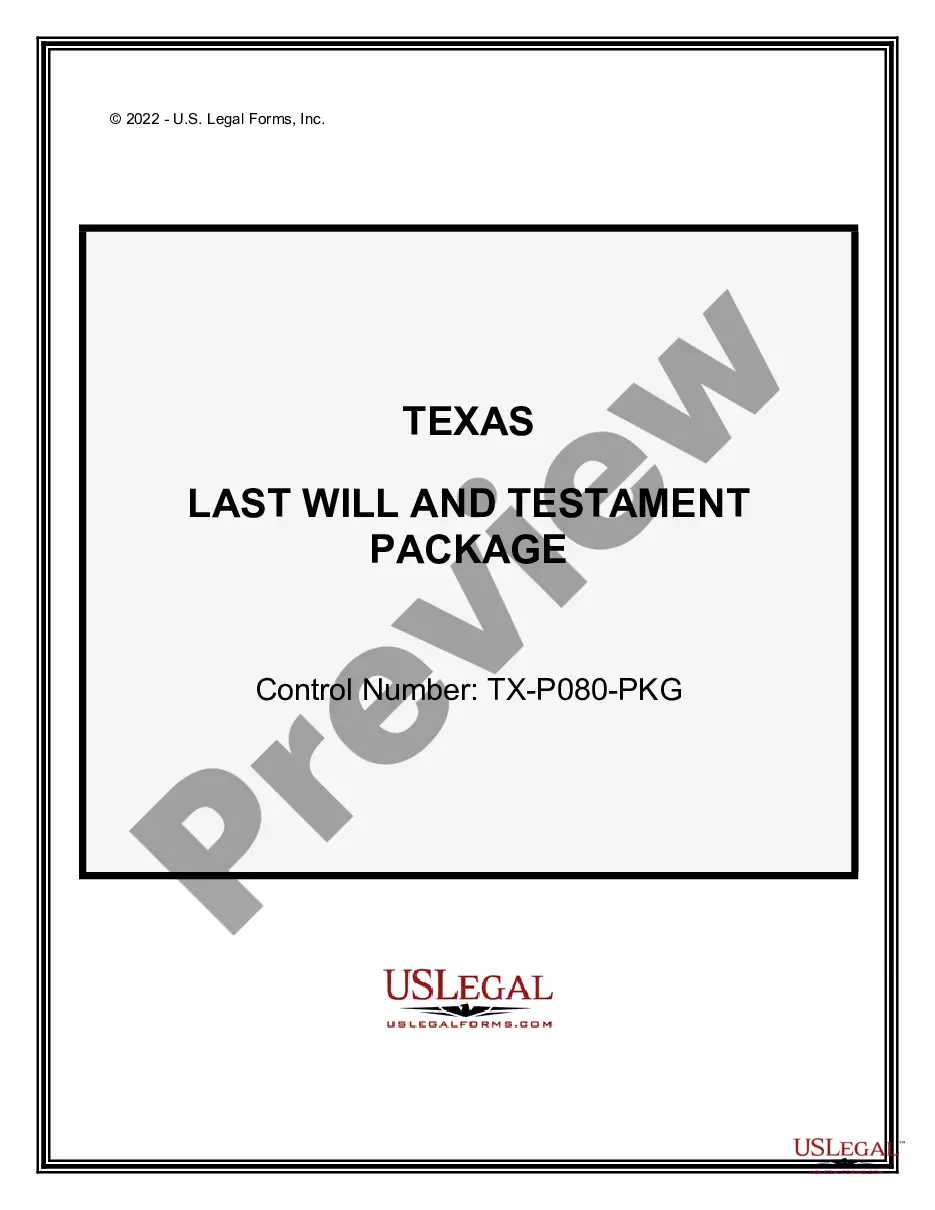
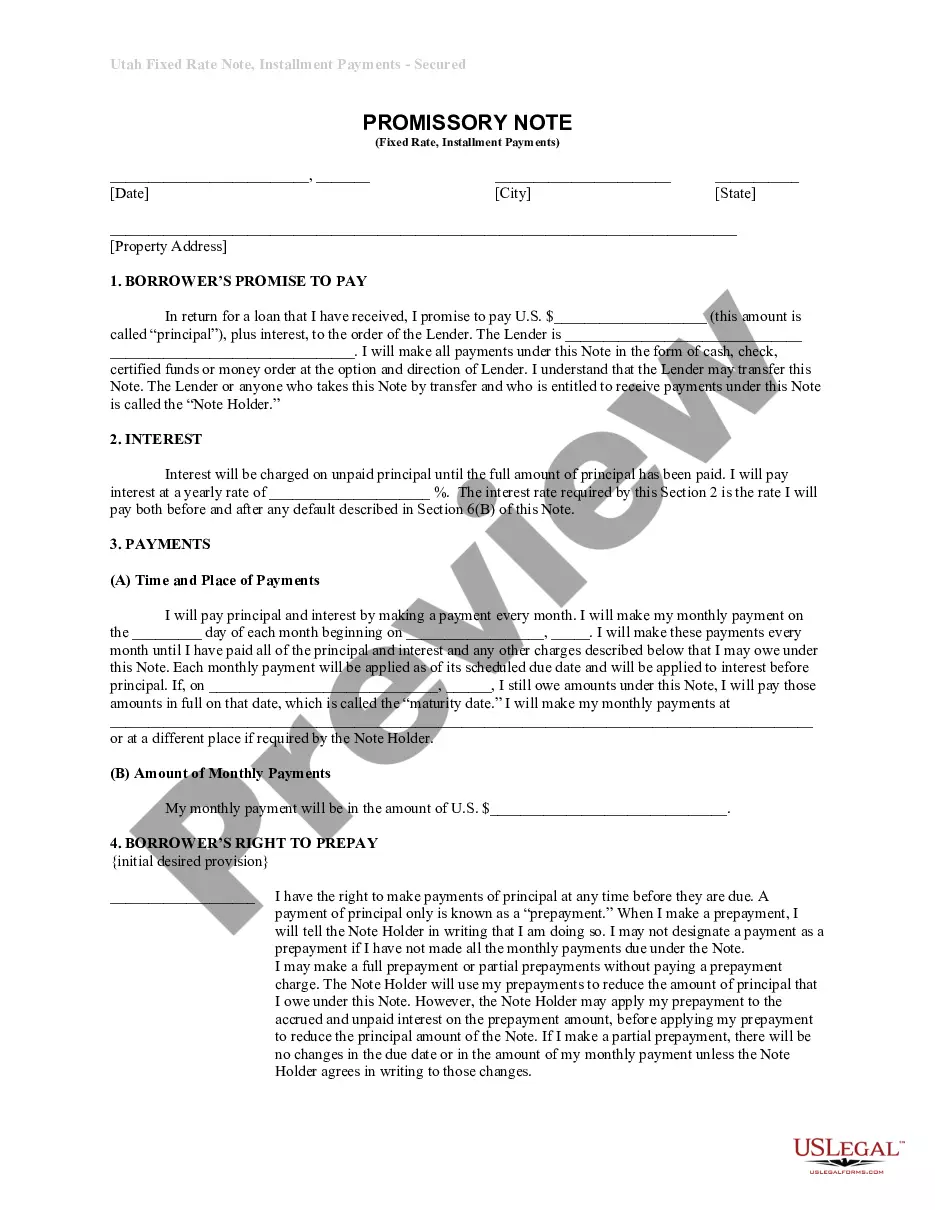
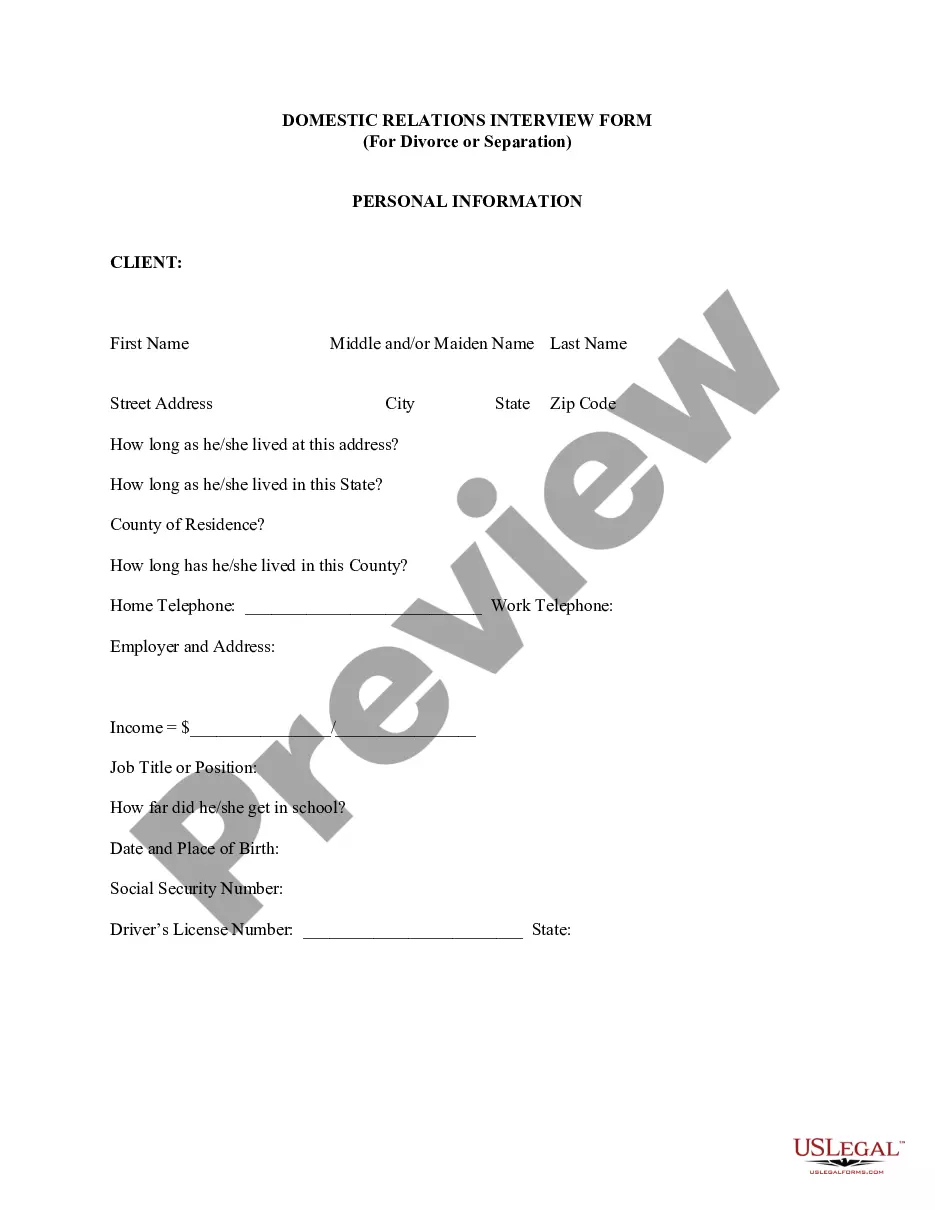
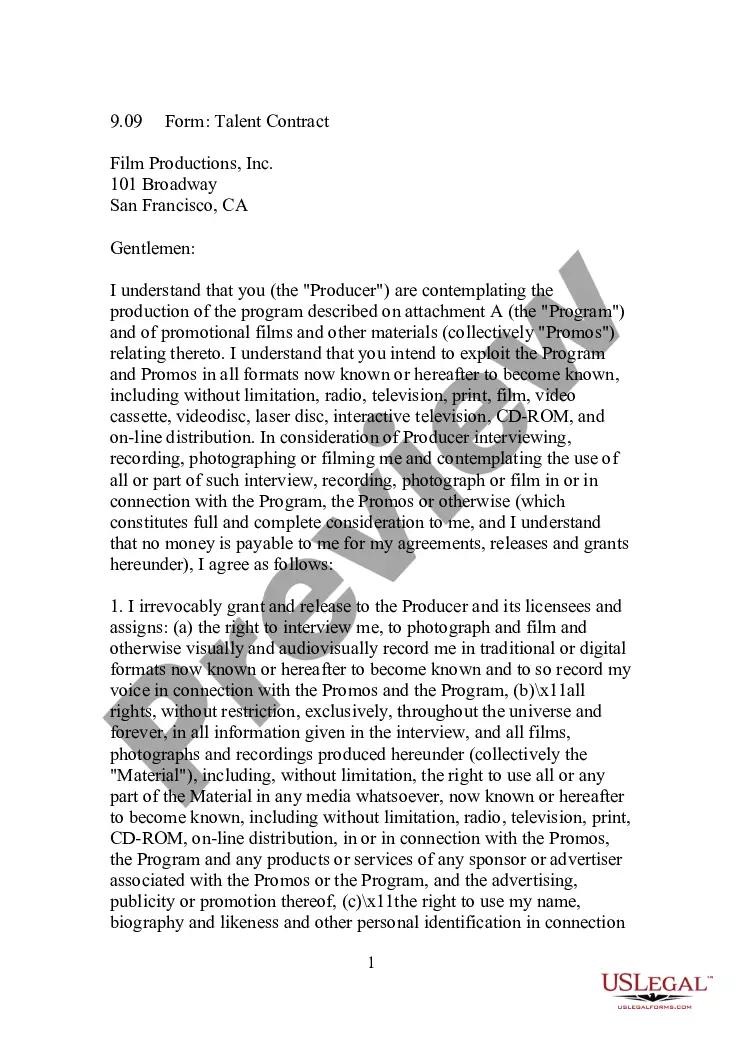





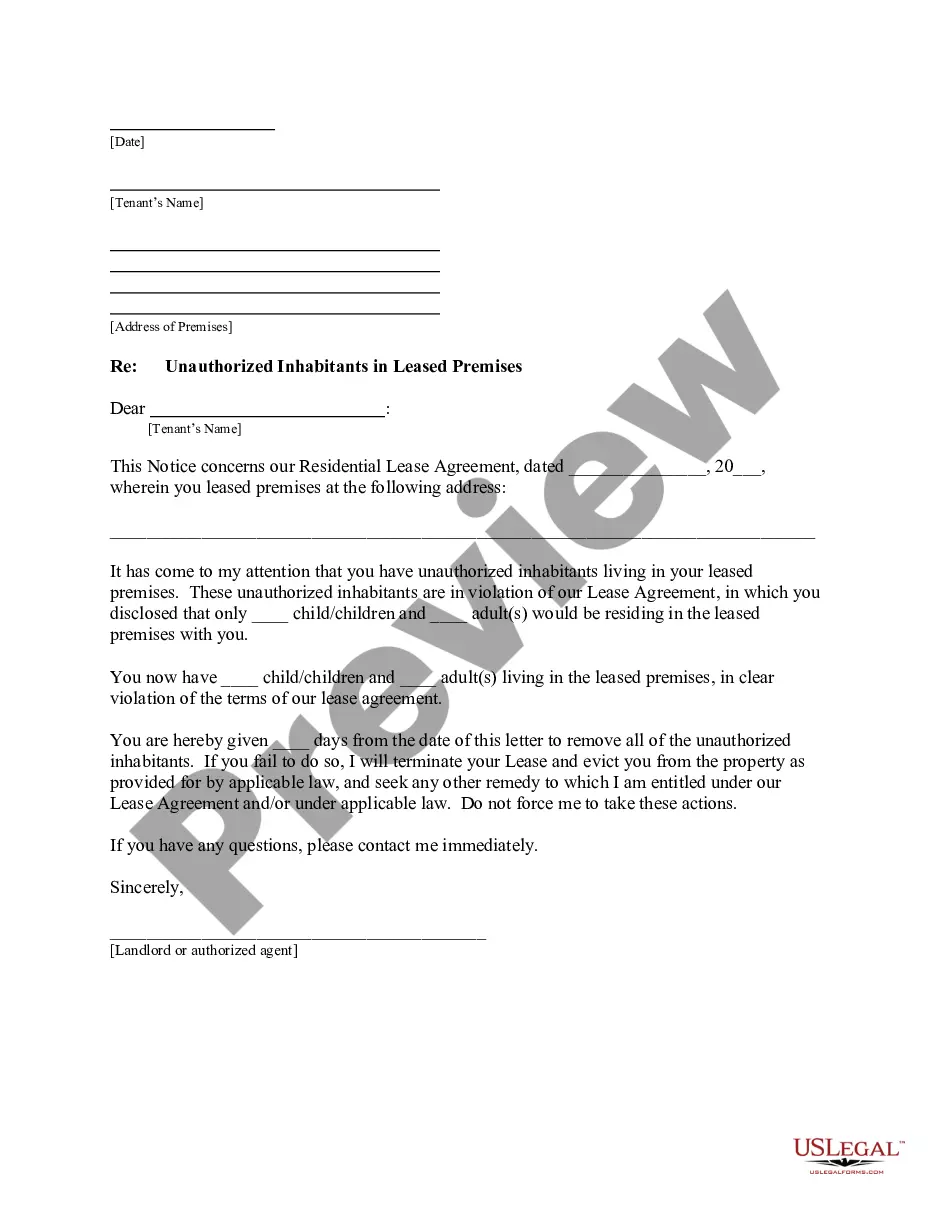
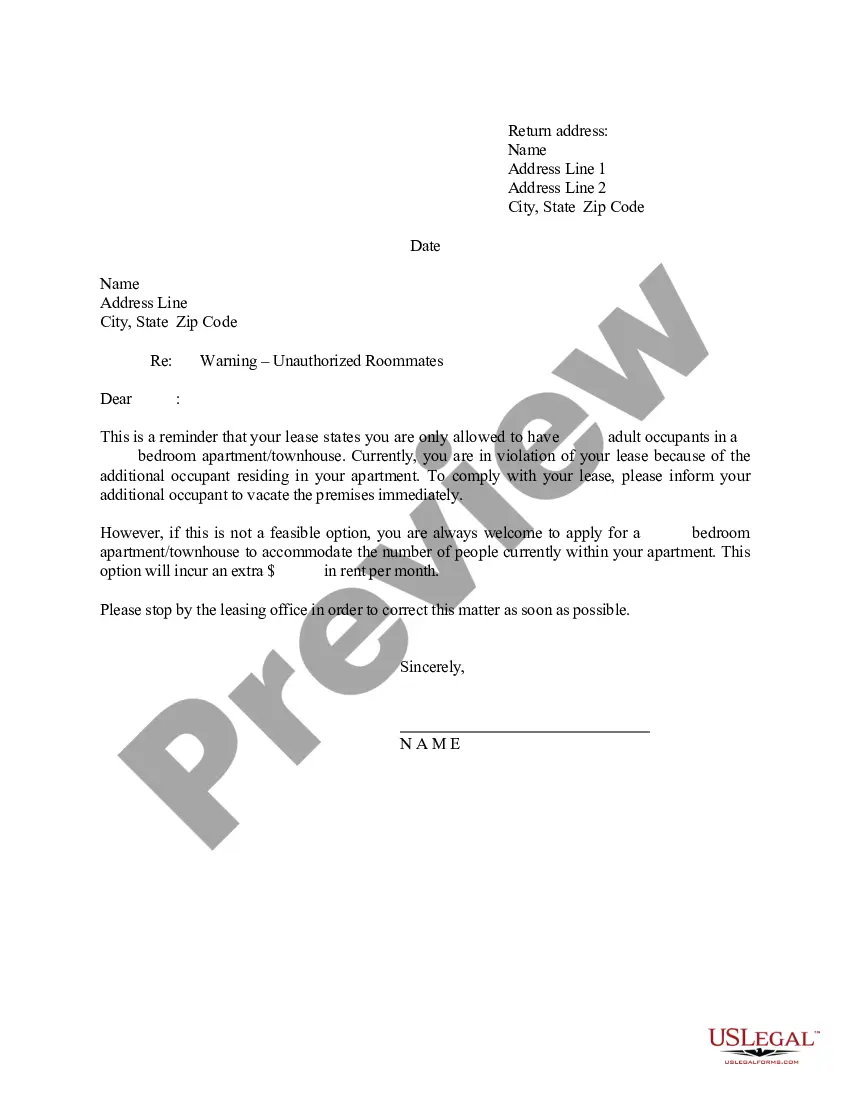
How to fill out Texas Letter From Landlord To Tenant As Notice To Remove Unauthorized Inhabitants?
- If you are a returning user, log in to your account and directly download the required template by clicking the Download button. Ensure that your subscription remains active; renew it if necessary.
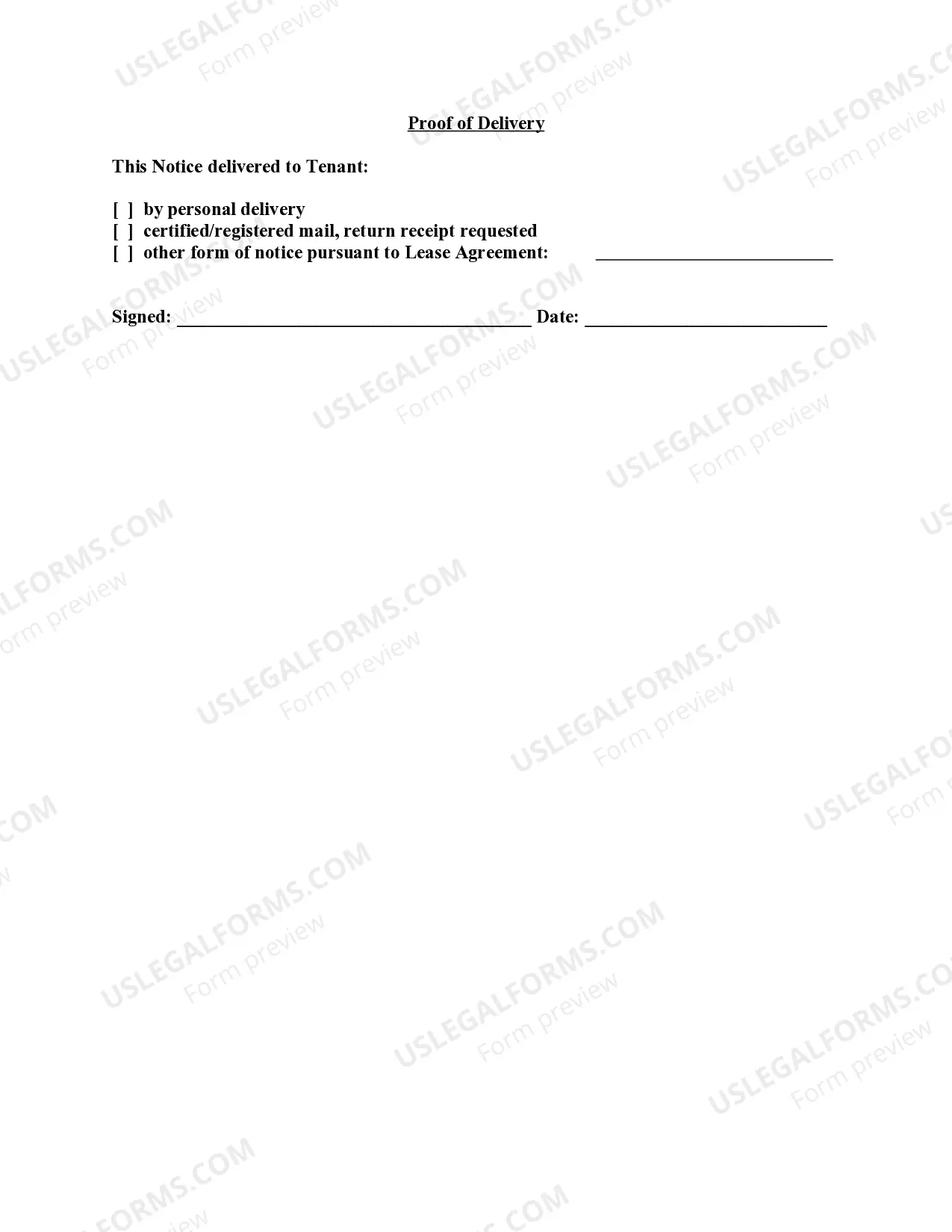
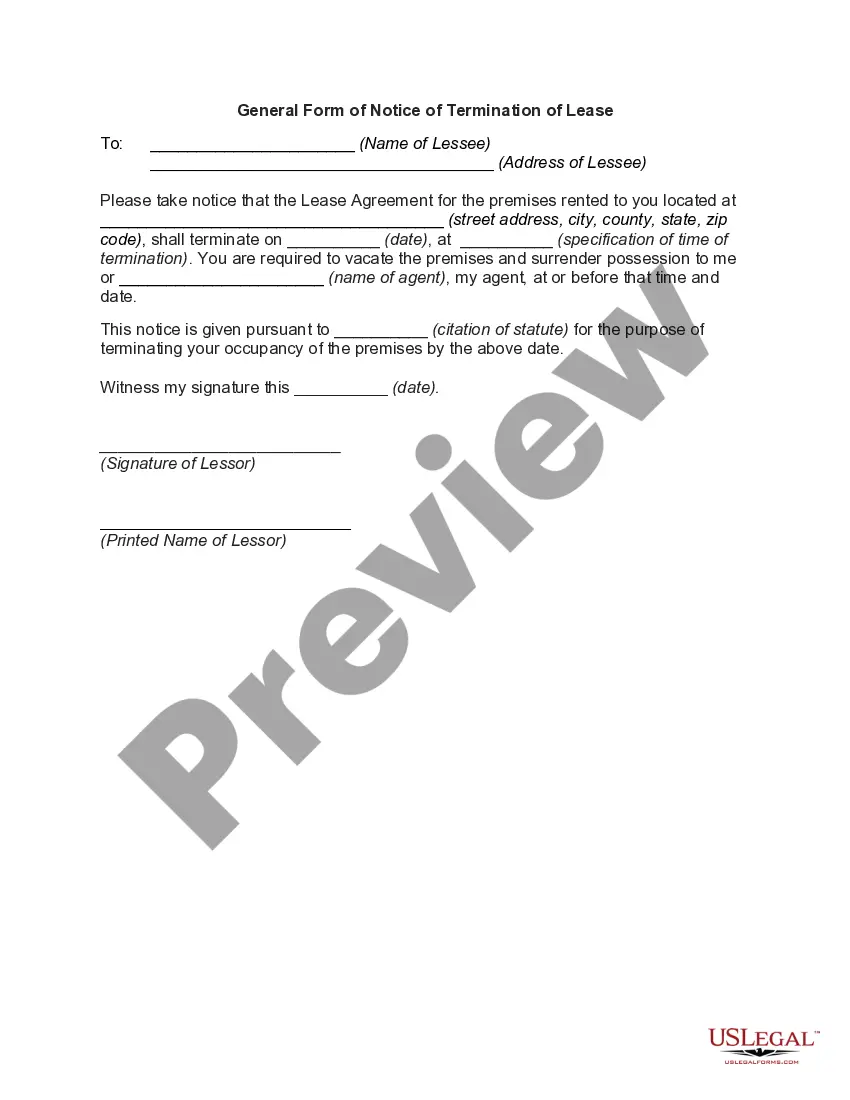
- For first-time users, start by checking the form description and Preview mode. Confirm that the selected template aligns with your needs and adheres to your local jurisdiction regulations.
- If you encounter any discrepancies, use the Search feature to find an alternative template that meets your requirements before proceeding.
- Purchase the necessary document by clicking the Buy Now option. Choose a subscription plan that suits you, and create an account to access full library resources.
- Complete your purchase by entering your credit card information or utilizing your PayPal account for payment.
- Finally, download the form to your device. You can access it later through the My Forms section of your profile.
In conclusion, utilizing US Legal Forms for unauthorized reactivation simplifies the often complex process of obtaining legal documents. You can benefit from a robust library of over 85,000 forms tailored to various legal needs.
Don't hesitate—explore US Legal Forms today and take advantage of its comprehensive resources for all your legal documentation needs.
Form popularity
FAQ
Yes, Exodia is considered a unique win condition in Yu-Gi-Oh. When a player assembles all five pieces of Exodia in their hand, they automatically win the game. This win condition requires careful planning, and it’s important to be aware of factors like unauthorized reactivation that might disrupt such strategies.
A condition in Yu-Gi-Oh denotes the prerequisites necessary for activating card effects or achieving certain game outcomes. These conditions dictate gameplay flow, allowing players to make tactical decisions. As players become familiar with these rules, including those related to unauthorized reactivation, they can navigate the game more effectively and avoid pitfalls.
A win condition in Yu-Gi-Oh is how a player can achieve victory in a duel. This could involve reducing your opponent's life points to zero, completing a specific combination of card effects, or achieving a unique game state. Players who focus on a clear win condition can strategize more effectively, especially when navigating issues related to unauthorized reactivation of cards.
In Yu-Gi-Oh, a condition refers to specific rules or requirements that must be met for certain cards or effects to activate. For example, some cards may require a player to have a certain number of monsters on the field. Understanding these conditions is essential to gameplay strategy, particularly when considering scenarios that involve unauthorized reactivation of cards.
To write a letter for reinstatement, you should start with an introduction describing your situation and your request for reinstatement. Include relevant details about your account and reasons behind the need for reinstatement, emphasizing the importance of resolving any past issues to prevent unauthorized reactivation. Keeping your tone respectful and assertive is crucial.
In crafting a mail for account activation, be sure to mention your account details and express why you need activation promptly. Clearly request the activation and refer to any specific issues that may have caused the delay. Addressing the email correctly will help ensure your request is handled effectively and minimizes risks of unauthorized reactivation.
You can tell if a Yu-Gi-Oh card is limited by scrutinizing its details, such as card numbering and rarity symbols. Limited cards often have distinctive designs or special appearances, which signal their uniqueness to collectors. Researching card databases can provide additional insights into identifying these limited items.
To reactivate an inactive account, usually, you need to contact customer support or follow the reactivation process outlined on the service's website. Many platforms require you to verify your identity, ensuring security against unauthorized reactivation. Checking for any outstanding issues or payments may also be necessary before reactivation.
A limited card in Yu-Gi-Oh refers to a card that has a restricted number of copies available for play or trade. These cards often have unique abilities or significant historical significance, making them sought after by collectors. Understanding the game's competitive landscape helps you appreciate the importance of these limited cards.
Recognizing a rare Yu-Gi-Oh card involves looking for certain key features, such as holographic designs or limited print runs. Rarity is often marked by a specific designation on the card, setting it apart from standard versions. Familiarizing yourself with database resources will also assist you in distinguishing rare cards.