Texas Landlord Retaliation Laws
Description


Get your form ready online
Our built-in tools help you complete, sign, share, and store your documents in one place.
Make edits, fill in missing information, and update formatting in US Legal Forms—just like you would in MS Word.
Download a copy, print it, send it by email, or mail it via USPS—whatever works best for your next step.
Sign and collect signatures with our SignNow integration. Send to multiple recipients, set reminders, and more. Go Premium to unlock E-Sign.
If this form requires notarization, complete it online through a secure video call—no need to meet a notary in person or wait for an appointment.
We protect your documents and personal data by following strict security and privacy standards.

Make edits, fill in missing information, and update formatting in US Legal Forms—just like you would in MS Word.

Download a copy, print it, send it by email, or mail it via USPS—whatever works best for your next step.

Sign and collect signatures with our SignNow integration. Send to multiple recipients, set reminders, and more. Go Premium to unlock E-Sign.

If this form requires notarization, complete it online through a secure video call—no need to meet a notary in person or wait for an appointment.

We protect your documents and personal data by following strict security and privacy standards.
Looking for another form?


Form popularity
FAQ
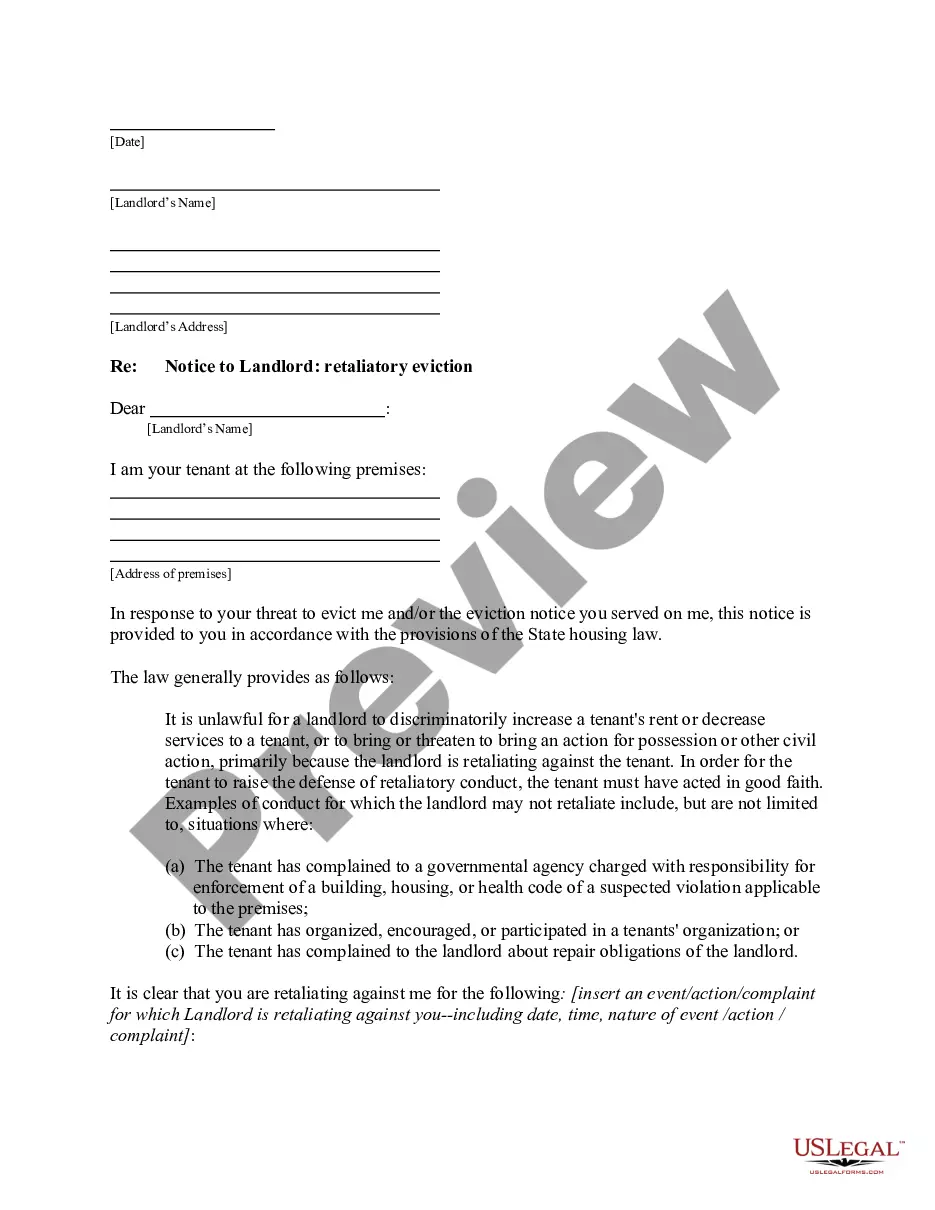
Retaliation in Texas occurs when a landlord takes adverse action against a tenant for asserting their legal rights, like filing complaints about property conditions. Common retaliatory actions include increased rent or eviction following a tenant's report to authorities about violations. Familiarizing yourself with Texas landlord retaliation laws can help you identify and respond to these unjust actions.
Harassment by a landlord in Texas can include unwanted repeated visits, excessive questioning about your activities, or any form of intimidation designed to pressure you. Additionally, actions aimed at evicting you without proper cause or notice can also be viewed as harassment. It's essential to recognize these behaviors, especially under the lens of Texas landlord retaliation laws.
In Texas, a landlord cannot engage in discriminatory practices, refuse to make necessary repairs, or illegally lock you out. Additionally, they cannot retaliate against you for exercising your rights, such as reporting unsafe conditions. Understanding these limitations is important for protecting your rights, particularly in light of Texas landlord retaliation laws.
Texas is introducing several changes in rental laws for 2024, including updates on rental application fees and security deposits. These changes aim to increase tenant protection and ensure transparency. Staying informed about these updates is vital for both landlords and tenants to navigate their rights effectively under Texas landlord retaliation laws.
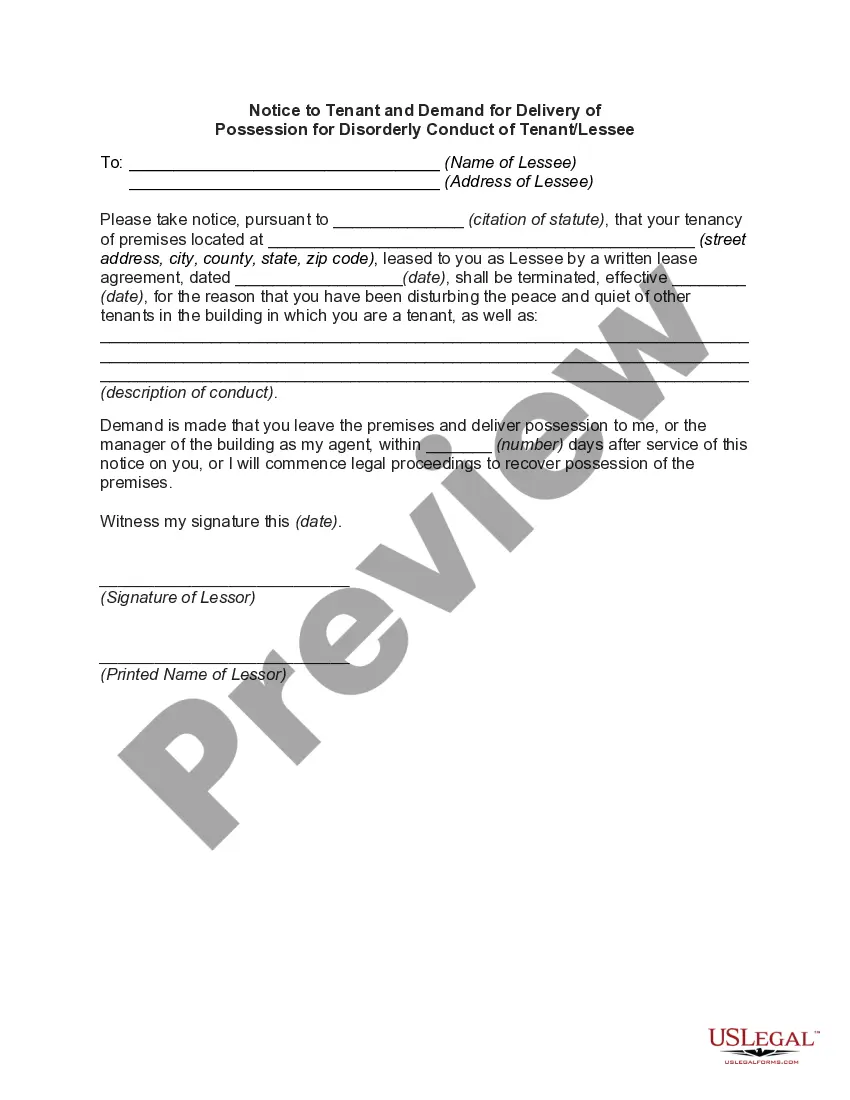
In Texas, landlords can evict tenants for several reasons, such as non-payment of rent, violating lease terms, or damaging property. Additionally, eviction can occur if a tenant illegally subleases or engages in illegal activities on the property. If a tenant believes their eviction is due to retaliation, understanding Texas landlord retaliation laws becomes essential.
In Texas, a lease can be deemed invalid if it lacks essential elements, such as mutual consent, lawful consideration, and a specific term. Additionally, leases that violate local or state laws, including Texas landlord retaliation laws, can be voided. It's crucial to ensure that all terms comply with legal standards to avoid disputes.
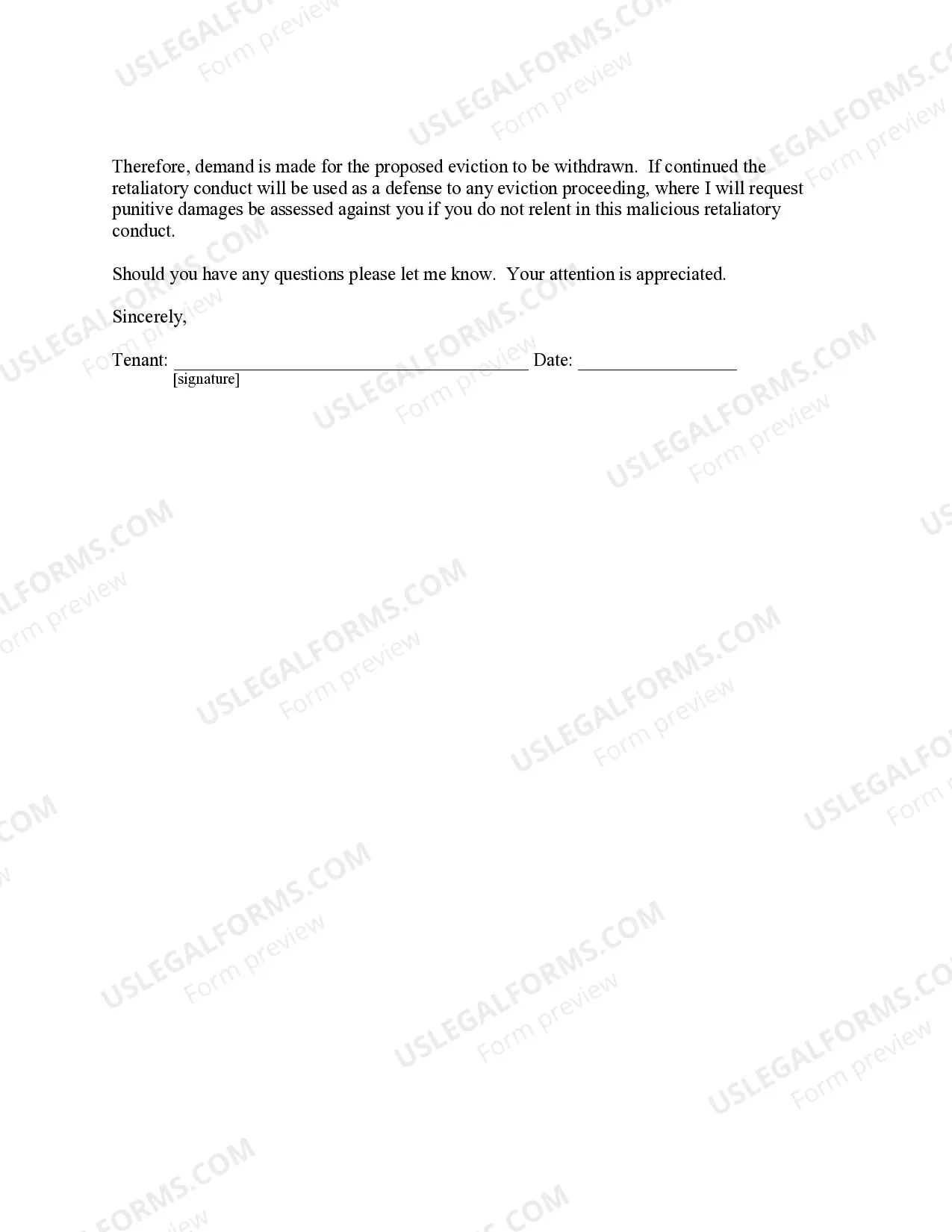
To file a retaliation complaint in Texas, start by documenting the actions taken against you by your landlord. Ensure you have all relevant information and evidence clearly outlined. You can then file a complaint with your local housing authority or consider pursuing a private lawsuit against your landlord. Platforms like US Legal Forms offer resources that can guide you step-by-step through the complaint process.
The anti-retaliation law in Texas protects tenants from unfair treatment by landlords after they exercise their rights. Under Texas landlord retaliation laws, landlords cannot take adverse actions against a tenant for filing complaints about violations or asserting their rights. This law empowers tenants to stand up for their rights without fear of retaliation.
The value of a retaliation lawsuit in Texas can vary greatly based on the specifics of the case, including the damages you suffered and the landlord's actions. Tenants may receive compensation for lost rent, repairs, legal fees, and sometimes even punitive damages. Consulting resources like US Legal Forms can help you determine the potential worth and guide you through the process.
Three common actions that meet the criteria for retaliation under Texas landlord retaliation laws include raising the rent, terminating the lease early, or failing to make necessary repairs. These actions punish tenants for exercising their legal rights, such as filing complaints or joining tenant unions. Understanding these retaliatory actions can empower you to protect yourself.