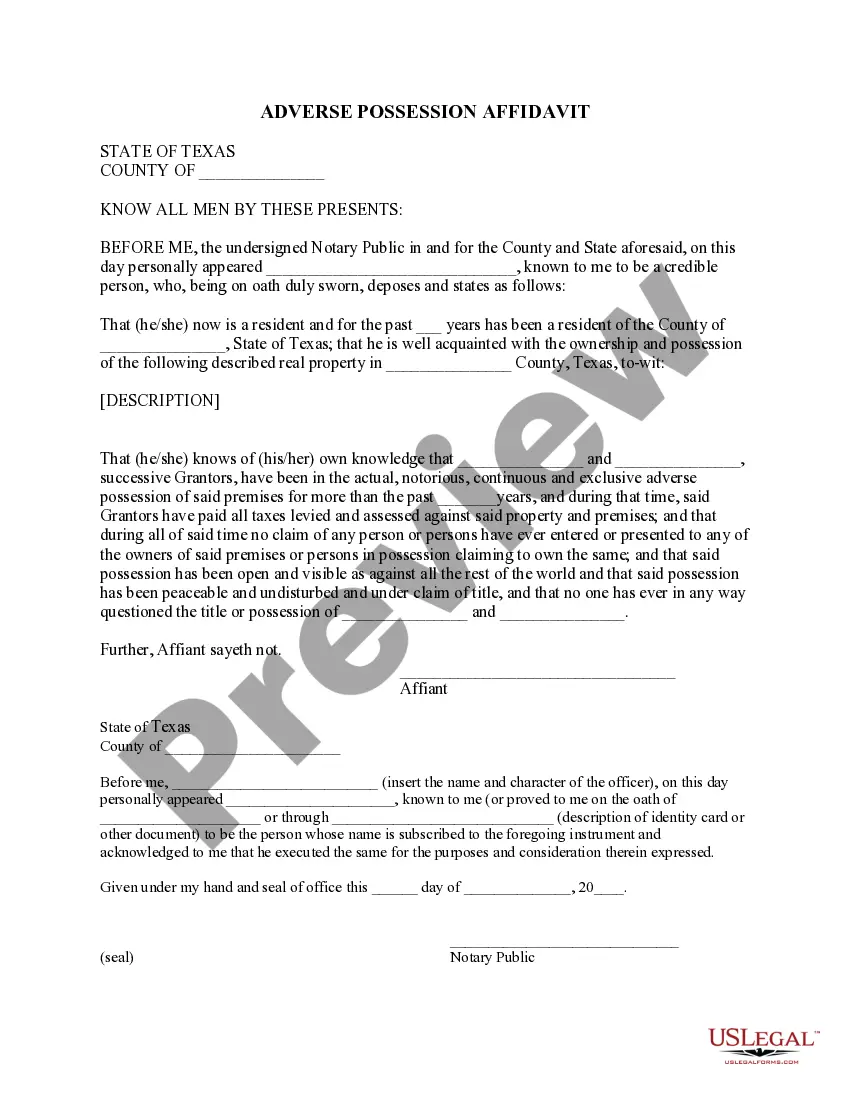
Texas Grantors Resident With A Criminal Record
Description
Get your form ready online
Our built-in tools help you complete, sign, share, and store your documents in one place.
Make edits, fill in missing information, and update formatting in US Legal Forms—just like you would in MS Word.
Download a copy, print it, send it by email, or mail it via USPS—whatever works best for your next step.
Sign and collect signatures with our SignNow integration. Send to multiple recipients, set reminders, and more. Go Premium to unlock E-Sign.
If this form requires notarization, complete it online through a secure video call—no need to meet a notary in person or wait for an appointment.
We protect your documents and personal data by following strict security and privacy standards.

Make edits, fill in missing information, and update formatting in US Legal Forms—just like you would in MS Word.

Download a copy, print it, send it by email, or mail it via USPS—whatever works best for your next step.

Sign and collect signatures with our SignNow integration. Send to multiple recipients, set reminders, and more. Go Premium to unlock E-Sign.

If this form requires notarization, complete it online through a secure video call—no need to meet a notary in person or wait for an appointment.

We protect your documents and personal data by following strict security and privacy standards.
Looking for another form?










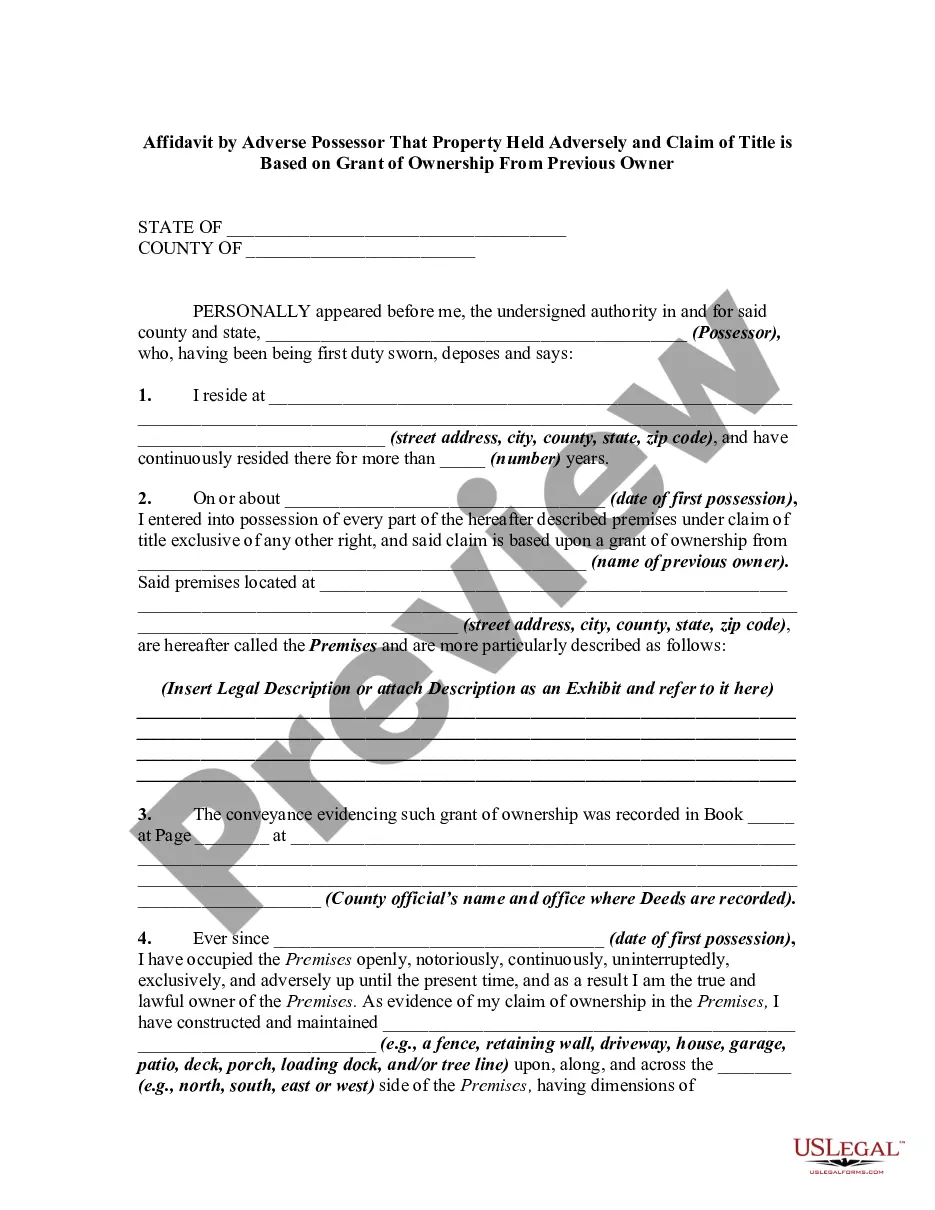
How to fill out Texas Adverse Possession Affidavit - Squatters Rights?
- If you are a returning user, log in to your account at US Legal Forms and check if your subscription is active. If it's not, renew it to gain access to essential forms.
- For first-time users, start by exploring the Preview mode and reviewing the form descriptions to ensure you choose the right document that aligns with your needs and local jurisdiction.
- If the current form doesn’t meet your requirements, use the search feature at the top to find an alternative that fits your needs perfectly.
- Once you've identified the correct form, click on the Buy Now button and select a suitable subscription plan. You will need to create an account to access all available resources.
- Complete your transaction by entering your payment information through credit card or PayPal to finalize your subscription.
- After your purchase, download the form directly to your device. Access it later through the 'My Forms' section in your account.
By using US Legal Forms, individuals and attorneys alike can benefit from an extensive selection of over 85,000 legal forms that cater to various needs. The platform not only offers more forms than competitors but also provides access to premium experts for assistance, ensuring you create precise, legally binding documents.
Don't let legal complexities hold you back. Start today with US Legal Forms, and empower yourself with the resources you need to succeed.
Form popularity
FAQ
Filing for non-disclosure in Texas can help Texas grantors resident with a criminal record clear their public records. First, ensure you meet the eligibility requirements, which often include having completed your sentence and not having additional convictions. Next, gather all necessary documents, including your petition and supporting evidence. Finally, you can use a platform like US Legal Forms to simplify the filing process and guide you through each step.
To qualify for the Texas grant SAP, you must meet specific eligibility criteria. These requirements include being a Texas grantors resident with a criminal record, demonstrating financial need, and enrolling in an eligible program. It's beneficial to review the guidelines and gather necessary documentation to ensure a smooth application process.
Yes, you can become a lawyer in Texas even if you have a criminal record. However, the Texas Board of Law Examiners evaluates each individual's situation carefully. They will look at the nature of the offenses, the time that has passed, and evidence of rehabilitation. If you are a Texas grantors resident with a criminal record, it's crucial to demonstrate that you have made positive changes in your life.
Landlords in Texas can refuse a tenant for various reasons, including poor credit history, insufficient income, or a criminal background. Specifically, the Texas grantors resident with a criminal record may encounter difficulties due to their past. It's vital for landlords to base their decisions on factual information and not on biases. By following fair housing regulations, landlords can ensure they treat all applicants fairly while safeguarding their property interests.
Yes, a landlord in Texas can deny a tenant based on their criminal history, depending on the specifics of the case. The Texas grantors resident with a criminal record may find themselves in a position where their past affects their housing options. However, it is important for landlords to remain consistent and fair in their evaluations to avoid discrimination claims. Evaluating the crime’s relevance and context is beneficial for both parties.
In Texas, landlords have the right to refuse renting to convicted felons, but this policy varies among landlords. The Texas grantors resident with a criminal record often face hurdles in finding suitable rentals. It's essential for landlords to adhere to fair housing laws while making these decisions. Some landlords may prefer to assess the individual circumstances surrounding the felony before reaching a decision.
Yes, employers in Texas can refuse to hire candidates with a criminal record, but they should be careful. The Texas grantors resident with a criminal record should understand that each case is unique and employers must evaluate the relevance of the offense to the job being offered. Fair hiring practices and rehabilitation efforts are essential considerations for employers looking to maintain an inclusive workforce.
In Texas, landlords can refuse to rent to individuals with a criminal record, but they must follow certain guidelines. It's crucial to be aware of discrimination laws while making these decisions. The Texas grantors resident with a criminal record may find it challenging to secure housing due to this policy. However, some landlords may consider the nature of the crime and how much time has passed since the offense.
In Texas, certain criminal records may not automatically clear after seven years. Instead, the process of expungement or sealing records can take additional time and specific steps. For Texas grantors residents with a criminal record, knowing this can help you focus on the right legal actions to take. Resources like US Legal Forms can offer support in navigating these legal complexities.
In Texas, a real estate background check generally goes back seven years to examine your criminal history. This includes felonies and misdemeanors that may impact your application. If you are a Texas grantors resident with a criminal record, understanding how this timeline works can help you prepare your application accordingly.