Texas Warranty To Forgery
Description

Get your form ready online
Our built-in tools help you complete, sign, share, and store your documents in one place.
Make edits, fill in missing information, and update formatting in US Legal Forms—just like you would in MS Word.
Download a copy, print it, send it by email, or mail it via USPS—whatever works best for your next step.
Sign and collect signatures with our SignNow integration. Send to multiple recipients, set reminders, and more. Go Premium to unlock E-Sign.
If this form requires notarization, complete it online through a secure video call—no need to meet a notary in person or wait for an appointment.
We protect your documents and personal data by following strict security and privacy standards.

Make edits, fill in missing information, and update formatting in US Legal Forms—just like you would in MS Word.

Download a copy, print it, send it by email, or mail it via USPS—whatever works best for your next step.

Sign and collect signatures with our SignNow integration. Send to multiple recipients, set reminders, and more. Go Premium to unlock E-Sign.

If this form requires notarization, complete it online through a secure video call—no need to meet a notary in person or wait for an appointment.

We protect your documents and personal data by following strict security and privacy standards.
Looking for another form?

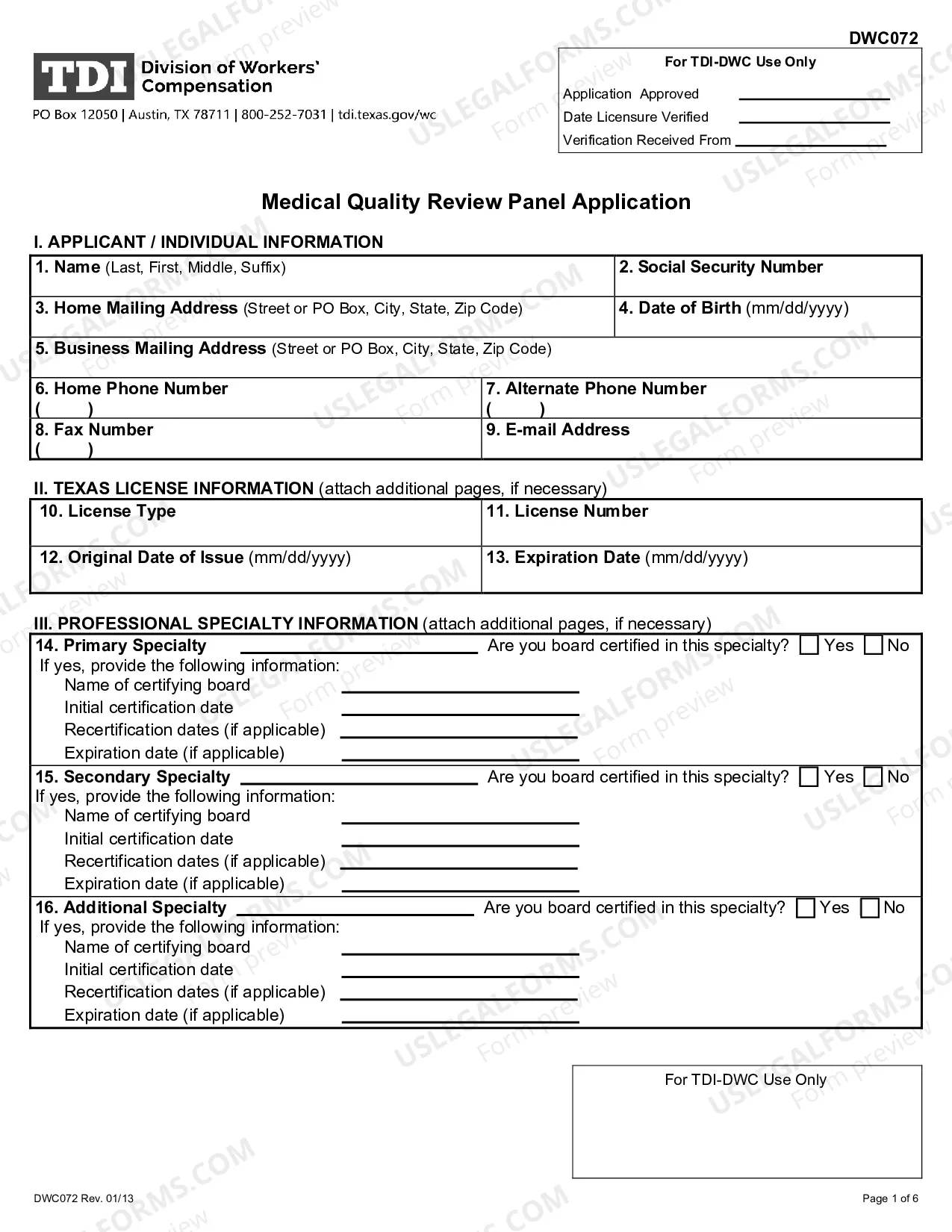




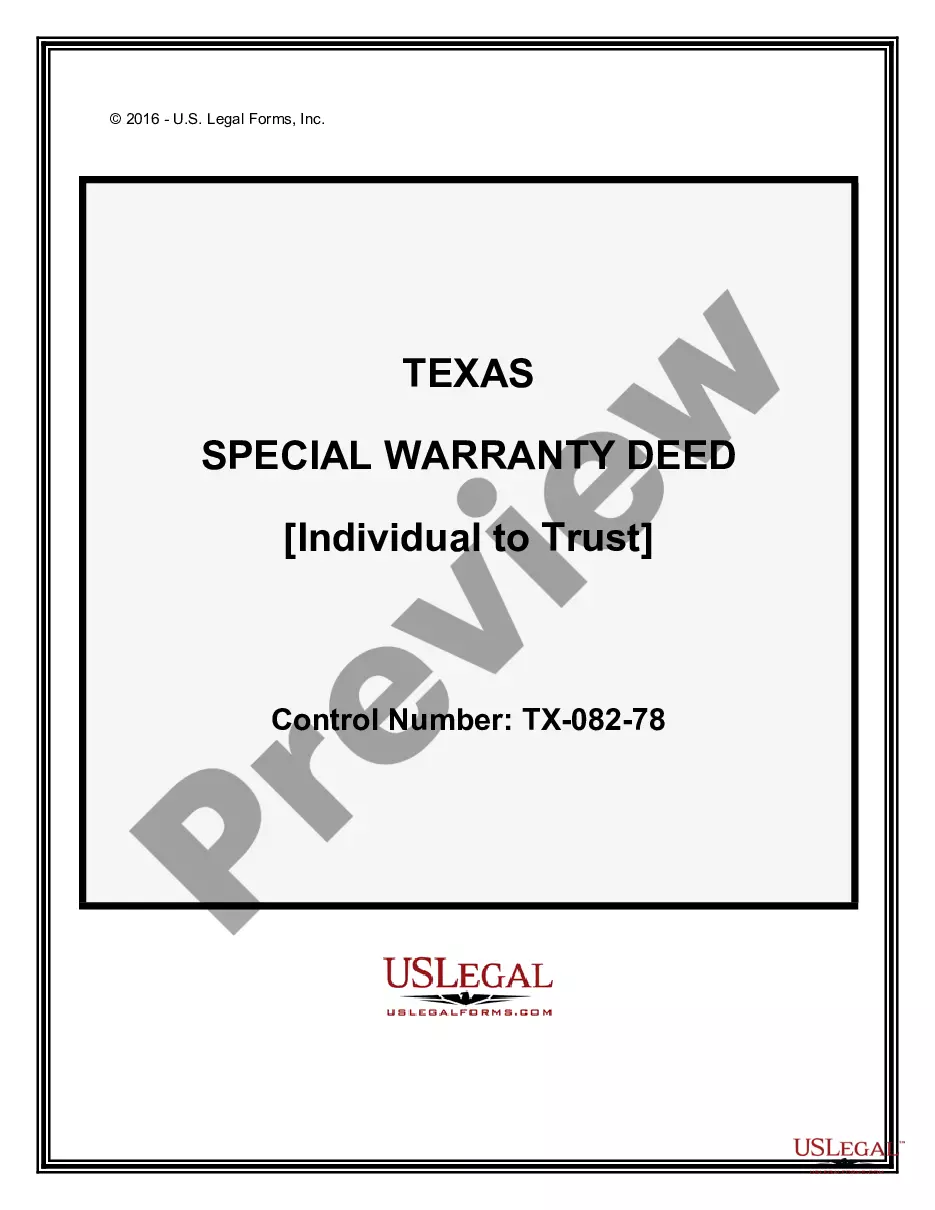
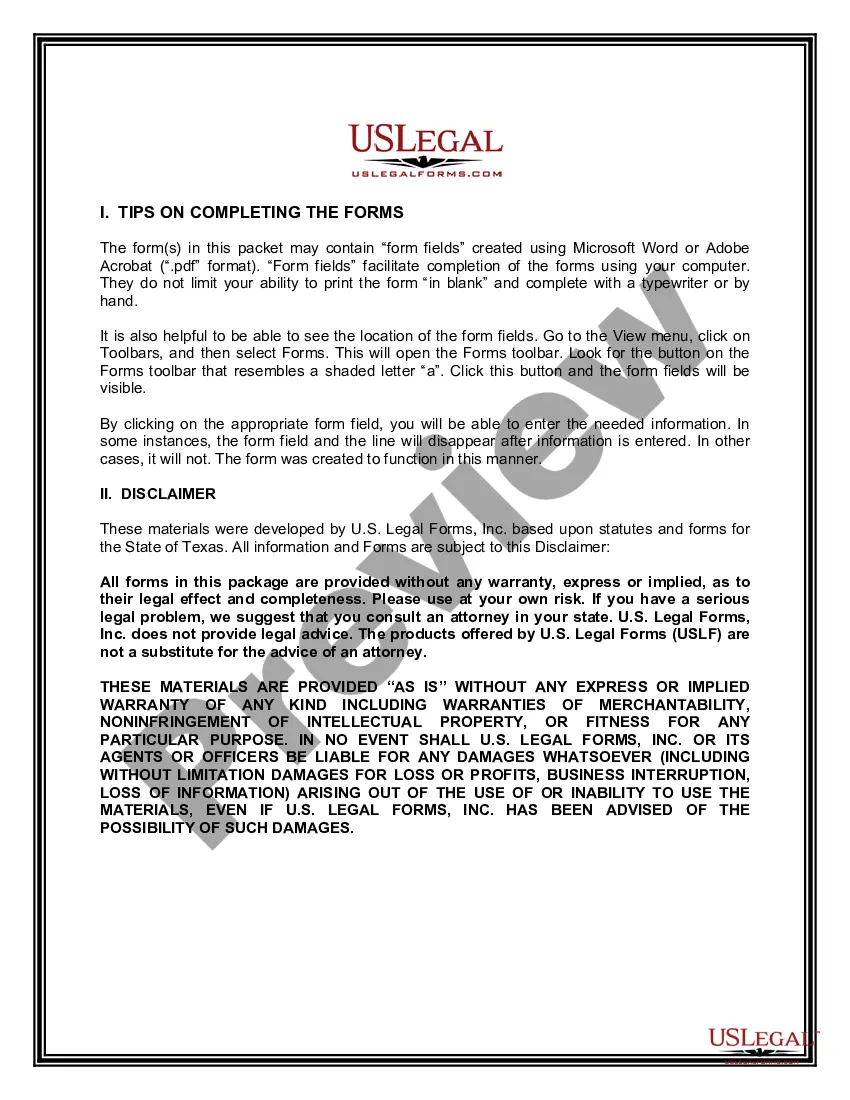
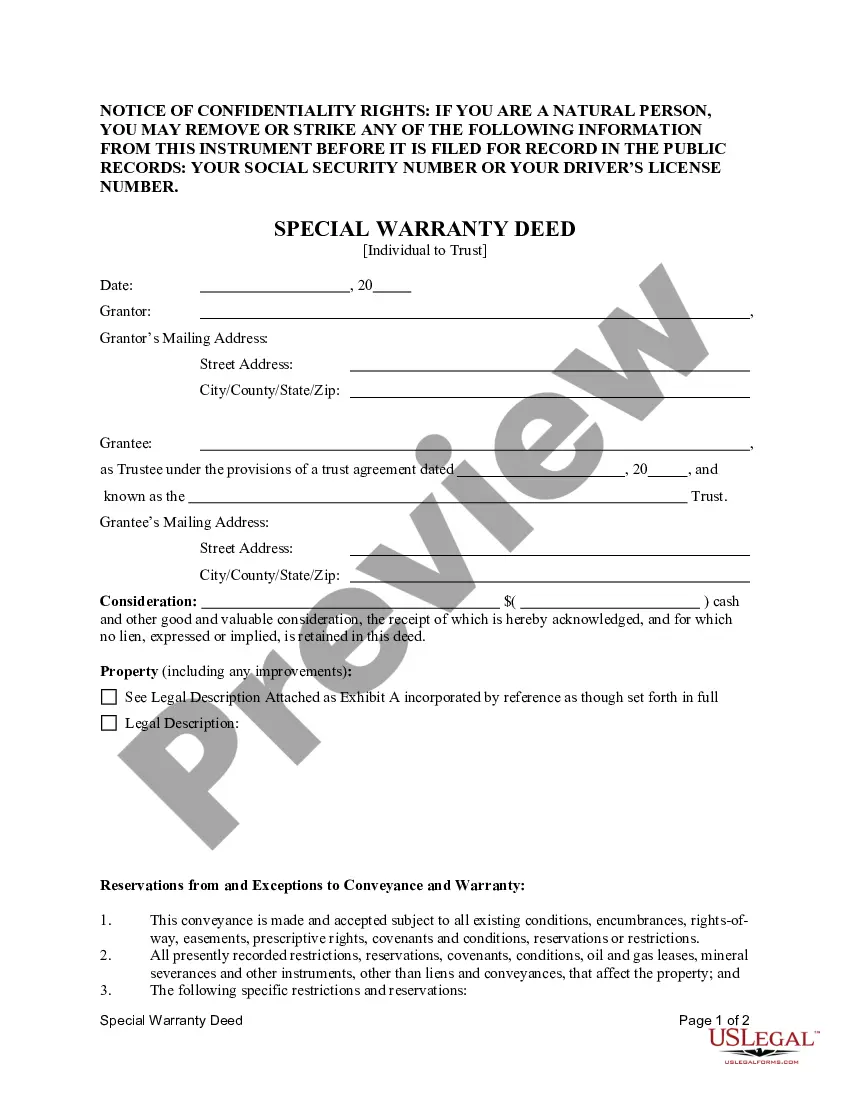
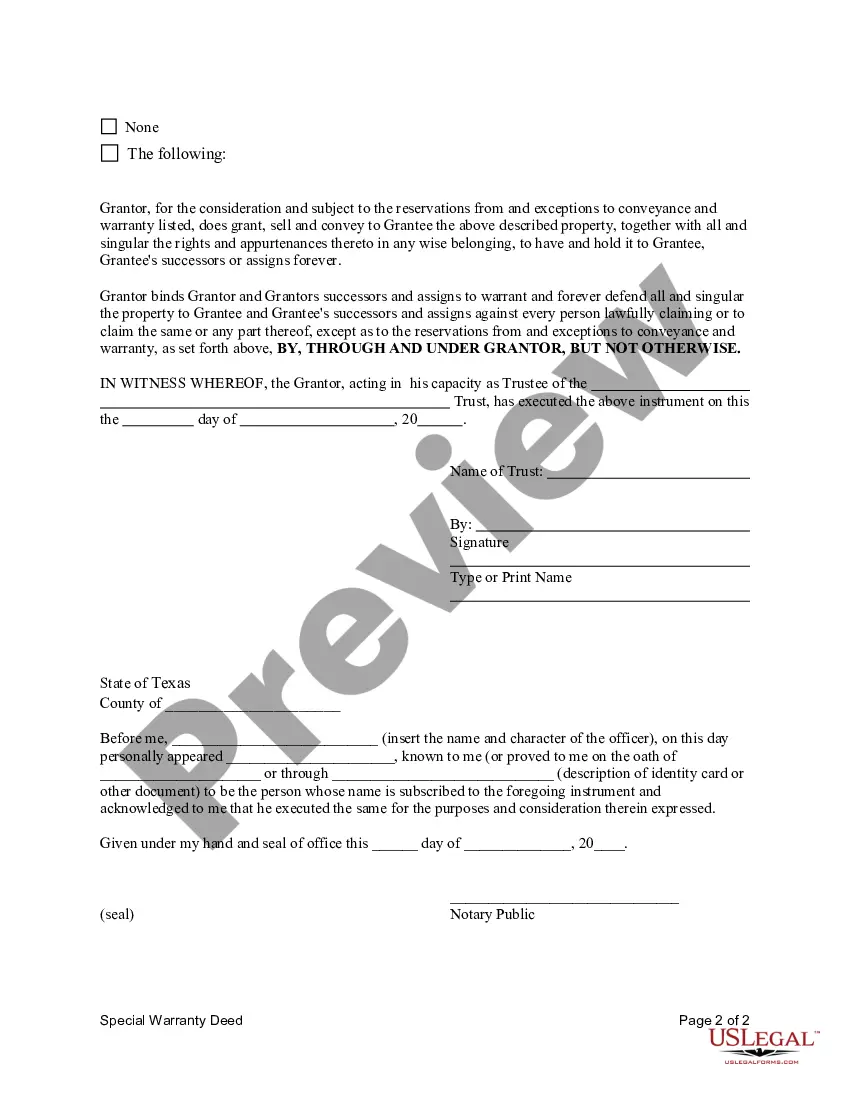
How to fill out Texas Special Warranty Deed From An Individual To A Trust?
- Visit the US Legal Forms website and log into your existing account. If you don’t have one, complete the registration process.
- Search for the Texas warranty to forgery in the preview mode. Confirm that it meets your requirements by reviewing the form description thoroughly.
- If the selected document doesn't fit, utilize the search function to find another suitable template that aligns with your needs.
- Once you have the correct form, click on the 'Buy Now' button. Choose a subscription plan that works for you, ensuring you register for access.
- Make your purchase by entering your payment details via credit card or PayPal to finalize your subscription.
- Download the form directly to your device. You'll also find it saved under the 'My Forms' section of your account for future access.
In conclusion, obtaining a Texas warranty to forgery through US Legal Forms is a straightforward process. With access to a comprehensive collection of legal documents and expert assistance, you can be confident in your choices.
Start your journey today by visiting US Legal Forms and securing the legal documentation you need.
Form popularity
FAQ
Proving forgery in court requires demonstrating that the accused party engaged in deceitful behavior with intent to defraud. This often involves presenting evidence such as handwriting analysis, witness testimonies, and the context surrounding the document in question. Gaining knowledge about the Texas warranty to forgery can strengthen your case. Utilizing services from platforms like USLegalForms can help you gather the necessary documentation and evidence for your claim.
Forgery involves the creation of false documents, whereas fraudulence can encompass a broader range of deceptive practices, including misrepresentation in various contexts. While forgery directly pertains to writing and documents, fraud may not necessarily involve written communications. Understanding the difference between these concepts, especially regarding the Texas warranty to forgery, can clarify your legal standing. If you're unsure, consider reaching out to legal experts for personalized advice.
Texas forgery law defines forgery as unlawfully making or altering a written document with the intent to defraud. This includes false signatures, creating documents with fictitious names, and other deceptive practices. The Texas warranty to forgery outlines these laws clearly, helping residents comprehend their legal rights and responsibilities. For anyone facing accusations, hiring an experienced attorney can make a significant difference in the outcome.
Rules surrounding forgery in Texas focus on the intent to defraud another party by creating, altering, or using false documents. To qualify as forgery, there must be a clear intent to deceive, along with some tangible action taken towards that end. Familiarizing yourself with the Texas warranty to forgery can help you understand how these rules apply. Consulting resources like USLegalForms can also provide valuable insight.
In Texas, the punishment for forgery can range from a Class A misdemeanor to a third-degree felony, depending on the circumstances. If the forgery involves a more serious situation, such as financial loss or identity theft, the penalties can increase significantly. Understanding the implications of the Texas warranty to forgery laws is crucial to avoid severe consequences. Always seek guidance from a qualified legal professional for specific cases.
To write up a warranty deed, start by including the names of both the grantor and grantee, along with a clear description of the property. State the type of ownership being transferred and any warranties being made. If you want to ensure compliance with Texas laws regarding warranty deeds, look into the services of US Legal Forms.
Filling out a Texas warranty deed requires accurate information about the property and the parties involved. Include details such as legal descriptions and the names of grantors and grantees. For assistance, consider using resources from US Legal Forms to guarantee your Texas warranty to forgery is filled out correctly.
Yes, you can file a warranty deed yourself in Texas. Ensure that the deed is properly completed, signed, and notarized. Filing it with the county clerk’s office guarantees your Texas warranty to forgery is on record and serves as evidence of ownership.
Typically, the seller pays for recording the warranty deed, but this can be negotiated as part of the sale. It’s advisable to clarify this matter before finalizing the transaction. Remember, proper recording solidifies the Texas warranty to forgery and protects your investment.
To record a warranty deed in Texas, you must file the completed deed with the county clerk's office. Make sure the deed is signed and notarized before submission. This recording process is crucial for establishing the Texas warranty to forgery and making your ownership official.