Texas Law Confidential Information
Description
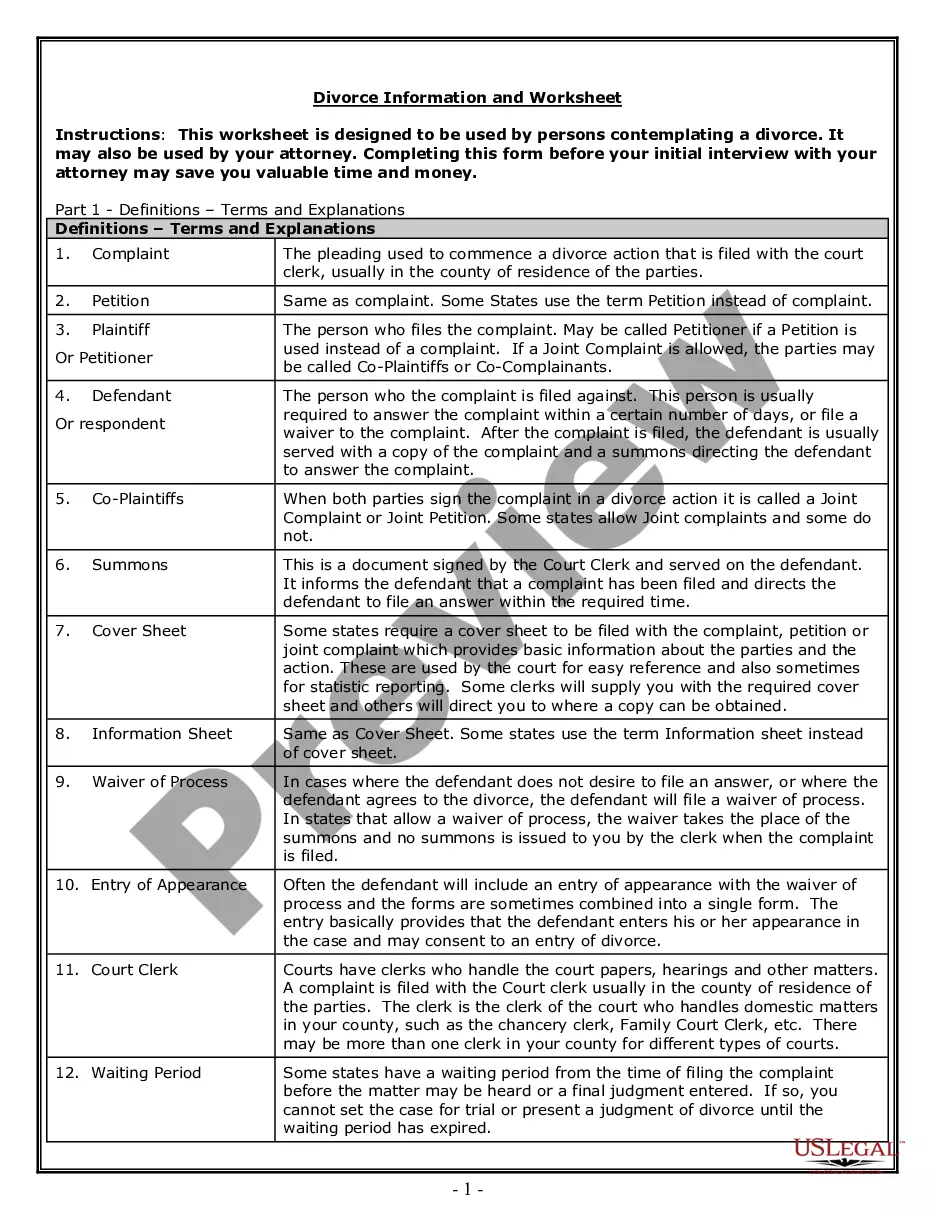
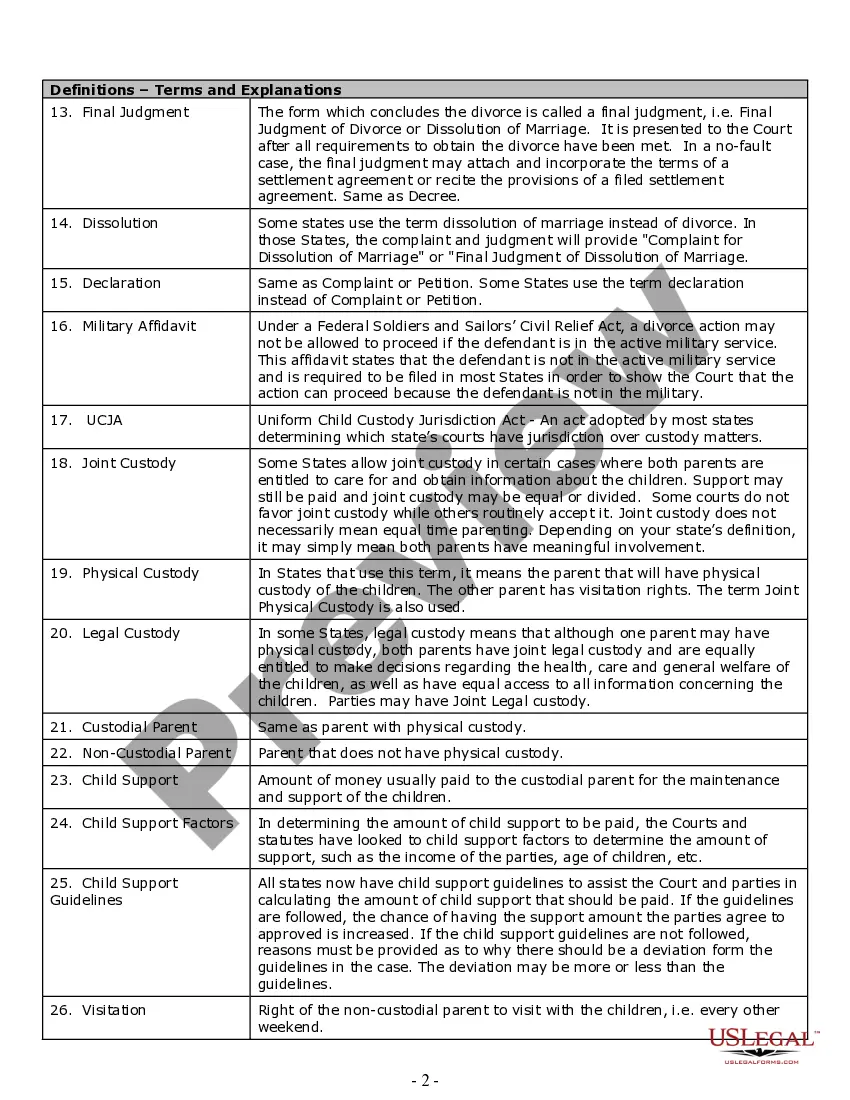
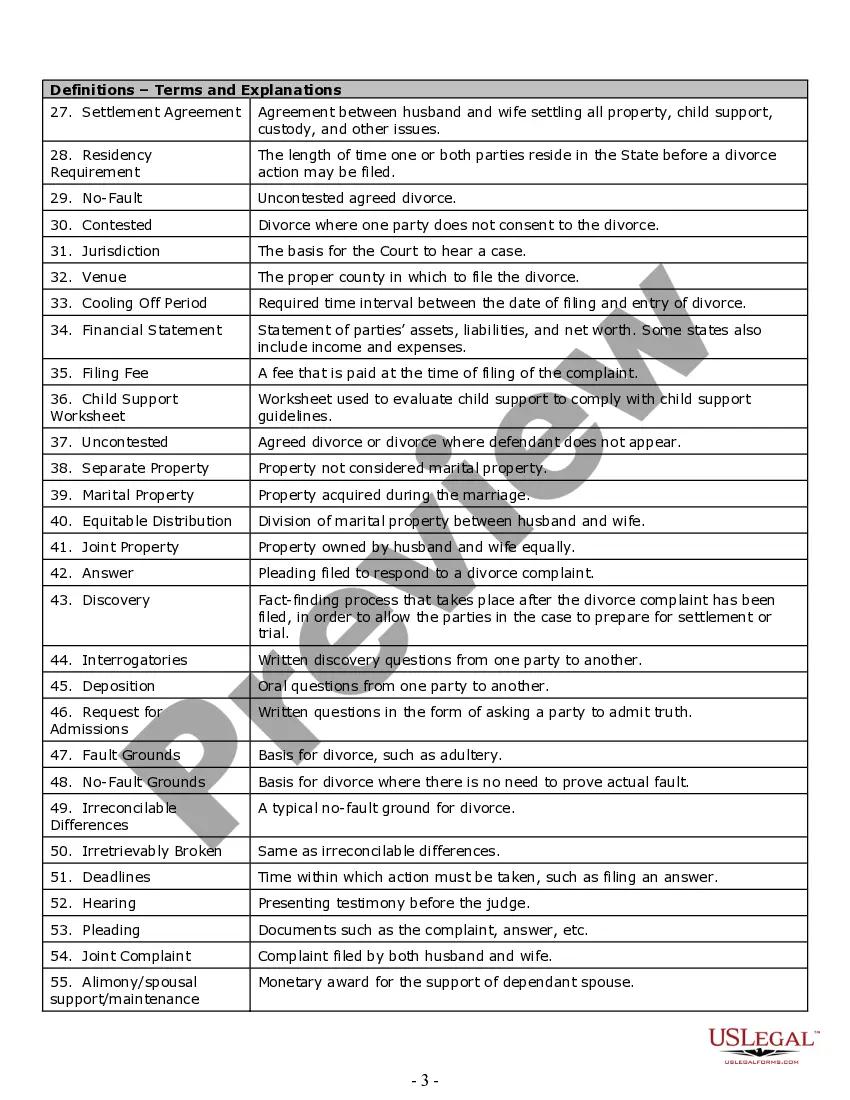
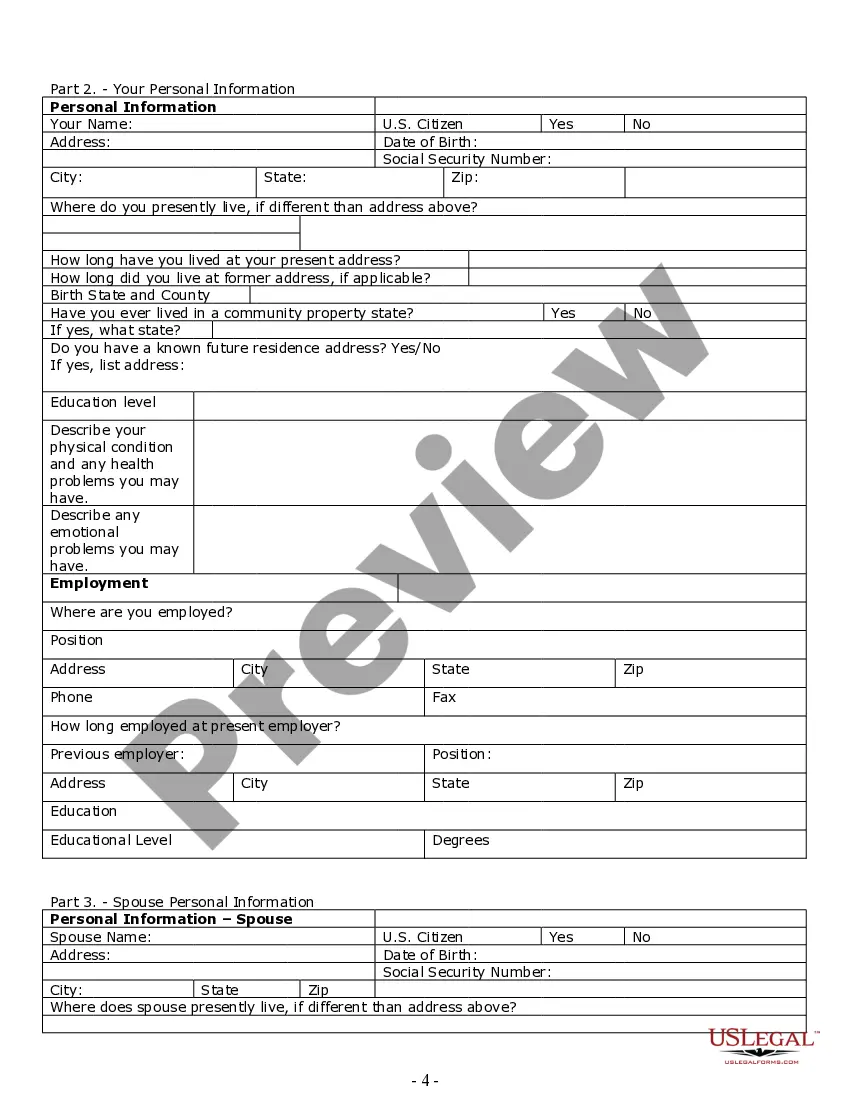
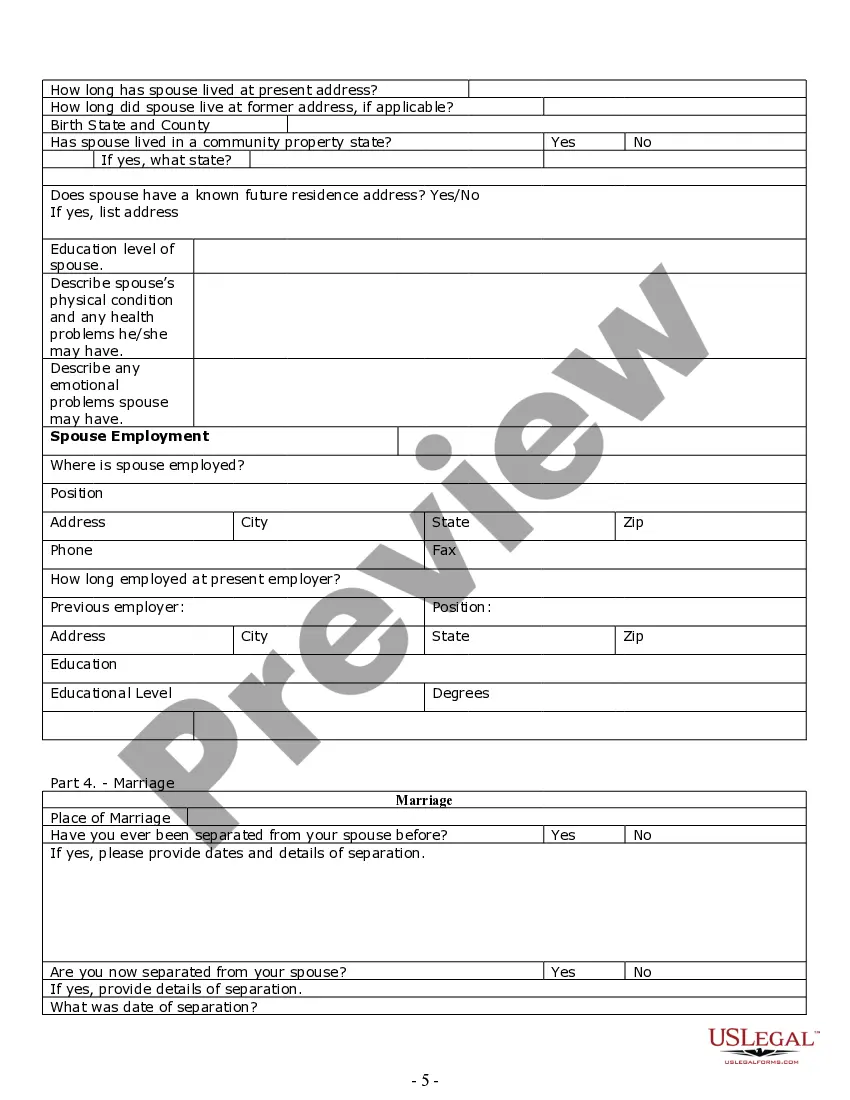
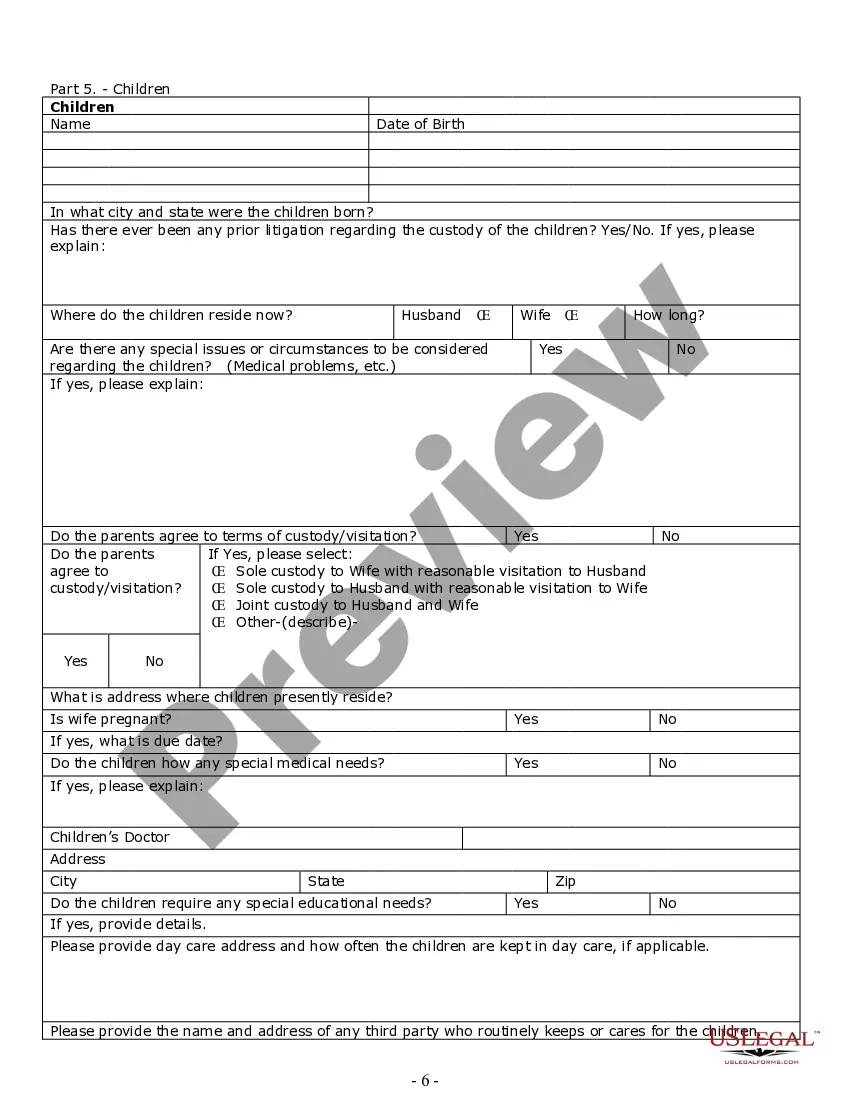
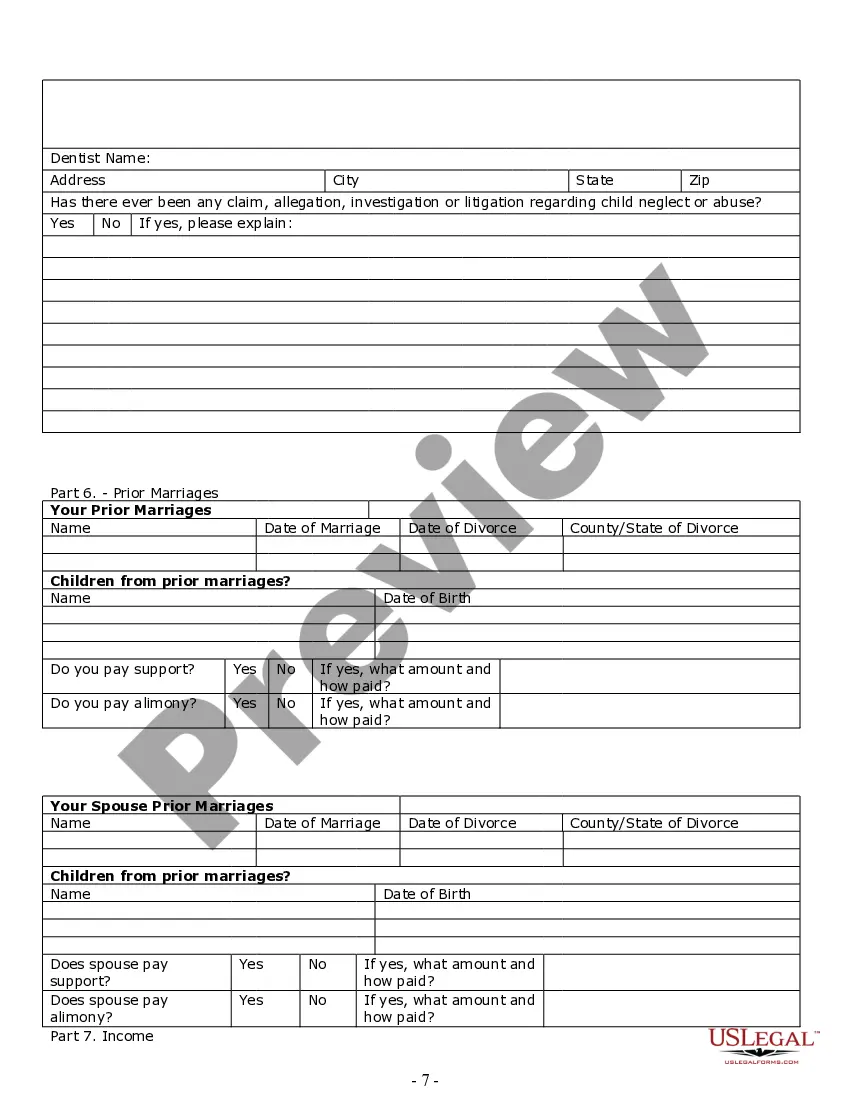
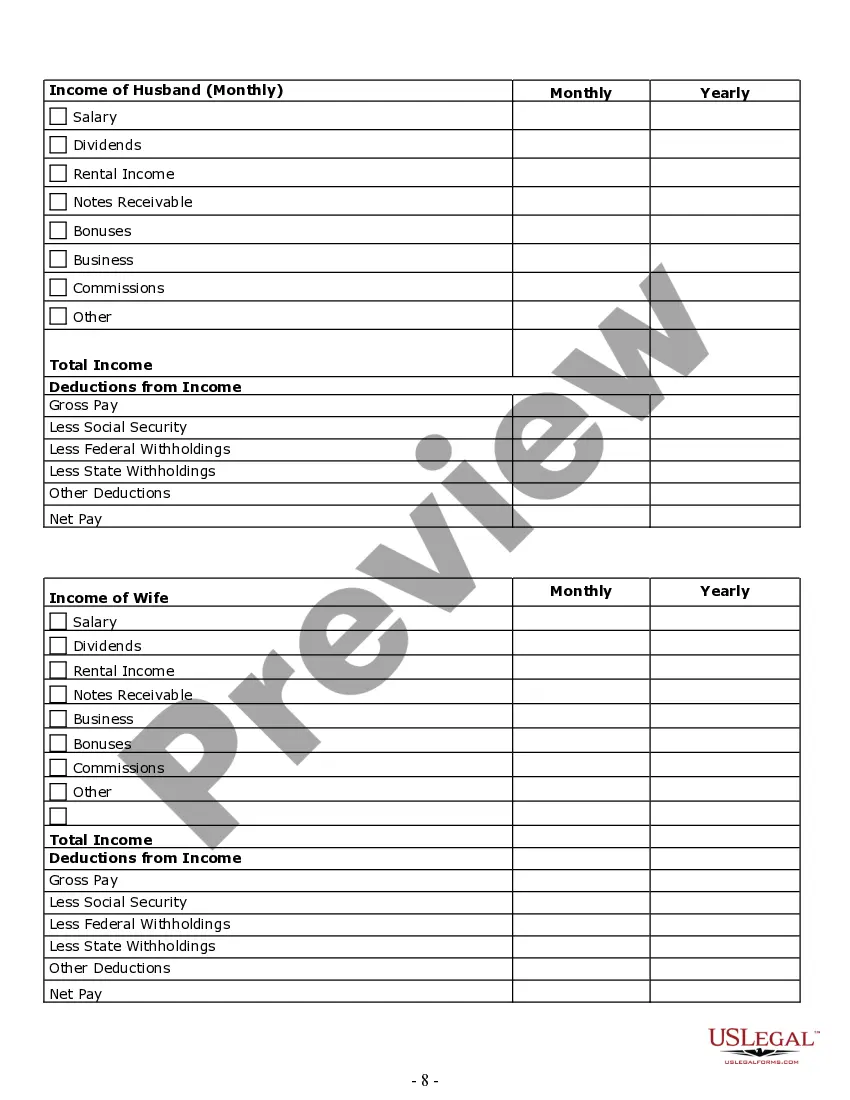


Get your form ready online
Our built-in tools help you complete, sign, share, and store your documents in one place.
Make edits, fill in missing information, and update formatting in US Legal Forms—just like you would in MS Word.
Download a copy, print it, send it by email, or mail it via USPS—whatever works best for your next step.
Sign and collect signatures with our SignNow integration. Send to multiple recipients, set reminders, and more. Go Premium to unlock E-Sign.
If this form requires notarization, complete it online through a secure video call—no need to meet a notary in person or wait for an appointment.
We protect your documents and personal data by following strict security and privacy standards.

Make edits, fill in missing information, and update formatting in US Legal Forms—just like you would in MS Word.

Download a copy, print it, send it by email, or mail it via USPS—whatever works best for your next step.

Sign and collect signatures with our SignNow integration. Send to multiple recipients, set reminders, and more. Go Premium to unlock E-Sign.

If this form requires notarization, complete it online through a secure video call—no need to meet a notary in person or wait for an appointment.

We protect your documents and personal data by following strict security and privacy standards.
Looking for another form?








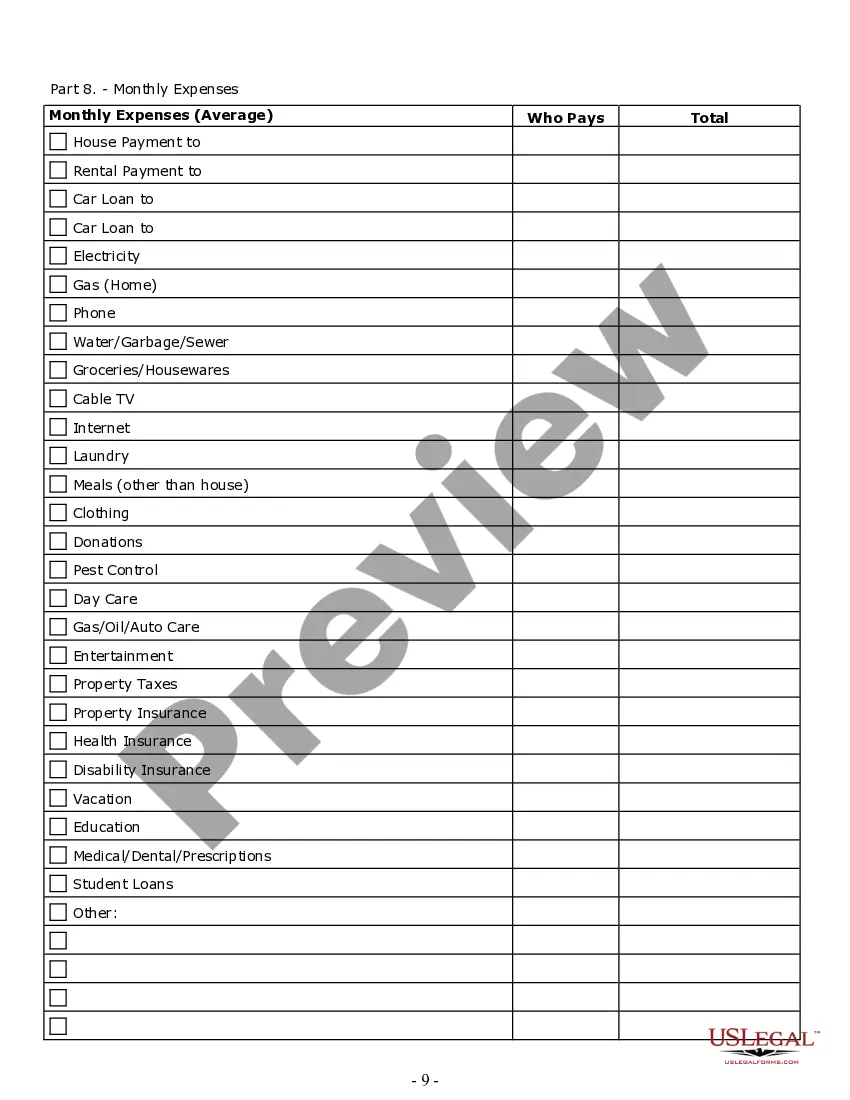
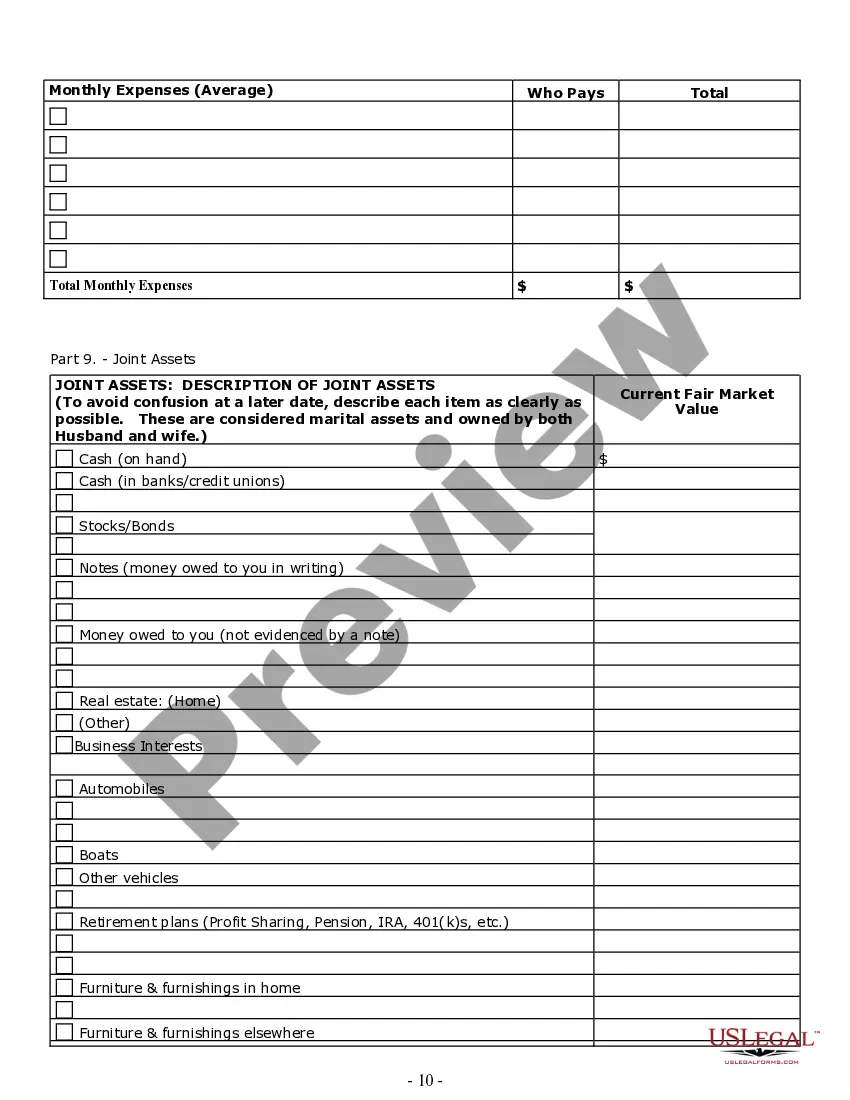
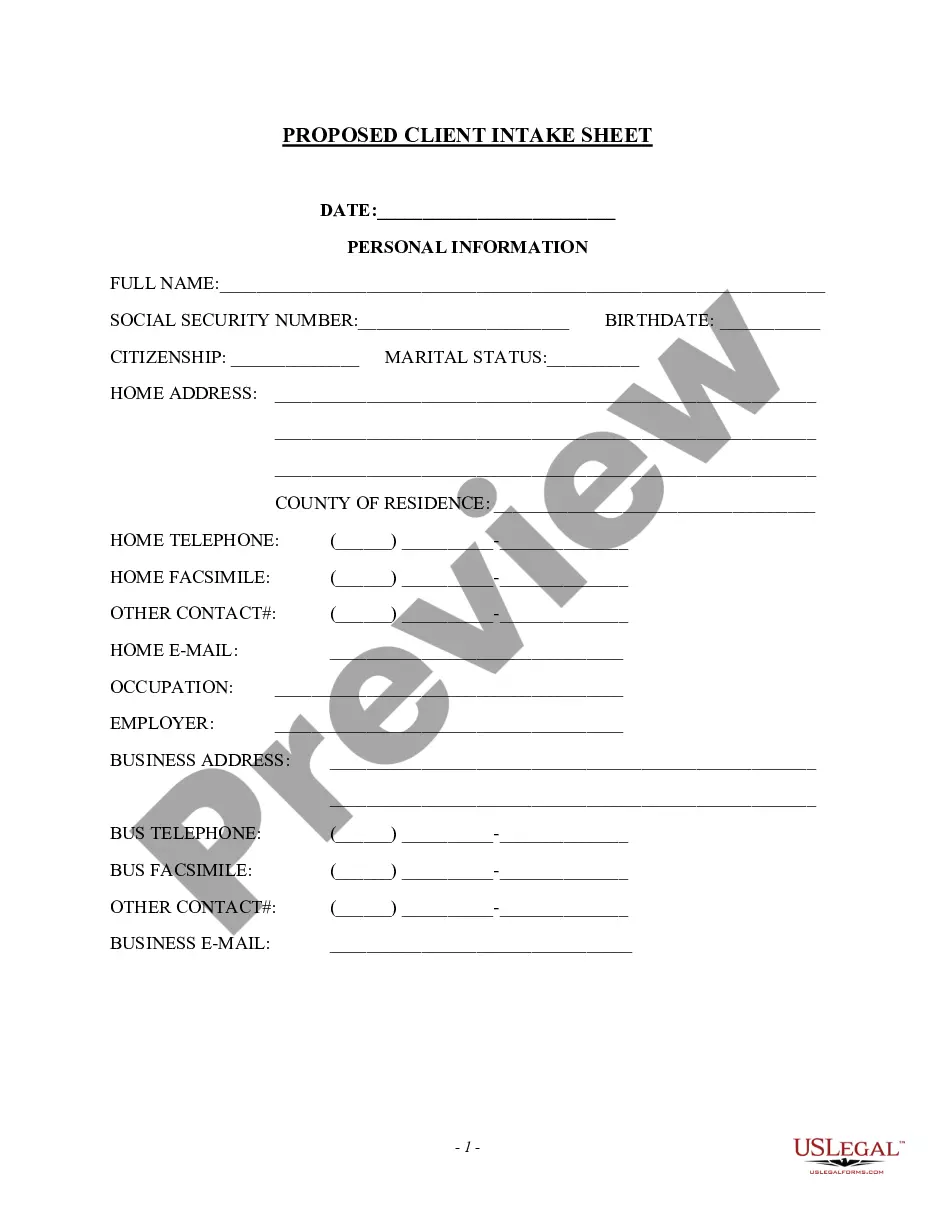
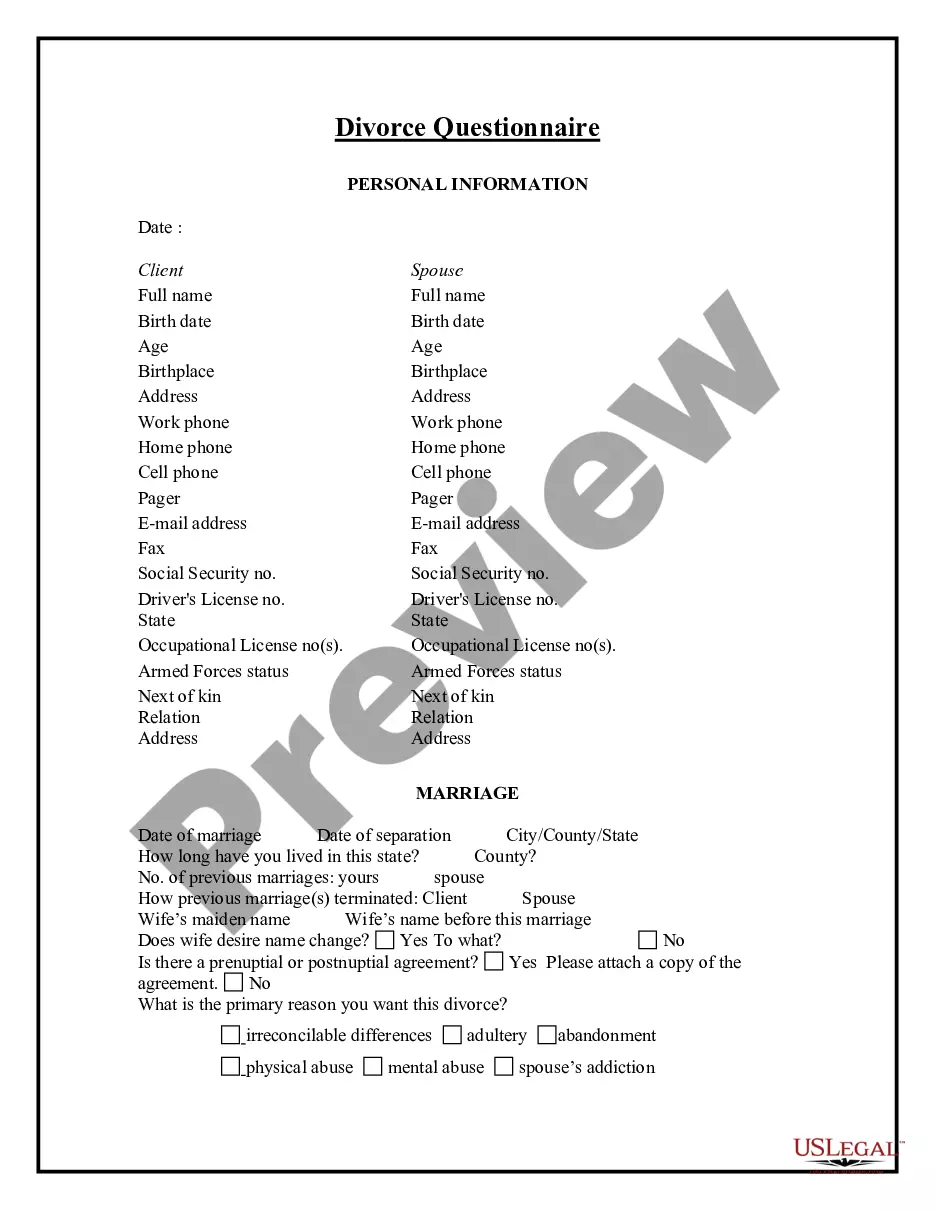
How to fill out Texas Divorce Worksheet And Law Summary For Contested Or Uncontested Case Of Over 25 Pages - Ideal Client Interview Form?
Whether for commercial objectives or personal issues, everyone must handle legal matters at some stage in their lives. Completing legal documents necessitates meticulous attention, beginning with selecting the correct form template. For instance, if you select an incorrect version of a Texas Law Confidential Information, it will be denied upon submission. Thus, it is crucial to have a reliable source of legal papers like US Legal Forms.
If you need to obtain a Texas Law Confidential Information template, follow these simple steps: Find the template you require using the search bar or catalog navigation. Review the form's details to ensure it fits your case, state, and locality. Click on the form's preview to scrutinize it. If it is the incorrect form, return to the search function to locate the Texas Law Confidential Information sample you need. Download the template once it aligns with your requirements. If you already possess a US Legal Forms account, simply click Log in to access previously saved templates in My documents. If you do not have an account yet, you can acquire the form by clicking Buy now. Select the suitable pricing option. Complete the account registration form. Choose your payment method: use a credit card or PayPal account. Select the file format you prefer and download the Texas Law Confidential Information. Once saved, you can fill out the form using editing software or print it and complete it manually.
- With a vast US Legal Forms catalog available, you never need to waste time searching for the right template online.
- Utilize the library's straightforward navigation to find the suitable form for any circumstance.
Form popularity
FAQ
Must There Be a Contract Requiring Confidentiality? The short answer is ?no.? Whether in writing or not, Texas law prohibits you from using or ?disclosing,? i.e., letting anyone know, confidential information that you learned while employed by a company.
Three main categories of confidential information exist: business, employee and management information. It is important to keep confidential information confidential as noted in the subcategories below. Customer lists: Should someone get a hold of your customer list, they could steal customers from you.
Here are some examples of confidential information: Name, date of birth, age, sex, and address. Current contact details of family. Bank information. Medical history or records. Personal care issues. Service records and file progress notes. Personal goals. Assessments or reports.
One way to indicate confidentiality and sensitivity is to use labels on the letter and the envelope, such as "Confidential", "Personal", "Private", or "Sensitive". These labels should be placed on the top or bottom of the letter, and on the front or back of the envelope.
Here is a list of common types of information that is confidential by law. Dates of birth of living persons. Driver's license numbers. License plate numbers. Credit card numbers.