Texas Correction Form Application For Inmate
Description
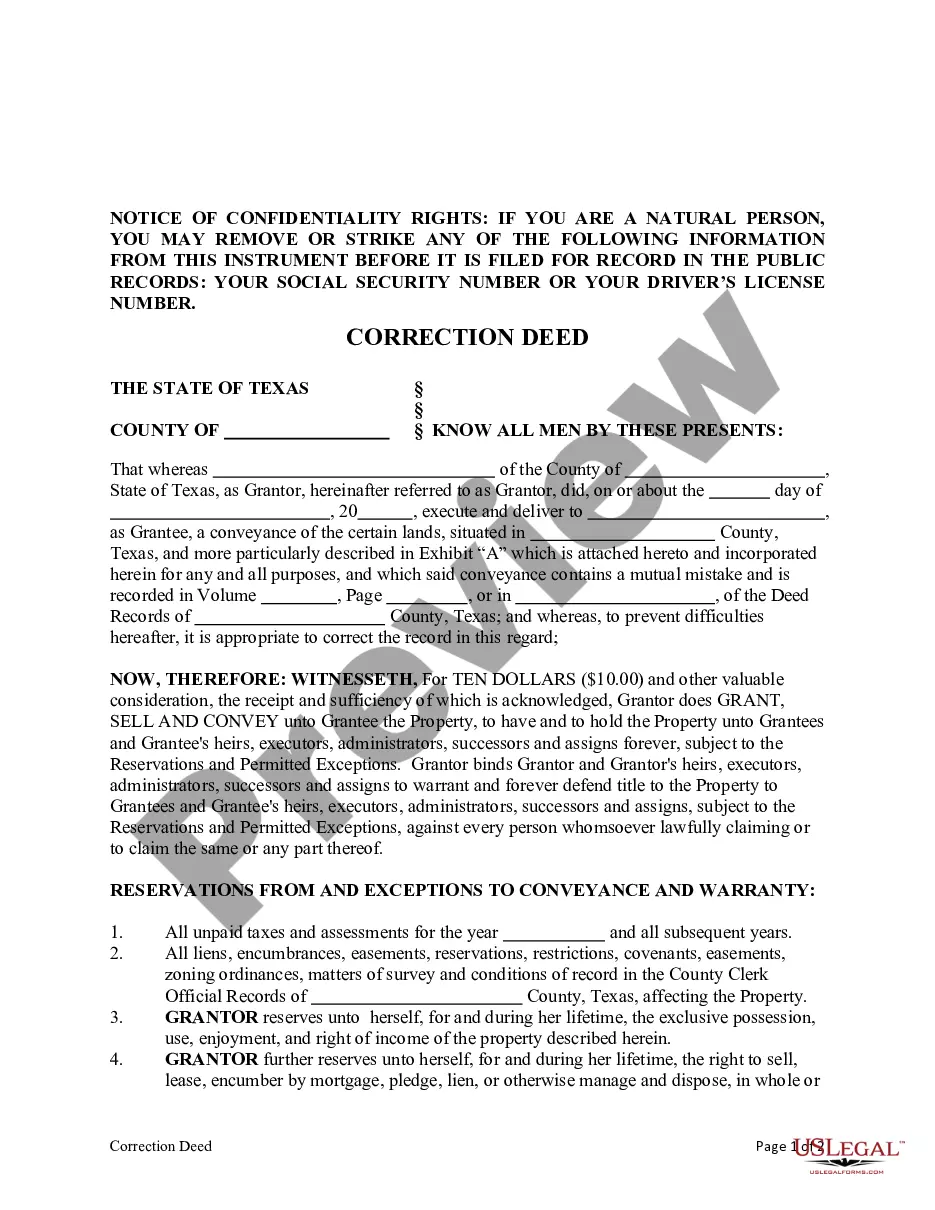
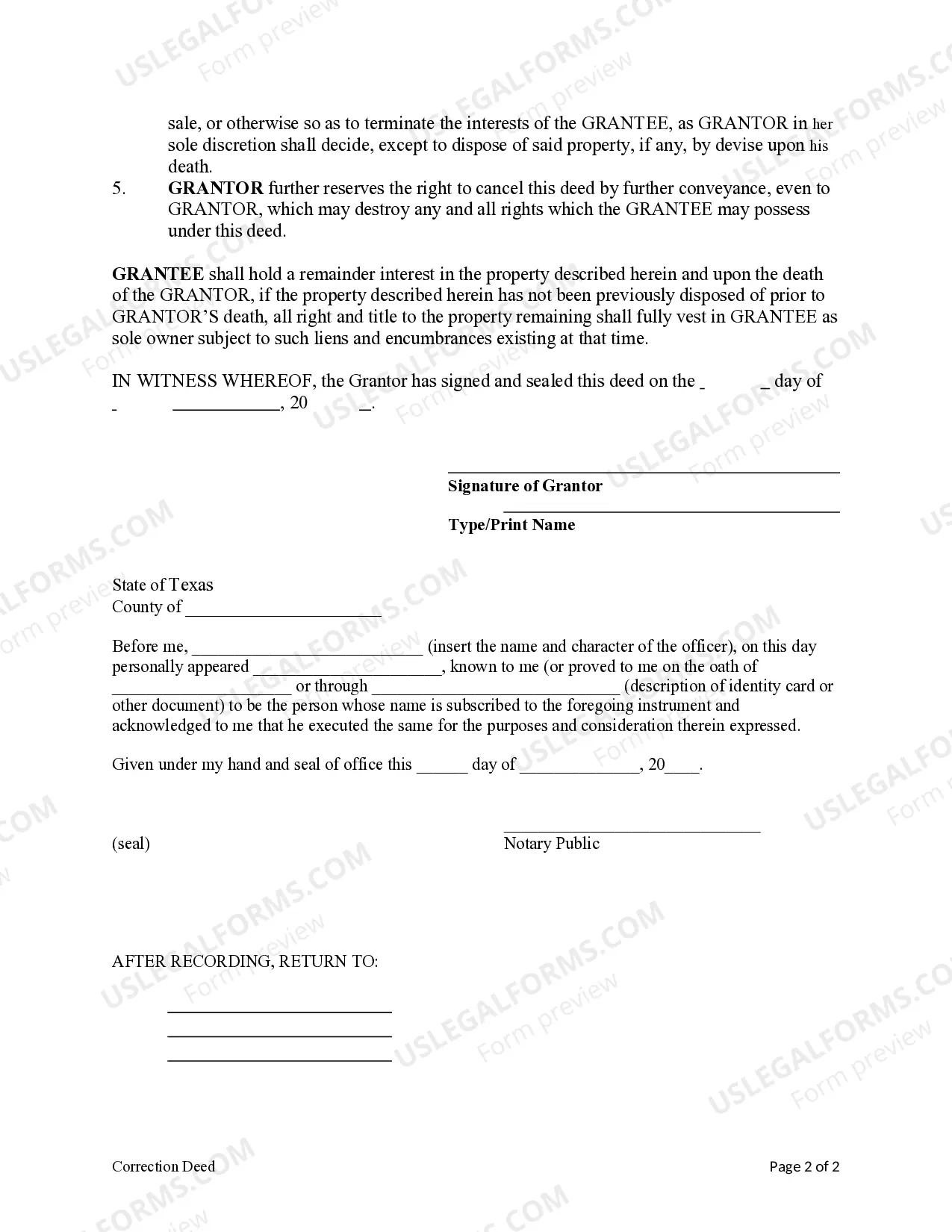
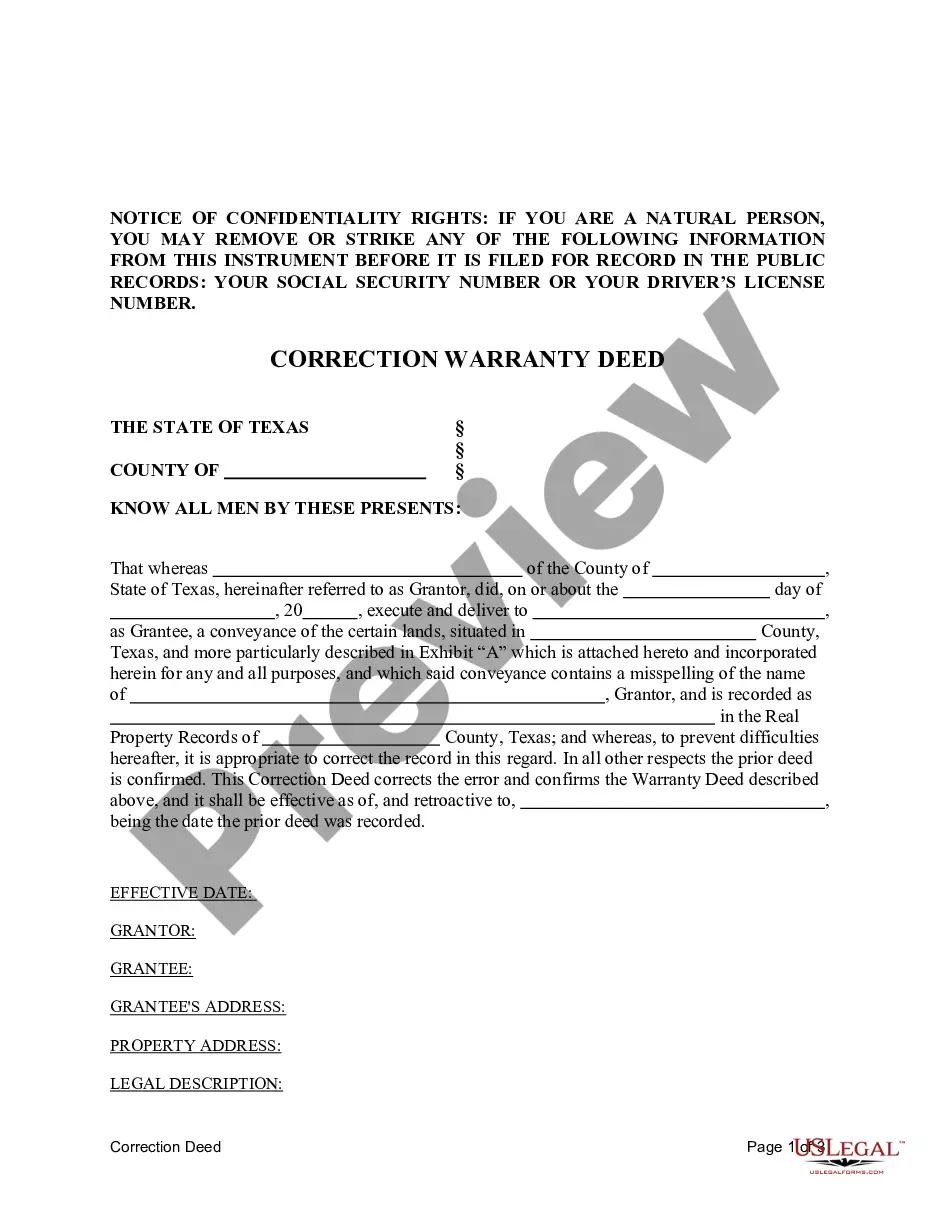
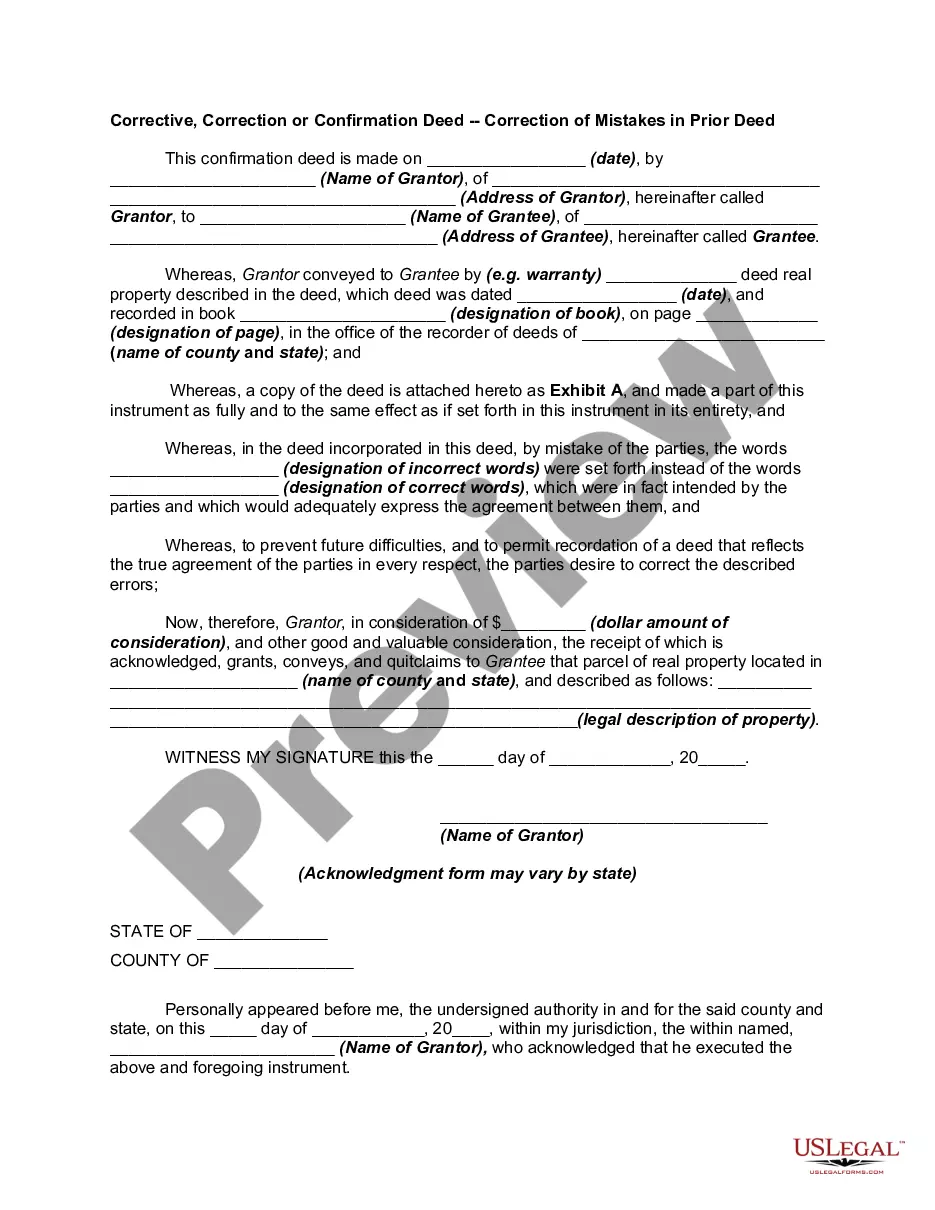

Get your form ready online
Our built-in tools help you complete, sign, share, and store your documents in one place.
Make edits, fill in missing information, and update formatting in US Legal Forms—just like you would in MS Word.
Download a copy, print it, send it by email, or mail it via USPS—whatever works best for your next step.
Sign and collect signatures with our SignNow integration. Send to multiple recipients, set reminders, and more. Go Premium to unlock E-Sign.
If this form requires notarization, complete it online through a secure video call—no need to meet a notary in person or wait for an appointment.
We protect your documents and personal data by following strict security and privacy standards.

Make edits, fill in missing information, and update formatting in US Legal Forms—just like you would in MS Word.

Download a copy, print it, send it by email, or mail it via USPS—whatever works best for your next step.

Sign and collect signatures with our SignNow integration. Send to multiple recipients, set reminders, and more. Go Premium to unlock E-Sign.

If this form requires notarization, complete it online through a secure video call—no need to meet a notary in person or wait for an appointment.

We protect your documents and personal data by following strict security and privacy standards.
Looking for another form?







How to fill out Texas Correction Deed - Prior Deed From An Individual To An Individual?
- If you're a returning user, log in to your account and check that your subscription is still active. Download the required form template by clicking on the Download button.
- For new users, first verify the Preview mode and description of the form you need. Ensure it fits your specific requirements and complies with local laws.
- If there are discrepancies, utilize the Search tab to find an alternative template that suits your needs better.
- Proceed to purchase the document by clicking the Buy Now button. Select your desired subscription plan.
- Complete your payment using your credit card or PayPal to access the form.
- Finally, download your completed template and find it anytime in the My Forms section of your profile.
With US Legal Forms, users enjoy access to a robust collection of over 85,000 fillable legal forms and packages, surpassing competitors. Additionally, you can consult premium experts for guidance throughout the process.
This service streamlines the documentation process, ensuring that you have the right forms when you need them. Start your journey today with US Legal Forms!
Form popularity
FAQ
During visitation in Texas, physical contact with inmates is usually restricted, including hugging. Inmates often have limited interactions with visitors to maintain safety and security within the facility. It’s essential to check the specific visitation rules of the institution before your visit. Using the Texas correction form application for inmate can help you stay informed about these regulations and ensure a smooth visitation experience.
An I60 form in Texas Department of Criminal Justice (TDCJ) is a request form used by inmates to communicate needs and requests to the facility staff. This may involve requests for medical care, change of cell, or other specific issues. Understanding how to fill out this form can help ensure that an inmate's needs are addressed promptly. The Texas correction form application for inmate can offer additional resources on how to navigate this process effectively.
When writing to an inmate, avoid including any threats, illegal information, or instructions on how to escape. It's also important not to write about criminal activity or include any sensitive personal information that could compromise your safety. Familiarize yourself with the specific rules of the facility, as they set forth guidelines on acceptable content. The Texas correction form application for inmate may offer guidance on what to avoid.
To write to a Texas inmate, use their official address that includes the prison name, inmate's name, and inmate number. Ensure that your letter is in a simple format, avoiding any prohibited items or content that could cause issues. Following the rules of the facility is essential for successful communication. Utilizing the Texas correction form application for inmate can provide you with tips and templates to make writing easier.
When writing a letter to an inmate for the first time, begin by addressing them clearly, using their full name and inmate number. Start with a friendly greeting and introduce yourself, mentioning your relationship to help them feel connected. Keep your message positive and supportive, and remember to follow any guidelines specific to the facility. Using the Texas correction form application for inmate can also enhance how you structure your letters.
The Texas correction form application for inmate allows families and friends to stay connected through messaging apps designed for inmate communication. These platforms often provide features such as sending photos and letters directly to inmates. By using such an app, you can bridge the gap and maintain a supportive connection with your loved one. It's a convenient way to ensure your messages reach them efficiently.
A hardship transfer allows Texas inmates to relocate to a different facility under specific circumstances that create undue burden or hardship for them or their families. Common reasons for such transfers include medical needs, family emergencies, or significant life events that affect the inmate's well-being. Inmates interested in applying for a hardship transfer must complete a Texas correction form application for inmate, ensuring they provide adequate documentation to support their request. This process helps inmates find relief and support during challenging times.
An i60 is a specific request form used by inmates in the Texas Department of Criminal Justice (TDCJ) to communicate their needs or concerns to the facility staff. This form allows inmates to formally request various services or report issues concerning their stay. When completing an i60, inmates should be clear and concise to help ensure a timely response from the authorities. Utilizing a Texas correction form application for inmate can also assist in addressing concerns that may arise during incarceration.
A special visit at the Texas Department of Criminal Justice (TDCJ) refers to visits that occur under specific conditions, often approved for circumstances beyond regular visitation policies. This may include visits for family emergencies or other significant reasons. To facilitate a special visit, one typically needs to submit a Texas correction form application for inmate to request approval. It's essential to check with TDCJ for the documentation required, as each case may differ.