Texas Divorce Form Texas For Child
Description
Get your form ready online
Our built-in tools help you complete, sign, share, and store your documents in one place.
Make edits, fill in missing information, and update formatting in US Legal Forms—just like you would in MS Word.
Download a copy, print it, send it by email, or mail it via USPS—whatever works best for your next step.
Sign and collect signatures with our SignNow integration. Send to multiple recipients, set reminders, and more. Go Premium to unlock E-Sign.
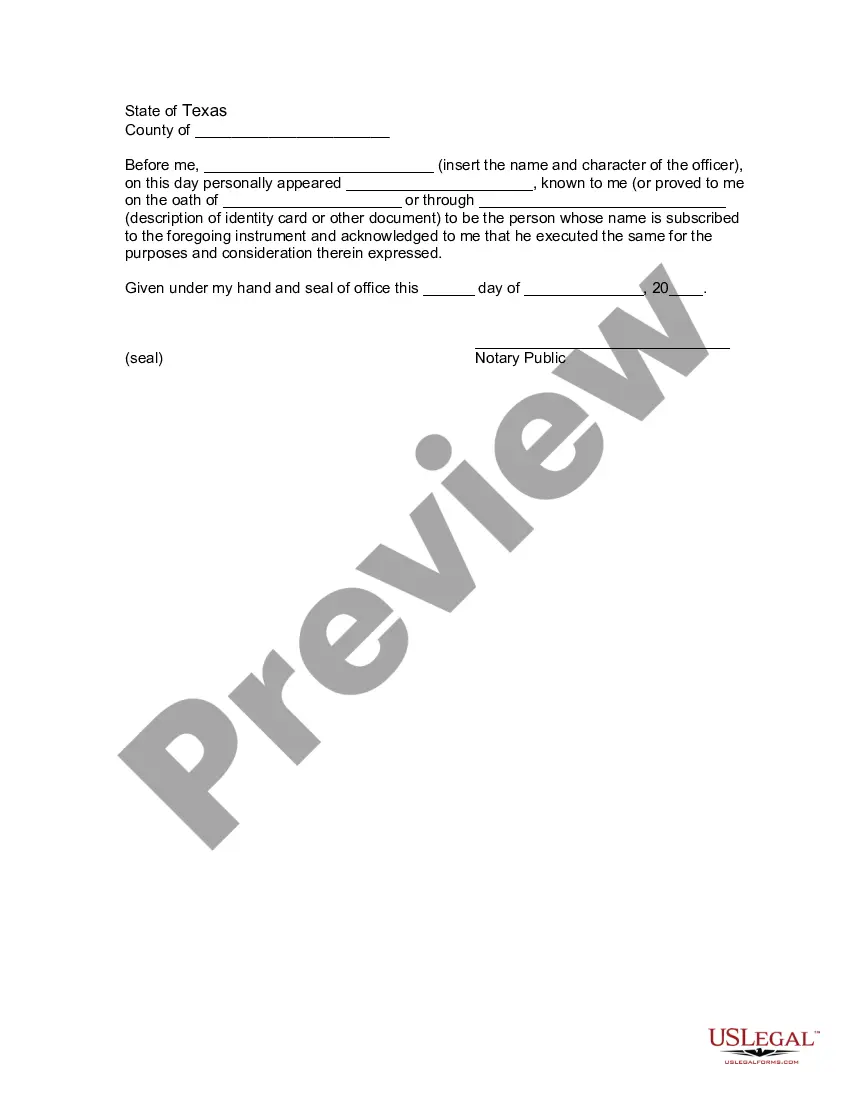
If this form requires notarization, complete it online through a secure video call—no need to meet a notary in person or wait for an appointment.
We protect your documents and personal data by following strict security and privacy standards.

Make edits, fill in missing information, and update formatting in US Legal Forms—just like you would in MS Word.

Download a copy, print it, send it by email, or mail it via USPS—whatever works best for your next step.

Sign and collect signatures with our SignNow integration. Send to multiple recipients, set reminders, and more. Go Premium to unlock E-Sign.

If this form requires notarization, complete it online through a secure video call—no need to meet a notary in person or wait for an appointment.

We protect your documents and personal data by following strict security and privacy standards.
Looking for another form?

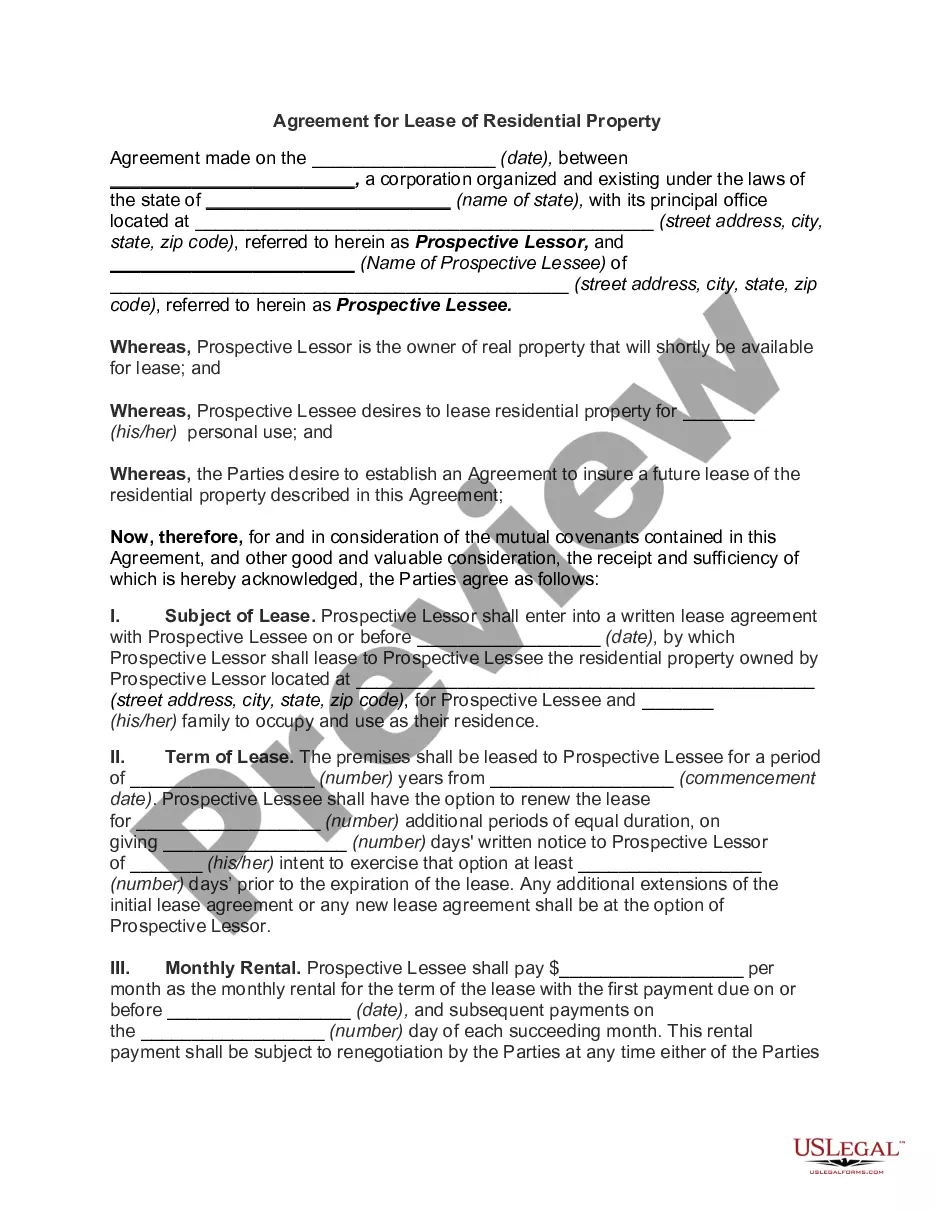





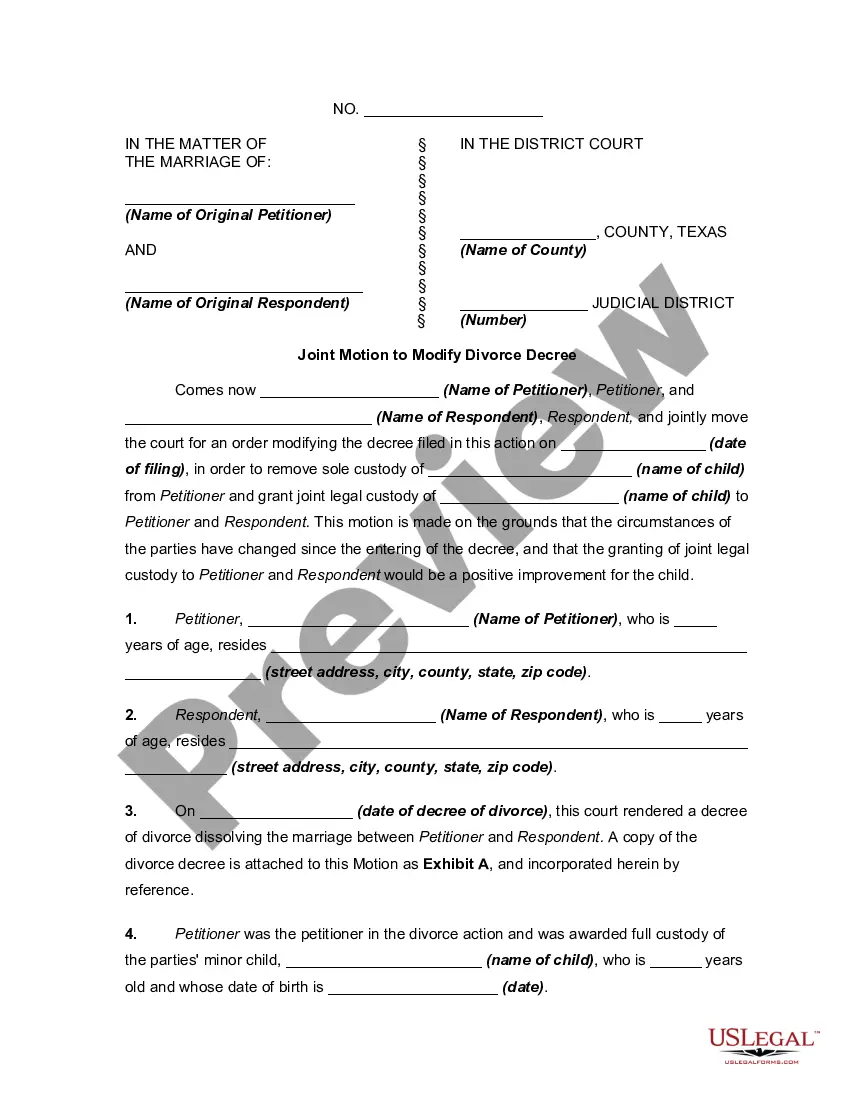
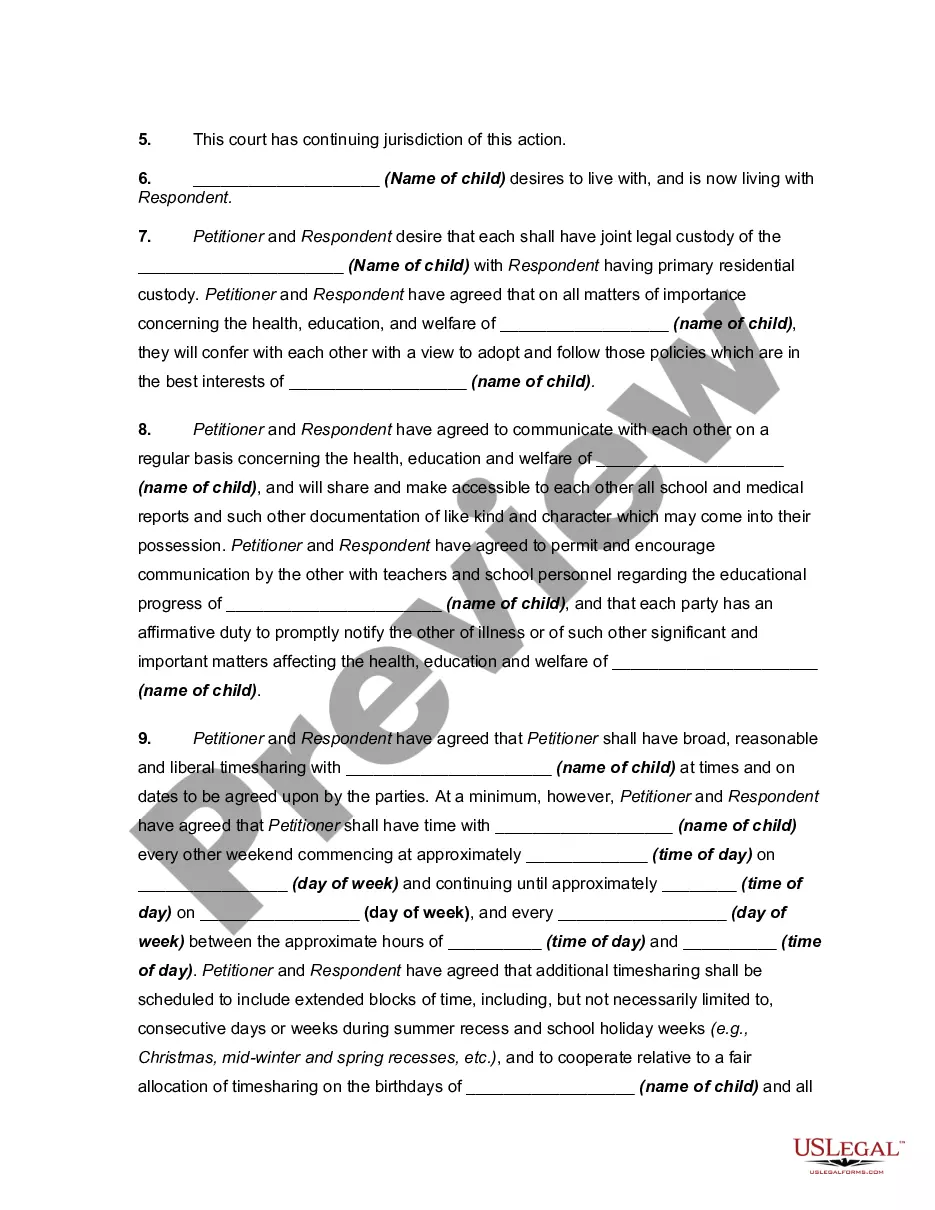
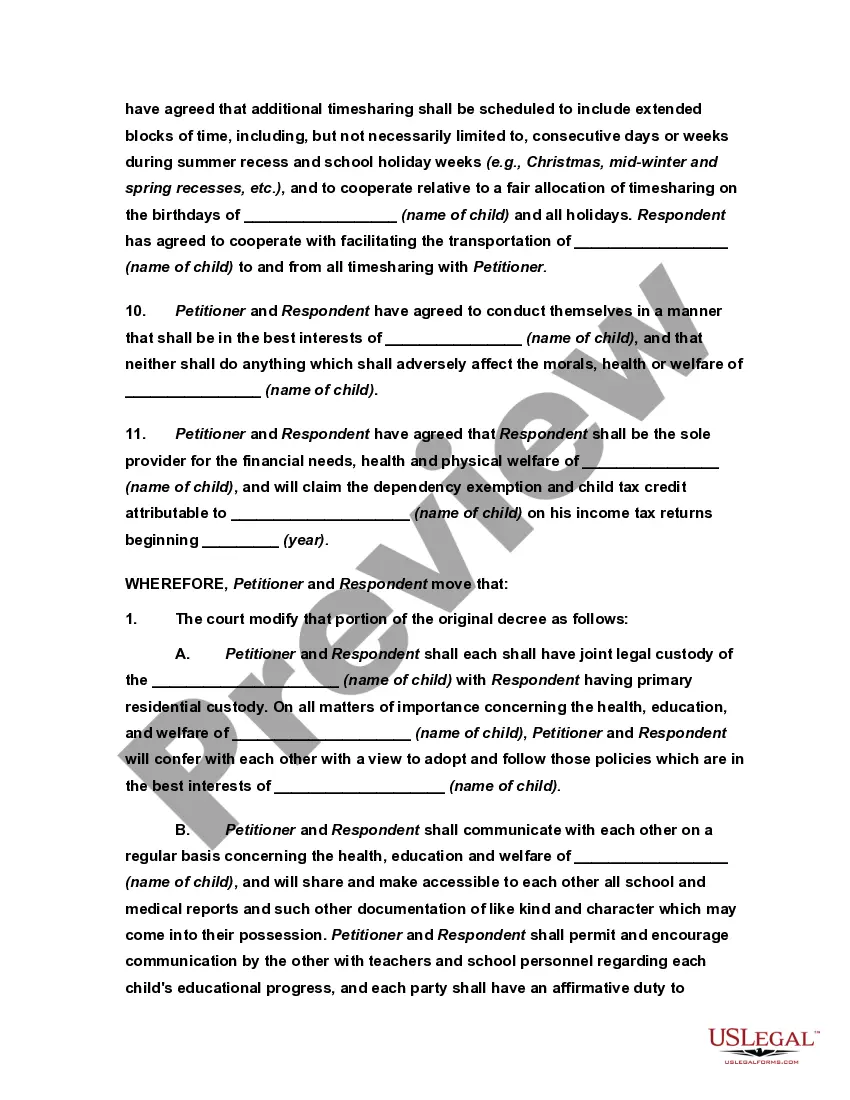
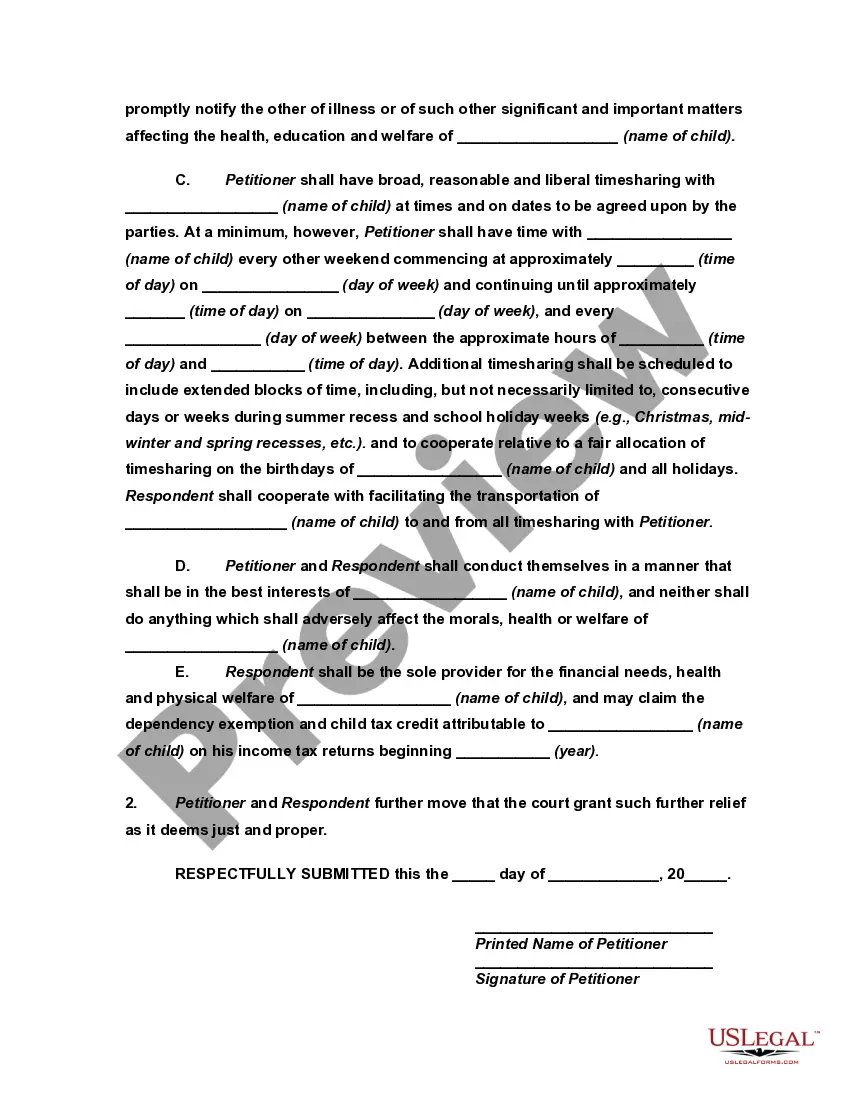
How to fill out Texas Joint Motion To Modify Or Amend Divorce Decree?
It’s clear that you cannot become a legal authority instantly, nor can you understand how to swiftly prepare Texas Divorce Form Texas For Child without a specialized knowledge base.
Creating legal documents is a lengthy procedure that necessitates specific training and expertise. So why not entrust the creation of the Texas Divorce Form Texas For Child to the professionals.
With US Legal Forms, one of the most extensive legal document repositories, you can obtain anything from court filings to templates for internal corporate communication. We recognize how vital compliance and adherence to federal and state laws and regulations are.
Sign up for a free account and select a subscription plan to purchase the template.
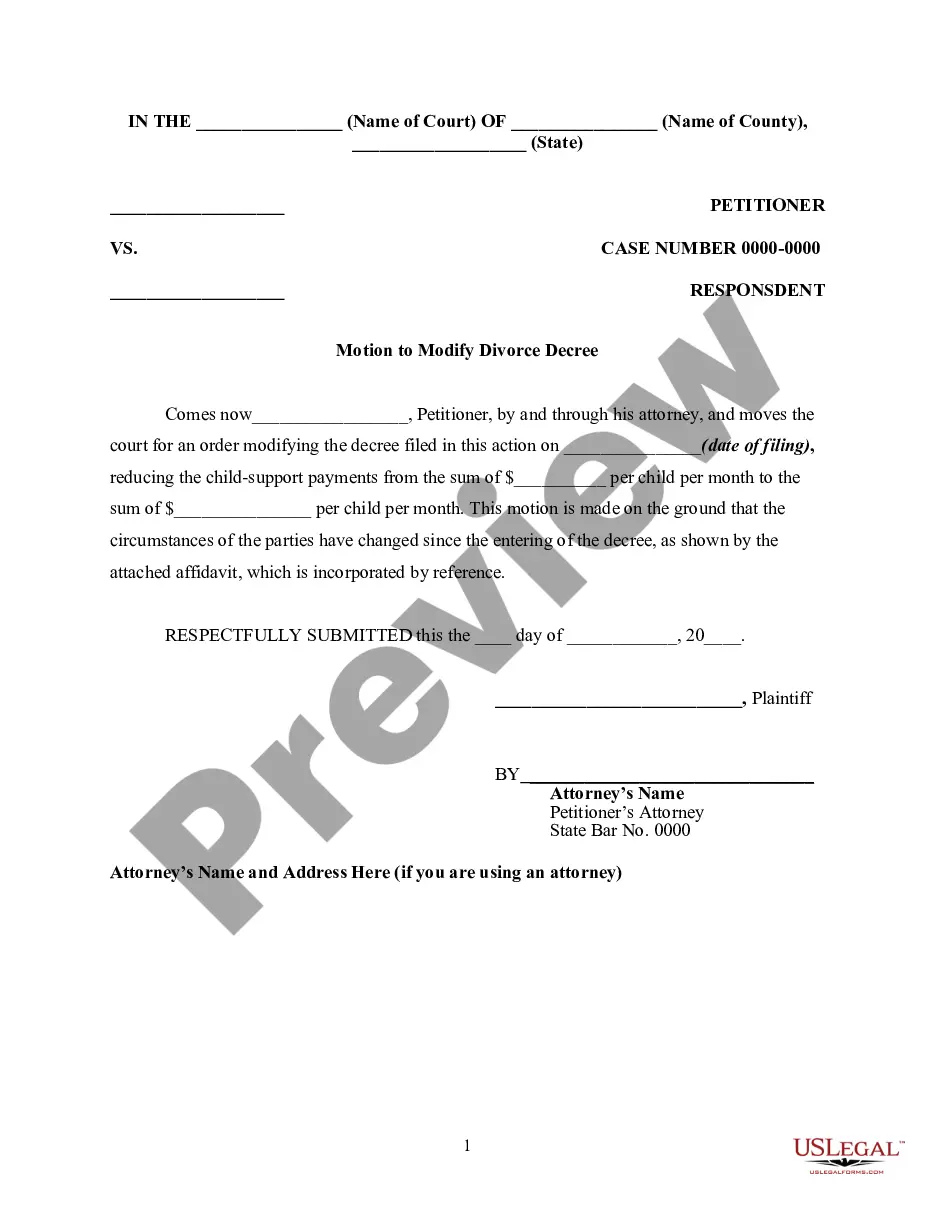
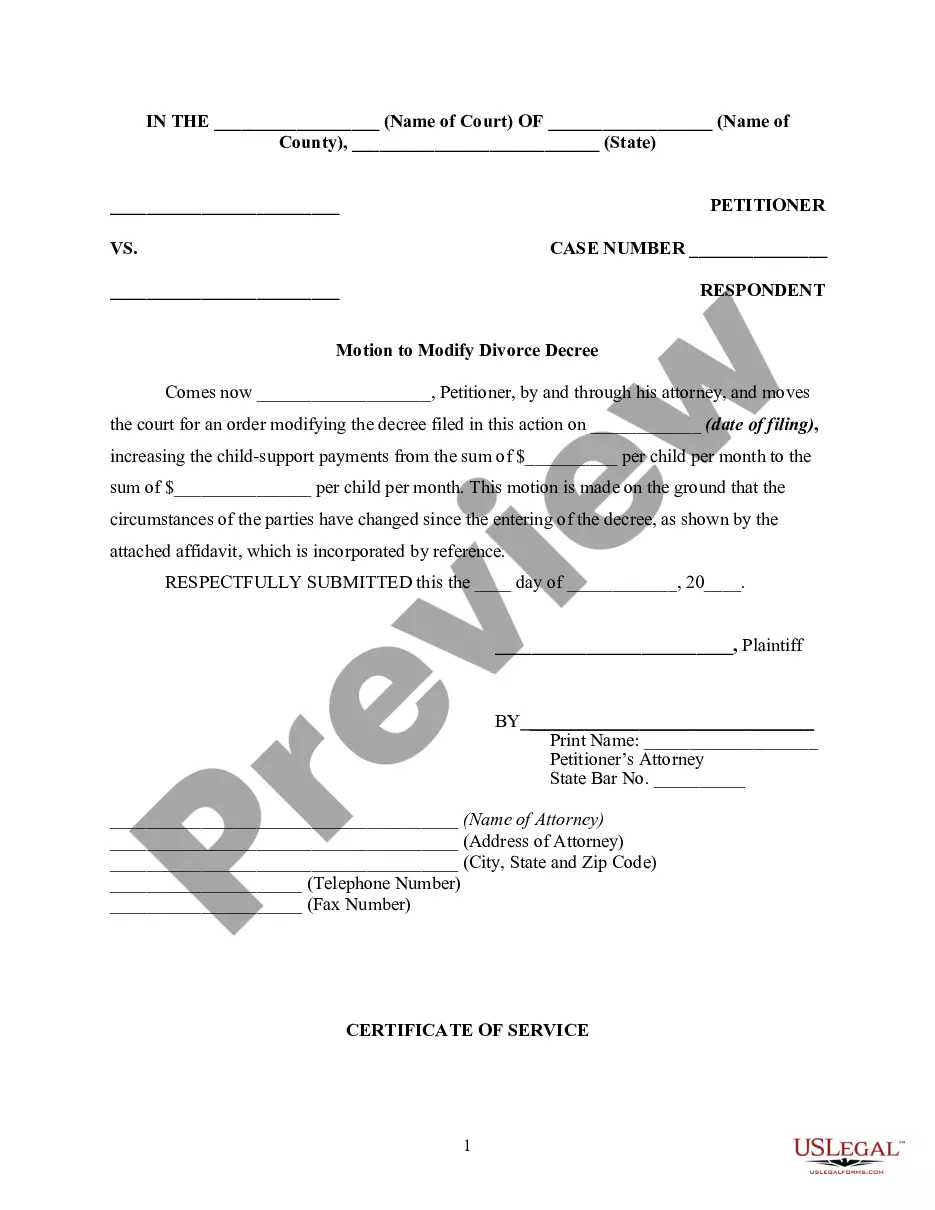
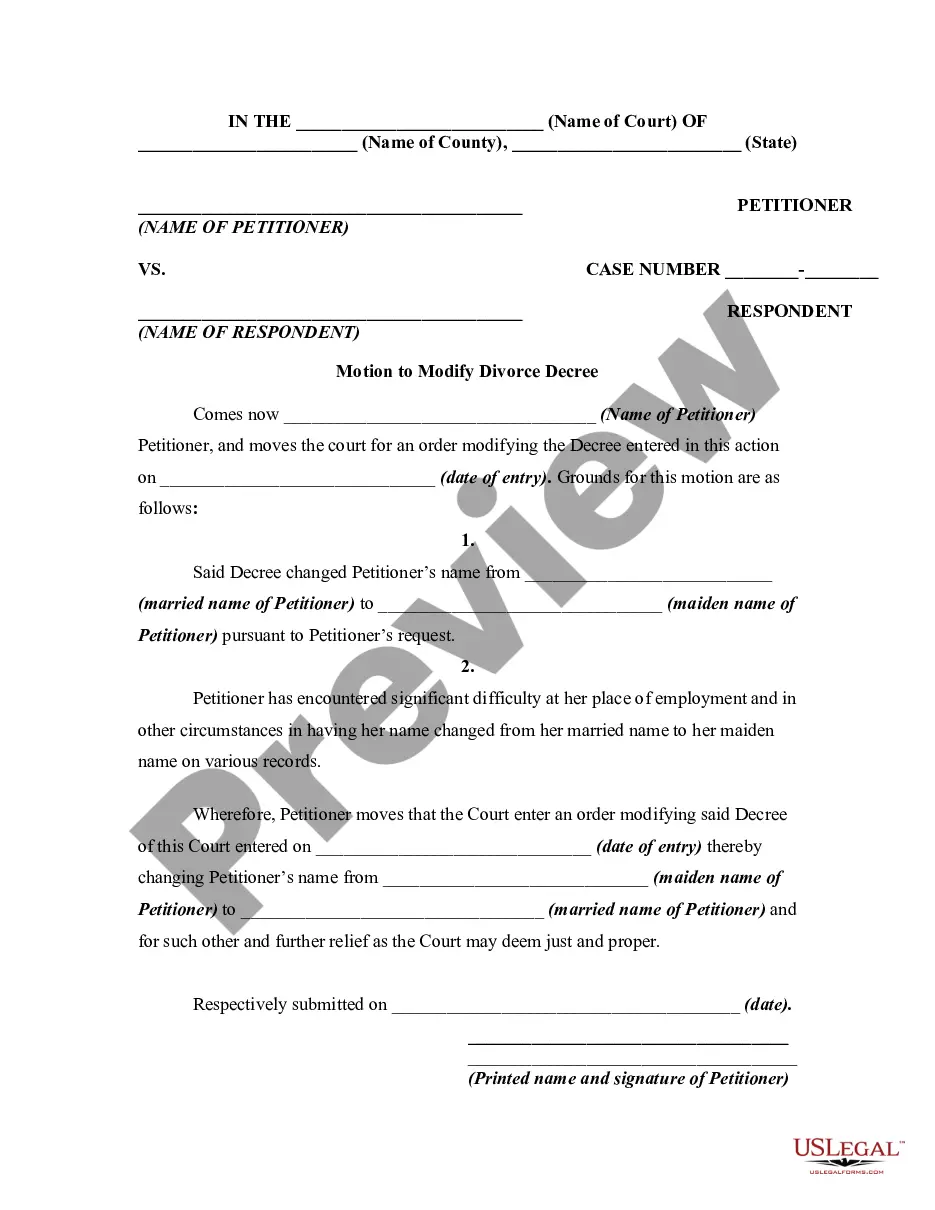
Click Buy now. Once the transaction is completed, you can download the Texas Divorce Form Texas For Child, fill it out, print it, and send or mail it to the required individuals or organizations.
- That’s why, on our platform, all forms are location-specific and current.
- Begin with our website and acquire the form you require in just minutes.
- Locate the form you need using the search bar at the top of the page.
- Preview it (if this option is available) and read the accompanying description to ascertain whether Texas Divorce Form Texas For Child meets your needs.
- Start your search again if you require another template.
Form popularity
FAQ
Typically a divorce involving children where parents are able to use mediation to agree on all key issues will take around six months, while a contested divorce where parents cannot agree on a child custody arrangement could take over a year.
Uncontested divorces are not granted to couples with minor children in Texas. Rather, a form of "agreed divorce" is granted. This means you both must agree on all issues related to the divorce (including child custody and child support), and you are both willing to sign all court forms.
Under Texas law, both parents are expected to share custody unless one parent is proven or determined to be unfit. To get sole custody of a child in Texas, a spouse can file for possessory conservatorship (physical custody) or managing conservatorship (legal custody).
Texas courts will try to grant joint custody whenever possible. Joint custody is when the child spends time with both parents. These arrangements are preferred by courts, but if one parent is neglectful or abusive, the court may award sole custody.
As mentioned, the average Texas divorce costs between $15,600 and $23,500, depending on the presence (or absence) of children. With children, there are more details to be worked out. This increases the time and work involved as well as the associated costs.