Tx Spouse Texas Without Will
Description
Get your form ready online
Our built-in tools help you complete, sign, share, and store your documents in one place.
Make edits, fill in missing information, and update formatting in US Legal Forms—just like you would in MS Word.
Download a copy, print it, send it by email, or mail it via USPS—whatever works best for your next step.
Sign and collect signatures with our SignNow integration. Send to multiple recipients, set reminders, and more. Go Premium to unlock E-Sign.
If this form requires notarization, complete it online through a secure video call—no need to meet a notary in person or wait for an appointment.
We protect your documents and personal data by following strict security and privacy standards.

Make edits, fill in missing information, and update formatting in US Legal Forms—just like you would in MS Word.

Download a copy, print it, send it by email, or mail it via USPS—whatever works best for your next step.

Sign and collect signatures with our SignNow integration. Send to multiple recipients, set reminders, and more. Go Premium to unlock E-Sign.

If this form requires notarization, complete it online through a secure video call—no need to meet a notary in person or wait for an appointment.

We protect your documents and personal data by following strict security and privacy standards.
Looking for another form?

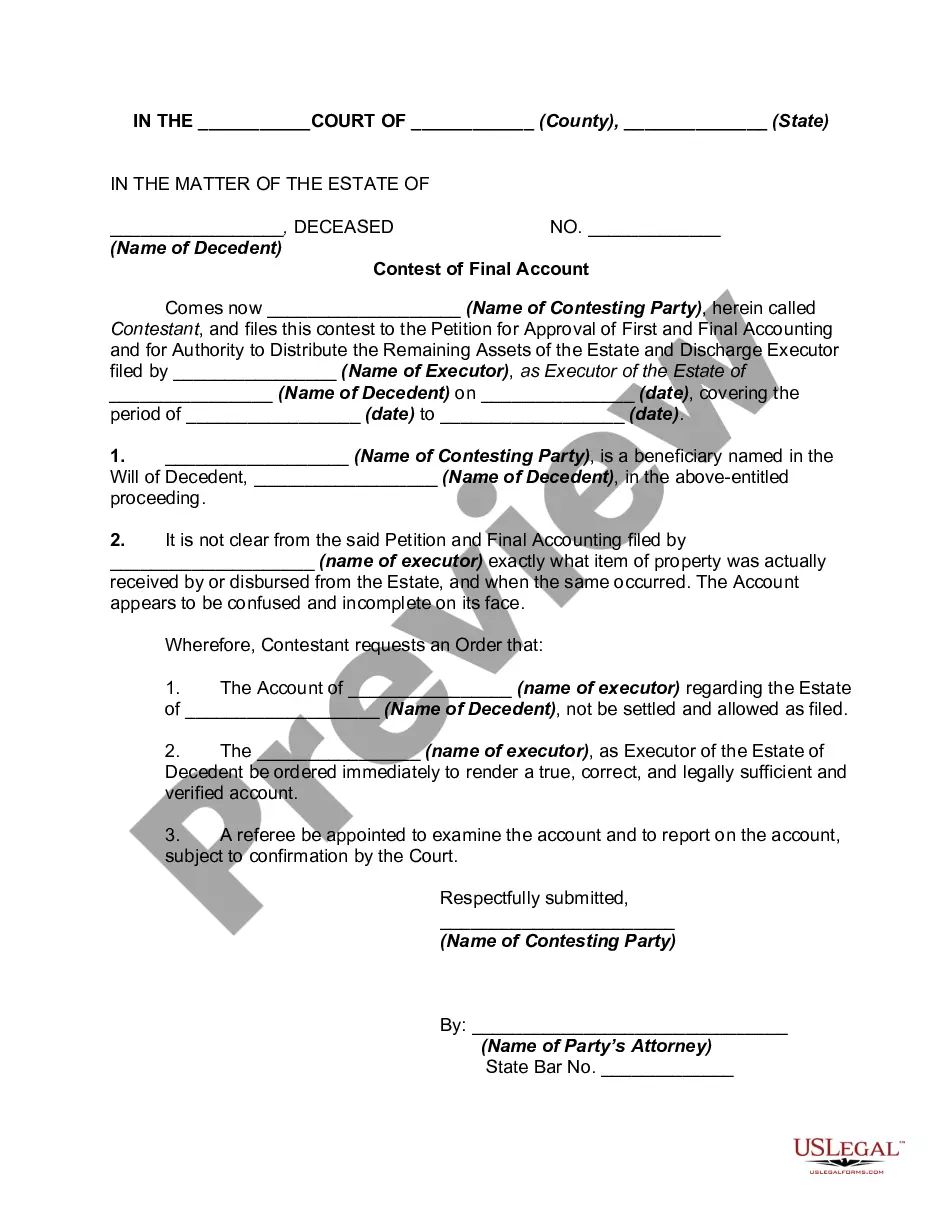

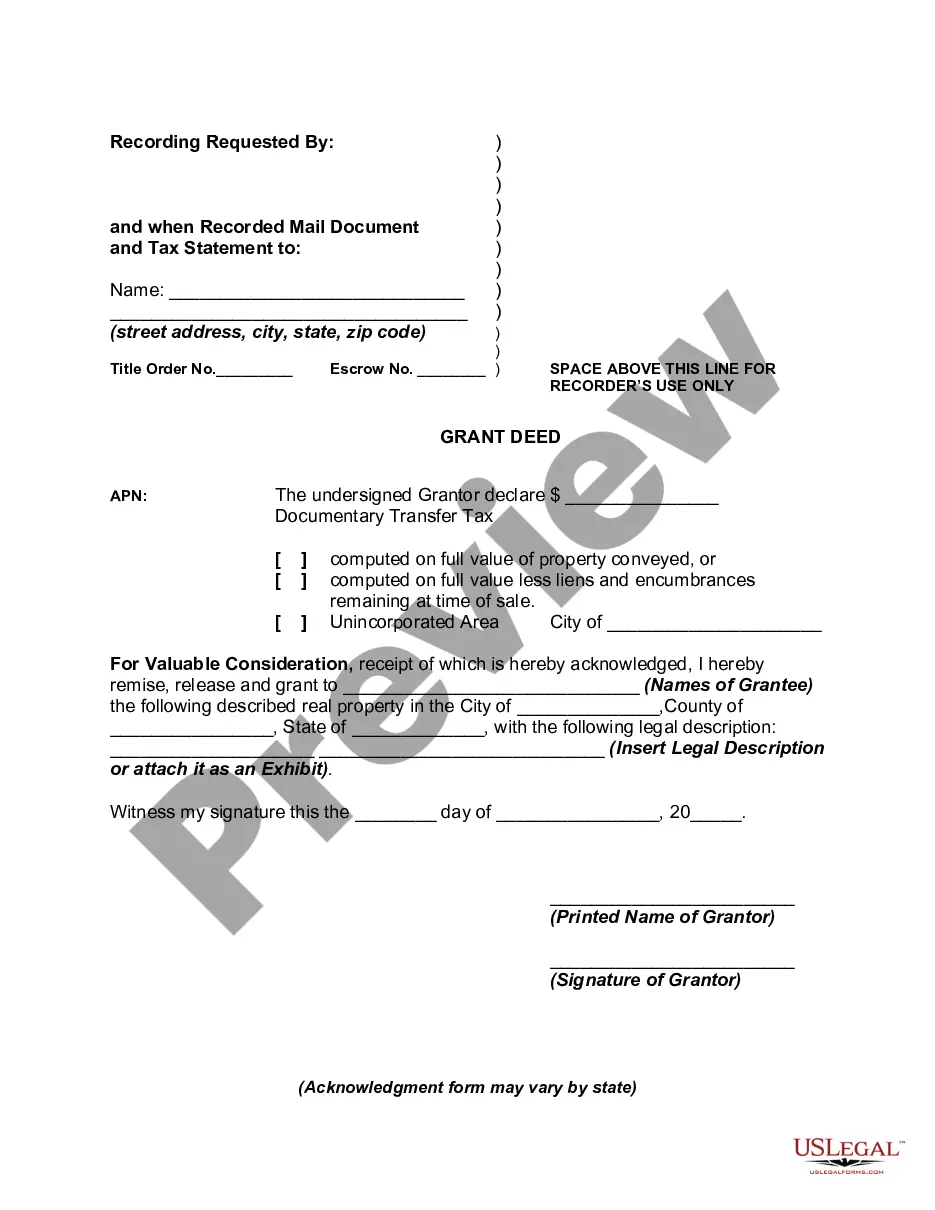
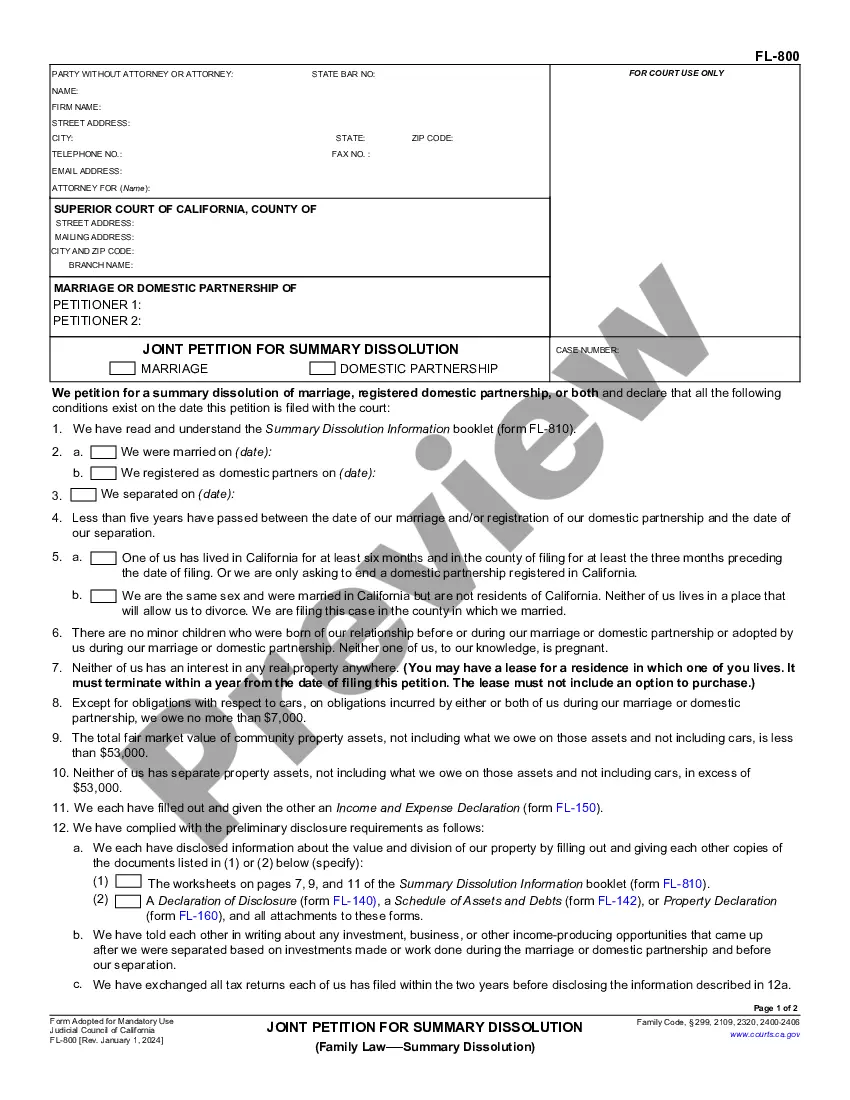
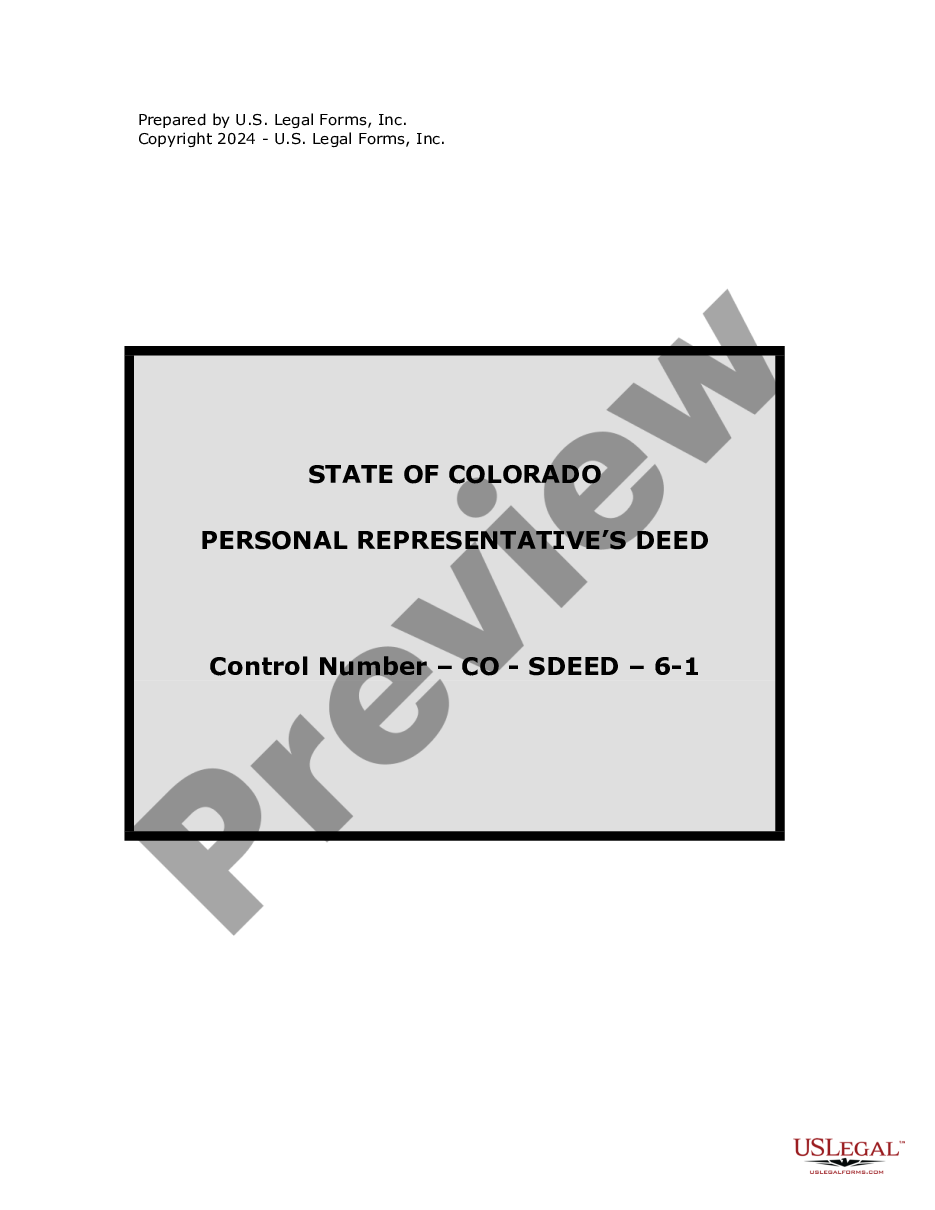
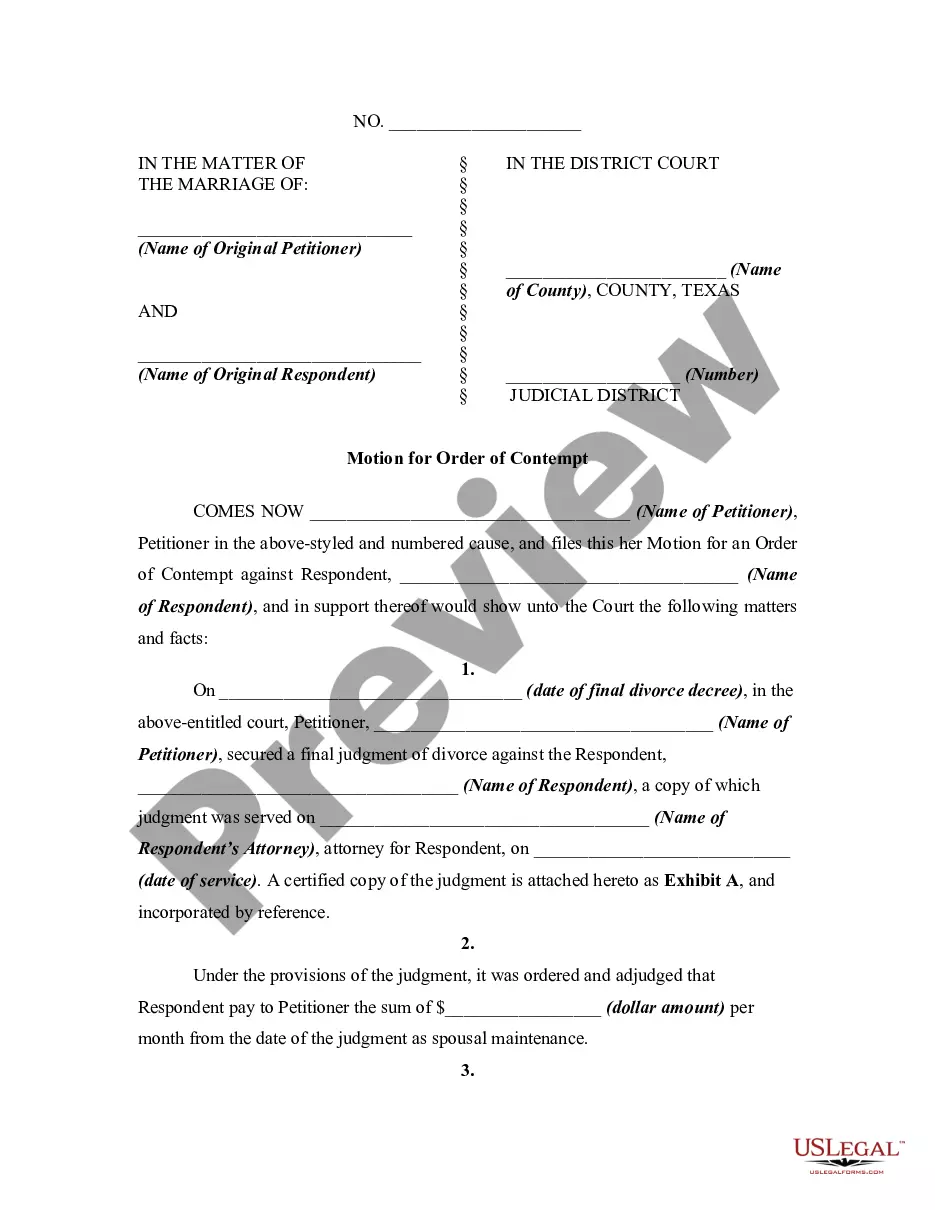
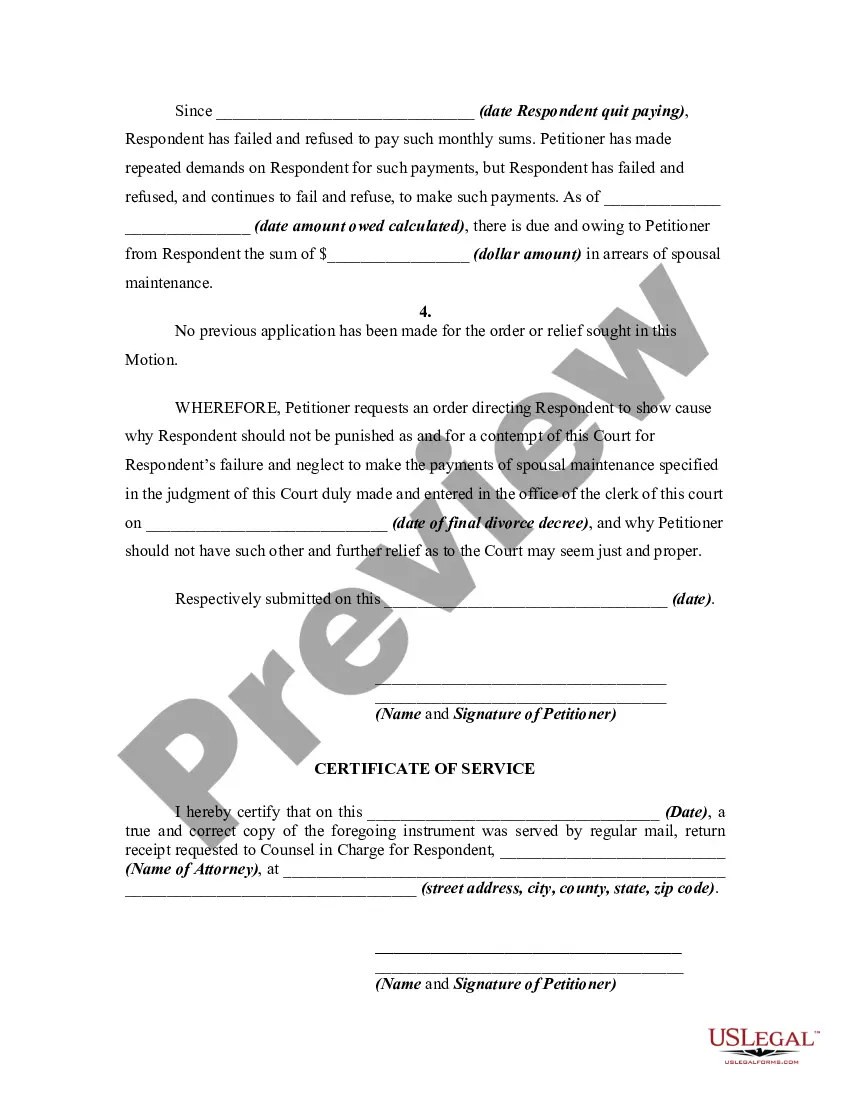
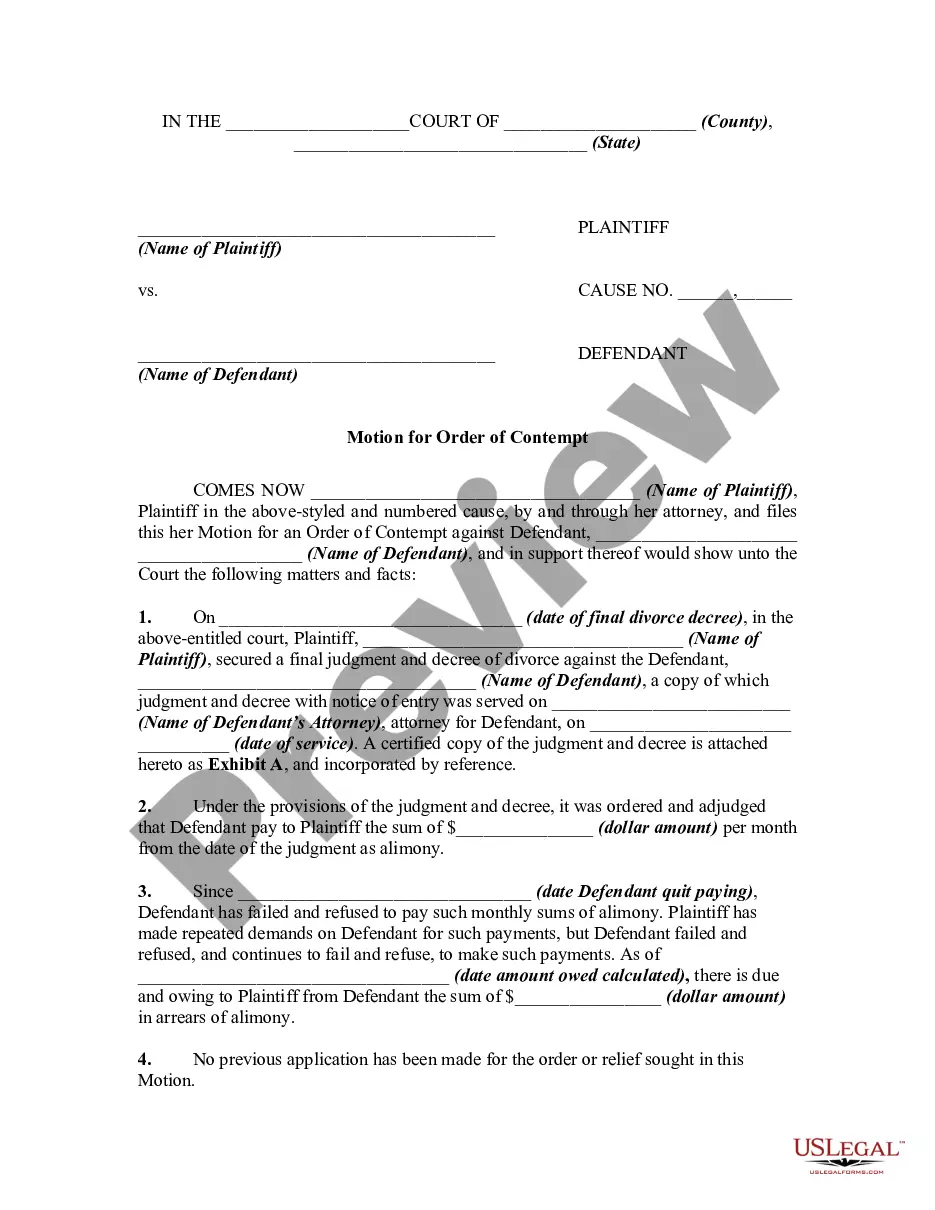
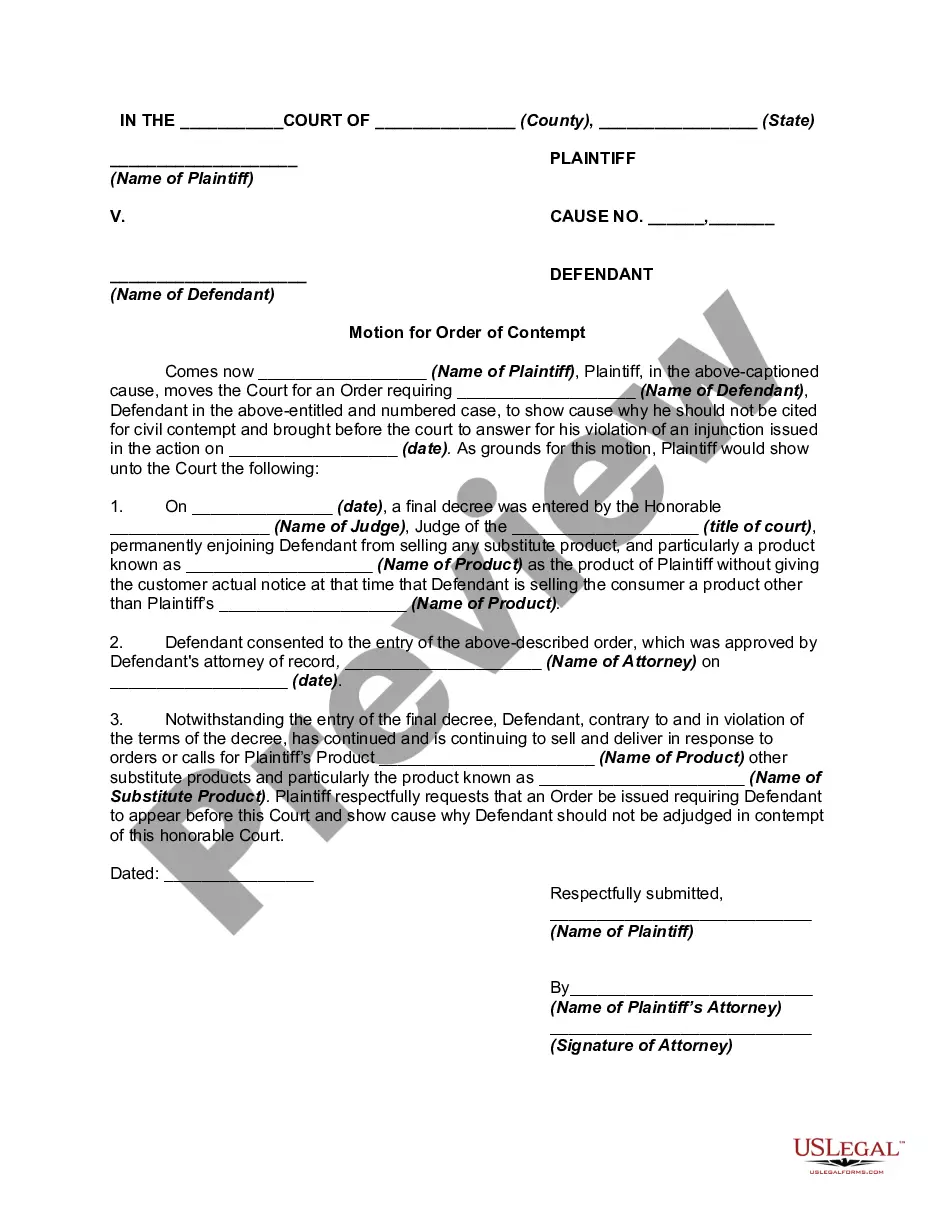
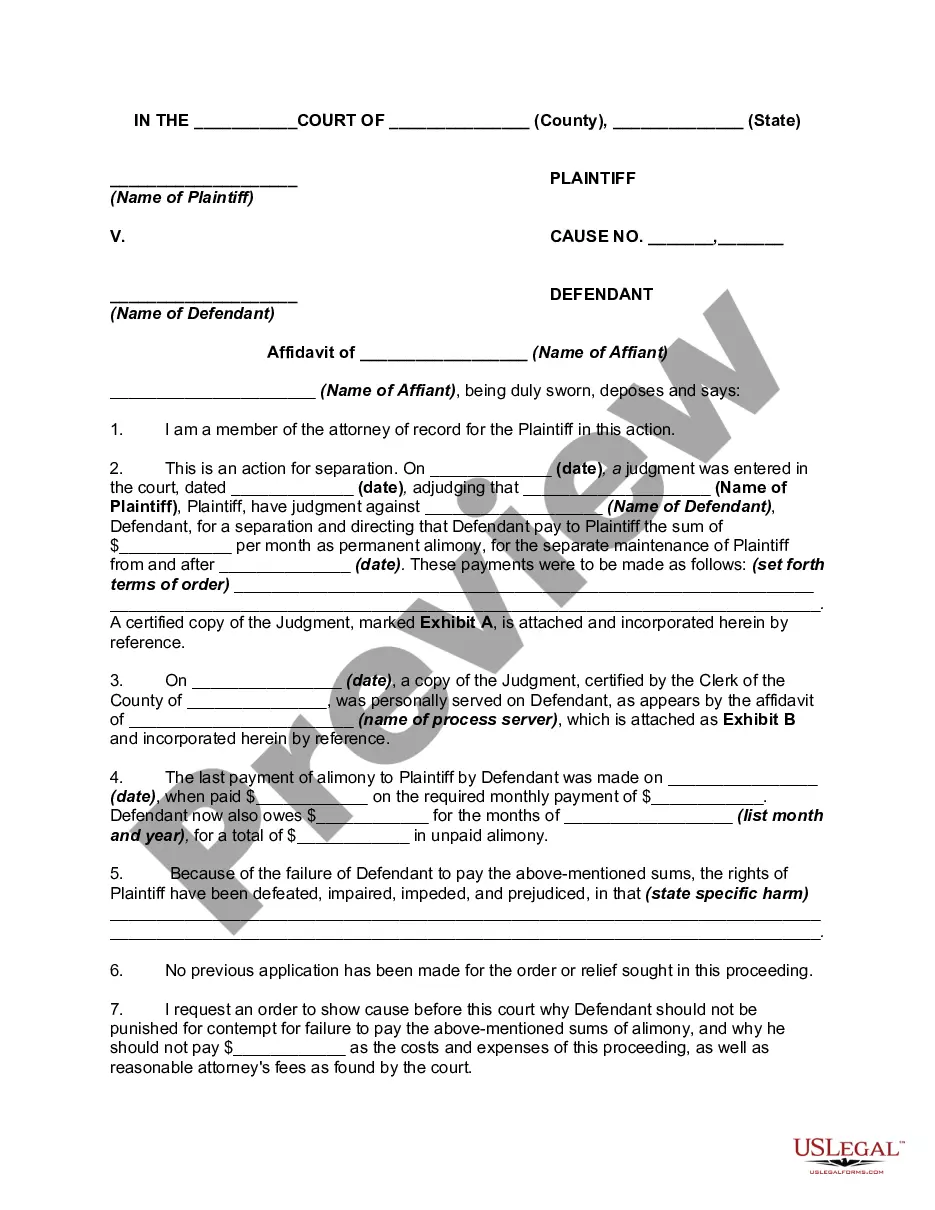
How to fill out Texas Motion For Order Of Contempt For Failure To Pay Spousal Maintenance?
The Tx Spouse Texas Without Will displayed on this page is a reusable legal template crafted by qualified attorneys in compliance with federal and local regulations and statutes.
For over 25 years, US Legal Forms has supplied individuals, businesses, and legal professionals with more than 85,000 validated, state-specific documents for any business and personal circumstance. It’s the fastest, simplest, and most reliable method to acquire the documentation you require, as the service assures the utmost level of data security and anti-malware safeguards.
Enroll in US Legal Forms to have authenticated legal templates for all of life’s circumstances readily available.
- Search for the document you need and review it.
- Browse through the file you looked for and preview it or check the form description to confirm it meets your needs. If it doesn’t, utilize the search function to find the suitable one. Click Buy Now once you have found the template you want.
- Register and Log In.
- Pick the pricing plan that fits you and establish an account. Use PayPal or a credit card for a swift transaction. If you already possess an account, Log In and verify your subscription to continue.
- Acquire the editable template.
- Choose the format you prefer for your Tx Spouse Texas Without Will (PDF, DOCX, RTF) and download the sample to your device.
- Complete and sign the documentation.
- Print out the template to fill it out manually. Alternatively, use an online multi-use PDF editor to quickly and accurately complete and sign your form with a valid signature.
- Redownload your documents.
- Re-use the same document as needed. Access the My documents section in your profile to re-download any previously saved forms.
Form popularity
FAQ
Your surviving spouse will inherit all your community property if all your children are also your surviving spouse's children; But if you have children from another marriage, all your one-half interest in community property will pass to your children, with your spouse keeping only his or her one-half interest.
Naming Your Spouse as Your Beneficiary In Texas, your spouse cannot inherit from you after you divorce unless you make an affirmative statement that that is what you want. But Texas law does not govern your 401(k), 403(b), 457 or other ?qualified? (meaning tax deferred) funds.
The surviving spouse automatically receives all community property. Separate personal property also goes completely to the surviving spouse, while separate real property is split down the middle between the surviving spouse and the deceased's parents, siblings or siblings' descendants, in that order.
Technically speaking, probate is not always necessary in Texas when someone dies without a will. Only in certain situations, alternative processes can be used to distribute the deceased person's assets without the need for a dependent administration.
The surviving spouse automatically receives all community property. Separate personal property also goes completely to the surviving spouse, while separate real property is split down the middle between the surviving spouse and the deceased's parents, siblings or siblings' descendants, in that order.